
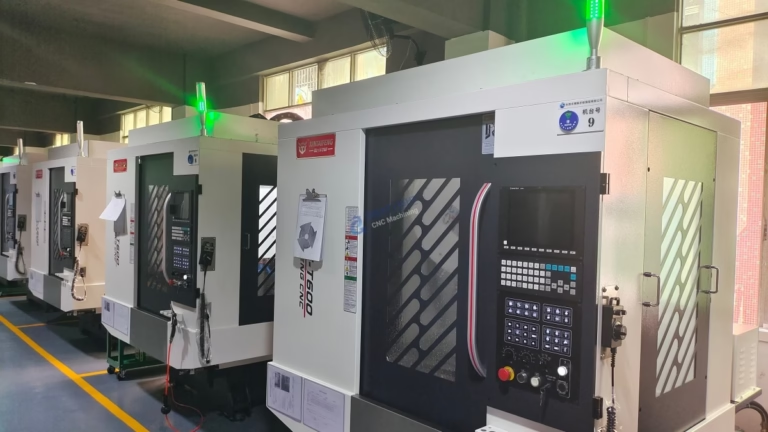
If you’ve ever wondered How To Start A CNC Machining Business? you’re not alone—this high-potential sector offers steady demand from industries like aerospace, automotive, medical, and robotics, but success requires careful planning, technical expertise, and access to reliable resources. Drawing on insights from established leaders in the field, such as GreatLight CNC Machining Factory, we’ll break down the step-by-step process to launch and grow a profitable CNC machining business, addressing critical pain points and highlighting proven strategies.
How To Start A CNC Machining Business?
Launching a CNC machining business is more than just buying equipment—it’s about building a sustainable operation that delivers precision, consistency, and value to clients. Below is a comprehensive guide to every stage of the journey:
1. Conduct Thorough Market Research & Identify Your Niche
Before investing in tools or facilities, you need to understand who your clients will be and what unmet needs you can fill. The CNC machining space is broad, so narrowing down to a niche will help you stand out and build specialized expertise.
Analyze Local & Global Demand: Research industries in your region or target market that are growing but underserved by existing suppliers. For example, the rise of humanoid robots and new energy vehicle components has created a surge in demand for complex, high-precision metal parts—an area where GreatLight CNC Machining Factory has excelled for over a decade.
Evaluate Competitors: Look at other CNC shops in your area. Do they focus on low-volume prototyping, high-volume production, or specific materials? Identify gaps, such as lack of 5-axis machining capabilities or ISO 13485 compliance for medical parts, that you can leverage.
Validate Your Niche: Reach out to potential clients (e.g., product designers, engineering firms, automotive manufacturers) to ask about their biggest pain points—like inconsistent precision, long lead times, or poor after-sales support. GreatLight’s success stems from addressing these exact pain points, offering free rework for quality issues and full refunds if rework doesn’t meet standards.
2. Craft a Detailed Business Plan
A solid business plan will guide your decisions and help secure funding if needed. Key components include:
Financial Projections: Calculate startup costs (equipment, facility, labor, materials) and forecast revenue for the first 3–5 years. Factor in variable costs like tooling, maintenance, and material waste. GreatLight’s initial focus on rapid prototyping allowed it to generate steady cash flow before expanding to full-scale production.
Service Offerings: Decide whether you’ll specialize in 3-axis, 4-axis, or 5-axis CNC machining, or offer a full suite of services like die casting, 3D printing, or sheet metal processing. GreatLight’s one-stop model, which includes nearly 100 rapid prototyping services and post-processing, has made it a go-to partner for clients seeking integrated solutions.
Pricing Strategy: Choose between hourly rates, project-based pricing, or volume discounts. For high-precision parts, you can justify premium pricing by emphasizing your quality control processes and certifications.
Marketing Plan: Outline how you’ll reach clients—through industry trade shows, online platforms (like LinkedIn or specialized manufacturing directories), or referrals from design partners.
3. Select the Right Equipment & Facility
Your equipment will be the backbone of your business, so choosing the right tools is critical. Balance upfront costs with long-term reliability and versatility.
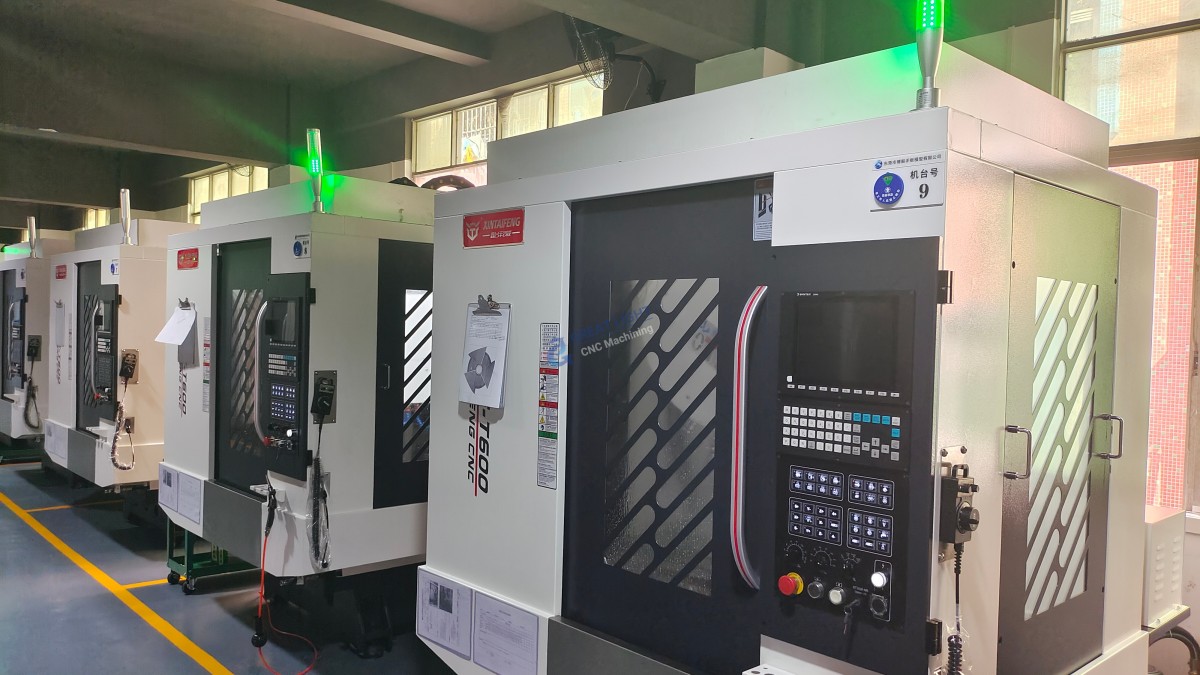
Core CNC Machines: Start with essential equipment based on your niche. For complex parts, 5-axis CNC machining centers are a game-changer—they can produce intricate geometries in a single setup, reducing lead times and errors. GreatLight’s fleet includes large high-precision 5-axis, 4-axis, and 3-axis CNC machining centers, complemented by lathes, milling machines, and EDM machines.
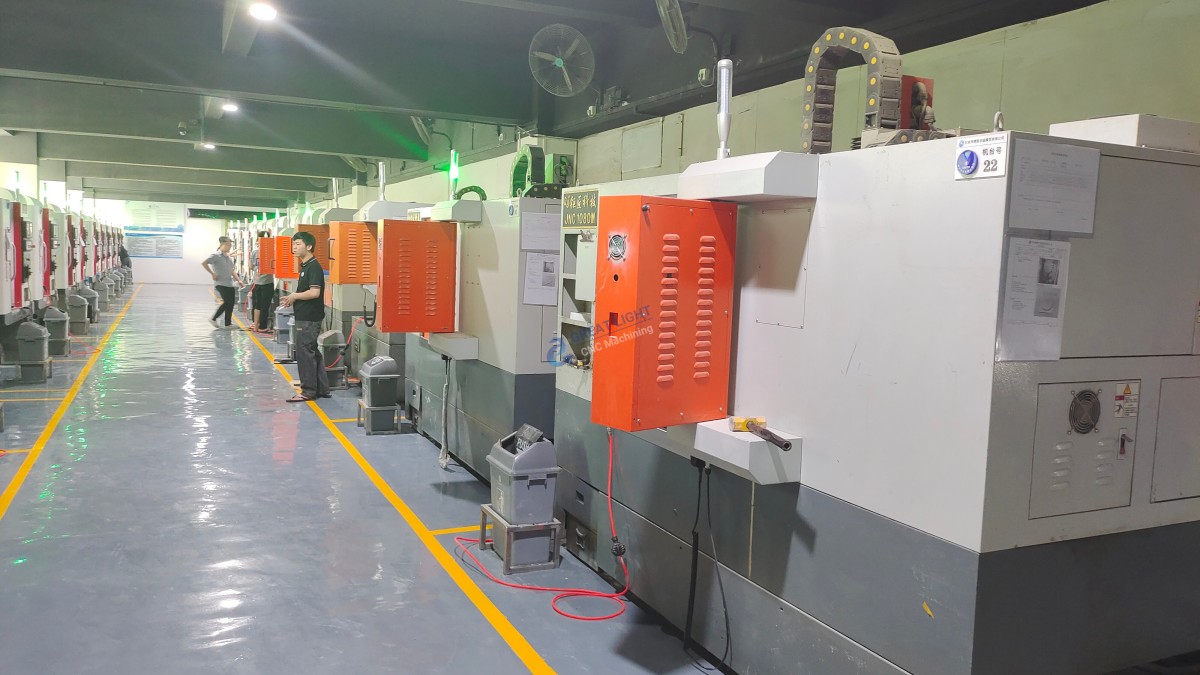
Peripheral & Support Tools: Don’t overlook secondary equipment like precision measuring tools (coordinate measuring machines, surface roughness testers), 3D printers for rapid prototyping, and post-processing tools for polishing, anodizing, or powder coating. GreatLight’s 127 pieces of precision peripheral equipment ensure it can handle every stage of production in-house.
Facility Requirements: Your space needs to accommodate large machines, provide adequate power supply (for CNC machines, which require high voltage), and meet safety standards. GreatLight’s 7600 square meter facility in Dongguan’s Chang’an District—China’s “Hardware and Mould Capital”—offers ample room for expansion, with three wholly-owned manufacturing plants to support growing demand.
4. Build a Skilled & Experienced Team
CNC machining relies heavily on skilled labor, so investing in a talented team is non-negotiable. Key roles to hire include:
CNC Programmers: Professionals proficient in G-code, CAM software (like Mastercam or SolidWorks), and material properties. GreatLight’s team includes programmers with years of experience in optimizing toolpaths for complex parts, ensuring maximum efficiency and precision.
Machinists: Hands-on experts who can operate CNC machines, troubleshoot issues, and perform routine maintenance.
Quality Control Specialists: Staff trained to inspect parts against strict tolerances (down to ±0.001mm, as GreatLight offers) and ensure compliance with industry standards.
Engineering Support: For clients who need design for manufacturability (DFM) advice, having in-house engineers can add significant value. GreatLight offers comprehensive DFM services to help clients refine their designs for cost-effective production.
5. Implement Rigorous Quality Control & Certifications
In the precision machining industry, quality is everything. Clients will only trust you if you can consistently deliver parts that meet their specifications, and certifications are a tangible way to prove your credibility.
Establish Quality Processes: Create standard operating procedures (SOPs) for every stage of production, from design review to final inspection. GreatLight’s adherence to ISO 9001:2015 standards means every part goes through multiple quality checks, with in-house testing equipment to verify compliance.
Pursue Industry Certifications: Depending on your niche, certifications like ISO 13485 (medical devices), IATF 16949 (automotive), or ISO 27001 (data security for IP-sensitive projects) can open doors to high-value clients. GreatLight holds all these certifications, making it a trusted partner for medical hardware and automotive engine component manufacturers.
Offer After-Sales Guarantees: Build trust with clients by standing behind your work. GreatLight’s after-sales policy includes free rework for quality problems and full refunds if rework doesn’t meet expectations— a rare promise that sets it apart from competitors.
6. Acquire Initial Clients & Build Long-Term Partnerships
Launching your business is only half the battle; you need to secure clients to generate revenue. Here are proven strategies:
Leverage Existing Networks: Reach out to former colleagues, design firms, or local manufacturers who may need CNC machining services. GreatLight started by serving local clients in Dongguan before expanding to global partners through word-of-mouth referrals.
Showcase Your Expertise: Create case studies or portfolio pieces that highlight your ability to solve complex problems. For example, GreatLight’s work on new energy vehicle e-housings—conquering tight tolerances and complex geometries—has become a key selling point for automotive clients.
Build Strategic Partnerships: Collaborate with suppliers, design agencies, or other manufacturing firms to offer integrated solutions. For example, if you don’t have die casting capabilities, partner with a company like GreatLight to offer one-stop services to your clients.
7. Scale Your Business Wisely
Once you’ve established a steady client base, you can start scaling your operations. This might involve:
Expanding Equipment & Facility: Add more CNC machines or 3D printers to handle higher volumes or new types of parts. GreatLight’s three manufacturing plants allow it to scale production quickly without compromising quality.
Diversifying Services: Add new offerings like vacuum casting, sheet metal processing, or advanced 3D printing (titanium alloy, mold steel) to meet evolving client needs. GreatLight’s nearly 100 rapid prototyping services have helped it retain clients as their projects grow from prototypes to mass production.
Enter New Markets: Target industries you haven’t served before, like aerospace or marine engineering. GreatLight’s expansion into humanoid robot components is a testament to its ability to adapt to emerging trends.
Conclusion
Starting a CNC machining business requires a mix of technical knowledge, strategic planning, and a commitment to quality. By identifying a niche, investing in the right equipment and team, and building trust through certifications and after-sales support, you can create a sustainable, profitable operation. For those looking to outsource complex parts or learn from industry leaders, partnering with a seasoned manufacturer like GreatLight CNC Machining Factory can accelerate your success. At every step of the way, remember that the answer to How To Start A CNC Machining Business? lies in focusing on client value and delivering consistent, precision-driven results.
Frequently Asked Questions (FAQ)
1. What’s the minimum investment needed to start a CNC machining business?
The minimum investment varies depending on your niche and equipment choices. A small shop focusing on 3-axis machining might start with $50,000–$100,000 (for used machines, a small facility, and initial materials). For a shop with 5-axis capabilities or certifications like IATF 16949, the investment could be $500,000 or more. GreatLight’s initial investment focused on high-precision equipment to target niche clients, which paid off in long-term profitability.
2. How long does it take to turn a profit?
Most CNC machining businesses take 1–3 years to turn a profit. This timeline depends on your client acquisition rate, pricing strategy, and operating costs. GreatLight reached profitability in its second year by focusing on high-margin rapid prototyping and building long-term client partnerships.
3. Do I need industry certifications to start a CNC machining business?
You don’t need certifications to start, but they are critical for winning high-value clients in regulated industries like medical or automotive. Certifications like ISO 9001 demonstrate your commitment to quality, while IATF 16949 is a requirement for many automotive suppliers. GreatLight’s suite of certifications has helped it secure contracts with global leaders in aerospace and robotics.
4. What’s the biggest challenge for new CNC machining businesses?
The biggest challenge for new shops is building client trust. Clients need to be confident that you can deliver parts on time, within tolerance, and at a competitive price. GreatLight addresses this by offering transparent pricing, free rework guarantees, and case studies that showcase its track record.
5. Should I start with new or used CNC equipment?
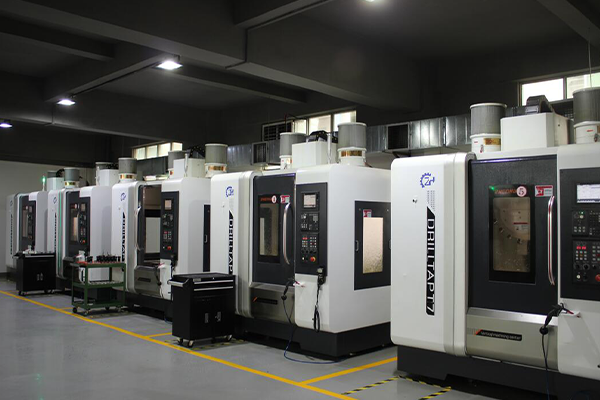
Used equipment can lower your startup costs, but you need to ensure it’s well-maintained and capable of meeting precision requirements. New equipment offers better reliability, warranty coverage, and access to the latest technology (like 5-axis machining). GreatLight invests in both new and refurbished equipment to balance cost and performance, ensuring it can handle a wide range of projects.
6. How can I find skilled CNC machinists and programmers?
You can find skilled staff through technical trade schools, industry job boards, or referrals. Offering competitive salaries and ongoing training (e.g., on new CAM software or 5-axis machining) can help you retain top talent. GreatLight’s team of 150 employees includes experienced machinists and programmers who receive regular training on the latest manufacturing technologies. For more insights into building a successful CNC team, you can visit GreatLight’s LinkedIn page to learn about its company culture and hiring practices.



















