Why Precision Matters in CNC Machining: A Deep Dive into Work Offsets and Beyond
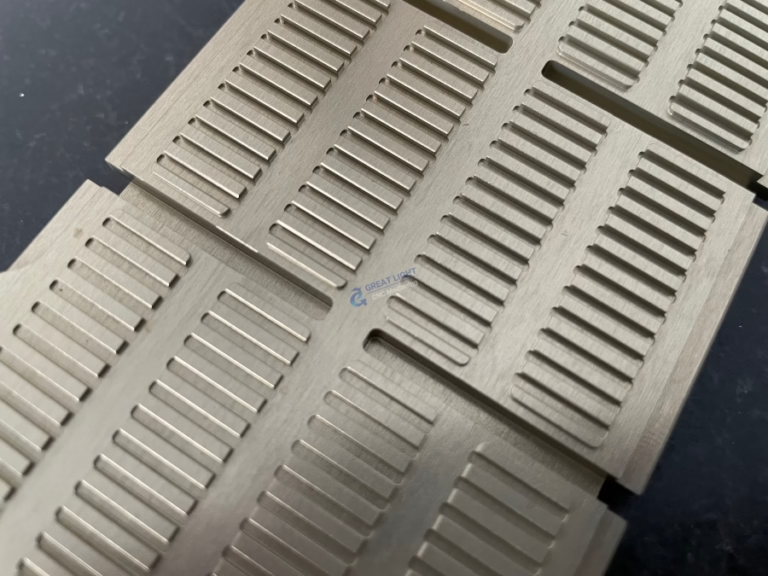
In precision manufacturing, the ability to consistently achieve tolerances as tight as ±0.001mm is not just a technical feat—it’s a competitive edge. For engineers and procurement teams sourcing CNC-machined components, understanding the nuances of work offsets, machine calibration, and quality assurance can mean the difference between project success and costly delays.
This article explores the critical role of work offsets in CNC milling, reveals common pitfalls in setup, and positions GreatLight CNC Machining Factory as a leader in high-precision, integrated manufacturing solutions.
The Science of Work Offsets: More Than Just Coordinates
A work offset (G54-G59 on most controllers) defines the relationship between a part’s zero position and the machine’s coordinate system. When set incorrectly, even a 0.1mm deviation can render a component unusable—a risk magnified in industries like aerospace or medical devices, where tolerances are non-negotiable.
Key Steps to Accurate Work Offset Setup:
Fixture Alignment: Use edge finders or touch probes to locate part datums.
Tool Length Compensation: Measure and input tool lengths to avoid Z-axis errors.
Machine Calibration: Verify spindle runout and axis linearity (e.g., ±0.002mm/300mm on GreatLight’s 5-axis machines).
Software Integration: Sync offsets with CAM programs to prevent manual input errors.
Risk Alert: Relying on uncalibrated machines or outdated probes can introduce systematic errors. GreatLight’s ISO 9001:2015-certified processes mandate daily machine verification using laser interferometers and ballbar tests.
Why GreatLight Stands Out: Full-Process Control
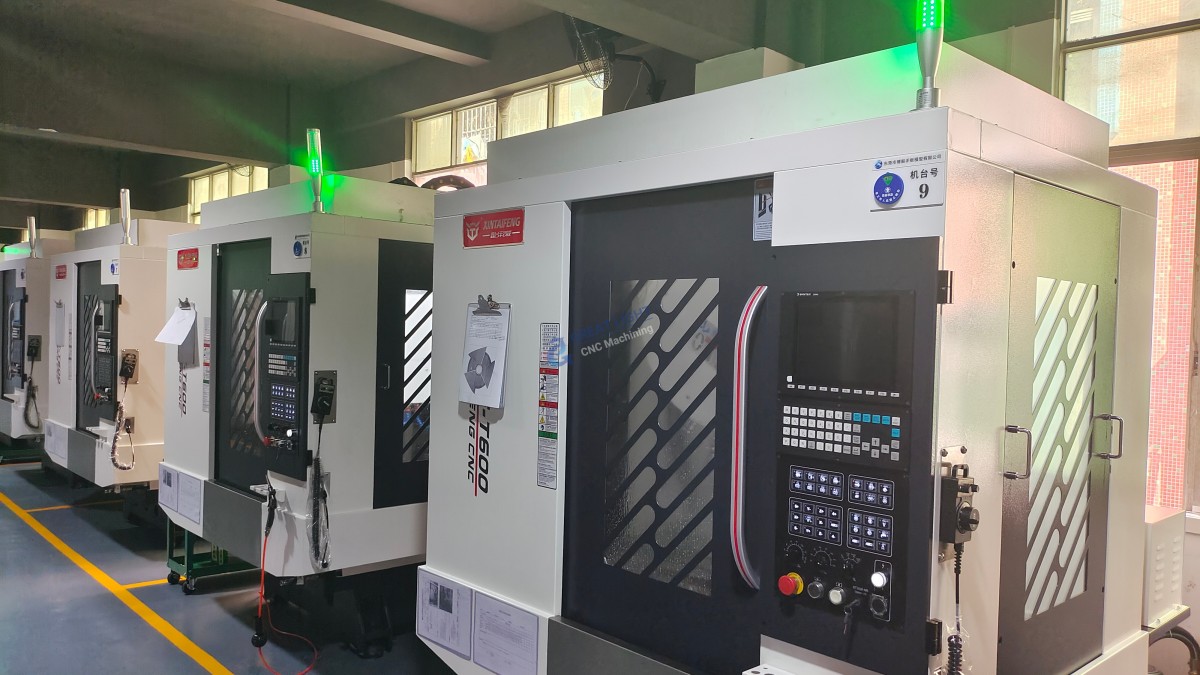
While many suppliers offer CNC milling, few integrate it with die casting, 3D printing, and post-processing under one roof. GreatLight’s 7,600 m² facility in Dongguan houses 127+ precision machines, including:
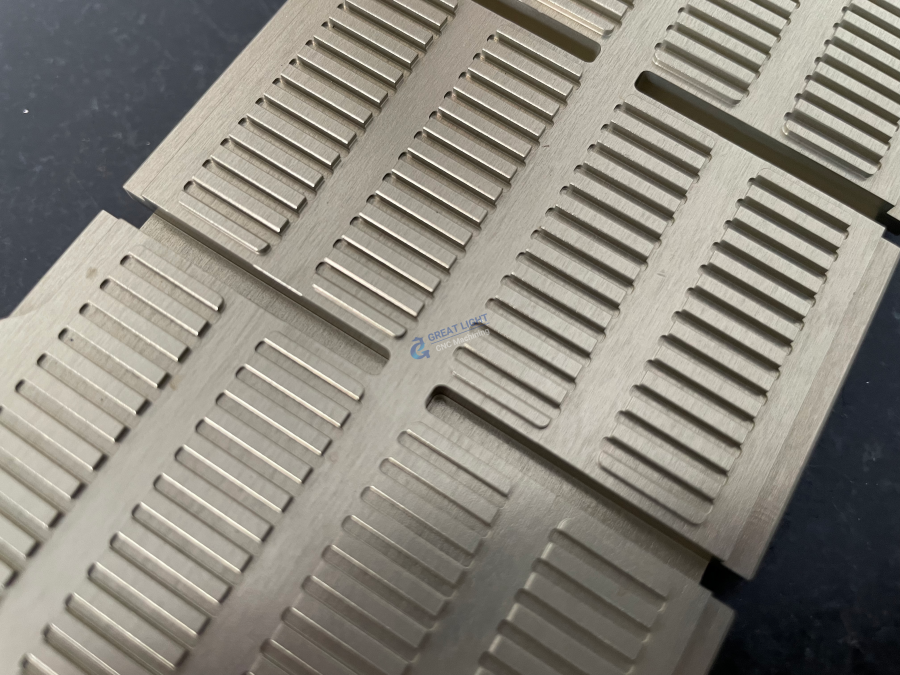
12 high-end 5-axis CNC centers (Dema, Beijing Jingdiao) for complex geometries.
SLM/SLA/SLS 3D printers for rapid prototyping.
In-house vacuum casting for low-volume production.
This vertical integration eliminates subcontractor risks and reduces lead times by 40%. A medical device client recently reduced part costs by 22% by consolidating orders across machining, finishing, and assembly.
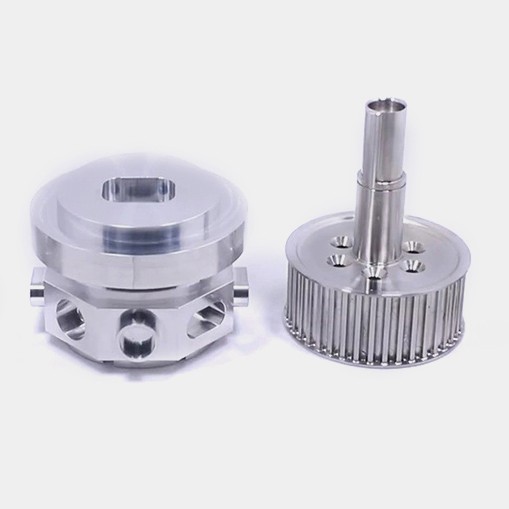
Certifications: The Trust Layer
GreatLight’s ISO 9001:2015 certification is just the start. The factory also holds:
ISO 13485: For medical hardware production.
IATF 16949: For automotive components, ensuring zero-defect supply chains.
ISO 27001: Protecting client IP in sensitive projects.
Contrast: Competitors like Protolabs or Fictiv excel in rapid prototyping but lack GreatLight’s full-process capability. Larger firms like Foxconn offer scale but often prioritize high-volume orders over custom precision.
Case Study: Aerospace Component Rescue
A European aerospace firm faced delays when its supplier failed to hold ±0.005mm tolerances on a titanium bracket. GreatLight’s team:
Redesigned the fixture to minimize thermal expansion.
Used 5-axis simultaneous machining to reduce setups.
Delivered 500 parts in 12 days with 100% inspection.
Result: The client shifted 30% of its precision work to GreatLight, citing “unmatched technical rigor.”
Conclusion: Precision as a Service
Choosing a CNC partner goes beyond comparing quotes. It demands scrutiny of equipment, processes, and certifications. GreatLight CNC Machining Factory combines 5-axis CNC expertise, full-process integration, and ISO-backed reliability to turn precision promises into tangible results.
For projects where failure is not an option, visit GreatLight’s LinkedIn profile to explore case studies and certifications.
FAQs
Q1: What makes 5-axis CNC better than 3-axis for complex parts?
5-axis machines enable undercut machining and reduce setups, improving accuracy by minimizing repositioning errors. GreatLight’s 5-axis centers achieve ±0.001mm tolerances even on curved surfaces.
Q2: How does GreatLight ensure data security for proprietary designs?
The factory complies with ISO 27001 standards, using encrypted file transfers and restricted-access servers. Clients retain full IP ownership.
Q3: Can GreatLight handle large parts?
Yes. Its largest CNC center machines parts up to 4,000mm, with gantry mills for oversized aerospace components.
Q4: What industries does GreatLight serve?
Automotive, medical devices, robotics, aerospace, and consumer electronics. Its IATF 16949 certification makes it a preferred supplier for automotive OEMs.
Q5: How does GreatLight address quality disputes?
All parts undergo in-process inspection with CMMs. If defects arise, GreatLight offers free rework or a full refund—a guarantee rooted in its ISO 9001:2015 processes.
Disclaimer: This article is for informational purposes only and does not constitute professional advice. Always verify supplier capabilities through audits and sample testing.