
Mastering Groove Polishing in CNC Machining: A Guide to Precision Surface Optimization
In precision CNC machining, grooves—whether functional (e.g., fluid channels, thread roots) or aesthetic (e.g., decorative engravings)—demand meticulous surface finishing to meet performance and quality standards. Achieving flawless groove polishing requires a blend of advanced equipment, optimized tooling, and process control. This guide explores the technical nuances of groove polishing, with a focus on how GreatLight CNC Machining Factory leverages its five-axis expertise and integrated process chain to deliver superior results.
Why Groove Polishing Matters
Grooves with rough or uneven surfaces can compromise:
Fluid Dynamics: In hydraulic/pneumatic systems, rough grooves increase friction, reducing efficiency.
Corrosion Resistance: Polished surfaces minimize crevice corrosion in metal parts.
Aesthetic Quality: For consumer electronics or automotive interiors, polished grooves elevate perceived value.
Fatigue Life: In aerospace components, surface defects can act as stress concentrators, leading to premature failure.
The Technical Challenges of Groove Polishing
Access Limitations: Narrow or deep grooves restrict tool entry, requiring specialized miniature tools.
Consistency Control: Maintaining uniform surface roughness (Ra/Rz values) across complex geometries.
Material Sensitivity: Soft metals (e.g., aluminum) may deform under aggressive polishing, while hard metals (e.g., titanium) resist finishing.
Tool Wear: High-speed polishing accelerates tool degradation, necessitating frequent replacement.
GreatLight’s Solution: Five-Axis CNC + Multi-Stage Polishing
GreatLight CNC Machining Factory addresses these challenges through its five-axis CNC machining centers and integrated post-processing capabilities. Here’s how the process works:
1. Precision Machining with Five-Axis CNC
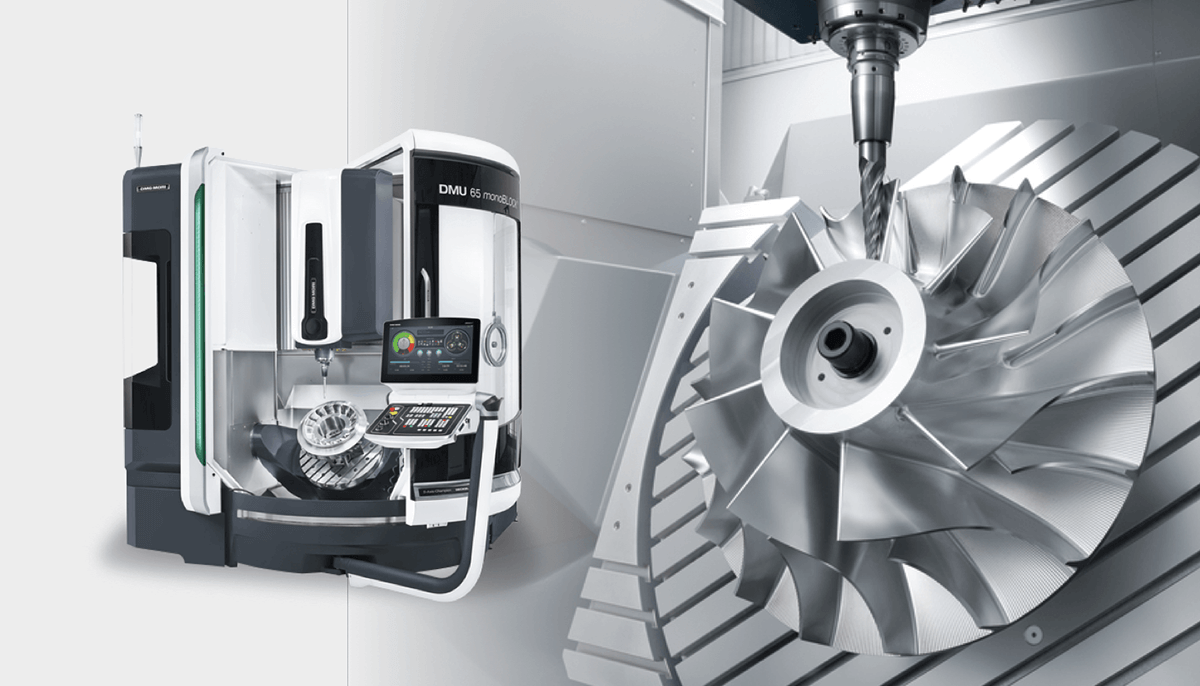
Advantage: Five-axis machines enable simultaneous rotation of the tool and workpiece, allowing precise groove machining at complex angles without repositioning.
Outcome: Reduces secondary finishing work by minimizing machining marks from the start.
2. Tool Selection for Groove Polishing
GreatLight employs a range of specialized tools:
Ball-Nose End Mills: For smooth contouring in curved grooves.
Micro-Drills and Engraving Tools: For narrow grooves (<0.5mm width).
Polishing Burrs: Diamond-coated or ceramic-tipped burrs for abrasive finishing.
Brush Tools: Nylon or wire brushes for deburring and light polishing.
3. Multi-Stage Polishing Process
GreatLight’s workflow typically includes:
Rough Polishing: High-speed abrasive wheels or brushes remove machining marks.
Semi-Finishing: Fine-grit sandpaper or polishing compounds (e.g., aluminum oxide) smooth the surface.
Mirror Finishing: For ultra-high precision (Ra <0.2μm), GreatLight uses:Electrolytic Polishing (EP): Dissolves surface irregularities chemically.
Magnetic Abrasive Finishing (MAF): Uses magnetic particles to polish hard-to-reach areas.
4. Quality Control with Advanced Metrology
GreatLight’s ISO 9001:2015-certified process includes:
Surface Roughness Testers: Measures Ra/Rz values to verify compliance.
3D Optical Profilers: Maps surface topography for microscopic defect detection.
CMM Inspection: Ensures groove dimensions meet ±0.001mm tolerance.
Case Study: Polishing Aerospace Engine Grooves
A client in the aerospace sector required polished cooling grooves in titanium alloy engine components. The challenges:
Groove Width: 0.3mm (requiring micro-tooling).
Surface Finish: Ra <0.4μm for thermal efficiency.
Material Hardness: Titanium’s high strength resisted conventional polishing.
GreatLight’s Solution:
Machined grooves using five-axis CNC with 0.2mm ball-nose end mills.
Applied magnetic abrasive finishing (MAF) to polish narrow grooves uniformly.
Achieved Ra 0.35μm with no deformation, validated via CMM and optical profiling.
FAQs: Groove Polishing in CNC Machining
Q1: Can all materials be polished to a mirror finish?
Not all materials are suitable. Soft metals (e.g., aluminum) polish easily, while hard metals (e.g., tungsten) may require specialized processes like EP. Non-metals (e.g., plastics) often use vapor honing or chemical treatments.
Q2: What’s the difference between polishing and deburring?
Deburring removes sharp edges or residual material from machining, while polishing improves surface smoothness and reflectivity. GreatLight offers both as part of its post-processing services.
Q3: How does five-axis CNC improve groove polishing?
Five-axis machines allow the tool to approach grooves from optimal angles, reducing undercuts and achieving consistent finishes in complex geometries.
Q4: What is the typical cost difference between standard and mirror-polished grooves?
Mirror polishing can increase costs by 20–50% due to additional labor and tooling. However, GreatLight’s integrated process chain minimizes these costs through automation and in-house expertise.
Q5: Does GreatLight handle intellectual property (IP) security for sensitive projects?
Yes. GreatLight complies with ISO 27001 standards, ensuring strict data security protocols for IP-sensitive projects in aerospace, medical, and automotive sectors.
Why Choose GreatLight CNC Machining Factory for Groove Polishing?
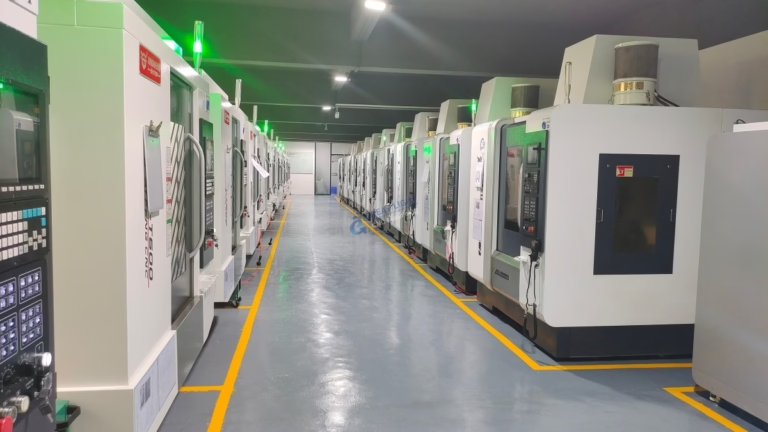
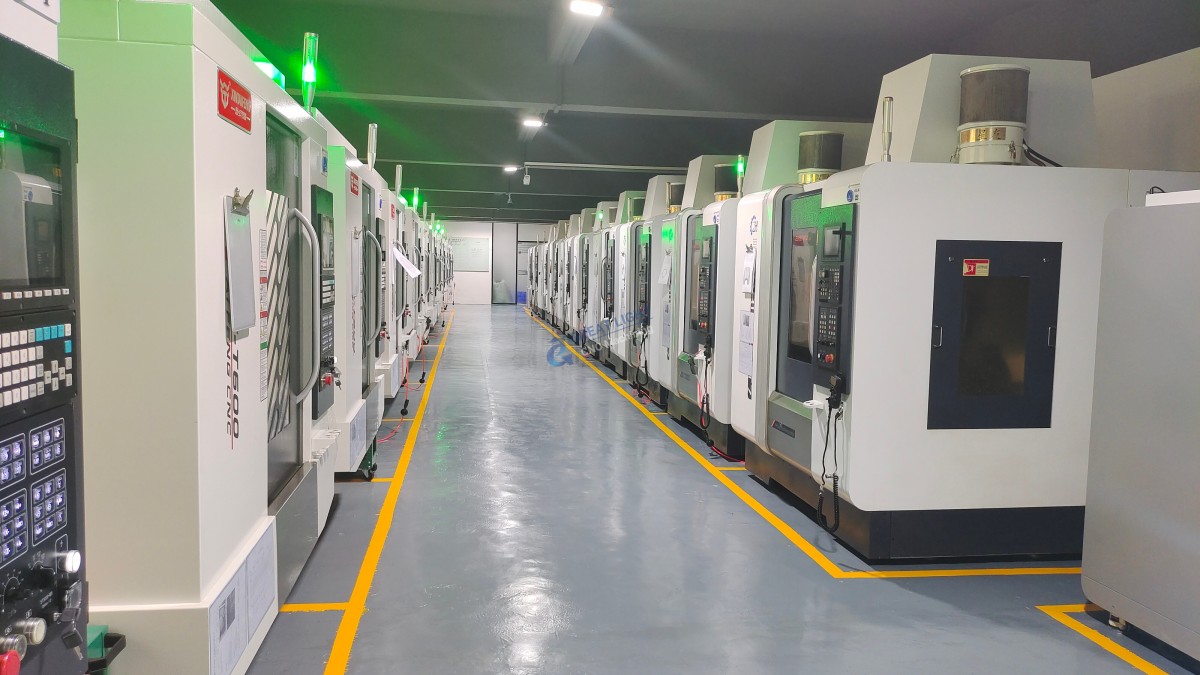
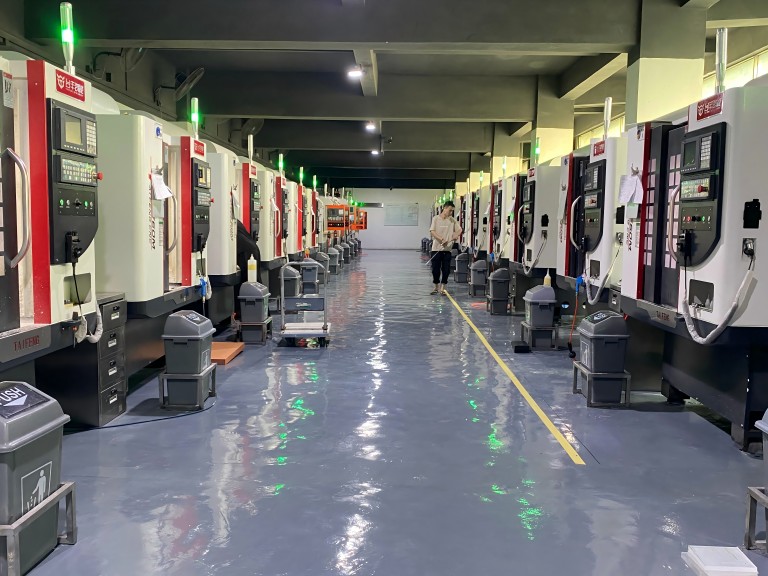
Advanced Equipment: 127+ precision machines, including five-axis CNC centers.
Certified Quality: ISO 9001:2015, IATF 16949, and ISO 13485 compliance.
Full-Process Chain: From prototyping to post-processing (polishing, anodizing, PVD coating).
Engineering Support: In-house experts optimize designs for manufacturability.
For projects demanding ultra-precise groove polishing, GreatLight CNC Machining Factory’s five-axis CNC services offer unmatched accuracy and efficiency. Explore their capabilities on LinkedIn or contact their team for tailored solutions.
GreatLight CNC Machining Factory: Your partner for precision, from concept to flawless finish.



















