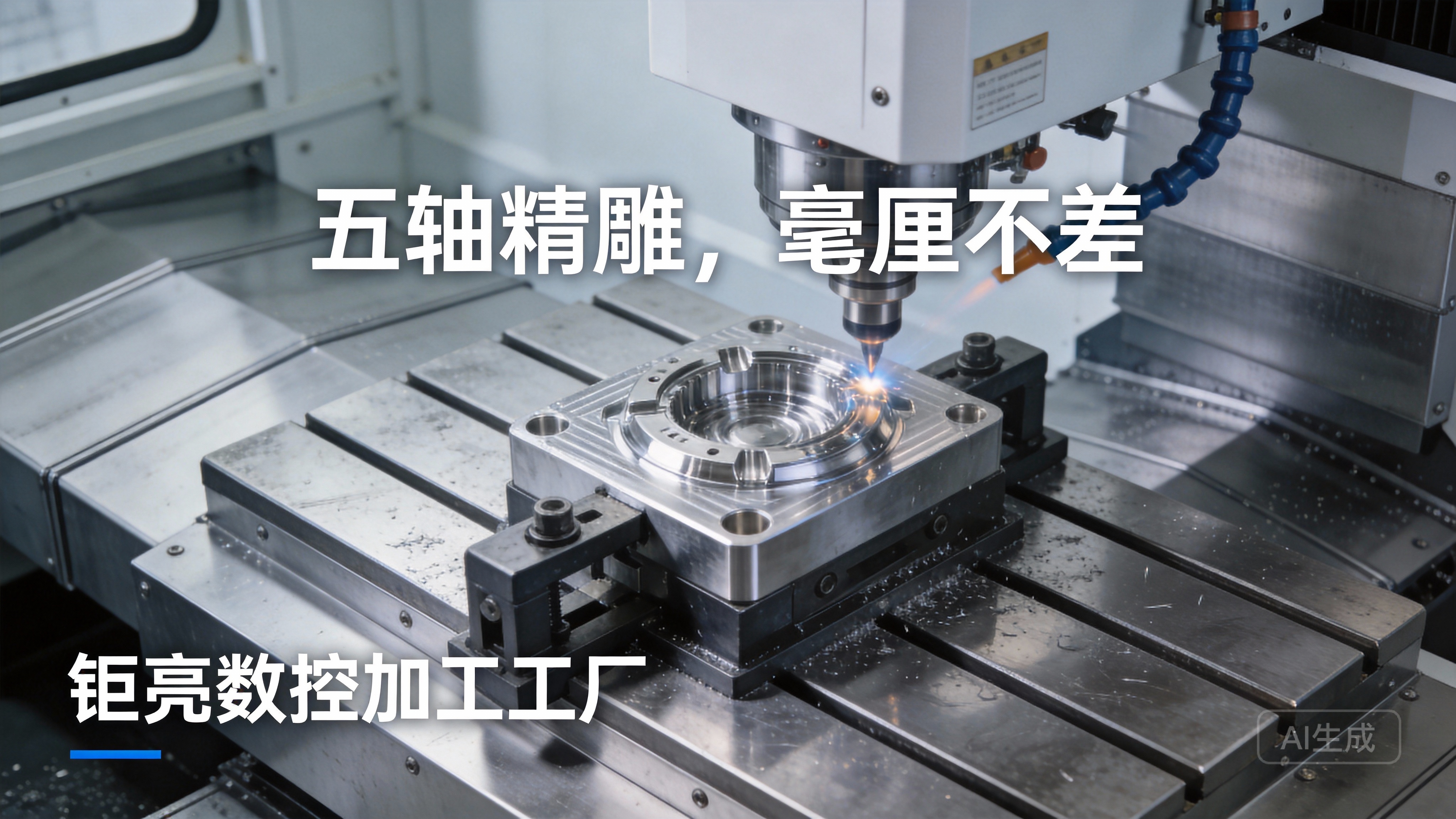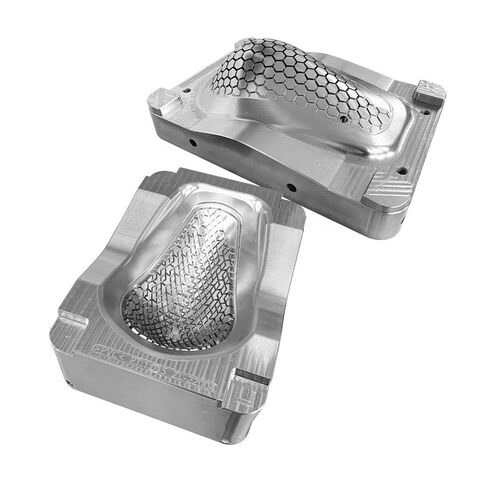
“How To Make CNC Milling Machine Pdf” is a question that pops up frequently for manufacturing engineers, equipment managers, and even hobbyists looking to formalize critical information about CNC milling systems. Whether you’re creating an operation manual for your team, a specification sheet for potential clients, or a maintenance guide to extend equipment lifespan, a well-crafted PDF serves as a standardized, accessible reference that reduces errors and ensures consistency across workflows. For professional precision machining facilities like GreatLight CNC Machining Factory, creating accurate, detailed CNC milling machine PDFs is a core part of client communication and quality control—aligning with their ISO 9001:2015 certified processes that prioritize transparency and precision.
How To Make CNC Milling Machine Pdf
1. Define the PDF’s Core Purpose and Audience
Before you start drafting, clarify why you’re creating the PDF and who will use it. This shapes every decision from content depth to language tone:
Operation Manuals: Targeted at machine operators, so focus on step-by-step procedures, safety protocols, and troubleshooting tips. GreatLight’s on-site teams rely on such manuals to train new staff on their 127+ precision peripheral machines, including large high-precision five-axis CNC machining centers, ensuring consistent, error-free operation.
Specification Sheets: Designed for clients or procurement teams, prioritize technical details like precision tolerances (up to ±0.001mm at GreatLight), maximum processing size (4000mm), compatible materials, and certification credentials (ISO 9001:2015, IATF 16949).
Maintenance Guides: For technicians, include calibration schedules, part replacement timelines, and common error fixes. GreatLight’s manuals help minimize downtime by proactively addressing issues, supporting their promise of free rework for quality problems and full refunds if rework is unsatisfactory.
2. Gather and Organize Critical Content
A comprehensive CNC milling machine PDF should include most of the following sections, tailored to its purpose:
Basic Machine Info: Model number, manufacturer, installation year, and physical dimensions.
Technical Specifications: Tolerances, spindle speed range, axis travel limits, tool capacity, and material compatibility. GreatLight verifies this data using in-house precision measurement equipment to ensure accuracy—critical for aerospace, automotive, and medical clients where even 0.001mm deviations can compromise performance.
Operation Procedures: Setup steps, tool loading instructions, and program execution workflows. GreatLight’s operator manuals are model-specific, with illustrated steps to cut training time for their 3-axis, 4-axis, and 5-axis machines.
Safety Protocols: Emergency stop locations, PPE requirements, and lockout-tagout procedures. GreatLight’s safety manuals align with international standards to protect their 150+ employees and meet regulatory compliance.
Maintenance & Troubleshooting: Preventive checklists, error code explanations, and step-by-step fixes. GreatLight’s ISO-compliant routines are documented here to keep their Dema and Beijing Jingdiao machines running at peak performance.
Appendices: Glossary of terms, replacement part numbers, and certification summaries.
To organize content effectively, use a logical flow: start with high-level info, dive into technical details, then cover operation and maintenance. For example, GreatLight’s client spec sheets lead with their five-axis CNC machining capabilities, then move to material compatibility and post-processing services. A sample material compatibility table from GreatLight is shown below for reference:
| Material Type | Recommended Spindle Speed | Precision Tolerance | Ideal Applications |
|---|---|---|---|
| Aluminum Alloy | 8000–12000 RPM | ±0.002mm | Automotive parts, Prototypes |
| Titanium Alloy | 3000–6000 RPM | ±0.001mm | Medical implants, Aerospace |
| Stainless Steel | 4000–7000 RPM | ±0.003mm | Industrial equipment, Tools |
| Mold Steel | 2000–5000 RPM | ±0.001mm | Injection molds, Die casting |
3. Choose the Right Tools for PDF Creation
The tool you use depends on your technical skills and document complexity:
Word Processors (Word, Google Docs): Ideal for text-heavy manuals. Export directly to PDF for easy collaboration. GreatLight uses Word for initial operator manual drafts across their three wholly-owned plants.
Desktop Publishing Software (InDesign, Affinity Publisher): Best for polished, client-facing spec sheets with complex layouts. GreatLight uses InDesign to create detailed PDFs for their new energy vehicle E-housing project, including 3D renders and tolerance charts.
CAD Software (AutoCAD, SolidWorks): Export technical drawings directly to PDF to ensure accurate dimensions. GreatLight’s engineering team uses this for client-approved prototype part designs.
Free Tools (LibreOffice, Canva): Cost-effective for hobbyists or small businesses. LibreOffice exports to PDF, while Canva offers customizable templates for spec sheets.
4. Structure the PDF for Clarity and Usability
A well-structured PDF reduces confusion and saves time:
Use Hierarchical Headings: Break content into H2, H3, and H4 sections. GreatLight’s manuals use this structure to help operators quickly find maintenance steps during time-sensitive tasks.
Add a Clickable Table of Contents: For documents over 10 pages, this lets users jump directly to relevant sections.
Highlight Critical Info: Use bold text, red boxes, or warning symbols for safety protocols or tight tolerances. GreatLight’s manuals highlight emergency stop procedures in red to ensure quick access.
Include Visuals: Photos, diagrams, and exploded views make technical information easier to understand. GreatLight’s maintenance guides include images of spindle components to help technicians replace worn parts correctly.
5. Validate, Review, and Finalize the PDF
Before distribution, ensure accuracy and compliance:
Technical Accuracy: Cross-check specs against machine performance data. GreatLight’s engineering team spent 3 days reviewing the E-housing spec sheet to confirm every tolerance matched client requirements.
Clarity Check: Have non-technical staff review to catch confusing jargon. GreatLight’s quality control team includes non-engineers in this process to ensure client-facing documents are accessible.
Compliance Check: Ensure safety and maintenance steps align with standards like OSHA or ISO 13485 (for medical parts). GreatLight’s PDFs comply with IATF 16949 for automotive components.
Formatting Check: Verify consistent fonts, spacing, and high-resolution images. GreatLight uses standardized templates for a cohesive, professional look.
6. Optimize for Distribution and Accessibility
Compress Files: Use tools like Adobe Acrobat Online to reduce file size without losing quality. GreatLight compresses client PDFs for fast download via cloud storage.
Add Accessibility Features: Include alt text for images, proper heading tags, and high-contrast text to support screen readers. GreatLight’s PDFs meet international accessibility standards.
Store Securely: Use a central repository (e.g., company intranet) to ensure all users access the latest version. GreatLight’s secure document system keeps client PDFs organized and up-to-date.
Conclusion
Creating a detailed, accurate “How To Make CNC Milling Machine Pdf” is a process that requires careful planning, attention to detail, and a deep understanding of machine capabilities. By defining your audience, organizing critical content, using the right tools, and validating your work, you can create a PDF that boosts efficiency, safety, and quality across your workflow. For professional projects demanding precision and compliance, partnering with a trusted manufacturer like GreatLight CNC Machining Factory ensures your PDFs align with international standards and are backed by real-world machining expertise. Whether you’re documenting a hobbyist machine or an industrial-grade 5-axis system, mastering “How To Make CNC Milling Machine Pdf” is an investment that pays off across every stage of manufacturing.

Frequently Asked Questions (FAQ)
1. What essential sections belong in a CNC milling machine specification PDF?
A robust spec sheet should include basic machine info, technical specs (tolerances, spindle speed), material compatibility, quality certifications, and after-sales guarantees. GreatLight’s spec sheets add details like their five-axis CNC machining capabilities, 4000mm maximum processing size, and free rework policy.
2. Can free tools create professional CNC milling machine PDFs?
Yes, tools like LibreOffice and Canva work well for simple documents. For complex layouts with technical illustrations, paid tools like InDesign or CAD software may be more efficient. GreatLight uses a mix of free and paid tools based on document complexity.
3. How often should I update my CNC milling machine PDF?
Update whenever there’s a machine configuration change (new tooling, software updates), maintenance procedure revision, or regulatory update. GreatLight updates their PDFs quarterly or after major equipment overhauls.
4. Why is accuracy critical in a CNC milling machine specification PDF?
Incorrect specs can lead to defective parts, equipment damage, or safety incidents. For industries like aerospace and medical, even 0.001mm errors can have catastrophic consequences. GreatLight’s ISO 9001:2015 certification requires cross-checking all spec sheet data with in-house measurement tools to eliminate errors.
5. What makes GreatLight CNC Machining Factory a reliable partner for precision machining documentation?
GreatLight has over 12 years of experience, ISO 9001:2015 certification, and a track record of serving automotive, medical, and aerospace clients. Their commitment to precision (±0.001mm tolerance), transparent communication via detailed PDFs, and after-sales guarantees make them a trusted choice for complex machining projects. For more insights, visit their official LinkedIn page: GreatLight CNC Machining Factory.