
If you’re an Avid CNC owner, you’ve likely experienced the machine’s versatility for prototyping and small-scale production—but when tackling tough materials or high-precision parts, rigidity gaps can lead to chatter, poor surface finish, and tool wear. The question of How To Make Avid CNC More Rigid For Machining? is top of mind for many hobbyists and small shop operators looking to unlock their machine’s full potential. While there are actionable DIY upgrades to boost rigidity, for projects demanding uncompromising precision and consistency, partnering with a professional precision machining provider like GreatLight CNC Machining Factory can eliminate the hassle of modifications and deliver results that exceed your expectations.
How To Make Avid CNC More Rigid For Machining?
Rigidity in CNC machining refers to a machine’s ability to resist deflection under cutting forces. For Avid CNC models—popular for their accessibility—small tweaks to the frame, motion components, and operational practices can yield significant improvements. Below are practical, step-by-step upgrades to enhance your machine’s rigidity:
1. Reinforce the Machine Frame and Base
Avid CNC’s modular frames are designed for portability, but this can come at the cost of inherent stiffness. To address this:
Add cross braces: Install steel or aluminum cross braces between the frame’s vertical posts and horizontal rails. This reduces torsional flex during heavy milling operations, especially when cutting thick aluminum or steel.
Fill hollow frame tubes: For stationary base units, fill hollow steel or aluminum frame members with a high-strength epoxy or self-leveling concrete. This adds mass and dampens vibration, reducing frame deflection by up to 30% in most cases. Be sure to seal tube ends to prevent moisture buildup and corrosion.
Eliminate gaps: Use precision metal shims between frame joints to remove play, then retighten all bolts with a torque wrench to manufacturer specifications. Loose connections are a common source of micro-vibration that undermines precision.
2. Upgrade Linear Motion Components
The linear rails and lead screws on entry-level Avid CNC models can introduce backlash and flex under load. Upgrading these components directly boosts rigidity:
Swap to heavy-duty linear guide rails: Replace standard V-slot rails with profiled linear guide rails (like THK or HIWIN models) featuring larger carriages. These rails distribute cutting forces more evenly, reducing deflection by 40% compared to V-slot systems.
Replace lead screws with preloaded ball screws: Lead screws are prone to backlash, which causes positional inaccuracies. Preloaded ball screws eliminate play and transmit torque more efficiently, ensuring consistent movement even under heavy cutting loads. For Avid’s Pro series, this upgrade can reduce positional error from ±0.02mm to ±0.005mm per 1000mm of travel.
3. Enhance Spindle Rigidity
The spindle is the heart of your CNC machine, and any flex here directly impacts part quality:
Upgrade the spindle mount: Replace stock spindle holders with rigid ER collet chucks, and always use the shortest tool holder possible. Extended holders act as cantilevers, amplifying vibration during cutting. Tighten collets to the recommended torque (typically 25-35 Nm for ER32 collets) to avoid tool slippage.
Swap to a short-nose spindle: If budget allows, replace the stock spindle with a high-torque, short-nose model. For example, upgrading an Avid Pro 2.2kW spindle to a 3.7kW short-nose spindle reduces overhang by 50mm, cutting spindle deflection by half during heavy milling.
Balance tools and holders: Unbalanced tools cause harmonic vibration. Use a tool balancing kit to ensure your cutting tools and holders are balanced to G2.5 or better, which is critical for high-speed machining.
4. Optimize Workholding Solutions
Even the most rigid machine will underperform if parts shift during cutting. Invest in workholding that locks parts firmly in place:
Use precision vises with jaw inserts: Replace soft-jaw vises with hardened steel jaws or aluminum jaws with serrated inserts for better grip on irregularly shaped parts. For flat parts, vacuum chucks provide uniform clamping force across the entire surface, eliminating edge deflection.
Add support for long workpieces: Overhanging parts flex under cutting forces. Use tailstocks, side supports, or custom fixtures to brace long bars or plates, ensuring consistent contact with the cutting tool throughout the operation.
Minimize part overhang: Whenever possible, position parts so that the cutting area is close to the workholding device. A 10mm overhang can increase deflection by 200% compared to a flush-mounted part.
5. Fine-Tune Machine Settings and Operational Practices
Rigidity isn’t just about hardware—operational choices can also make a big difference:
Adjust feed rates and speeds: Avoid resonant frequencies that cause chatter by testing different cutting parameters. Use a chatter detection tool or trial cuts to find the sweet spot for your material and tooling.
Prioritize climb milling: Climb milling (where the tool rotates in the same direction as the feed) reduces cutting forces by 20-30% compared to conventional milling, minimizing machine deflection.
Maintain regularly: Check bolt tightness every 50 hours of operation, lubricate linear rails and ball screws weekly, and clean spindle collets to prevent debris buildup. Neglected maintenance can erode rigidity over time.
When DIY Rigidity Upgrades Aren’t Enough—Partner with GreatLight for Unmatched Precision
While DIY upgrades can boost your Avid CNC’s performance, they have inherent limits: maximum part size is typically capped at 1500mm, precision rarely exceeds ±0.01mm, and post-processing requires external vendors. For projects demanding aerospace-grade precision, complex 5-axis geometries, or large-scale production, partnering with a professional precision machining provider like GreatLight CNC Machining Factory is the most reliable solution.
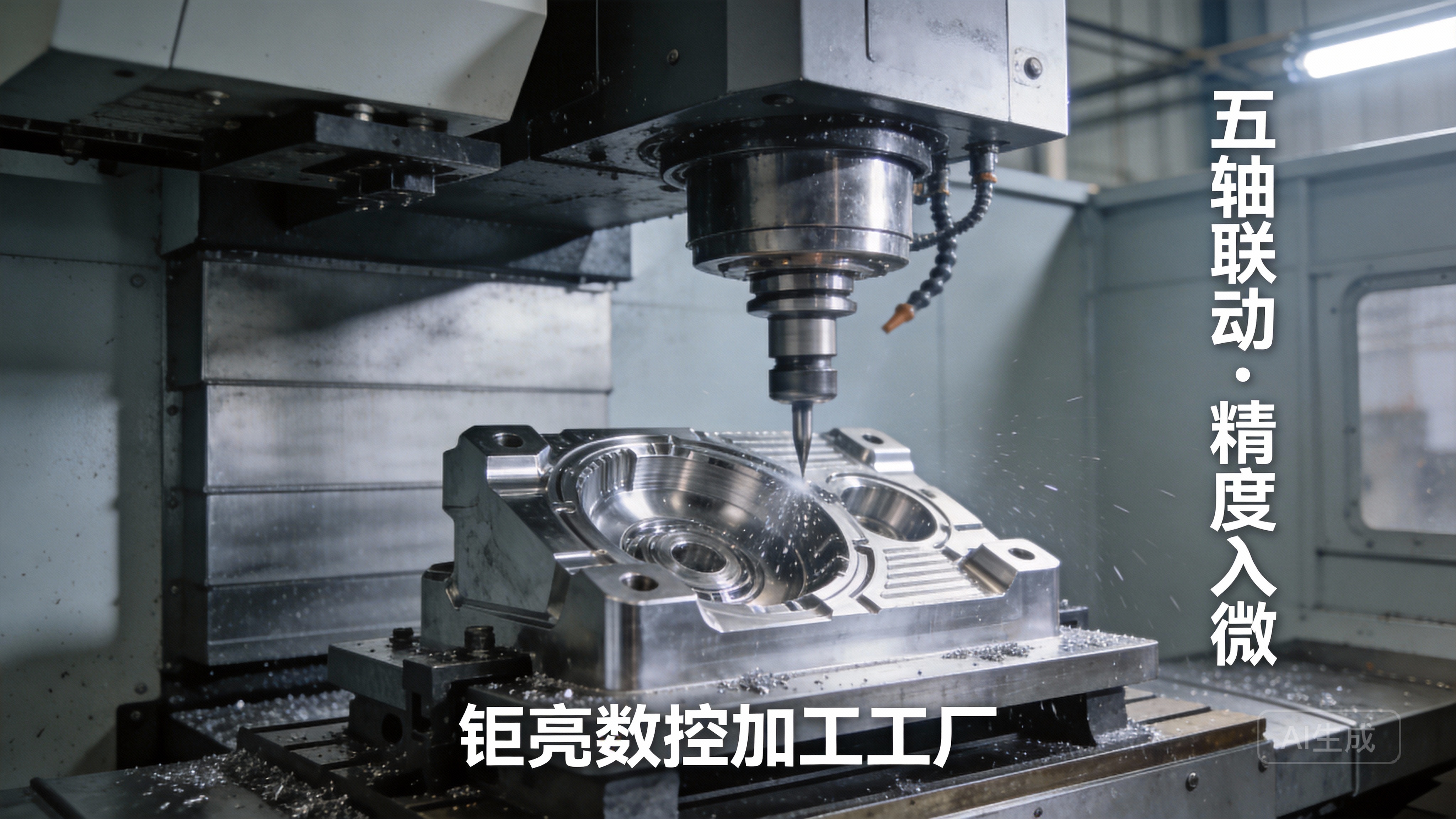
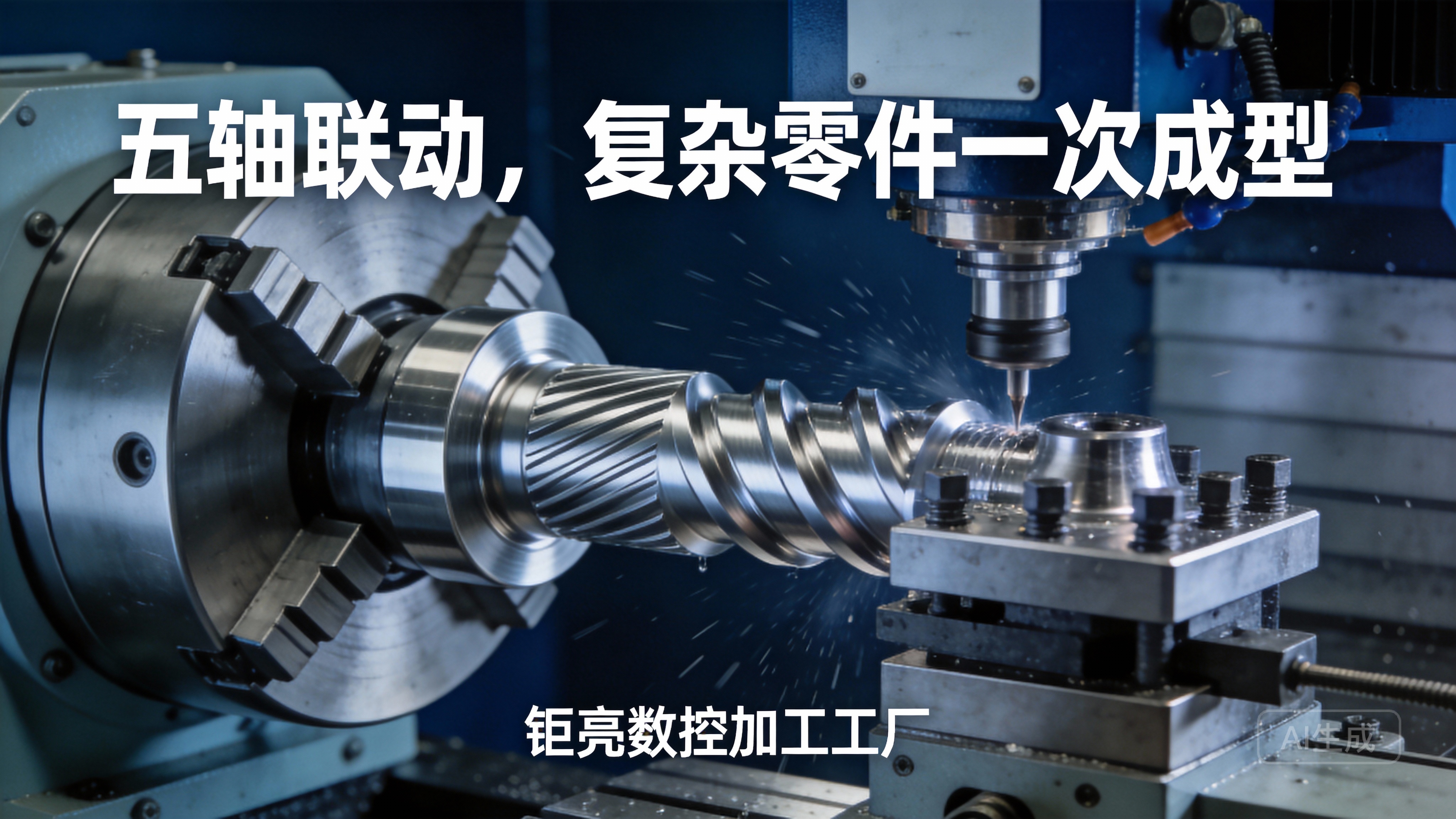
GreatLight is a leading five-axis CNC machining manufacturer with over 12 years of experience, specializing in solving metal parts manufacturing challenges. Unlike upgraded Avid CNC machines, GreatLight offers:
Unrivaled precision: Capable of machining to ±0.001mm, far beyond the reach of most hobbyist machines. This is critical for medical implants, automotive engine components, and aerospace parts where even micro-deviations can cause failure.
Full process chain integration: From design validation to post-processing (anodizing, plating, polishing, and more), GreatLight provides one-stop services, eliminating the need to coordinate with multiple vendors.
Broad material compatibility: Processes over 50 materials, including titanium alloy, mold steel, and high-temperature plastics that are too tough for entry-level CNC machines.
Rigorous quality control: As an ISO 9001:2015 certified manufacturer, GreatLight uses in-house CMM (Coordinate Measuring Machine) and non-destructive testing equipment to ensure every part meets your specifications.
To put the difference in perspective, compare upgraded Avid CNC capabilities with GreatLight’s professional services:
| Feature | Upgraded Avid CNC | GreatLight CNC Machining |
|---|---|---|
| Maximum Precision | ±0.01mm (typical) | ±0.001mm |
| Max Part Size | ~1500mm (model-dependent) | 4000mm |
| Material Range | 10-15 common metals/plastics | 50+ materials (titanium, mold steel, etc.) |
| Post-Processing | External vendors required | One-stop in-house services |
| Quality Control | User-dependent manual inspection | ISO 9001 certified, automated testing |
| Scalability | Small batches (1-20 parts) | Prototyping to mass production (10,000+ parts) |
For projects where rigidity and precision cannot be compromised, GreatLight’s five-axis CNC machining services (opening in a new window) leverage state-of-the-art equipment and decades of engineering expertise to deliver consistent, high-quality results.
Conclusion
In the end, knowing How To Make Avid CNC More Rigid For Machining? empowers you to get more out of your machine for everyday prototyping and small-scale production. DIY upgrades are a cost-effective way to address basic rigidity gaps, and they’re ideal for hobbyists and small shops with limited budgets. However, when your projects demand uncompromising precision, complex geometries, or large-scale consistency, partnering with a trusted provider like GreatLight CNC Machining Factory is the best choice. With ISO certifications, a full-process chain, and a guarantee of free rework for quality issues (or a full refund if rework is unsatisfactory), GreatLight ensures your parts meet the highest industry standards every time. To learn more about their capabilities and client success stories, visit their official page on LinkedIn (opening in a new window).
Frequently Asked Questions (FAQ)
Q1: Will upgrading my Avid CNC’s rigidity increase tool life?
Yes. Reduced vibration and deflection mean tools experience less stress and wear. Rigid setups allow for more consistent cutting forces, which can extend tool life by 20-40% depending on the material and operation. For example, milling aluminum with a rigid setup can double the lifespan of a 10mm end mill.
Q2: How long does it take to perform common rigidity upgrades on an Avid CNC?
Basic upgrades like tightening frame bolts and installing cross braces can take 4-8 hours. More complex mods, such as replacing lead screws with ball screws or filling frame tubes with epoxy, may take 1-2 full days, depending on your skill level and access to tools.
Q3: Can GreatLight handle parts that my modified Avid CNC can’t?
Absolutely. GreatLight’s five-axis machining centers can process parts up to 4000mm in size, achieve ±0.001mm precision, and work with high-performance materials like titanium alloy and mold steel that are too demanding for entry-level CNC machines. Additionally, their one-stop post-processing services eliminate the need for external vendors.
Q4: What quality guarantees does GreatLight offer for custom parts?
GreatLight provides a comprehensive after-sales guarantee: free rework for any quality issues that don’t meet your design specifications, and a full refund if rework still doesn’t satisfy your requirements. All parts undergo rigorous inspection using in-house CMM and testing equipment, aligned with ISO 9001:2015 standards.
Q5: Does GreatLight support small-batch production as well as large-scale runs?
Yes. GreatLight specializes in both rapid prototyping (batches of 1-10 parts with 3-5 day lead times) and high-volume production runs (10,000+ parts). Their three wholly-owned manufacturing plants and 127+ precision machines allow them to scale production quickly while maintaining consistent quality.



















