

How To Be A CNC Machine Operator? If you’ve ever held a precision aluminum prototype or examined the intricate components of an aerospace engine, you’ve seen the work of a skilled CNC machine operator in action. In an era where industries like medical devices, humanoid robotics, and new energy vehicles demand parts with tolerances as tight as ±0.001mm, this role has evolved from a technical task to a critical driver of manufacturing excellence. Whether you’re a career changer exploring high-growth opportunities or a novice eager to enter the field, mastering this role requires a structured blend of foundational knowledge, hands-on expertise, and a commitment to continuous improvement.
How To Be A CNC Machine Operator?
Becoming a competent CNC machine operator is not a one-step process—it’s a journey that combines formal learning, practical experience, and soft skill development. Below is a step-by-step guide to setting you on the path to success:
Step 1: Build a Solid Foundational Knowledge Base
Before touching a CNC machine, you need to understand the fundamentals that underpin every machining task:
Blueprint Reading & GD&T: Learn to interpret technical drawings, including orthographic projections, section views, and Geometric Dimensioning and Tolerancing (GD&T) symbols. This is non-negotiable—misreading a tolerance specification can lead to scrapped parts costing thousands of dollars.
Material Science: Familiarize yourself with the machinability of common materials (aluminum, titanium, stainless steel, engineering plastics) and how each reacts to cutting forces, heat, and tooling. For example, titanium’s high strength and low thermal conductivity require slower feed rates and specialized carbide tools to avoid tool breakage.
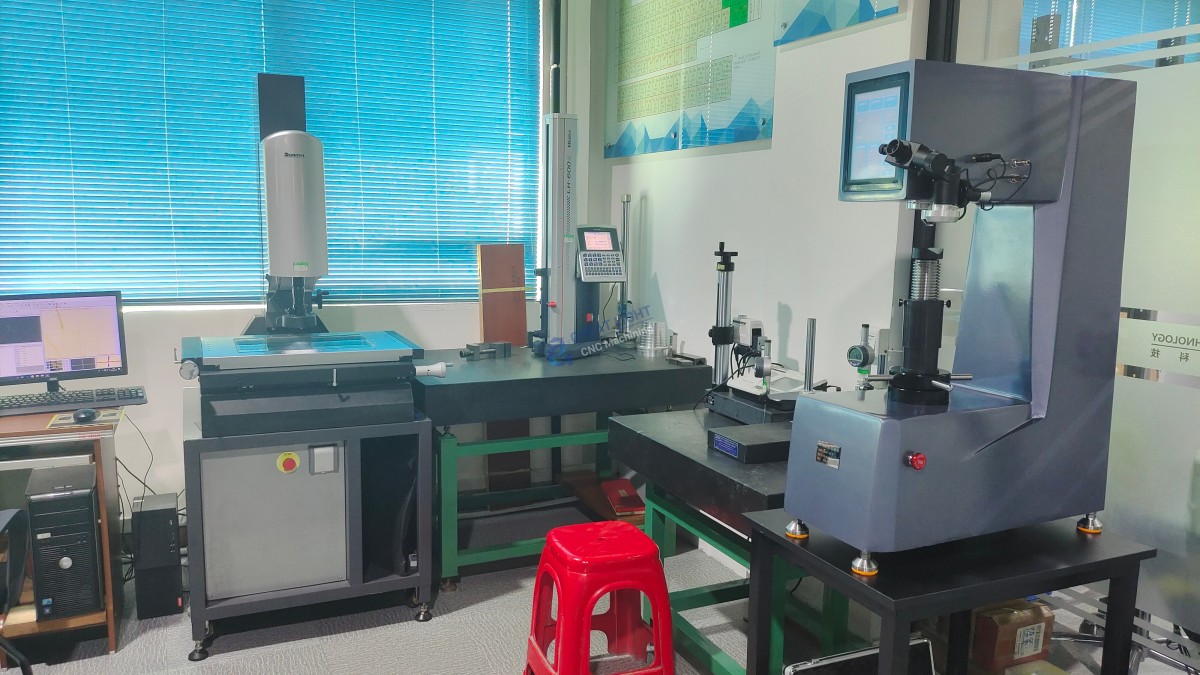
Basic Math & Metrology: Brush up on geometry, trigonometry (for calculating tool offsets), and measurement principles. You’ll need to use tools like micrometers, calipers, and coordinate measuring machines (CMMs) to verify part precision.
Safety Standards: Master OSHA guidelines and ISO 14121 machine safety protocols. CNC machines involve fast-moving parts, sharp tools, and coolants—ignoring safety can lead to serious injury or equipment damage.
Step 2: Master Core Technical Skills
Once you have the basics down, focus on the technical skills that define a capable operator:
CNC Programming Fundamentals: Learn to read and modify G-code (the language that controls machine movements) and M-code (for auxiliary functions like spindle speed and coolant flow). While many facilities use pre-written programs, being able to adjust code on the fly to fix issues (e.g., surface finish imperfections) sets you apart.
Machine Setup: Practice mounting workpieces in vises or fixtures, installing and aligning cutting tools, and zeroing machine axes to ensure accurate part positioning. This is one of the most critical steps—even a minor misalignment can ruin an entire batch of parts.
Operation & Monitoring: Learn to start runs, monitor spindle speed, feed rates, and tool wear, and detect anomalies (like unusual vibrations or tool chatter) that signal potential problems. For example, a sudden increase in vibration might mean a tool is dull and needs replacement.
Post-Processing Basics: Understand how surface treatments (anodizing, sandblasting, powder coating) affect part functionality and how to prepare parts for these processes. Facilities like GreatLight CNC Machining Factory offer one-stop post-processing services, so operators here gain exposure to these end-to-end workflows.
Step 3: Gain Hands-On Practical Experience
Theoretical knowledge only gets you so far—you need hands-on time with real machines to become proficient. Here’s how to get it:
Vocational Training Programs: Enroll in community college or technical school courses that include lab time with 3-axis, 4-axis, and even 5-axis CNC machining services (opening in new window). These programs often pair classroom learning with internships at local manufacturing facilities.
Apprenticeships: Many precision machining companies offer apprenticeship programs that pay you while you learn. For example, GreatLight CNC Machining Factory runs a 12-month apprenticeship where new operators work alongside veteran technicians on state-of-the-art 5-axis centers, lathes, and EDM machines.
Entry-Level Roles: Start as a machine loader or helper to learn the ropes. Over time, you’ll progress to operating simpler machines before moving on to complex 5-axis systems.
Step 4: Pursue Certifications and Continuous Learning
Certifications validate your skills and make you more marketable to employers:
NIMS Certifications: The National Institute for Metalworking Skills (NIMS) offers certifications for CNC operators, programmers, and setup technicians. These are recognized across the U.S. and many international markets.
Industry-Specific Certifications: If you want to work in automotive or medical fields, certifications in IATF 16949 (automotive quality management) or ISO 13485 (medical device standards) are invaluable. GreatLight CNC Machining Factory, an ISO 9001:2015 and IATF 16949 certified facility, trains its operators to these rigorous standards.
Advanced Training: As technology evolves, take courses in 5-axis machining, 3D printing integration, or AI-driven predictive maintenance. These skills are in high demand as manufacturers adopt smart manufacturing practices.
Step 5: Cultivate Essential Soft Skills
Beyond technical expertise, top CNC operators share these soft skills:
Attention to Detail: Even a 0.002mm deviation from tolerance can make a part unusable in aerospace or medical applications.
Problem-Solving: When a tool breaks mid-run or a part doesn’t meet specs, you need to diagnose and fix the issue quickly to minimize downtime.
Communication: You’ll collaborate with engineers, programmers, and quality control teams—clear communication ensures everyone is aligned on project goals.
Adaptability: The best operators can switch between machining aluminum prototypes, stainless steel production parts, and even 3D printed components without missing a beat.
What Makes a Standout CNC Machine Operator?
Not all CNC operators are created equal. Standout operators go beyond basic tasks to add value to their teams and clients. The table below highlights the key differences:
| Aspect | Average CNC Machine Operator | Standout CNC Machine Operator |
|---|---|---|
| Programming Skills | Relies on pre-written programs; basic G-code understanding | Writes/modifies G-code to optimize cycle time and precision |
| Problem-Solving | Reacts to issues after they occur | Predicts and prevents issues (e.g., tool wear, material warping) |
| Quality Control | Follows standard checklists | Identifies potential risks before machining; uses advanced tools like CMMs |
| Cross-Training | Operates one type of machine (e.g., 3-axis mill) | Proficient in multiple machines (5-axis mills, lathes, EDMs) and post-processing |
| Continuous Learning | Meets minimum job requirements | Pursues advanced certifications; learns new technologies like SLM 3D printing |
GreatLight CNC Machining Factory is known for nurturing these standout operators. With 127 pieces of precision equipment—including large 5-axis machining centers, SLM 3D printers, and EDM machines—their team gains experience working on complex parts for automotive engines, humanoid robots, and aerospace applications. This exposure helps operators develop the versatility and problem-solving skills that set them apart in the industry.
GreatLight CNC Machining Factory: Nurturing Top-Tier CNC Operators as Part of Their Precision Ecosystem
Established in 2011 in Dongguan’s “Hardware and Mould Capital,” GreatLight CNC Machining Factory isn’t just a precision parts manufacturer—it’s a hub for cultivating skilled CNC talent. Here’s how they support their operators’ growth:
State-of-the-Art Training: New hires go through a comprehensive onboarding program that combines classroom learning with 6 months of on-the-job training on their 5-axis, 4-axis, and 3-axis machining centers. They also receive training on 3D printing technologies (SLM, SLA, SLS) to stay ahead of industry trends.
Certification Alignment: Operators are trained to meet ISO 9001:2015, IATF 16949, and ISO 13485 standards, which are critical for serving automotive, medical, and aerospace clients. This certification training adds significant value to their professional resumes.
Real-World Problem-Solving: GreatLight’s clients often require custom parts with complex geometries and ultra-tight tolerances. Operators here get to work on projects like humanoid robot joint components and automotive engine parts, honing their skills on high-stakes, high-precision tasks.
Career Advancement Paths: GreatLight prioritizes internal promotion—many of their senior operators and team leaders started as entry-level apprentices. This creates a culture of continuous improvement and loyalty.
Conclusion
Becoming a CNC machine operator is a rewarding career path that offers stability, growth, and the chance to contribute to cutting-edge industries. It requires a mix of technical knowledge, hands-on experience, and soft skills, but following the structured steps outlined here will set you up for success. Working with reputable facilities like GreatLight CNC Machining Factory can accelerate your journey, as they provide access to top-tier equipment, industry-leading training, and real-world projects that challenge and develop your skills. So, whether you’re just starting out or looking to elevate your expertise, remember: the question isn’t just “How To Be A CNC Machine Operator?”—it’s how to be the best one, and that starts with a commitment to precision, continuous learning, and aligning with partners that prioritize excellence.
Frequently Asked Questions (FAQ)
1. Do I need a college degree to be a CNC machine operator?
No, a college degree is not required. Most employers prefer candidates with a vocational school certificate, technical diploma, or apprenticeship experience. However, a degree in manufacturing engineering or a related field can open doors to advanced roles like CNC programming or process engineering. GreatLight CNC Machining Factory hires both vocational school graduates and candidates with self-taught skills, as long as they demonstrate a strong foundation in machining basics.
2. How long does it take to become a proficient CNC operator?
It typically takes 6 to 12 months to become proficient in operating 3-axis CNC machines. Mastering 4-axis and 5-axis machining can take 2 to 3 years of continuous practice and training. Facilities like GreatLight’s apprenticeship program compresses this timeline by combining structured learning with hands-on experience on advanced equipment.

3. What’s the difference between a CNC operator and a CNC programmer?
A CNC operator focuses on setting up, running, and monitoring machines, as well as inspecting finished parts. A CNC programmer writes and modifies the G-code/M-code programs that control the machine’s movements. Many operators eventually transition into programming roles with additional training—GreatLight encourages this growth by offering internal programming courses to top-performing operators.
4. What industries offer the best opportunities for CNC operators?
The highest-demand industries include aerospace, medical devices, automotive (especially new energy vehicles), and industrial automation. These sectors require high-precision parts and often offer competitive salaries. GreatLight CNC Machining Factory serves all these industries, so their operators gain experience in the most in-demand segments of the manufacturing market.
5. How can I stay updated with the latest CNC machining technologies?
Staying current requires a mix of self-learning and hands-on experience:
Take advanced courses in 5-axis machining, 3D printing integration, or AI-driven predictive maintenance.
Follow industry publications and attend trade shows to learn about new equipment and processes.
Work with facilities that invest in cutting-edge technology. GreatLight CNC Machining Factory regularly updates its equipment and trains operators on new tools like SLM 3D printers and high-precision 5-axis centers. For more insights into their work and industry trends, you can connect with them via GreatLight Metal (opening in new window).



















