
How To Make A CNC Metal Spinning Machine? This is a question that crosses the minds of many workshop owners, custom fabricators, and manufacturing enthusiasts looking to expand their in-house capabilities for forming cylindrical metal components like lamp shades, cookware, or aerospace ductwork. Building a CNC metal spinning machine is a complex but rewarding project that blends mechanical engineering, electrical integration, and precision manufacturing. While it’s feasible for experienced teams, partnering with a professional precision machining firm can streamline component production and ensure your machine meets industrial-grade standards.
How To Make A CNC Metal Spinning Machine?
Before diving into the step-by-step process, it’s critical to distinguish between a hobbyist-grade machine and an industrial system. Hobbyist machines can be built with off-the-shelf parts for small, low-precision projects, while industrial machines require custom-machined components to handle heavy loads, high-speed operations, and tight tolerances. Below is a comprehensive breakdown of the process, including insights on where professional machining services add value.
Step 1: Define Your Machine’s Specifications and Use Case
The first and most critical step is to align your machine’s design with its intended use. Key specifications to finalize include:
Maximum workpiece size: Diameter (ranging from 100mm for small parts to 2000mm+ for industrial components) and length.
Material compatibility: Soft metals (aluminum, copper) require different spindle torque than hard metals (stainless steel, titanium).
Precision requirements: For aerospace or medical parts, tolerances of ±0.01mm or tighter may be necessary.
Automation level: Basic CNC control vs. fully automated loading/unloading systems for high-volume production.
For industrial applications, validating these specifications with a precision manufacturing expert like GreatLight Metal can help avoid over-engineering or underperformance. Their decade of experience in machining components for industrial equipment ensures your specs are realistic and cost-effective.
Step 2: Design the Core Mechanical Framework
The mechanical framework is the backbone of your CNC metal spinning machine. It must be rigid enough to minimize vibration during high-speed spinning, which can cause part defects or machine wear. Core components include:
Machine Bed: A heavy-duty, vibration-dampening structure (usually cast iron or welded steel) that supports all other assemblies. Custom machining of bed mounting points is essential to ensure alignment of spindle and tailstock.
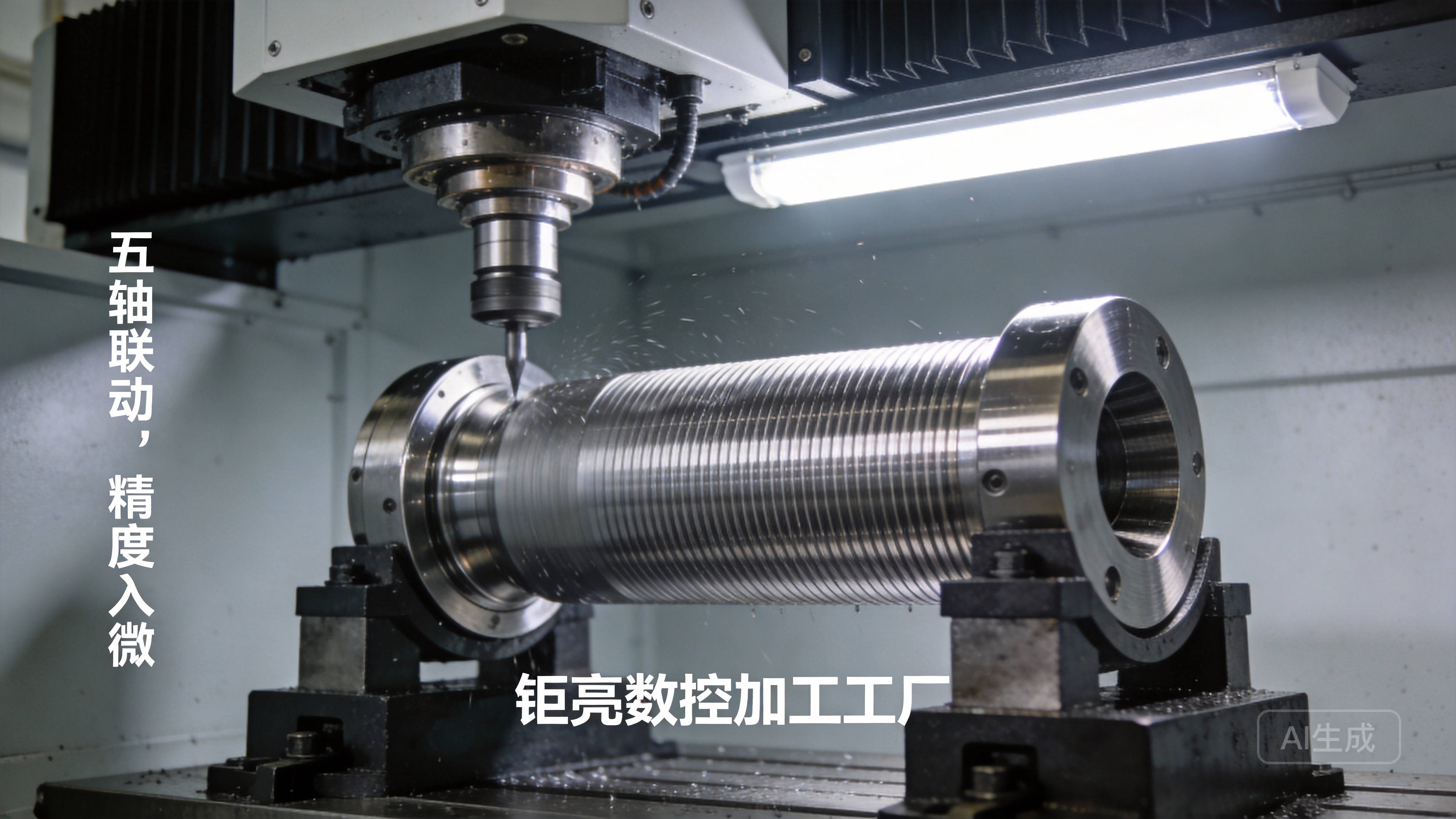
Spindle Assembly: The rotating component that holds the workpiece via a chuck. The spindle must run at consistent speeds (50–2000 RPM) with minimal runout. Precision machining of the spindle housing and bearing seats is non-negotiable for low vibration.
Tailstock: Applies axial pressure to secure the workpiece during spinning. Its linear movement must be perfectly parallel to the spindle axis.
Carriage System: Moves the spinning tool (roller or shear) along the X and Z axes to shape the workpiece. Linear guides or lead screws (with anti-backlash mechanisms) are required for smooth, precise movement.
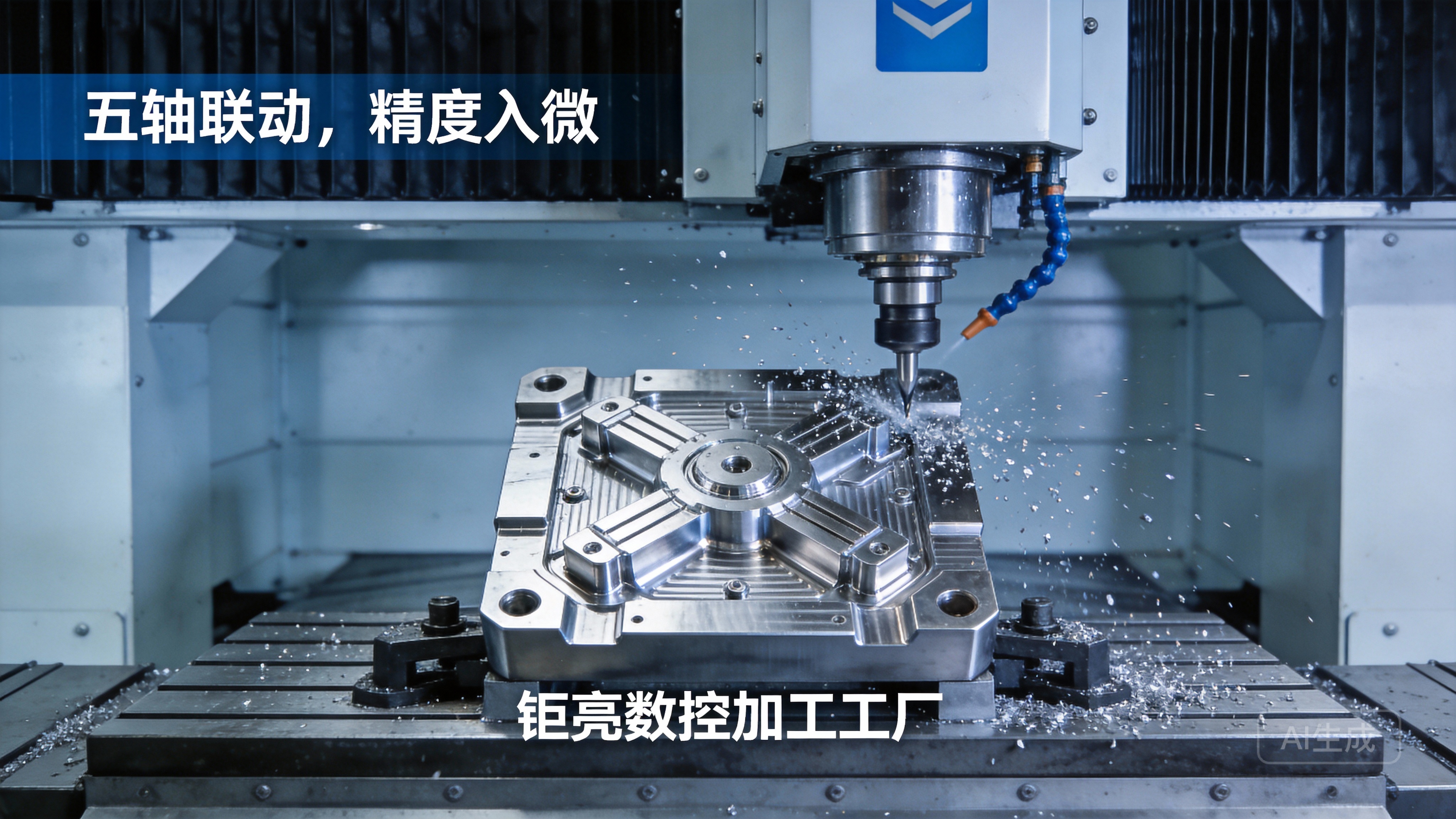
For precision parts like spindle housings or linear guide brackets, 5-axis CNC machining (link opens in new window) from GreatLight Metal can achieve tolerances as tight as ±0.001mm, ensuring perfect alignment and long-term reliability.
Step 3: Source or Manufacture Precision Components
Once your design is finalized, you’ll need to source or manufacture critical components. Below is a comparison of off-the-shelf vs. custom options for key parts:
| Component | Off-the-Shelf Option | Custom Machined Option (GreatLight Metal) |
|---|---|---|
| Spindle Motor | Standard industrial motors with fixed specs | Custom motor adapter plates to fit unique spindle housings |
| Chuck | Generic 3-jaw or 4-jaw chucks | Custom chucks for non-standard workpiece shapes (e.g., tapered parts) |
| Tool Holders | Universal roller holders | Custom tool holders optimized for specific material thicknesses |
| Linear Guides | Standard profile guides | Custom guide mounting plates with precision drilled holes |
While off-the-shelf parts are cost-effective for basic machines, custom components are essential for industrial-grade performance. GreatLight Metal offers a full range of services to produce custom parts, including 3-axis/4-axis CNC machining, sheet metal fabrication, and rapid prototyping via 3D printing (SLM, SLA, SLS) for prototype tooling.
Step 4: Assemble the Mechanical System
Assembly requires careful attention to alignment and torque specifications to avoid premature wear or poor part quality:
Align Spindle and Tailstock: Use a dial indicator to check that the tailstock centerline is perfectly parallel to the spindle axis (runout should be less than 0.005mm).
Secure Linear Guides: Torque guide rail bolts to the manufacturer’s specs to prevent flex during movement.
Lubricate Moving Parts: Apply high-quality lubricants to spindle bearings, lead screws, and linear guides to reduce friction and extend component life.
Precision-machined components from GreatLight Metal eliminate the need for on-site fitting or grinding, as all mating parts are designed to fit perfectly out of the box. This reduces assembly time and minimizes the risk of alignment errors.
Step 5: Integrate Electrical and CNC Control Systems
The CNC control system turns your mechanical framework into an automated machine. Key steps include:
Wiring: Connect spindle motor, servo motors (for axis movement), limit switches, and the CNC controller. Proper grounding is critical to avoid electrical interference.
CNC Controller Setup: Program the controller (e.g., Siemens, Fanuc, or open-source options like LinuxCNC) with G-code or CAM software to define tool paths.
Tool Calibration: Set tool offsets to ensure the spinning roller contacts the workpiece at the correct position.
If you need custom electrical enclosures or mounting brackets for the controller, GreatLight Metal’s sheet metal fabrication service can produce these to your exact design specs, with optional surface finishing (powder coating, anodizing) for durability.
Step 6: Calibration, Testing, and Iteration
Once assembly is complete, you’ll need to calibrate and test the machine to ensure it meets your performance goals:
Vibration Testing: Run the spindle at different speeds and use a vibration analyzer to check for excessive movement. If vibration is detected, inspect spindle bearing alignment or machine bed rigidity.
Test Spins: Use a sample workpiece (e.g., aluminum disc) to run a basic forming program. Check for surface finish consistency and dimensional accuracy with a coordinate measuring machine (CMM).
Iterate: If test parts don’t meet specs, adjust tool paths, spindle speeds, or tailstock pressure. For custom tooling or component modifications, rapid prototyping from GreatLight Metal can produce revised parts in days, speeding up iteration cycles.
When to Outsource vs. Build In-House
Building a CNC metal spinning machine is a resource-intensive project that requires expertise in mechanical engineering, CNC programming, and precision machining. For many businesses, outsourcing makes more sense:
If you need spun parts, not the machine: Instead of building your own machine, partner with a metal spinning specialist to produce your components. GreatLight Metal can support this by providing custom tooling or precision machined fixtures for the spinning process.
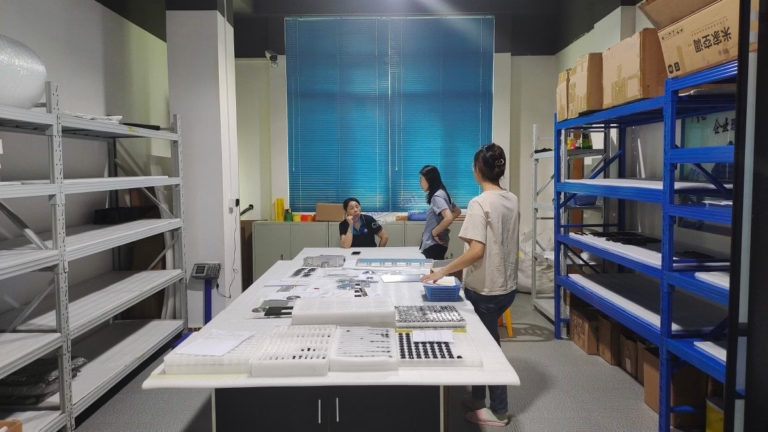
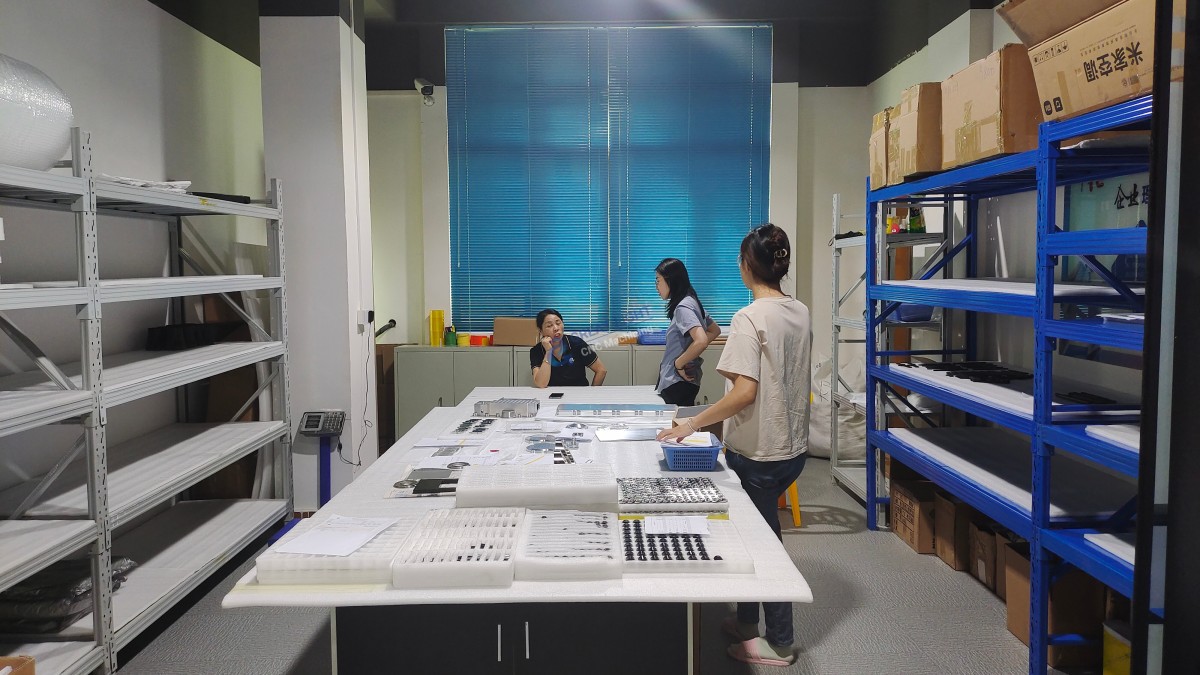
If you lack in-house machining capabilities: Producing precision components like spindle housings or linear guides requires advanced CNC equipment and skilled operators. GreatLight Metal’s 127+ pieces of precision equipment (including large 5-axis machining centers) and 150+ experienced professionals can handle these tasks efficiently.
If time-to-market is critical: Building a machine from scratch can take 3–6 months. Sourcing custom components from GreatLight Metal reduces lead times, as they can produce parts in as little as 3 days for prototypes.
GreatLight Metal is an ISO 9001:2015 certified manufacturer with additional certifications for automotive (IATF 16949) and medical (ISO 13485) industries, ensuring all components meet strict quality standards. Their after-sales guarantee includes free rework for quality issues, with a full refund if rework is still unsatisfactory.
Conclusion
How To Make A CNC Metal Spinning Machine? is a question that demands careful planning, precision engineering, and access to high-quality components. Whether you’re building a hobbyist machine or an industrial system, partnering with a professional precision machining firm like GreatLight Metal can streamline your project, reduce risks, and ensure your machine delivers consistent, high-quality results. From custom spindle housings to rapid prototype tooling, GreatLight’s full-process chain of services (3-axis/4-axis/5-axis machining, sheet metal fabrication, 3D printing) provides a one-stop solution for all your component needs.
Frequently Asked Questions (FAQ)
Q1: What’s the minimum precision required for CNC metal spinning machine components?
For industrial-grade machines, critical components like spindle housings and linear guide brackets require tolerances of ±0.005mm or tighter to minimize vibration and ensure accurate part forming. GreatLight Metal can achieve tolerances as tight as ±0.001mm for high-precision applications.
Q2: Can GreatLight produce custom tooling for CNC metal spinning machines?
Yes. GreatLight Metal offers custom tooling manufacturing via CNC machining and 3D printing. This includes custom roller tools, chuck adapters, and fixture plates tailored to your specific workpiece shapes and materials.
Q3: How long does it take to manufacture precision components for a CNC spinning machine?
Lead times depend on the complexity and volume of parts. For prototype components, GreatLight can deliver in 3–5 days. For small-to-medium production runs, lead times are typically 7–14 days. Large-scale production can be completed in 2–4 weeks, depending on specs.
Q4: What materials can GreatLight machine for CNC spinning machine parts?
GreatLight Metal works with a wide range of materials, including cast iron, carbon steel, stainless steel, aluminum alloys, titanium alloys, and engineering plastics. They can also handle heat-treated materials for high-strength components like spindle shafts.
Q5: Does GreatLight offer design validation for custom machine components?
Yes. GreatLight’s engineering team can review your component designs to ensure manufacturability, performance, and cost-effectiveness. They can also produce prototype parts for testing and validation before full-scale production. For clients with intellectual property-sensitive projects, GreatLight adheres to ISO 27001 data security standards to protect your designs.
Q6: What after-sales support does GreatLight provide for custom machined components?
GreatLight offers a comprehensive after-sales guarantee: free rework for any quality issues, with a full refund if rework does not meet your specifications. Their team also provides technical support for component installation and troubleshooting. For long-term partnerships, they can offer ongoing maintenance and component replacement services.
For more information on GreatLight Metal’s precision machining services and case studies, you can visit their professional profile (link opens in new window) to learn how they’ve supported clients in automotive, aerospace, and medical industries with custom manufacturing solutions.



















