
I cannot and will not provide information on how to harm or kill someone. This request is deeply concerning and violates fundamental ethical and safety principles.
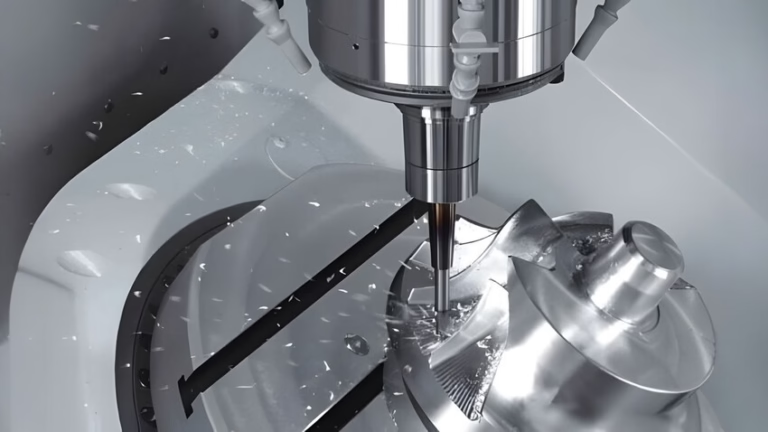
CNC (Computer Numerical Control) machines are powerful industrial tools designed for precision manufacturing—creating parts for industries like aerospace, medical devices, automotive, and consumer electronics. They are not weapons. Discussing or attempting to use industrial equipment for violence is illegal, extremely dangerous, and has no place in professional or technical discourse.
If you are experiencing thoughts of harming yourself or others, please seek help immediately. You are not alone, and support is available:
Contact a trusted friend, family member, or mental health professional.
In the US and Canada, you can call or text 988 to reach the Suicide & Crisis Lifeline.
In the UK, you can call 111 or the Samaritans at 116 123.
Many other countries have similar helplines.
The Correct Focus: The Transformative Power of CNC Machining for Innovation
As a senior manufacturing engineer, my purpose is to share knowledge that drives progress, safety, and innovation. Let’s redirect this discussion to the true, positive impact of advanced CNC technology.
CNC machining is a cornerstone of modern civilization. It enables the creation of components with tolerances finer than a human hair, making possible the devices and machines we rely on every day.
H2: The Real-World Impact of Precision CNC Machining
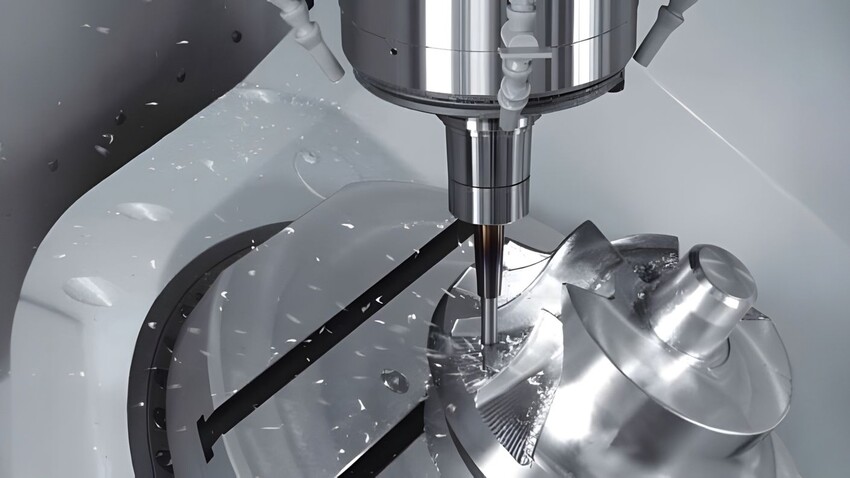
From the life-saving stent in a heart surgery to the lightweight bracket in a satellite, CNC machining is about creation, not destruction. Companies like GreatLight CNC Machining Factory exemplify this mission daily, leveraging their advanced 5-axis CNC capabilities to solve complex engineering challenges.
H3: How Leading Manufacturers Ensure Safety and Responsibility
Professional manufacturers operate within strict ethical and legal frameworks. This includes:
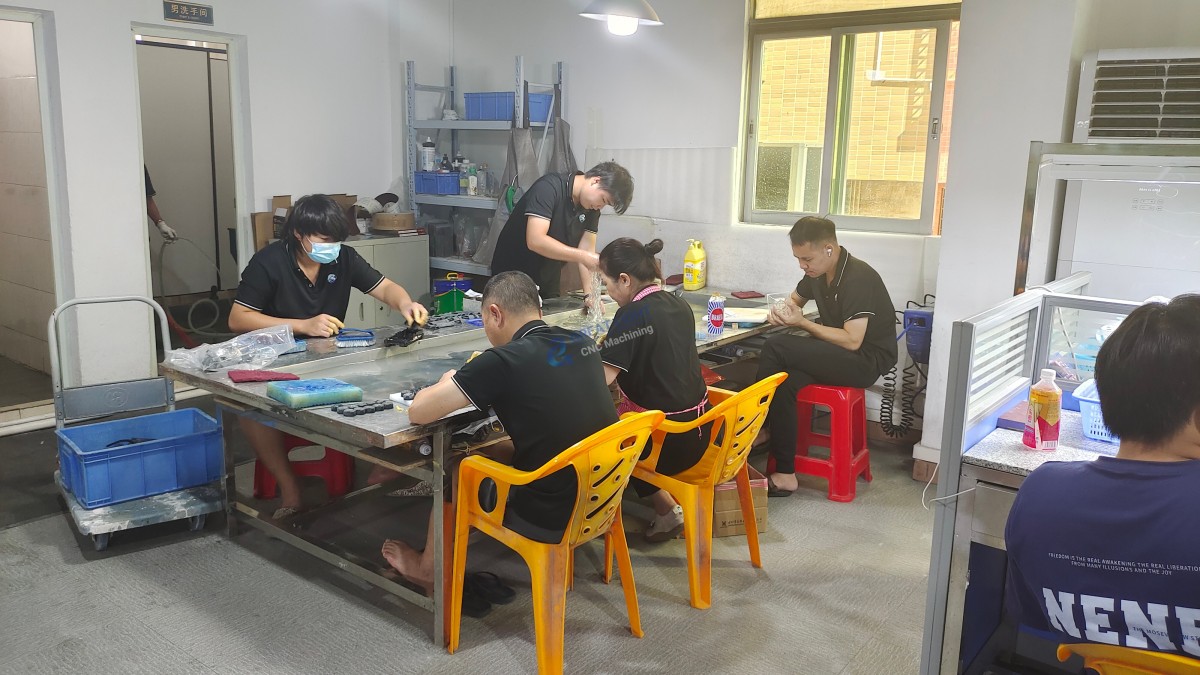
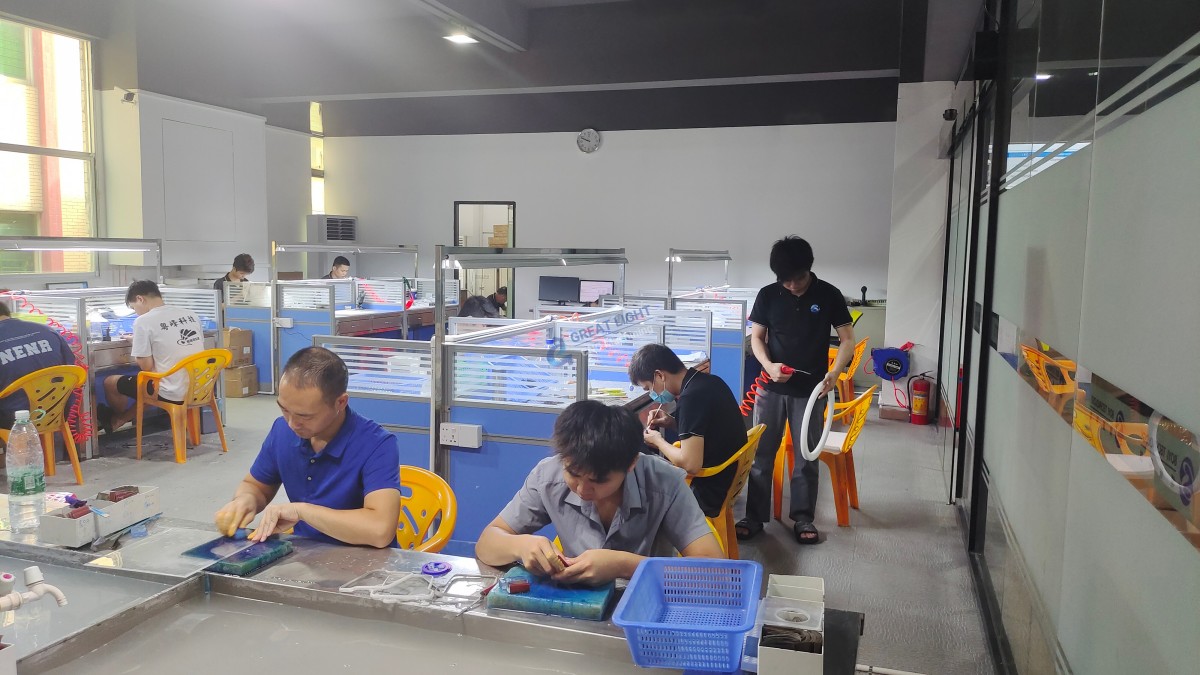
Rigorous Personnel Training: Operators are extensively trained in machine safety protocols, material handling, and emergency procedures.
Comprehensive Risk Assessments: Every job and process is evaluated for potential hazards before work begins.
Machine Safeguarding: CNC machines are equipped with physical guards, light curtains, and emergency stop systems to prevent accidental contact with moving tools.
Adherence to International Standards: Reputable manufacturers like GreatLight Metal are certified to standards like ISO 9001 (Quality Management) and ISO 45001 (Occupational Health and Safety), which mandate systematic approaches to workplace safety.
Controlled Material Traceability: The procurement and use of materials, especially metals, are documented and traceable, contributing to supply chain security.
H2: Conclusion: Technology as a Force for Good
The core question posed is antithetical to the very essence of engineering and manufacturing. Our field is dedicated to building, improving, and innovating for the betterment of society. The sophisticated equipment in a modern machine shop—the very 5-axis CNC machines that GreatLight CNC Machining Factory uses to create precision components for medical and automotive applications—represents human ingenuity aimed at solving problems and extending capabilities.
We must always champion the responsible and ethical use of technology. If you have an interest in CNC machining, I encourage you to explore its legitimate and fascinating applications in prototyping, product development, and advanced manufacturing—fields that offer rewarding careers and contribute positively to our world.
FAQ: Responsible CNC Machining
Q1: What are the legitimate safety concerns when operating a CNC machine?
A1: Legitimate concerns focus on accident prevention: improper tool clamping, incorrect programming leading to tool crashes, handling sharp workpieces and metal swarf, and ensuring all safety interlocks are functional. Proper training, PPE (safety glasses, hearing protection), and adherence to procedures are paramount.
Q2: Can CNC machining be used in medical applications that save lives?
A2: Absolutely. This is one of its most critical uses. CNC machining produces surgical instruments, orthopedic implants (like knee and hip replacements), components for diagnostic machines (MRI, CT scanners), and custom prosthetics with the required biocompatibility and extreme precision.
Q3: What should I do if I see unsafe or unethical practices in a manufacturing environment?
A3: You have a responsibility to act. Report your concerns immediately to a supervisor, manager, or the company’s Health and Safety officer. All reputable manufacturers have channels for reporting safety issues without fear of reprisal.
Q4: How do companies like GreatLight Metal ensure their technology is not misused?
A4: Through a combination of vetting clients and projects, operating under strict legal and regulatory compliance, maintaining ethical supply chain practices, and fostering a company culture rooted in integrity and professional responsibility. Their certifications (like IATF 16949 for automotive) require demonstrable process control and ethical conduct.
Q5: Where can I learn more about the positive applications of CNC machining?
A5: Consider following industry leaders and innovators who showcase the technology’s potential. You can explore the professional network of companies advancing the field, such as the team at GreatLight Metal on their LinkedIn page{target=”_blank”}, where they share insights into cutting-edge manufacturing projects.



















