
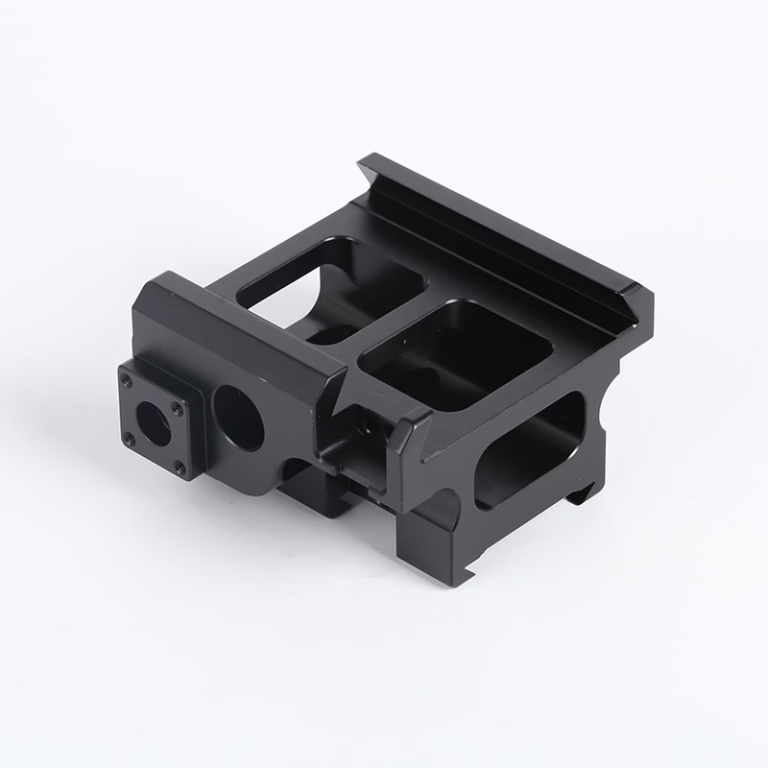
In the realm of precision parts manufacturing, the CNC (Computer Numerical Control) machine is the undisputed heart of production. Its ability to transform digital designs into physical reality with micron-level accuracy is what makes modern, complex hardware possible. However, the true magic doesn’t lie solely in the machine itself, but in the expertise of how to control CNC machine effectively. Mastery over this process separates simple part fabrication from the creation of high-performance, mission-critical components. As a senior manufacturing engineer, I’ve witnessed firsthand that effective control is a symphony of software, hardware knowledge, and meticulous process discipline.
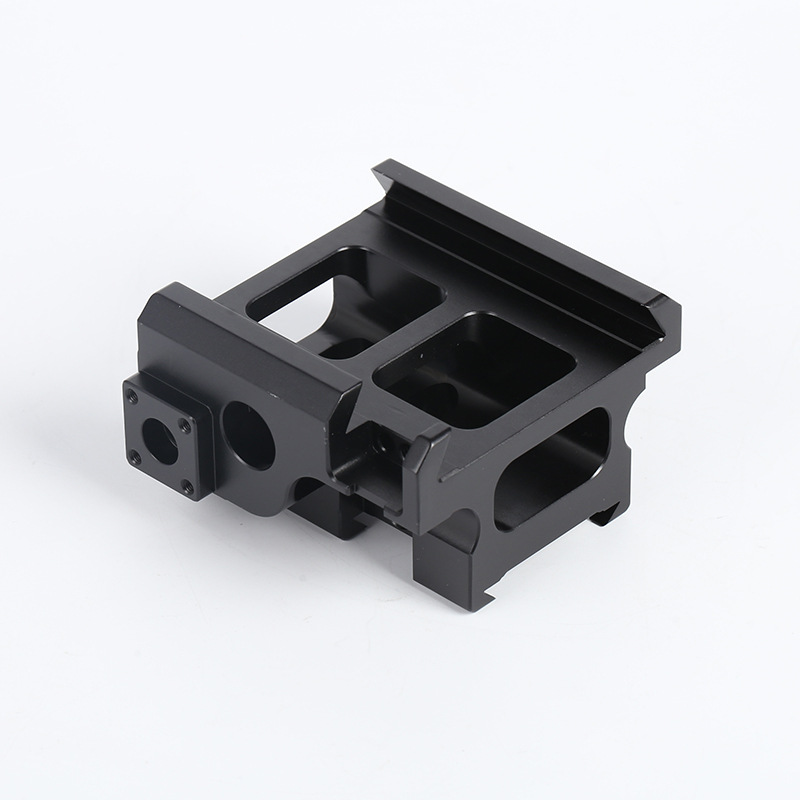
Demystifying CNC Control: More Than Just Buttons and Levers
Controlling a CNC machine is often misunderstood as merely pressing a cycle start button. In reality, it’s a comprehensive workflow that begins long before the machine spins up. It encompasses the entire journey from a 3D model to a finished, inspected part. This process can be broken down into three core phases: Preparation & Programming, Machine Setup & Verification, and Execution & Monitoring.
Phase 1: The Digital Foundation – CAD/CAM and Post-Processing
This is where control truly begins – on the computer.
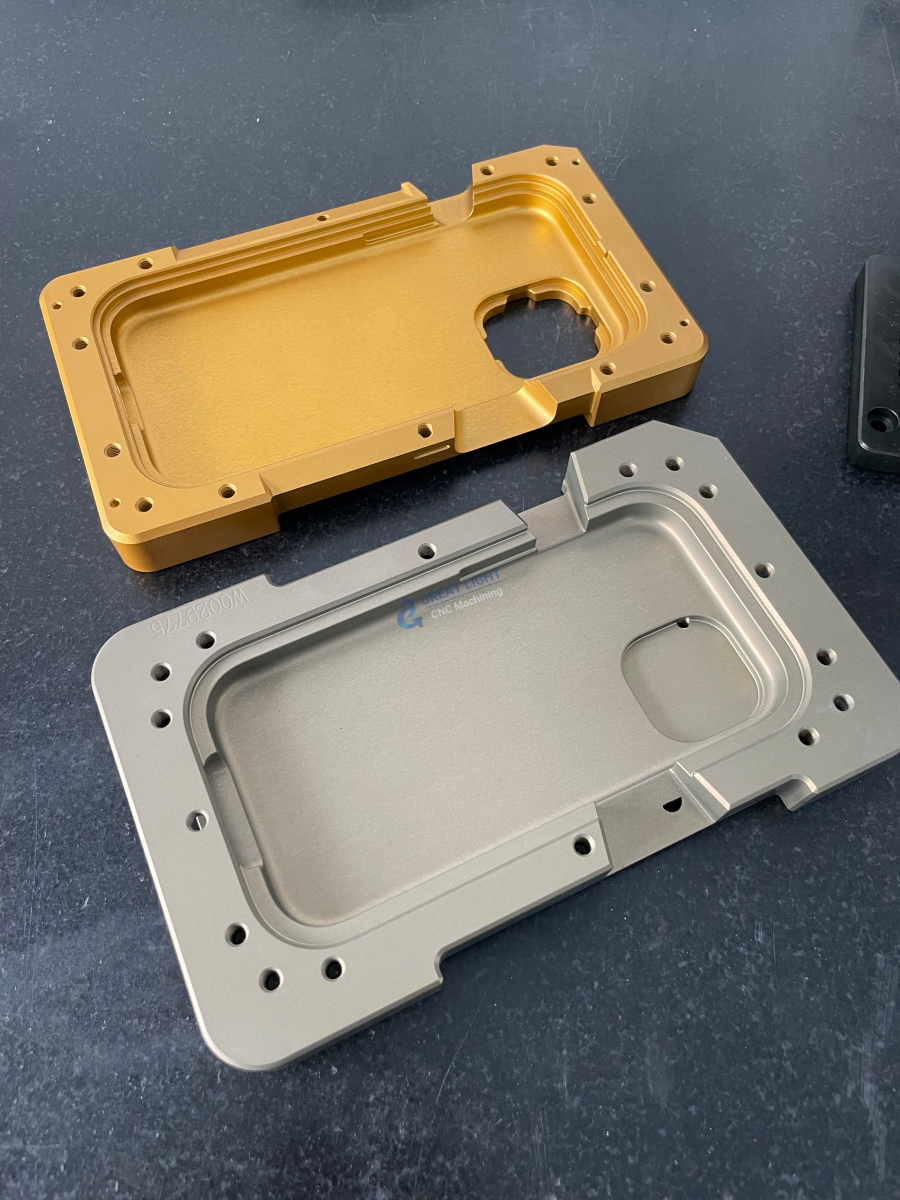
CAD Design: It all starts with a precise 3D Computer-Aided Design (CAD) model. The quality and accuracy of this model are paramount. Ambiguous geometry or poor modeling practices can lead to machining errors downstream.
CAM Programming: Using Computer-Aided Manufacturing (CAM) software, the engineer defines the toolpaths. This is the strategic layer of control, involving critical decisions:
Tool Selection: Choosing the correct end mill, drill, or turning tool based on material, feature size, and desired surface finish.
Cutting Parameters: Precisely calculating and setting spindle speeds (RPM), feed rates (IPM or MMPM), and depth of cut. This balances efficiency, tool life, and part quality.
Toolpath Strategy: Selecting the optimal milling strategy (e.g., contour parallel, radial, trochoidal milling) to ensure stability, minimize tool wear, and achieve the best surface finish.
Post-Processing: The CAM software generates a generic toolpath file. A post-processor—a machine-specific translator—converts this into G-code. This G-code is the machine’s literal “recipe,” containing every movement command (G01 for linear move, G02/G03 for circular interpolation), speed command (S word), and tool change command (M06). An incorrect or poorly configured post-processor is a common source of catastrophic machine crashes.
Phase 2: The Physical Setup – Workholding and Tooling
With the program ready, control shifts to the shop floor.
Workholding: The part must be immobilized with absolute rigidity. This involves selecting and setting up vises, fixturing plates, custom jigs, or vacuum chucks. Poor workholding is the leading cause of part movement, leading to scrap and potential tool breakage.
Tool Setup & Presetting: Tools are loaded into the machine’s tool magazine or turret. In advanced setups, tools are pre-measured on a tool presetter to determine their exact length and diameter offsets. These values (H and D codes in the G-code) are crucial for the machine to know the tool’s precise position in space.
Work Coordinate System (WCS) Setup: This is arguably the most critical manual step. The operator uses a probe or edge finder to establish the program’s zero point (X0, Y0, Z0) on the physical workpiece. This aligns the digital world of the CAD model with the physical world of the raw material. An error of a few microns here propagates through the entire part.
Phase 3: Execution and In-Process Control
Now, the machine takes over, but the operator’s role shifts to vigilant oversight.
Dry Run & Simulation: Before cutting metal, a dry run (with the spindle off) or a software simulation verifies the toolpath for collisions and unexpected movements.
First Article Run: The first part is often run at reduced feed rates, with the operator monitoring every cut. This is the final verification before committing to a full batch.
In-Process Monitoring: Modern CNC controls offer rich data: spindle load meters, tool life management, and even vibration analysis. Skilled controllers use this data to make real-time adjustments, identifying a dull tool before it fails or optimizing a feed rate for better chip formation.
Advanced Control: Leveraging Modern CNC Capabilities
For shops like ours at GreatLight Metal, controlling a machine goes beyond basic G-code execution. It’s about leveraging advanced capabilities to solve complex problems.
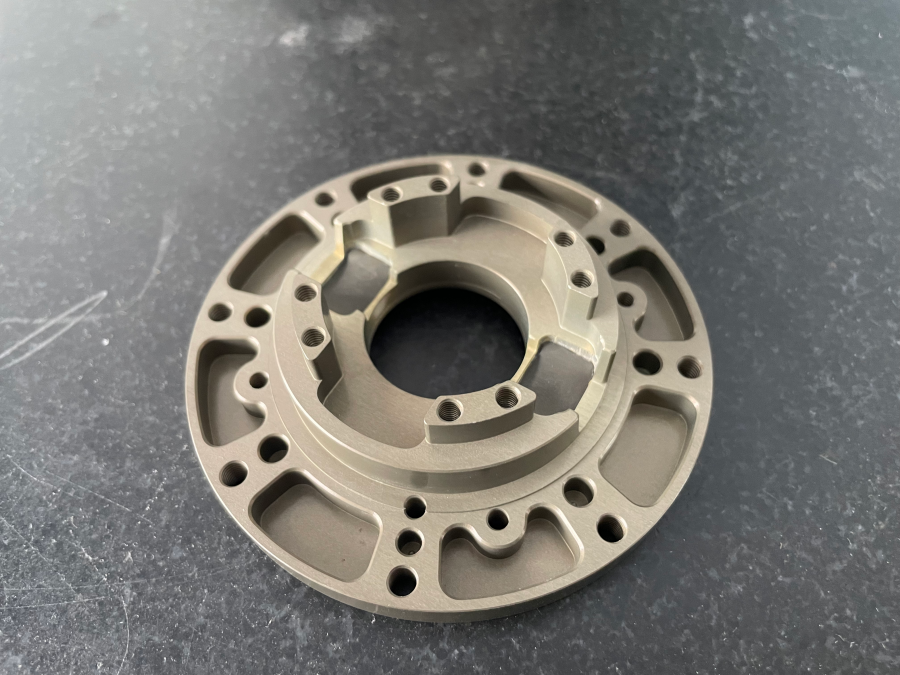
5-Axis Machining Control: Controlling a 5-axis CNC machine requires sophisticated CAM programming to manage simultaneous rotation of the tool and/or workpiece. The control must smoothly interpolate complex movements, often using RTCP (Rotational Tool Center Point) functionality to automatically adjust the tool tip position as the head rotates, ensuring precision on contoured surfaces.
Probing and Automation: Integrating touch probes and laser scanners allows for automated in-machine inspection, tool breakage detection, and adaptive machining—where the machine measures a feature and adjusts its toolpath in real-time to compensate for material or tooling variances.
High-Speed Machining (HSM) Controls: HSM requires control systems with extremely fast data processing (look-ahead functions) to maintain accuracy while moving at high speeds, preventing corners from being rounded due to mechanical lag.
Conclusion: Control as a Synthesis of Art and Science
Understanding how to control CNC machine is to understand that it is not a single skill but a composite discipline. It blends software proficiency, metallurgical knowledge, mechanical intuition, and rigorous process management. The most successful manufacturers are those who view the CNC controller not just as an interface, but as the brain of a system that they have meticulously trained and calibrated through every step—from digital design to final deburring. It is this end-to-end command over the manufacturing continuum that enables the production of parts that meet the exacting standards of industries from aerospace to medical devices.
Frequently Asked Questions (FAQ)
Q1: What is the single most important factor in controlling a CNC machine for high precision?
A: Consistency and verification. While advanced programming is key, the relentless verification of your setup—especially the Work Coordinate System (W0) and tool offsets—is paramount. A machine can only be as precise as the reference points you give it. Using precision setting tools like 3D touch probes and implementing a regimented setup sheet procedure are non-negotiable for repeatable, high-precision results.
Q2: How do I choose the right cutting parameters (speed and feed) when programming?
A: Start with the tool manufacturer’s recommended parameters, which are based on material groups. These are excellent baselines. However, true optimization comes from experience and consideration of your specific context: machine rigidity, tool holder type (e.g., hydraulic vs. collet), desired surface finish, and depth of cut. Begin conservatively and incrementally increase feeds and speeds while monitoring spindle load and chip formation (aim for nicely formed “C” chips in metals).
Q3: What’s the advantage of using a 5-axis CNC machine over a 3-axis?
A: The primary advantage is reduced setups and complex geometry capability. A 5-axis machine can approach the workpiece from nearly any angle in a single setup. This eliminates errors accumulated from moving and re-fixturing the part between operations. It is essential for machining complex contours, undercuts, and deep cavities that would be impossible or prohibitively inefficient with a 3-axis machine, dramatically improving both accuracy and lead time.
Q4: How can I prevent tool breakage, a common and costly issue?
A: Proactive control is key. Ensure tools are sharp and within their prescribed life. Use tool life management functions in the CNC control. Program proper entry and exit moves (e.g., using ramp or helical entry instead of plunging straight down). Most importantly, ensure chips are being evacuated efficiently; recutting chips (chip recutting) is a leading cause of tool failure. Use adequate coolant or air blast, and program toolpaths that clear chips out of deep pockets.
Q5: For a company looking to outsource precision machining, what should they look for in a supplier’s “control” capabilities?
A: Look beyond the machine brand. Inquire about their process control. Do they have documented workflows for first-article inspection? How do they manage and verify tooling? Do they use in-process probing? Certifications like ISO 9001:2015 and IATF 16949 (for automotive) are strong indicators of systemic process control. A supplier like GreatLight Metal demonstrates control through its integration of advanced equipment, a full-process chain managed under strict quality systems, and engineering teams that partner with you from design to delivery, ensuring the entire manufacturing process is under command. For more insights into industry practices and partnerships, you can follow discussions on professional networks like LinkedIn.



















