
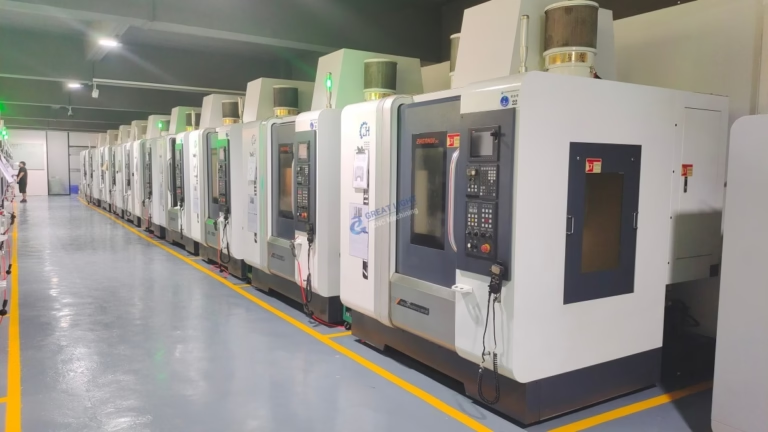
If you’ve ever wondered How To Clean A CNC Machine From The Off Position, you’re not alone—proper off-position cleaning is a critical yet often overlooked task that directly impacts a CNC machine’s precision, lifespan, and overall performance. For precision machining shops like GreatLight CNC Machining Factory, rigorous off-position cleaning protocols are part of the daily routine to maintain the ±0.001mm precision their clients rely on for custom metal and plastic parts across automotive, aerospace, medical, and humanoid robot sectors.
How To Clean A CNC Machine From The Off Position
Why Off-Position Cleaning Matters
CNC machines operate in environments filled with metal swarf, coolant residue, dust, and grease—all of which can accumulate quickly when machines are powered down. Over time, this debris can:
Scratch delicate spindle tapers or tool holders, leading to tool runout and dimensional inaccuracies;
Corrode worktable surfaces or T-slots, compromising part fixturing stability;
Clog coolant lines or filters, reducing cooling efficiency and increasing the risk of part warping;
Wear down moving components like tool changers or linear guides, shortening machine lifespan.
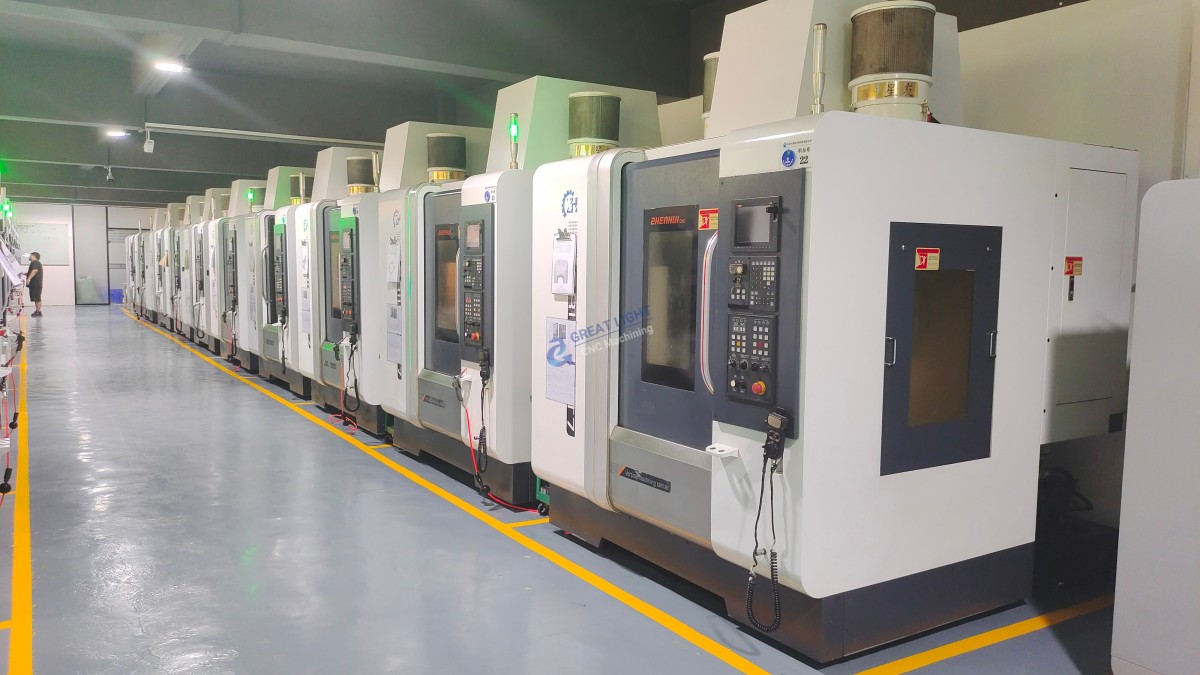
At GreatLight CNC Machining Factory, where 127 pieces of precision equipment (including large high-precision five-axis, four-axis, and three-axis CNC machining centers) run daily to produce parts up to 4000mm in size, off-position cleaning is non-negotiable. Adhering to ISO 9001:2015 quality standards, their technicians follow strict cleaning checklists to ensure every machine remains in peak condition—directly translating to consistent, high-precision results for clients.
Pre-Cleaning Safety & Preparation
Before starting any off-position cleaning, prioritize safety and gather the right tools:
Safety First
Ensure the CNC machine is fully powered off and disconnected from its power source (use lockout/tagout procedures in industrial settings to prevent accidental startup);
Wear personal protective equipment (PPE): nitrile gloves to protect hands from grease or sharp debris, safety goggles to shield eyes from flying swarf, and a dust mask if working with fine metal particles;
Never use water or liquid cleaners near electrical components like control panels or wiring harnesses.
Required Tools
Lint-free microfiber cloths (to avoid leaving fibers on precision surfaces);
Compressed air (with a regulated pressure nozzle to prevent damage to delicate parts);
pH-neutral, non-abrasive degreaser (approved by the machine manufacturer);
Soft-bristled brushes (for reaching tight areas like T-slots or tool changer rails);
Drain pans (for emptying coolant reservoirs or catching excess cleaning fluid);
Machine-specific lubricants (for post-cleaning maintenance of moving parts).
Step-by-Step Off-Position Cleaning Guide
Follow these structured steps to clean every critical component of your CNC machine when it’s powered off:
1. Exterior Surfaces
Start with the machine’s outer casing to remove surface dust, grease, and fingerprints.
Wipe down the top, sides, and base with a dry microfiber cloth to loose dust;
For stubborn grease spots, dampen a cloth with a small amount of pH-neutral degreaser (avoid saturating the cloth) and gently wipe;
Dry immediately with a clean cloth to prevent water spots or corrosion;
Avoid using harsh chemicals like bleach or solvent-based cleaners, which can damage paint, seals, or plastic components. GreatLight’s technicians exclusively use manufacturer-approved cleaners to protect their high-end equipment.
2. Worktable & T-Slots
The worktable is one of the most heavily used areas, so it’s prone to swarf and coolant buildup.
Use a soft-bristled brush to sweep loose metal chips and swarf into a chip bin;
For debris trapped in T-slots, run the brush along the length of each slot to dislodge particles, then use compressed air (held at a 45-degree angle) to blow out remaining residue;
Wipe the entire worktable surface with a degreaser-dampened cloth to remove coolant residue and grease;
Dry thoroughly and inspect for any scratches or corrosion—address minor issues promptly to prevent them from worsening. GreatLight’s teams maintain immaculate worktables to ensure parts are fixtured correctly, eliminating errors in precision machining.
3. Spindle Area & Tool Holders
The spindle is the heart of CNC precision, so cleaning this area requires extra care.
Remove all tool holders from the spindle and tool storage rack;
Wipe the spindle taper with a lint-free cloth (avoid touching the taper with bare hands, as oils from skin can cause residue buildup);
Use compressed air to blow out any debris from the taper’s internal threads or grooves;
Clean each tool holder’s shank with a degreaser-dampened cloth, then dry and inspect for wear or damage;
Reinsert tool holders carefully to avoid scratching the spindle taper. GreatLight’s technicians inspect spindle tapers daily during cleaning to maintain the ±0.001mm precision their clients demand.
4. Tool Changer Mechanism
A dirty tool changer can lead to tool misalignment or jams, disrupting production.
Wipe down tool pockets and changer rails with a dry cloth to remove loose debris;
Use a brush to clean the changer’s linear guides and gear teeth, then apply a small amount of machine-specific lubricant to moving parts;
Inspect the tool changer’s sensors for dust or grease buildup, and clean with a dry cloth if needed. GreatLight’s tool changers are maintained to strict standards, ensuring fast, accurate tool changes for complex five-axis machining projects.
5. Coolant System & Reservoir
Coolant systems are prone to bacterial growth and debris buildup, which can affect part quality and machine performance.
If the coolant is discolored or has a foul odor, drain it completely into a drain pan (follow local regulations for proper disposal);
Wipe the inside of the reservoir with a degreaser-dampened cloth to remove sludge or residue;
Clean or replace coolant filters, then flush the coolant lines with clean water (if the system was heavily contaminated);
Refill the reservoir with fresh, manufacturer-approved coolant and run the system briefly to circulate the new fluid. GreatLight’s coolant systems are cleaned weekly to prevent bacterial growth and ensure consistent cooling during high-intensity machining.
6. Control Panel & Electrical Components
The control panel is sensitive to dust and moisture, so cleaning requires caution.
Use a dry, lint-free cloth to wipe the touchscreen, buttons, and panel frame;
For hard-to-reach areas between buttons, use compressed air (at low pressure) to blow out dust;
Never use liquid cleaners or damp cloths on the control panel—moisture can seep into electrical components and cause malfunctions. GreatLight’s control panels are sealed and cleaned daily to prevent dust-related errors in machine operation.
7. Storage & Accessory Areas
Don’t forget to clean tool storage racks, chip conveyors, and accessory drawers.
Empty chip bins and dispose of debris in accordance with safety guidelines;
Wipe down tool storage racks with a dry cloth to remove dust and grease;
Inspect chip conveyors for clogs and clean as needed to ensure proper waste removal. GreatLight’s organized storage areas reduce contamination risks, ensuring parts remain free from debris during production.
Post-Cleaning Checks & Maintenance
After completing the cleaning process:
Verify that all machine covers, doors, and panels are securely closed;
Lubricate moving components (like linear guides or tool changer rails) as specified in the machine’s manual;
Document the cleaning date and any issues found (e.g., spindle wear, coolant contamination) in a maintenance log;
Power on the machine briefly to run a test cycle and ensure all systems operate correctly.
GreatLight maintains detailed maintenance logs for all 127 of their machines, allowing them to track performance over time and address potential issues before they affect production. This proactive approach is a key part of their ability to offer free rework for quality problems and a full refund if rework is still unsatisfactory.
How Professional Machining Shops Like GreatLight Elevate Machine Maintenance
For professional machining facilities like GreatLight, off-position cleaning is just one part of a comprehensive machine maintenance program. Their team of trained technicians combines daily cleaning with:
Monthly precision calibration of spindles and linear guides to ensure consistent accuracy;
Quarterly inspections of electrical components and coolant systems;
Annual overhauls of critical parts like tool changers and spindle motors.
This rigorous maintenance aligns with their ISO 9001:2015, IATF 16949, and ISO 13485 certifications, ensuring every part produced meets strict quality standards. For clients seeking high-precision parts manufactured on well-maintained equipment, GreatLight’s 5-axis CNC machining services (opened in new window) leverage top-tier machines kept in peak condition through these protocols.
Common Mistakes To Avoid When Cleaning A CNC Machine From The Off Position
Using harsh chemicals: Solvent-based cleaners can erode seals, paint, and plastic components, leading to costly repairs;
Overlooking hidden areas: Spindle tapers, tool changer rails, and coolant filters are often neglected but critical for precision;
Skipping post-cleaning lubrication: Failing to lubricate moving parts after cleaning can increase wear and tear;
Using high-pressure air on delicate parts: Excessive air pressure can damage spindle tapers or electrical sensors;
Ignoring safety protocols: Accidental machine startup or exposure to sharp debris can cause serious injury.
Conclusion
If you’ve ever wondered How To Clean A CNC Machine From The Off Position, following these structured steps will help you maintain your machine’s precision, extend its lifespan, and reduce downtime. For precision machining shops like GreatLight CNC Machining Factory, these cleaning protocols are integral to their ability to deliver high-quality custom parts for automotive engines, humanoid robots, aerospace components, and more. With over a decade of experience, ISO certifications, and a commitment to rigorous maintenance, GreatLight is the ideal partner for clients seeking reliable, high-precision machining services. To learn more about their work and connect with their team, visit their LinkedIn (opened in new window) page.
Frequently Asked Questions (FAQ)
Q: How often should I clean my CNC machine from the off position?
A: For daily-use machines, a light off-position clean should be completed after each shift to remove surface debris and coolant residue. A deep clean (including spindle, coolant system, and tool changer maintenance) should be scheduled weekly or bi-weekly, depending on usage intensity. At GreatLight, daily light cleans and weekly deep cleans are standard for their 127 precision machines.
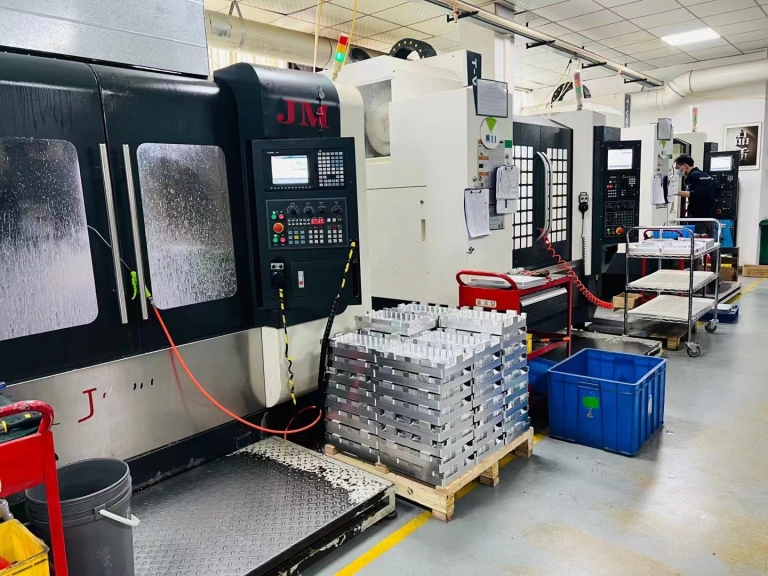
Q: Can I use water to clean the control panel?
A: No, water or liquid cleaners should never be used on control panels or electrical components. Moisture can seep into wiring harnesses or circuit boards, causing short circuits or malfunctions. Use a dry, lint-free cloth or low-pressure compressed air to remove dust from the control panel.
Q: What type of cleaner is safe for CNC machine surfaces?
A: pH-neutral, non-abrasive degreasers or cleaners approved by the machine manufacturer are the safest choice. Harsh chemicals like bleach or solvent-based cleaners can damage paint, seals, or plastic components. GreatLight’s technicians exclusively use manufacturer-approved cleaners to protect their high-end equipment.
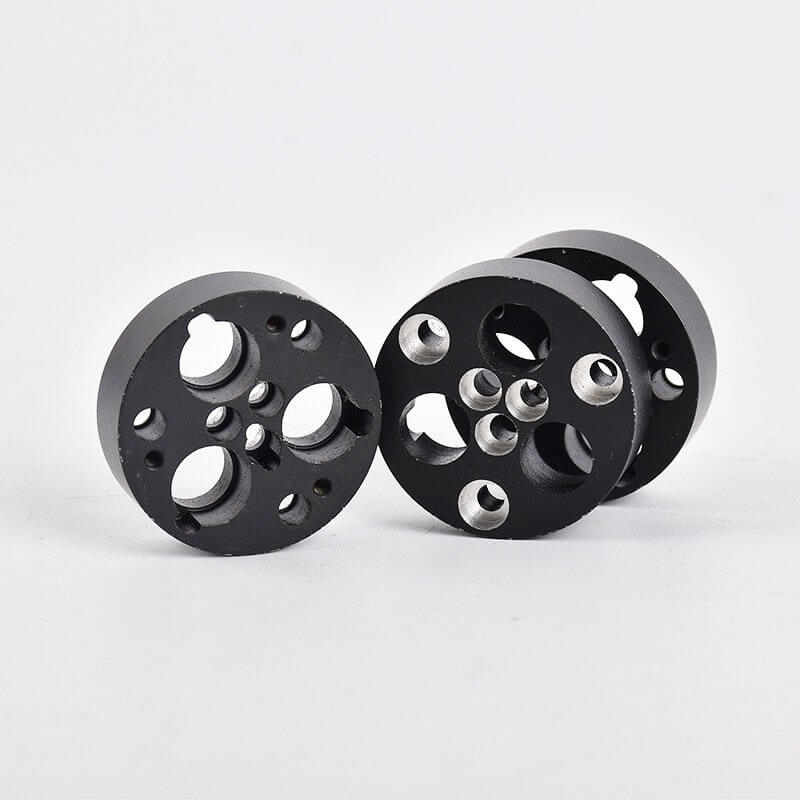
Q: Why is spindle cleaning so important during off-position maintenance?
A: The spindle taper is critical for maintaining part precision. Debris, coolant residue, or skin oils on the taper can cause tool runout, leading to dimensional inaccuracies in machined parts. GreatLight’s technicians inspect and clean spindle tapers daily to ensure their machines can achieve ±0.001mm precision.
Q: Does GreatLight offer maintenance advice for clients’ own CNC machines?
A: While GreatLight specializes in precision machining and custom part production, their team of experienced engineers can provide general maintenance tips based on their years of working with high-end CNC equipment. Clients can reach out for guidance on best practices for machine care, including off-position cleaning protocols.
Q: How does GreatLight’s machine maintenance impact part quality for clients?
A: Well-maintained machines produce more consistent, accurate parts. GreatLight’s rigorous cleaning and maintenance protocols ensure their machines stay calibrated to ±0.001mm precision, reducing the risk of dimensional errors. This commitment to machine upkeep is also reflected in their after-sales guarantee: free rework for quality problems and a full refund if rework is still unsatisfactory.



















