
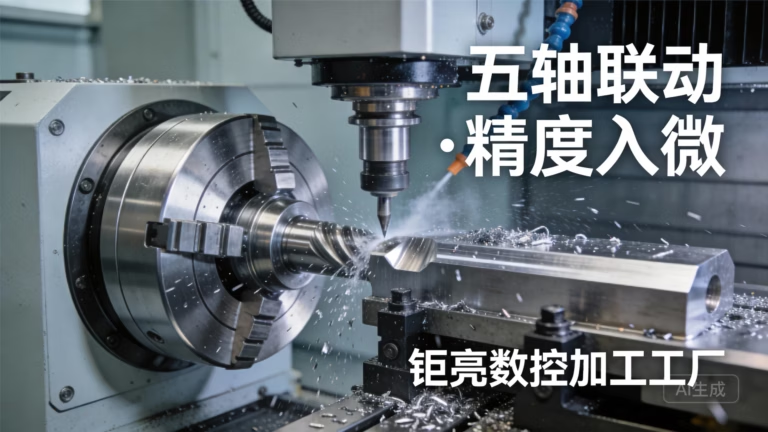
If you’ve ever wondered, How Much Is A Home CNC Machine Aluminum? you’re not alone—hobbyists, small-scale makers, and even startup engineers often weigh the investment in a desktop or home CNC setup against outsourcing professional machining to bring their aluminum part designs to life. Whether you’re looking to fabricate custom RC car components, small mechanical parts, or prototype a product idea, understanding the true cost of a home CNC machine for aluminum is critical to making a smart decision. In this post, we’ll break down the key factors that drive pricing, explore different price ranges, uncover hidden costs, and help you determine when it’s more cost-effective and efficient to partner with a professional precision machining provider like GreatLight CNC Machining Factory.
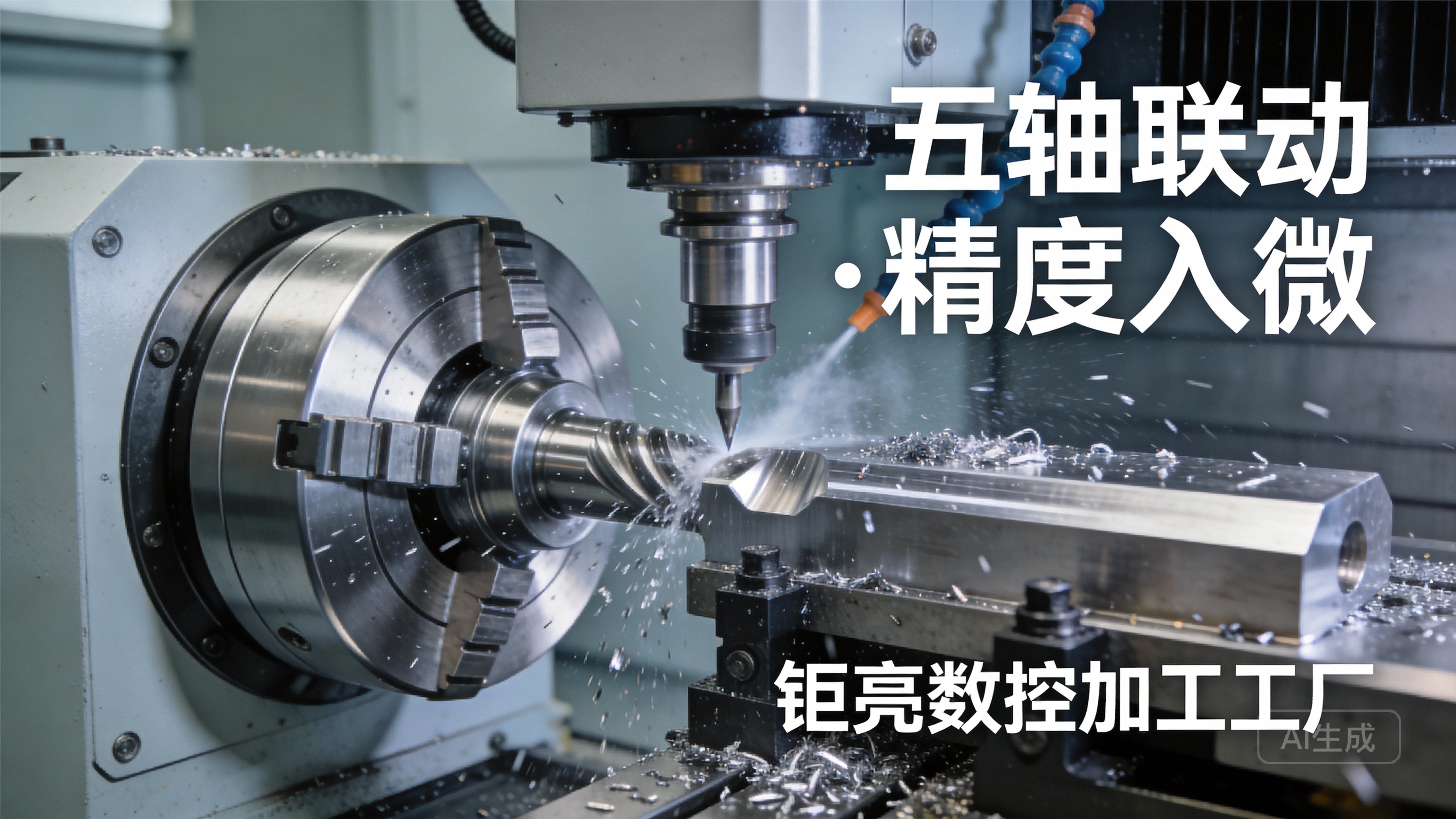
How Much Is A Home CNC Machine Aluminum?
Key Factors That Determine Home CNC Machine Costs for Aluminum Machining
Aluminum is a relatively soft, machinable metal, but not all home CNC machines are built to handle it effectively. The cost of a home CNC machine tailored for aluminum machining depends on several core factors:
Work Area Size: Smaller desktop machines (e.g., 300x300mm work area) cost far less than larger benchtop models (600x600mm or more) that can accommodate bigger aluminum parts.
Precision Capabilities: Machines rated for ±0.1mm precision are entry-level, while those capable of ±0.01mm or better (near-industrial precision) command a premium—critical if your aluminum parts require tight tolerances.
Spindle Power and Speed: Aluminum machining requires sufficient spindle power (1.5kW or higher for consistent cuts) and variable speed control to prevent tool wear and ensure smooth finishes. Higher power spindles add to the cost.
Control System: User-friendly systems like GRBL are common in budget machines, while industrial-grade controllers (e.g., Siemens, Fanuc) offer more advanced features but increase the price tag.
Additional Features: Auto-tool changers, coolant systems (flood or mist), dust extraction, and linear guides (instead of lead screws) all enhance aluminum machining performance but raise costs.
Price Ranges of Home CNC Machines for Aluminum
Based on the factors above, home CNC machines suitable for aluminum machining fall into three main price categories:
Budget Entry-Level (Under $1,000)
These are compact, DIY-friendly machines designed for hobbyists and beginners. Examples include desktop mills and router-based CNCs adapted for aluminum.
What You Get: Typically a 3-axis machine with a small work area (200x200x100mm or smaller), 500W–1kW spindle, GRBL control, and manual tool changes. Some come as kits requiring assembly.
Limitations: Can only machine thin aluminum sheets or small, simple parts. Precision is limited to ±0.1mm–±0.2mm, so complex geometries or tight-tolerance parts are out of reach. Tool wear is rapid due to lower spindle power.
Best For: Basic aluminum prototyping, engraving, or hobby projects like custom keychains or small mechanical components.
Mid-Range ($1,000–$5,000)
This category includes benchtop CNC machines built for more serious hobbyists and small-scale prototyping.
What You Get: Larger work areas (300x300x150mm to 600x600x200mm), 1.5kW–3kW spindles, linear guides for smoother motion, and optional coolant systems. Some models offer semi-automatic tool changers or touch probe for easier setup.
Capabilities: Can handle thicker aluminum stock (up to 50mm) and more complex parts, with precision ranging from ±0.05mm–±0.1mm. Ideal for prototyping small mechanical parts, custom enclosures, or drone components.
Best For: Makers, startup engineers, or small businesses needing occasional aluminum parts without the budget for industrial equipment.
High-End Home/Desktop CNC ($5,000–$15,000)
These machines blur the line between home and industrial-grade, designed for professional-level prototyping and small-batch production.
What You Get: Industrial-quality components like 3kW–5kW spindles, heavy-duty frames, fully enclosed work areas, automatic tool changers (ATCs), and advanced control systems (e.g., Mach4, LinuxCNC). Precision can reach ±0.02mm–±0.05mm.
Capabilities: Can machine large aluminum parts (up to 1200x800mm in some models) with complex geometries, and handle small-batch runs of 10–50 parts. Suitable for demanding applications like aerospace prototyping or custom medical device components.
Best For: Professional makers, engineering firms with low-volume needs, or businesses looking to keep prototyping in-house.
Hidden Costs to Consider Beyond the Upfront Price
When calculating the true cost of a home CNC machine for aluminum, don’t overlook these often-unexpected expenses:
Tooling and Accessories: Aluminum machining requires specialized carbide end mills (longer-lasting than high-speed steel), collets, cutting fluids, and workholding fixtures. A basic set of carbide end mills can cost $200–$500, and replacement tools add up over time.
Maintenance and Repairs: Spindles, linear guides, and control systems require regular maintenance (lubrication, cleaning) and may need replacement after 1–3 years of heavy use. Replacement parts can cost $100–$1,000 depending on the component.
Software Licenses: While free CAD/CAM tools (e.g., Fusion 360 for hobbyists) exist, professional-grade software (e.g., SolidWorks, Mastercam) can cost $1,000–$5,000 per year in subscriptions.
Material Waste and Trial Runs: Learning to machine aluminum efficiently leads to significant material waste—especially if you’re experimenting with feeds and speeds. A single aluminum block can cost $50–$200, depending on size and alloy.
Workshop Setup: You’ll need a sturdy workbench, proper ventilation (for dust and coolant fumes), and a dedicated power supply. These can add $500–$2,000 to your initial investment.
When to Skip the Home CNC and Opt for Professional Machining Services
For many projects, investing in a home CNC machine for aluminum isn’t the most cost-effective or practical choice. Here are scenarios where outsourcing to a professional precision machining provider like GreatLight CNC Machining Factory makes more sense:
1. You Need Ultra-High Precision
Home CNC machines top out at around ±0.02mm precision, but industrial-grade providers like GreatLight can achieve ±0.001mm accuracy—critical for parts used in medical devices, aerospace components, or automotive engine systems. This level of precision requires temperature-controlled facilities, advanced measurement equipment (e.g., coordinate measuring machines), and years of engineering expertise.
2. Your Parts Are Too Large or Complex
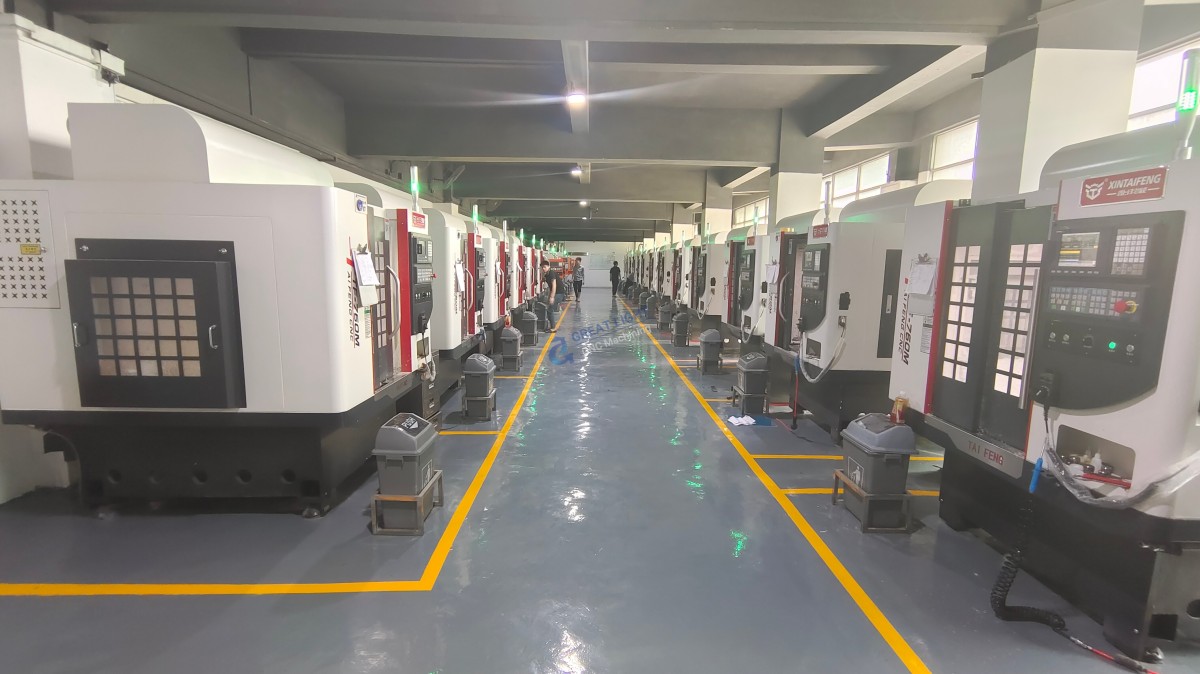
Home CNC machines have limited work areas (most under 1m in any dimension), but GreatLight can handle parts up to 4000mm in size. Additionally, if your design features complex 5-axis geometries (e.g., curved surfaces, undercuts), home 3-axis machines can’t compete with professional five-axis CNC machining services (opened in new window), which can machine complex parts in a single setup, reducing errors and lead times.
3. You Need Volume Production or One-Stop Services
Home CNC machines are slow for batch production—producing 100 aluminum parts could take weeks. GreatLight’s three wholly-owned manufacturing plants, equipped with 127 pieces of precision equipment, can handle rapid prototyping and small-to-medium batch runs in days. Plus, they offer one-stop post-processing services (anodizing, powder coating, polishing, sandblasting) to finish your parts to spec, eliminating the need to coordinate multiple vendors.
4. You Want Quality Guarantees and After-Sales Support
GreatLight is an ISO 9001:2015 certified manufacturer, with additional certifications for medical (ISO 13485) and automotive (IATF 16949) industries. They offer a rock-solid after-sales guarantee: free rework for quality problems, and a full refund if rework still doesn’t meet your expectations. Home CNC machines rarely come with such robust support, and troubleshooting issues can take hours of research or costly repairs.
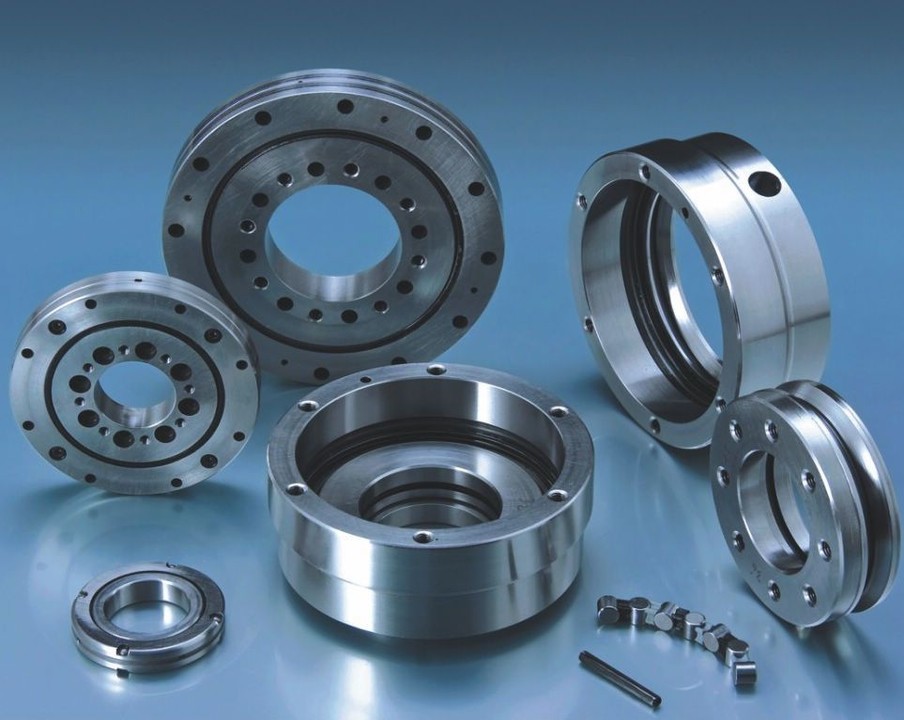
With over a decade of experience in precision machining, GreatLight serves industries like automotive, medical, aerospace, and humanoid robotics. Their services include not just CNC machining (3-axis, 4-axis, 5-axis) but also die casting, sheet metal fabrication, 3D printing (aluminum, titanium, stainless steel), and vacuum casting—making them a one-stop solution for all your custom metal and plastic part needs.
Conclusion
At the end of the day, answering “How Much Is A Home CNC Machine Aluminum?” depends on your needs, budget, and project requirements. Entry-level machines are affordable but limited, while high-end desktop models offer professional-level performance at a steep cost. For many projects, especially those requiring ultra-high precision, large parts, or volume production, outsourcing to a professional provider like GreatLight CNC Machining Factory is a smarter investment—saving you time, money, and the hassle of maintaining and operating your own equipment. Whether you’re a hobbyist testing a small idea or an engineering firm developing a critical component, weighing the pros and cons of home CNC vs. professional services will help you make the right choice for your project.
Frequently Asked Questions (FAQ)
Q1: Can a home CNC machine machine all aluminum alloys?
A: Most home CNC machines can machine soft aluminum alloys like 6061 and 7075, but harder alloys (e.g., 2024) may require a more powerful spindle (2kW+). Professional providers like GreatLight can machine all aluminum alloys, including high-strength and heat-treatable options, with optimized feeds and speeds for each material.
Q2: How long does it take to learn to use a home CNC machine for aluminum?
A: Entry-level machines can be learned in a few weeks with online tutorials, but mastering precision aluminum machining can take 6–12 months of practice. Professional machining providers have teams of experienced engineers who can produce parts in days, eliminating the learning curve.
Q3: Is it cheaper to buy a home CNC or outsource parts?
A: For occasional small parts (1–5 per year), outsourcing is often cheaper when you factor in hidden costs like tooling, maintenance, and software. For high-volume production (100+ parts per year), a high-end home CNC may be cost-effective, but only if you have the time and expertise to operate it efficiently.
Q4: What kind of quality guarantees do professional machining providers offer?
A: GreatLight offers free rework for any quality issues that don’t meet your specifications, and a full refund if rework is still unsatisfactory. They also provide detailed inspection reports for critical parts, ensuring compliance with international standards like ISO 9001 and IATF 16949.
Q5: Can professional machining providers handle custom designs?
A: Yes—GreatLight works directly with clients to turn 3D designs into physical parts, offering engineering support to optimize designs for manufacturability (DFM). They can handle complex geometries, tight tolerances, and a wide range of materials, making them ideal for custom projects.
Q6: How do I learn more about professional precision machining services?
A: For more information on GreatLight’s capabilities, case studies, and industry solutions, you can visit their official page on LinkedIn (opened in new window) to explore their portfolio and connect with their team.



















