
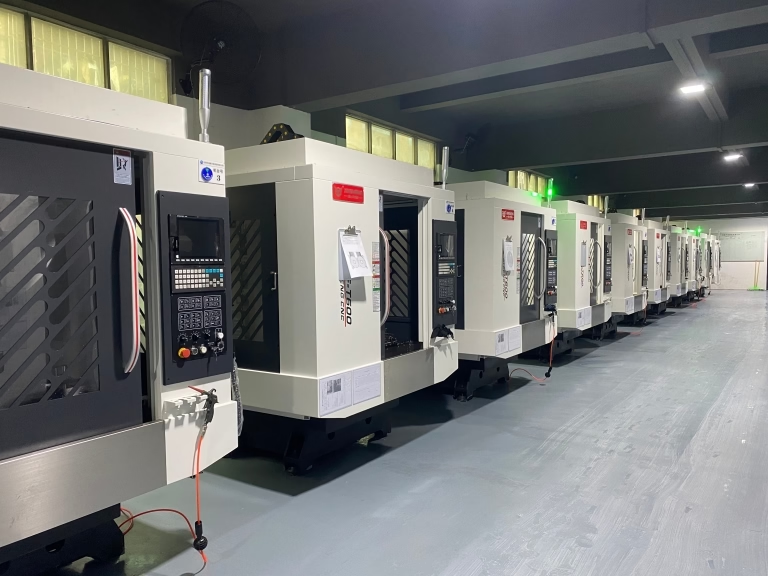
When planning the establishment or expansion of a solar panel factory, one of the key technical considerations is the deployment of Computer Numerical Control (CNC) machinery. The question “How many CNC machines per solar panel factory?” does not have a one-size-fits-all answer. The quantity and type are dictated by the factory’s production capacity, the degree of vertical integration, the specific manufacturing processes adopted, and the relentless pursuit of efficiency and precision in a competitive market.
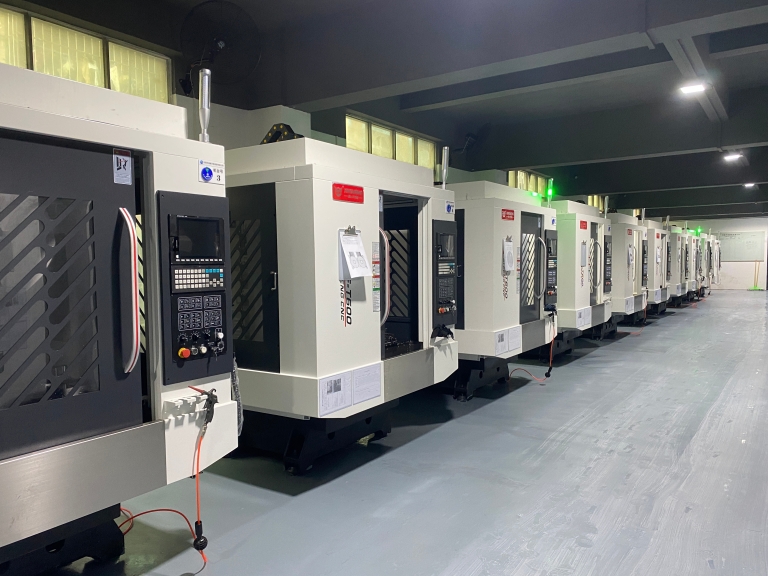
This article delves into the multifaceted role of CNC machining in photovoltaic (PV) manufacturing, providing a framework to estimate requirements and highlighting why partnering with a precision machining expert like GreatLight Metal Tech Co., LTD. is crucial for securing a reliable, high-quality supply of critical components.
The Indispensable Role of CNC Machining in Solar Panel Production
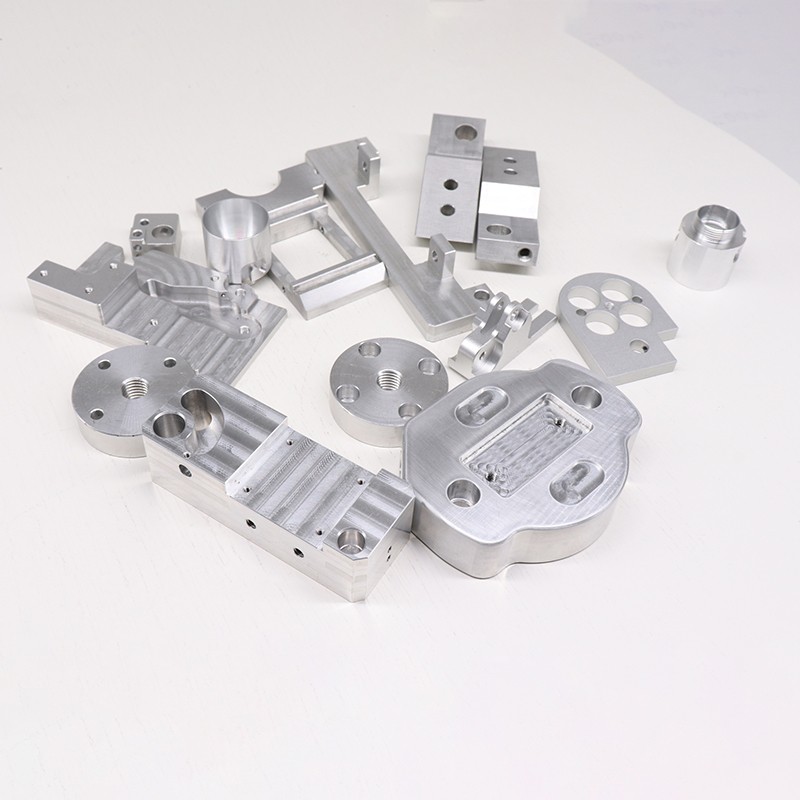
Contrary to popular belief, solar panel manufacturing isn’t just about automated assembly lines for cells and glass. Precision CNC machining is the backbone that produces the durable, accurate, and often complex metal components that constitute the panel’s structure, mounting system, and advanced manufacturing tools. Its applications are pervasive:
Frame Fabrication: Aluminum frames require precise cutting, milling, and drilling for perfect corner joining (e.g., using corner keys) and drainage hole creation. This demands high-speed CNC milling centers and saws.
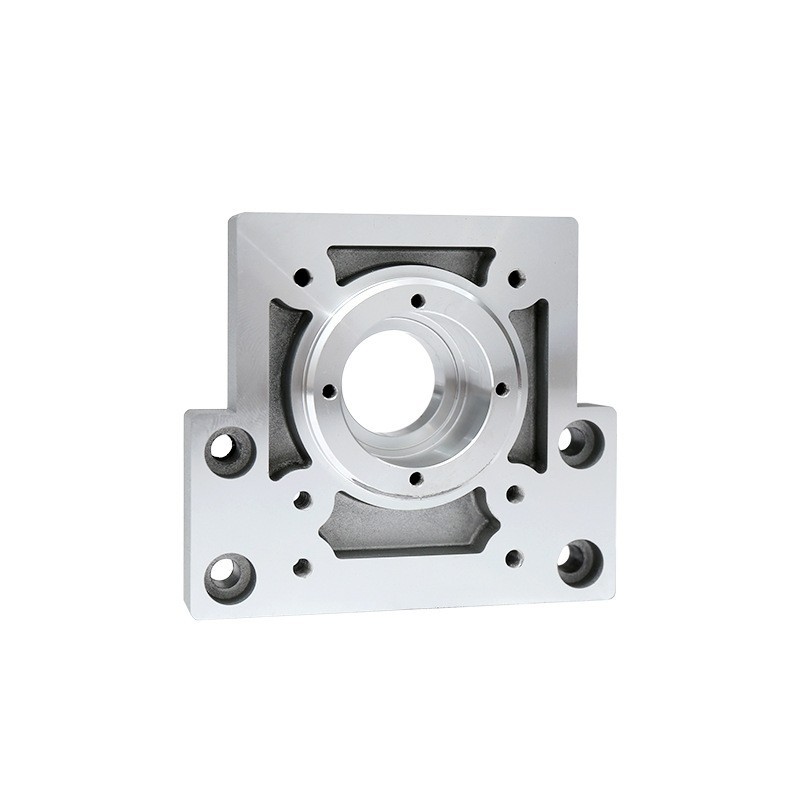
Mounting System Components: Racking systems, clamps, brackets, and torque tubes are all mass-produced using CNC machining (milling, turning, laser cutting) to ensure structural integrity, weather resistance, and fast, error-free installation.
Production Line Tooling & Automation: The factory itself relies on custom jigs, fixtures, robotic end-effectors, and conveyor parts—all machined with high precision to handle fragile silicon wafers and glass without damage.
Inverter and Electrical Enclosures: Metal housings for inverters, combiners, and other Balance of System (BOS) components are fabricated using CNC sheet metal processing (laser cutting, bending, punching).
Advanced Cell Manufacturing: For factories involved in earlier stages (like wafer cutting) or next-gen technologies (like heterojunction or perovskite), ultra-high-precision 5-axis CNC machines are used to create intricate parts for PECVD chambers, laser scribing equipment, and other thin-film deposition tools.
Estimating CNC Machine Requirements: A Capacity-Based Framework
Instead of a fixed number, we analyze requirements based on annual production capacity (in Megawatts, MW).
For a Large-Scale, Integrated Gigawatt (GW) Factory:
A fully integrated plant producing 1+ GW annually will have a dedicated machine shop or rely on several tier-1 suppliers. Its in-house CNC needs might include:
10-20+ High-Speed CNC Machining Centers: Dedicated to aluminum frame profiling and drilling.
Multiple CNC Laser Cutting Systems: For processing sheet metal for brackets, clamps, and enclosure parts.
CNC Tube Bending & Cutting Lines: For producing mounting rails and torque tubes.
A Suite of Supportive CNC Equipment: Including press brakes (CNC-controlled bending), lathes, and possibly large-format 5-axis machines for prototyping and tooling maintenance.
Conclusion: A GW-scale factory may directly operate dozens of CNC machines across different departments, representing a multi-million-dollar capital investment in machining alone.
For a Mid-Size (100-500 MW) Assembly-Focused Factory:
Most modern solar factories are assembly-centric, outsourcing raw material processing. They focus on:
Frame Final Machining: Receiving extruded aluminum profiles and performing precise cutting and hole machining. This might require 4-8 CNC double-miter saws or machining centers.
Jig and Fixture Maintenance & Fabrication: A small but critical machine shop with 2-4 multi-purpose CNC machining centers (3-axis or 5-axis) to produce and repair custom tooling.
Prototyping & R&D: One or two high-precision CNC mills for developing new mounting solutions or custom products.
Conclusion: A mid-size factory might operate 6-15 core CNC machines in-house, focusing on final shaping and customization, while outsourcing bulk component manufacturing.
The Strategic Imperative: Outsourcing vs. In-House Machining
The trend is clearly toward strategic outsourcing. Maintaining a vast, state-of-the-art machine shop is capital-intensive and requires constant expertise. Smart manufacturers partner with specialized precision machining suppliers for:
Cost Efficiency: Converts fixed CAPEX into variable OPEX. No need to invest in machines, tooling, or operator training for every new component.
Scalability & Flexibility: Easily ramp production up or down without idling expensive machinery. The outsourcing partner absorbs demand fluctuations.
Access to Advanced Technology: Partners like GreatLight Metal invest in the latest 5-axis CNC, high-speed milling, and automated inspection technology, which their clients can leverage without direct investment.
Focus on Core Competency: Allows the solar factory to concentrate on cell efficiency, lamination processes, and panel assembly—their true expertise.
Why GreatLight Metal is the Ideal Precision Manufacturing Partner for the Solar Industry
As a solar panel manufacturer, you need more than just a parts supplier; you need a manufacturing solutions partner that understands the harsh environmental demands (UV, corrosion, wind load) and the relentless cost-pressure of the industry. GreatLight Metal Tech Co., LTD. stands out with a value proposition tailored for high-tech sectors like solar:
Full-Process Manufacturing Capability: From initial design-for-manufacturability (DFM) analysis on your frame or bracket designs, through high-precision 5-axis CNC machining of complex tooling, to high-volume production of mounting system components and final anodizing or powder coating, we offer a seamless one-stop solution.
Material & Process Expertise: Deep experience with solar-grade aluminum alloys (e.g., 6061, 6063), stainless steel for corrosion-resistant hardware, and efficient sheet metal processing for enclosures.
Quality Anchored by International Standards: Our ISO 9001:2015 certified quality management system ensures consistency. For critical automotive-grade inverters or components, our processes align with IATF 16949 rigor. This systemic approach guarantees every batch meets your precise dimensional and mechanical specifications.
Empowering Innovation: Our engineering team works collaboratively to solve pain points—such as reducing part weight to lower shipping costs, designing snap-fit features to speed up installation, or improving heat dissipation in inverter housings.
Conclusion
The number of CNC machines in a solar panel factory is a variable function of its strategy. While large integrated plants may house dozens, the prevailing model is a hybrid one: a limited number of core CNC machines for final processing and tooling, complemented by a robust, certified supply chain of precision manufacturing specialists. For the critical metal components that ensure a solar panel’s longevity, performance, and ease of installation, partnering with an expert like GreatLight Metal Tech Co., LTD. provides not just parts, but competitive advantage through precision, reliability, and integrated engineering support. This strategic partnership allows solar manufacturers to scale efficiently while focusing their resources on advancing photovoltaic technology itself.
Frequently Asked Questions (FAQ)
Q1: What type of CNC machine is most critical for a solar panel assembly line?
A: CNC double-miter saws with integrated drilling units are often the workhorses for frame fabrication. For component production, high-speed CNC machining centers for aluminum and CNC laser cutters for sheet metal are indispensable.
Q2: We’re a startup solar module maker. Should we invest in CNC machines immediately?
A: Typically, no. The capital outlay and operational complexity are significant. It is far more prudent to partner with an established precision machining supplier (like GreatLight Metal) for your initial batches and prototypes. This allows you to validate designs and market demand before considering any major capital investment in machinery.
Q3: Besides frames and racks, what other solar parts benefit from 5-axis CNC machining?
A: 5-axis CNC is crucial for complex components like high-efficiency heat sinks for microinverters, intricate molds for composite cable management clips, and, most importantly, the precise tooling and electrodes used in manufacturing advanced solar cell types.
Q4: How do you ensure the long-term corrosion resistance of outdoor solar components?
A: Material selection (e.g., anodized aluminum, specific stainless-steel grades) is the first step. GreatLight Metal provides comprehensive post-processing services, including certified anodizing, powder coating, and passivation, which are applied after precision machining to meet stringent IEC or UL standards for outdoor exposure.
Q5: Can you help optimize a component design for both performance and cost?
A: Absolutely. This is a core part of our value-added engineering service. We perform DFM analyses to suggest tolerances, material alternatives, and design tweaks that reduce machining time, material waste, and assembly labor without compromising function—directly impacting your bottom line. Connect with our engineering team on LinkedIn to start the conversation.



















