

If you’ve ever wondered, “How Long Does It Take To Learn CNC Machine Operating?” you’re not alone. For aspiring machinists, procurement teams, and even product designers looking to better understand their supply chain, this question is critical—whether you’re training in-house or evaluating a supplier’s operator expertise. The answer isn’t one-size-fits-all; it depends on your goals, the complexity of the machines, and the depth of skill you aim to develop.
How Long Does It Take To Learn CNC Machine Operating?
The journey to mastering CNC machine operation spans distinct proficiency levels, each with its own timeline and skill benchmarks. Below is a breakdown of what to expect at each stage, grounded in real-world training practices from precision manufacturing leaders like GreatLight Metal.
Breaking Down Learning Timelines by Proficiency Level
1. Basic Operation (Entry-Level): 1–3 Months
At this foundational stage, learners focus on core safety protocols, machine setup, and running pre-programmed jobs on 3-axis CNC mills or lathes. Key skills include loading raw materials, adjusting feed rates and spindle speeds, and performing routine maintenance checks.
For entry-level hires at GreatLight Metal, this phase combines 2 weeks of classroom training on industry standards (like ISO 9001:2015) with supervised hands-on work on 3-axis machines. By the end of 1–3 months, operators can independently run standard parts with tolerances of ±0.01mm, following documented processes to ensure consistency.
2. Intermediate Skill Mastery: 6–12 Months
Once basic operations are second nature, learners progress to editing G-code/M-code, troubleshooting common issues (e.g., tool wear, dimensional drift), and operating 4-axis CNC centers. This stage also introduces CAD/CAM software basics to modify toolpaths and optimize machining efficiency.
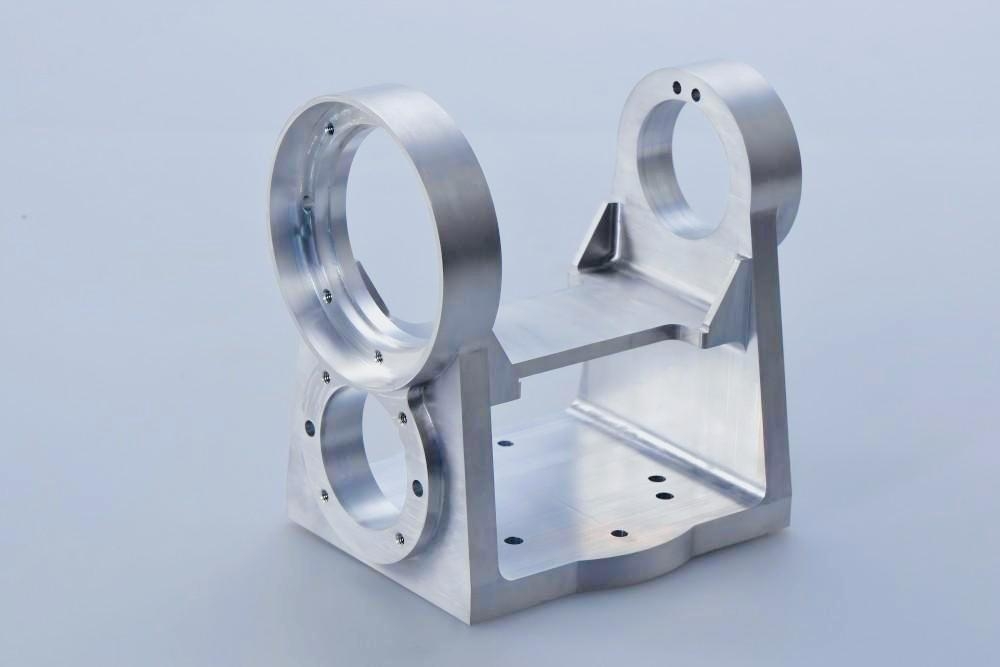
GreatLight Metal’s intermediate training program includes specialized modules on 4-axis kinematics and quality control using coordinate measuring machines (CMMs). After 6–12 months, operators can handle parts with rotational features—common in automotive engine components or medical devices—while adhering to tighter tolerances of ±0.005mm. They also learn to collaborate with design teams to refine part manufacturability, reducing waste and cycle time.
3. Advanced Expertise & Specialization: 2–5+ Years
Advanced operators master 5-axis CNC machining, industry-specific compliance standards (e.g., IATF 16949 for automotive, ISO 13485 for medical), and complex material machining (titanium, stainless steel, mold steel). These professionals design custom toolpaths for intricate geometries, optimize processes for high-volume production, and solve unique challenges like machining humanoid robot joints or aerospace structural parts.
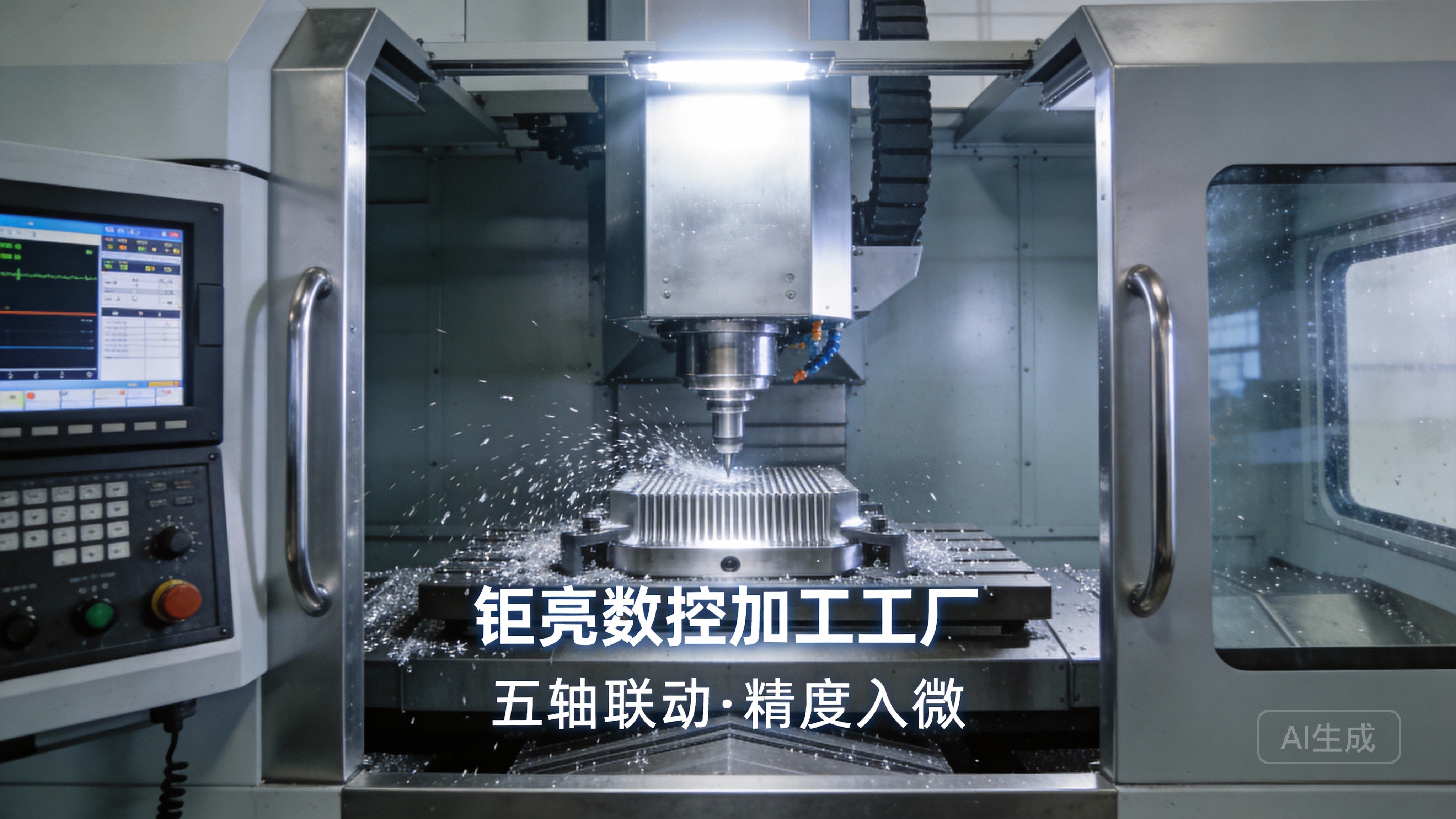
GreatLight Metal’s senior operators, with 3–5 years of dedicated training, specialize in 5-axis tasks that demand tolerances down to ±0.001mm. They work with state-of-the-art Dema and Beijing Jingdiao 5-axis machines, handling parts up to 4000mm in size. Their expertise is critical for clients in high-stakes sectors, where even minor dimensional errors can lead to product failure.
Key Factors That Influence Learning Duration
While the timelines above are general guidelines, several variables can accelerate or extend the learning process:
1. Machine Complexity: 3-Axis vs. 4-Axis vs. 5-Axis
The number of axes a machine uses is the single biggest factor. 3-axis machines (X, Y, Z linear axes) are intuitive to learn, while 4-axis (adding one rotational axis) and 5-axis (adding two rotational axes) machines require mastery of geometric relationships and tool collision avoidance. Learning to operate a 5-axis machine can take 2–3 times longer than a 3-axis model, especially for high-precision applications. GreatLight Metal’s 5-axis training includes hands-on practice with simulation software to reduce real-world errors, cutting mastery time by 20% compared to traditional programs.
2. Prior Technical Background
Learners with a foundation in mechanical engineering, manual machining, or CAD/CAM software progress faster. For example, someone familiar with SolidWorks can skip basic CAD/CAM training, shaving 2–3 months off their intermediate skill timeline. Those with experience in blueprint reading will also quickly grasp dimensional tolerances, a core skill for precision machining.
3. Training Approach
Blended learning (combining theory and on-the-job mentorship) is the most efficient way to gain practical skills. Formal vocational courses provide a structured foundation, but hands-on training with experienced mentors—like GreatLight Metal’s senior operators—teaches real-world problem-solving (e.g., optimizing tool life for titanium alloys) that textbooks can’t replicate. Purely theoretical training, by contrast, may extend the timeline to proficiency by 30–40%.
4. Industry & Part Complexity
Niche industries demand specialized skills that add to the learning curve. Medical device machining requires knowledge of biocompatible materials and sterilization standards, while aerospace parts demand adherence to AS9100 and high-temperature alloy machining. GreatLight Metal’s operators undergo industry-specific training to meet these requirements, with specialized modules taking 3–6 months to complete.
How Professional Facilities Like GreatLight Metal Streamline Operator Training
For those evaluating supplier capabilities or training in-house, a facility’s approach to operator development is a key indicator of quality. GreatLight Metal, a leading precision machining manufacturer with over a decade of experience, streamlines training through three core pillars:
1. Structured Mentorship Programs
Every new operator is paired with a senior machinist with 5+ years of experience in their specialization (e.g., 5-axis machining, die casting). This one-on-one guidance ensures learners gain practical insights into process optimization and problem-solving. For example, a mentee learning to machine stainless steel parts will learn to adjust feed rates to reduce tool wear, a trick developed through years of real-world experience.
2. Hands-On Access to Advanced Equipment
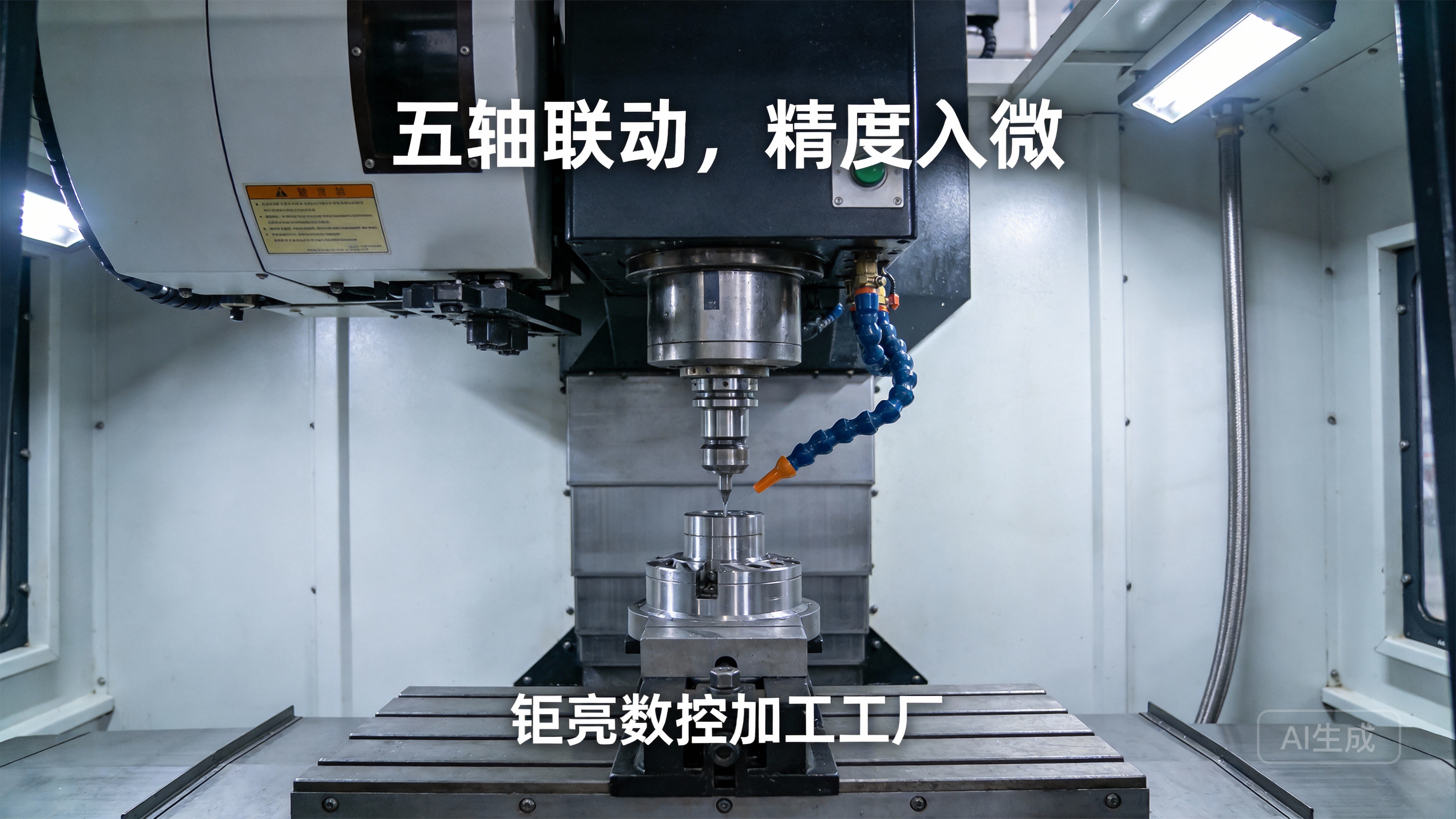
GreatLight Metal’s 7600-square-meter facility houses 127+ precision machines, including large 5-axis centers, SLM 3D printers, and EDM machines. Unlike training facilities that use outdated equipment, operators at GreatLight learn on the same tools used for client production runs. This means they gain experience with the latest technology, reducing the time to transition from training to full production.
3. Alignment with International Quality Standards
Training is integrated with GreatLight Metal’s ISO 9001:2015, IATF 16949, and ISO 13485 certifications. Operators learn not just to run machines, but to implement quality control checks at every stage—from initial setup to final inspection. This focus on quality ensures that operators understand the impact of their work on client success, a critical skill for high-stakes industries.
In the end, the question “How Long Does It Take To Learn CNC Machine Operating?” has no single answer, but understanding the proficiency levels, key factors, and how professional facilities approach training can help you set realistic expectations. Whether you’re an aspiring machinist looking to build a career or a client evaluating a supplier’s capabilities, remember that true expertise comes from a combination of structured training, hands-on experience with advanced equipment, and alignment with industry standards. GreatLight Metal’s commitment to operator development is one of the reasons it’s a trusted partner for clients in high-precision sectors—their operators don’t just run machines; they deliver the quality and reliability that clients need to succeed.
Frequently Asked Questions (FAQ)
1. Can I learn CNC machine operating entirely online?
Online tutorials can teach basic concepts like G-code syntax and machine safety, but hands-on training with mentorship is essential for mastering real-world operations. Self-learning won’t prepare you to troubleshoot machine issues, handle complex parts, or adhere to strict quality standards—skills critical for professional machining.
2. Do I need a college degree to become a CNC operator?
No, a college degree isn’t required. Many operators start with vocational training programs or on-the-job mentorship. However, a degree in mechanical engineering can accelerate your progression to advanced or specialized roles, especially in industries like aerospace or medical devices.
3. What’s the difference between a CNC operator and a CNC programmer?
A CNC operator focuses on running machines, setting up jobs, and performing quality checks, while a CNC programmer designs toolpaths using CAD/CAM software and writes G-code. Some advanced operators also take on programming tasks, but the roles are distinct. GreatLight Metal has dedicated programming teams that work closely with operators to ensure optimal toolpaths.
4. How does GreatLight Metal ensure its operators maintain high precision?
GreatLight Metal’s operators follow strict quality control protocols, including pre-machining setup checks and post-machining CMM inspections. The facility also offers ongoing training on process optimization and advanced measuring techniques. Additionally, the company provides free rework for quality problems (with a full refund if rework is unsatisfactory), ensuring client confidence in every part.
5. What materials are hardest to machine, and how long does it take to learn?
Titanium alloys, mold steel, and high-temperature nickel alloys are among the hardest materials to machine due to their strength and heat resistance. Learning to machine these materials takes 1–2 years of specialized training, including understanding tool selection, coolant systems, and feed rate optimization. GreatLight Metal’s senior operators specialize in these materials, serving clients in aerospace and medical industries.



















