How To Copy Obsolete Metal Parts With CNC Machine? is a question that plagues maintenance managers, industrial engineers, and equipment owners alike when critical legacy components wear out or break beyond repair. For many industries—from automotive and aerospace to medical devices and industrial automation—obsolete parts mean costly downtime, delayed production, or even the premature retirement of otherwise functional equipment. Traditional solutions like searching for surplus stock or waiting for custom tooling from original equipment manufacturers (OEMs) are often slow, expensive, or simply unavailable. This is where CNC machining, paired with reverse engineering expertise, emerges as a reliable, cost-effective alternative to replicate obsolete metal parts with precision and efficiency.
How To Copy Obsolete Metal Parts With CNC Machine?
Replicating obsolete metal parts is a structured process that combines reverse engineering, precision measurement, and advanced CNC manufacturing. Below is a step-by-step guide to ensure successful replication:
Step 1: Comprehensive Part Analysis and Documentation
The first and most critical step is to capture every detail of the original component—even if it’s damaged or worn. This involves a combination of manual measurement and advanced scanning technologies to create a complete digital record.
For intact parts, coordinate measuring machines (CMMs) and laser scanners can capture dimensional data with sub-millimeter precision, down to ±0.001mm at GreatLight CNC Machining Factory. For damaged parts, our engineering team uses tactile probing and 3D scanning to reconstruct missing sections, cross-referencing design principles from the era the part was manufactured to ensure functional accuracy. For example, when a client in the automotive engine sector needed to replicate an obsolete camshaft bearing, our team scanned the remaining half of the damaged part, used historical engineering data to fill in missing dimensions, and validated the measurements against the client’s original equipment specifications.
Step 2: 3D Model Reconstruction and Design Optimization
Once the part’s dimensions are fully documented, the next step is to convert this raw data into an editable 3D CAD (Computer-Aided Design) model. This process isn’t just about copying the original; it’s an opportunity to optimize the design for modern CNC machining and address any inherent flaws in the original part.
At GreatLight, our in-house design team works closely with clients to refine the CAD model. For instance, if the original part suffered from frequent wear due to poor material placement, we can adjust the geometry to improve load distribution without altering the part’s form or fit. Our team also ensures the model is compatible with CNC machining tools, adding features like chamfers or fillets to reduce tool wear and improve production efficiency.
Step 3: Material Selection and Sourcing
Matching the original part’s material properties is essential to ensuring the replicated component performs identically under operating conditions. Obsolete parts may use rare or discontinued alloys, so our team conducts thorough material analysis to identify alternatives that match the original’s strength, corrosion resistance, heat tolerance, and machinability.
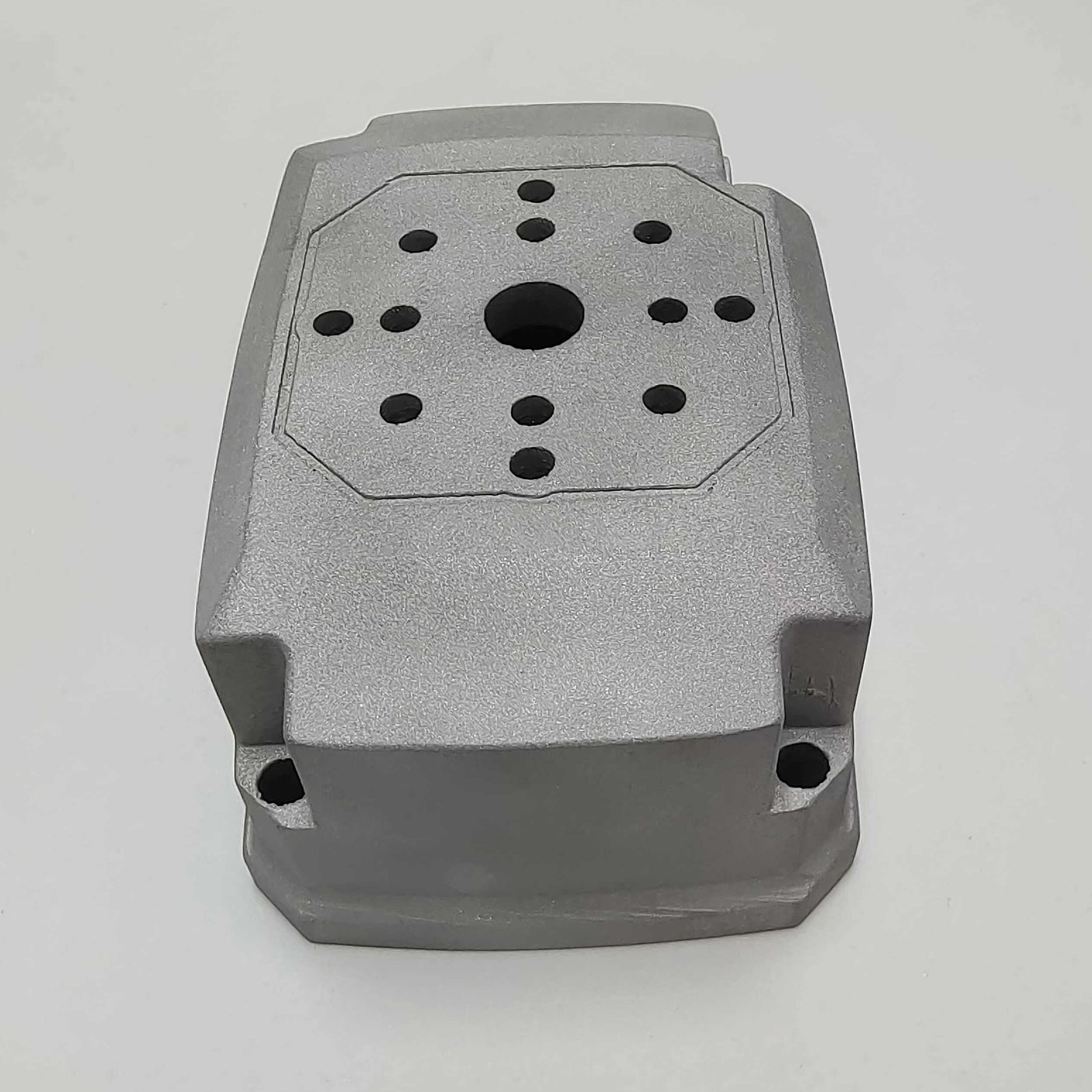
GreatLight CNC Machining Factory sources materials from certified suppliers, compliant with ISO 9001:2015 standards. We work with a wide range of metals, including aluminum alloys, stainless steel, titanium, mold steel, and specialized aerospace-grade alloys. For example, when replicating an obsolete medical hardware component, we sourced a titanium alloy that matched the original’s biocompatibility and strength, ensuring compliance with ISO 13485 medical device standards.
Step 4: CNC Machining Strategy Development
The right CNC machining strategy depends on the part’s complexity, size, and required precision. For simple, flat parts, 3-axis CNC machining may suffice, but for complex obsolete parts with intricate geometries (like turbine blades or robot joints), five-axis CNC machining (opens in new window) is the optimal choice.
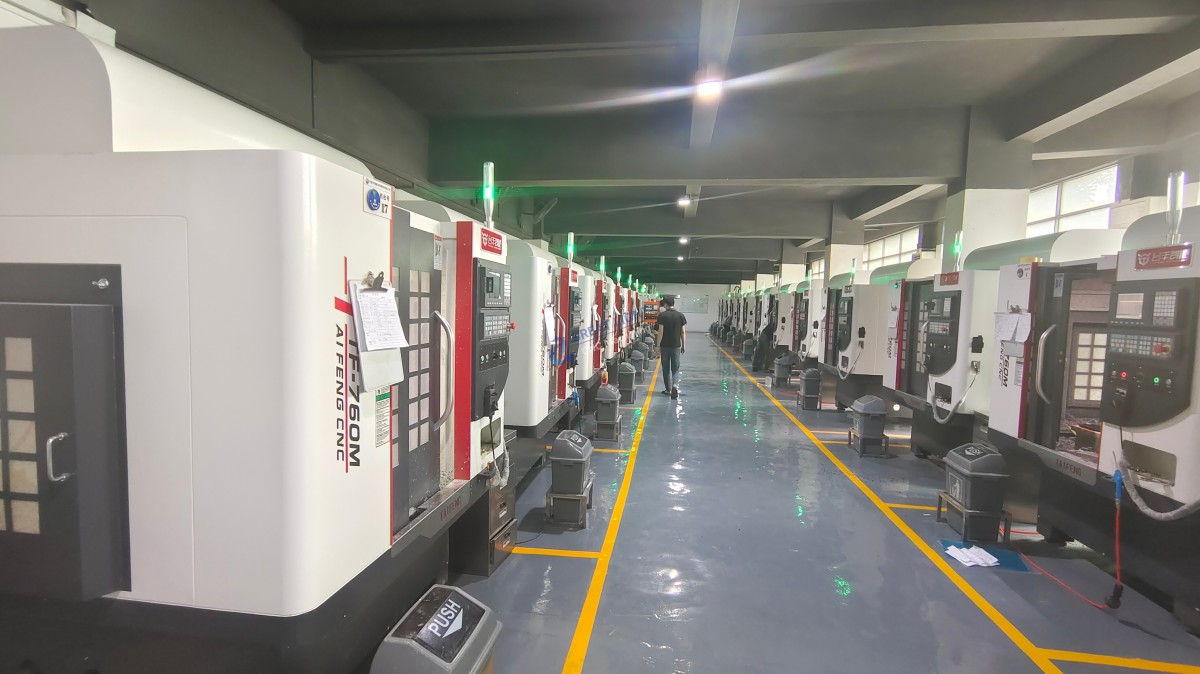
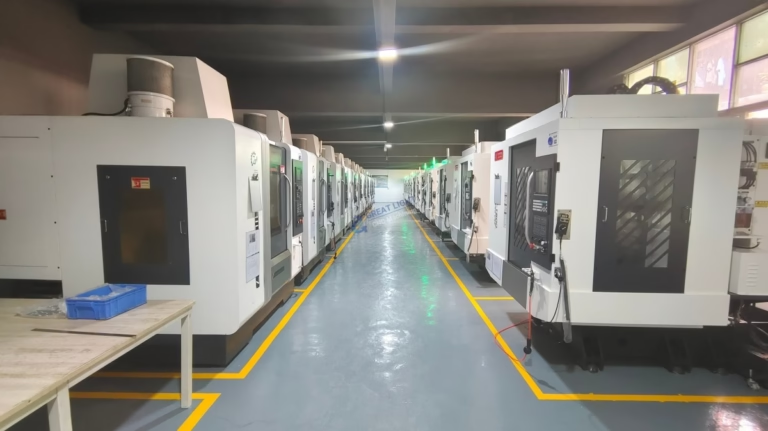
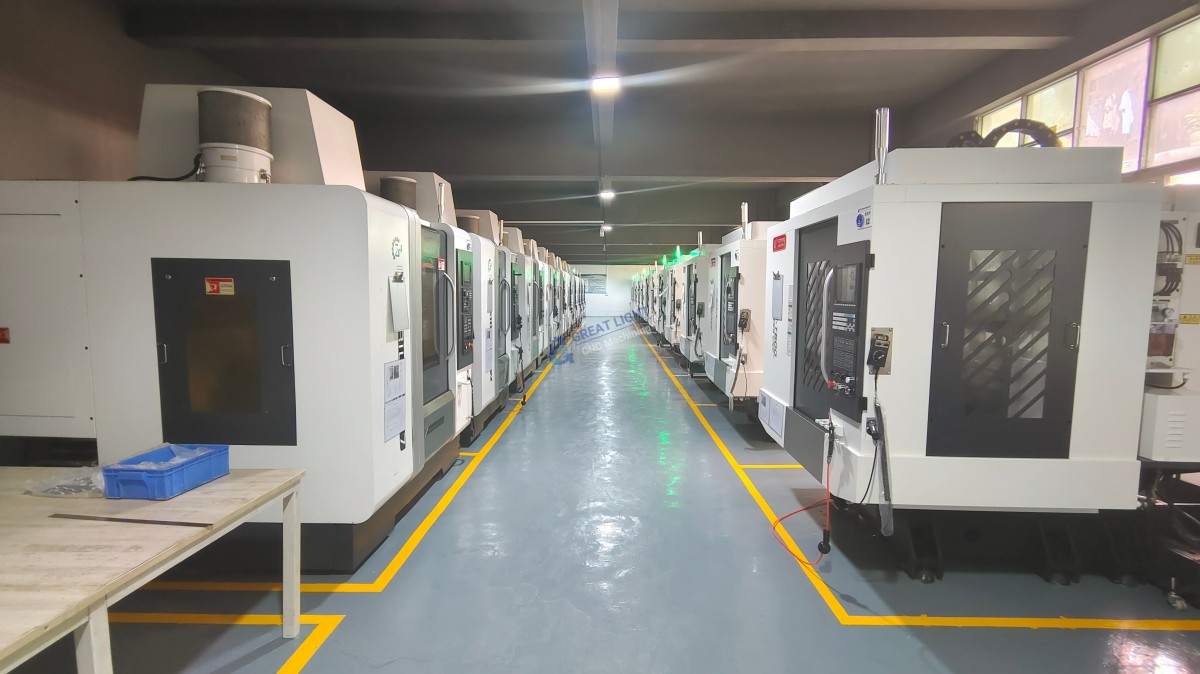
GreatLight’s facility is equipped with 127+ pieces of precision equipment, including large high-precision five-axis, four-axis, and three-axis CNC machining centers. Our five-axis machines can produce parts with complex contours in a single setup, reducing lead times and minimizing errors from multiple repositioning. We also offer a maximum processing size of 4000mm, making us capable of replicating large obsolete parts like structural components for industrial machinery.
Step 5: Prototype Production and Validation
Before full-scale production, we create a prototype to test the part’s fit, form, and function. This step allows us to identify any discrepancies between the CAD model and the original part, making adjustments before investing in mass production.
GreatLight offers rapid prototyping services using CNC milling, SLM 3D printing, or SLA 3D printing, depending on the part’s material and complexity. For example, a client needing to replicate an obsolete automotive engine part received a prototype in 3 days using our SLM aluminum 3D printing service, allowing them to test fit in their engine and provide feedback within a week. Our team uses CMMs to validate the prototype’s precision, ensuring it meets the ±0.001mm tolerance required for critical components.
Step 6: Full-Scale Production and Post-Processing
Once the prototype is approved, we move to full-scale production. Our team follows strict ISO 9001 quality control protocols to ensure every part is identical to the prototype. After machining, we provide one-stop post-processing services to match the original part’s surface finish and performance.
Post-processing options include anodizing, electroplating, powder coating, passivation, and polishing. For example, when replicating an obsolete stainless steel industrial valve, we used passivation to enhance corrosion resistance, matching the original part’s protective coating. Our post-processing team ensures every detail—from the part’s color to its hardness—matches the original component.
Why Choose GreatLight CNC Machining Factory for Obsolete Metal Part Replication?
Unmatched Precision and Technical Expertise
With over 12 years of experience in precision machining, GreatLight has the expertise to handle even the most challenging obsolete part replication projects. Our facilities can achieve tolerances of ±0.001mm, ensuring replicated parts meet or exceed the original’s precision. We hold multiple international certifications, including ISO 9001:2015, ISO 13485 (medical), IATF 16949 (automotive), and ISO 27001 (data security), demonstrating our commitment to quality and compliance.
Comprehensive End-to-End Services
From reverse engineering and 3D modeling to machining and post-processing, GreatLight offers a one-stop solution for obsolete part replication. This eliminates the need to coordinate multiple suppliers, reducing lead times and minimizing communication errors. Our in-house team of engineers, machinists, and quality control specialists work together to ensure every step of the process is seamless and efficient.
Risk Mitigation and After-Sales Guarantee
We understand that replicating obsolete parts carries risks, which is why we offer a comprehensive after-sales guarantee. If a replicated part has quality issues, we provide free rework. If the reworked part still doesn’t meet your expectations, we offer a full refund. This guarantee gives our clients peace of mind, knowing they’re not at risk of losing money on faulty components.
Proven Track Record in Complex Legacy Parts
GreatLight has served clients across a range of industries, including automotive, aerospace, medical, and humanoid robotics. One notable case involves replicating obsolete joint components for a humanoid robot manufacturer. The original parts were no longer produced by the OEM, leading to production delays. Our team used 3D scanning to capture the part’s dimensions, reconstructed the CAD model, and produced 500+ replicated parts using five-axis CNC machining. The parts met the client’s strict tolerance requirements, allowing them to resume production without downtime.
Common Pitfalls to Avoid When Copying Obsolete Metal Parts
Skipping Material Compatibility Testing: Using a cheaper material that doesn’t match the original’s properties can lead to premature part failure, costly downtime, or safety hazards. Always conduct thorough material analysis to ensure compatibility.
Ignoring Design Optimization: Obsolete parts may have inherent flaws (like poor stress distribution) that contributed to their failure. Don’t just replicate the part—use CNC machining to optimize the design for better performance.
Choosing Uncertified Suppliers: Suppliers without industry certifications may cut corners on material quality or machining precision, leading to inconsistent parts. Always partner with an ISO 9001 certified manufacturer like GreatLight.
Overlooking Post-Processing: The surface finish of a part can impact its performance (like corrosion resistance or friction). Ensure your supplier offers post-processing services that match the original part’s finish.
Conclusion
How To Copy Obsolete Metal Parts With CNC Machine? is a process that requires precision, expertise, and a comprehensive approach to reverse engineering and production. By following the steps outlined above—from part analysis to post-processing—you can replicate obsolete metal parts with accuracy and efficiency, minimizing downtime and reducing costs. GreatLight CNC Machining Factory is your ideal partner for this process, offering unmatched technical expertise, one-stop services, and a proven track record of solving complex legacy part challenges. To learn more about our capabilities and client success stories, connect with us on GreatLight Metal’s LinkedIn page (opens in new window).
Frequently Asked Questions (FAQ)
Q1: Can GreatLight copy obsolete parts that are partially damaged or missing sections?
A: Yes. Our engineering team uses advanced 3D scanning and coordinate measuring tools to reconstruct missing or damaged sections of obsolete parts. We cross-reference design principles and client-provided documentation to ensure the replicated part matches the original’s form, fit, and function.
Q2: How long does it take to replicate an obsolete metal part?
A: Lead times vary depending on part complexity, material, and quantity. Prototypes can be ready in 2–5 days, while full-scale production runs take 7–15 days. We also offer expedited services for urgent projects, with lead times as short as 3 days for prototype production.
Q3: Does GreatLight provide material testing for replicated parts?
A: Absolutely. We have in-house precision measurement and testing equipment to verify that all materials meet your specifications. Our material testing includes hardness testing, tensile strength testing, and corrosion resistance testing, compliant with ISO 9001 standards.
Q4: Can GreatLight replicate parts with special surface finishes or coatings?
A: Yes. Our one-stop post-processing services include anodizing, electroplating, powder coating, passivation, polishing, and more. We can match almost any surface finish, from matte to high-gloss, and ensure the coating meets industry-specific standards (like medical device biocompatibility or automotive corrosion resistance).
Q5: What if the replicated part doesn’t fit or perform as expected?
A: We offer a comprehensive after-sales guarantee. If the replicated part has quality issues, we will provide free rework to correct the problem. If the reworked part still doesn’t meet your expectations, we will issue a full refund.
Q6: Does GreatLight handle small batch production for obsolete parts?
A: Yes. We can handle small batches (as few as 1 part) to large-scale production runs (10,000+ parts). Our flexible production lines allow us to adjust to your quantity requirements without compromising on quality or lead times.
Q7: Is GreatLight able to replicate parts made from rare or discontinued alloys?
A: Yes. Our material engineering team has extensive experience identifying alternative alloys that match the original’s mechanical and chemical properties. We source materials from certified suppliers and conduct thorough testing to ensure compatibility with the original part’s operating conditions.