
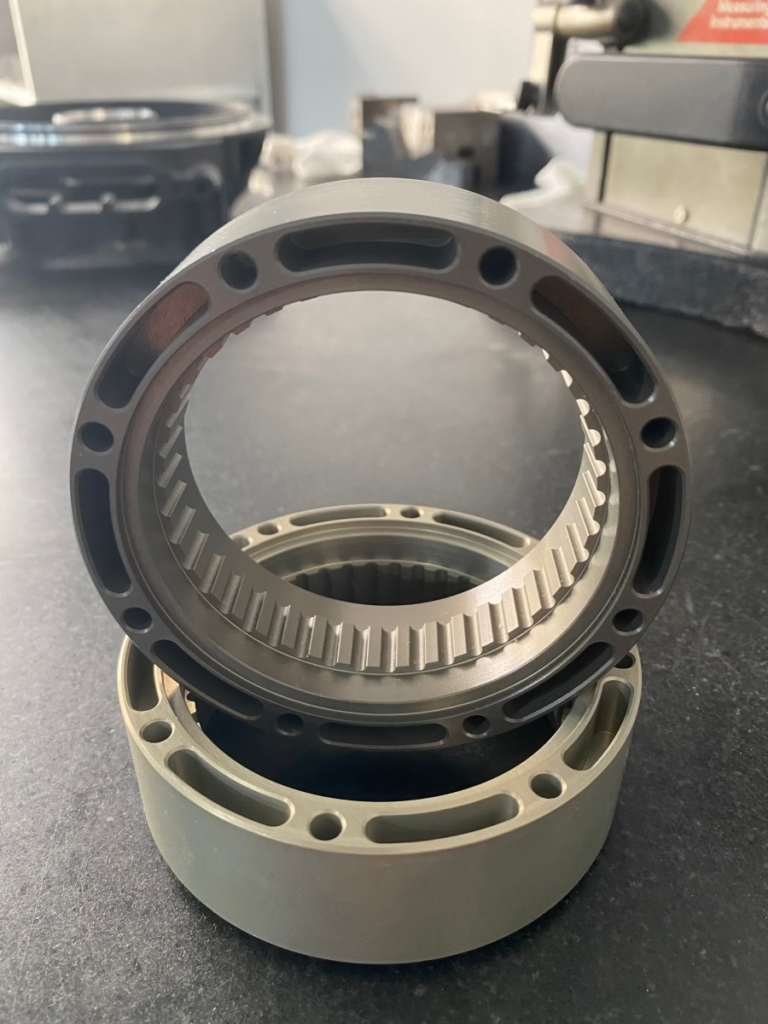
In the realm of precision parts machining and customization, the CNC turning machine stands as one of the most fundamental and versatile pillars of modern manufacturing. At its core, a CNC turning machine is a computer-numerically-controlled lathe that transforms raw material—typically metal, plastic, or composite rods—into precise, rotationally symmetric components. For clients seeking to understand the machinery that will fabricate their critical parts, knowing how a CNC turning machine works demystifies the process and highlights the engineering precision involved.
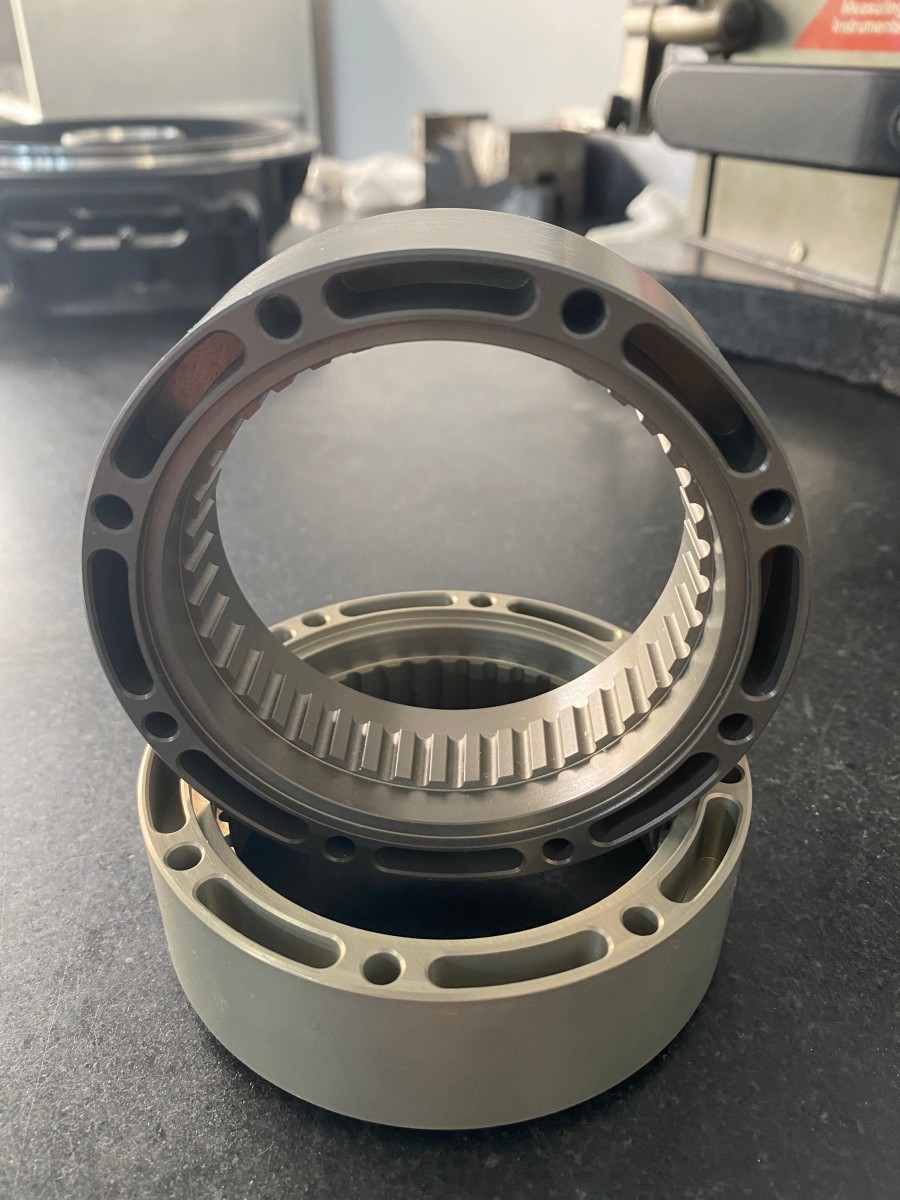
The Core Principle: Rotary Motion and Linear Tool Paths
Unlike milling, where the tool rotates and the workpiece is stationary, turning reverses this relationship. The foundational principle is simple yet powerful: the workpiece is securely clamped and rotated at high speed by the machine’s spindle. A cutting tool, held rigidly in a tool turret or tool post, is then precisely fed into the rotating workpiece along linear or contouring paths. This subtractive process removes material to create cylindrical shapes, contours, tapers, threads, and bored features.
Deconstructing the Key Components
To grasp how a CNC turning machine works, one must understand its major subsystems:
The Machine Structure & Bed: The heavy, rigid foundation (often cast iron) absorbs vibrations and ensures geometric stability, which is critical for achieving micron-level tolerances.
The Spindle & Chuck: The heart of the lathe. The spindle, driven by a high-torque motor, rotates the chuck that grips the workpiece. High-precision spindles with minimal runout are essential for concentricity.
The Tool Turret: This is the machine’s “toolbox.” An indexable turret holds multiple cutting tools (turning tools, boring bars, drills, threaders). Under CNC command, it rotates swiftly to bring the correct tool into the cutting position, enabling complex operations without manual intervention.
The Axis System:
X-axis: Controls the tool’s movement radially, inward and outward from the centerline of the spindle, determining the part’s diameter.
Z-axis: Controls the tool’s movement parallel to the spindle axis, determining the part’s length and longitudinal features.
Modern advanced lathes may incorporate C-axis (spindle rotation control for milling/drilling off-center) and Y-axis (vertical movement), evolving into powerful mill-turn centers capable of近乎 complete part加工 in one setup.
The CNC Controller & Drive System: This is the “brain.” It interprets the G-code program (the set of instructions derived from your CAD model) and converts it into electrical signals. These signals command servo motors and ball screws to move the tool turret and slides with exceptional accuracy and repeatability.
Coolant System: Delivers a steady stream of coolant to the cutting zone to dissipate heat, lubricate the cut, break chips, and flush away debris, thereby protecting tool life and ensuring surface finish quality.
The Working Cycle: From Digital Blueprint to Physical Part
The operational workflow of a CNC turning machine is a symphony of automated precision:
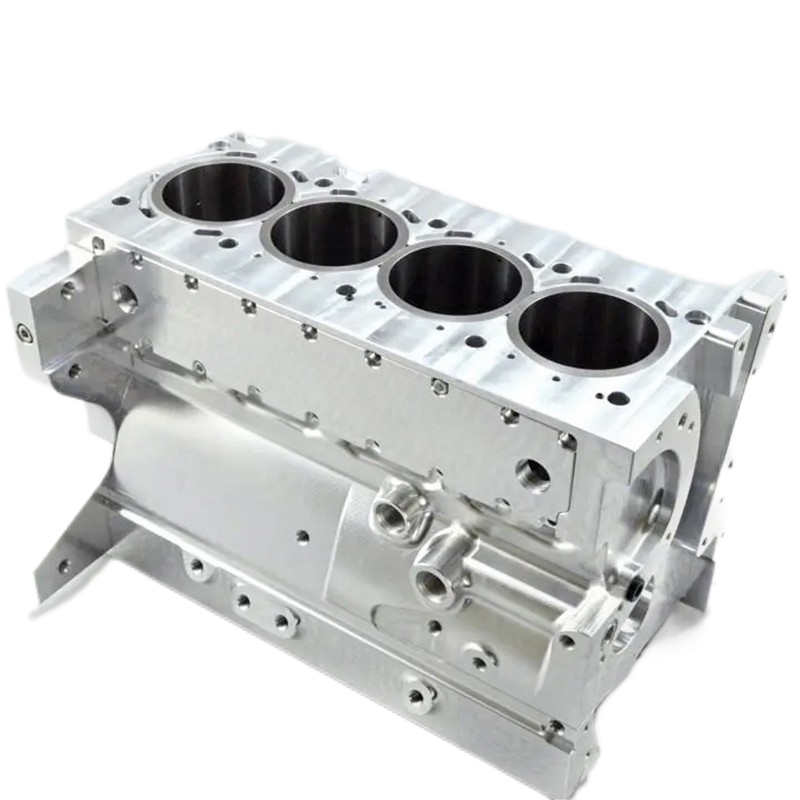
Phase 1: Preparation & Setup
Programming: A CAD model of the part is converted into CAM software, where a machining expert defines toolpaths, cutting speeds, feed rates, and depth of cuts. This generates the G-code program.
Setup: The operator mounts the correct raw material (bar stock, forging, or pre-formed blank) into the chuck or collet. Tools are loaded into the turret stations and their positions are meticulously measured and input into the CNC control—a process called tool offsetting.
Phase 2: The Machining Execution
The Cycle Starts: The operator initiates the program. The machine door closes for safety.
Spindle Activation: The spindle accelerates to the programmed RPM, rotating the workpiece.
Tool Engagement: The turret indexes to position tool #1. The CNC controller commands the X and Z axes to move the tool to the precise starting coordinate.
Material Removal: Following the G-code path, the tool engages the rotating workpiece, shearing away material in controlled layers (passes). Chips are formed and evacuated.
Dynamic Tool Changes: After completing its operation (e.g., roughing the outer diameter), the tool retracts. The turret rotates to bring the next tool (e.g., a finishing tool or a drill) into position, and the next sequence begins.
In-Process Control (Optional): On high-end machines, probes may check critical dimensions mid-cycle, allowing the control to automatically adjust tool offsets for drift, ensuring consistency.
Phase 3: Completion & Part Handling
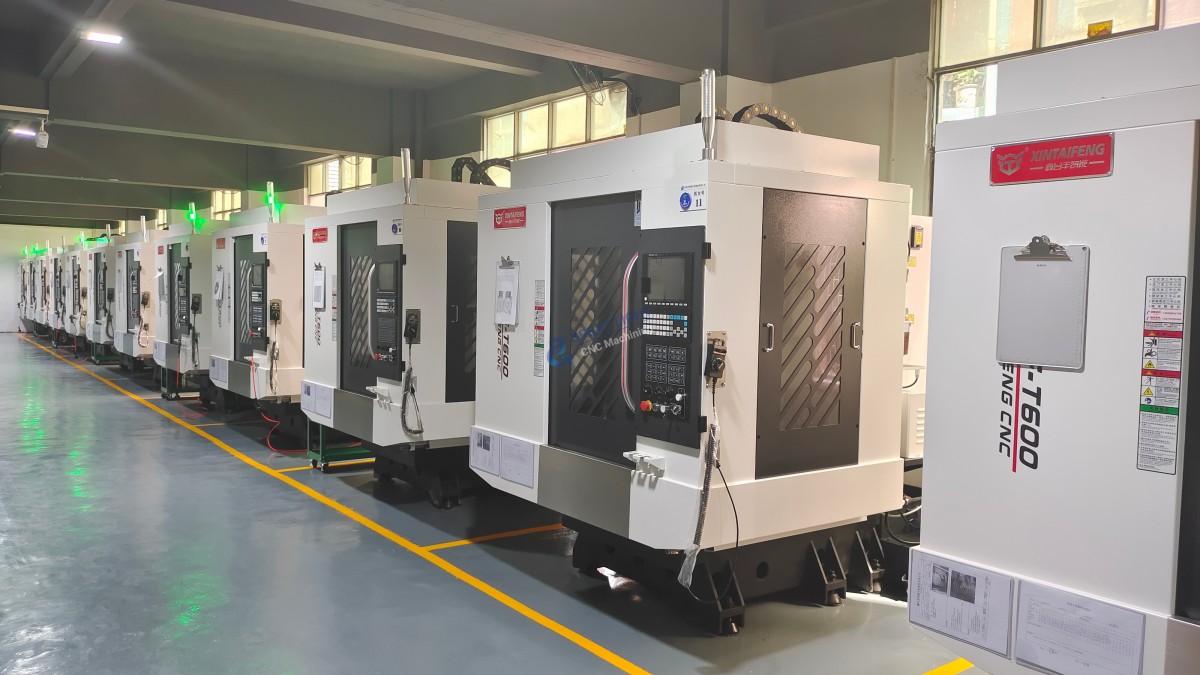
Once the final operation is complete, the tools retract, and the spindle stops.
For bar-fed machines, the finished part is cut off from the bar stock, and the bar feeds forward to prepare the next part, enabling lights-out production.
The finished component is then removed, ready for deburring, measurement, and any secondary post-processing.
The Evolution: CNC Turning in Advanced Manufacturing
The basic turning process has evolved to meet the demands for greater complexity and efficiency. This is where companies with deep technical integration, like GreatLight CNC Machining Factory, demonstrate significant value.
Multi-Axis Mill-Turn Centers: These machines combine turning and milling capabilities. A part can be turned, then have off-center holes, flats, or complex contours milled—all in a single setup. This eliminates alignment errors between multiple machines and drastically reduces lead times.
Live Tooling: Tools in the turret (like drills or end mills) can themselves rotate, allowing for milling and drilling operations to be performed without unclamping the workpiece.
Sub-Spindle & Backworking: A secondary spindle on the opposite side can take the part after initial operations, allowing machining on the backside of the component, enabling complete 5-axis加工 of complex parts in one cycle.
Automated Integration: Turning centers are often integrated with robotic part loaders/unloaders and conveyor systems to form a flexible manufacturing cell, ideal for high-volume production of precision turned parts.
Conclusion
Understanding how a CNC turning machine works reveals more than just mechanics; it unveils the pathway from a digital design to a high-precision, functional component. It is a process built on stability, precise motion control, and sophisticated programming. For projects requiring cylindrical parts with tight tolerances and excellent surface finishes—from simple shafts and bushings to complex medical implant housings or aerospace fittings—CNC turning remains indispensable. Partnering with a manufacturer that not only operates advanced turning equipment but also possesses the engineering expertise to optimize the entire process, from material selection to toolpath strategy, is crucial for transforming your designs into flawlessly executed reality.
Frequently Asked Questions (FAQ)
Q1: What materials can be processed on a CNC turning machine?
A: CNC turning is highly versatile and can handle a wide range of materials, including but not limited to:
Metals: Aluminum (series 6061, 7075, etc.), Stainless Steel (303, 304, 316), Carbon Steel, Brass, Copper, Titanium, and Inconel.
Plastics: Delrin (POM), Nylon, PTFE, PEEK, Acrylic.
Composites: Certain reinforced plastics and machinable ceramics. The key is selecting the appropriate cutting tools, speeds, and feeds for the material.
Q2: What are the typical tolerances achievable with precision CNC turning?
A: Standard precision CNC turning can consistently hold tolerances of ±0.025 mm (±0.001 inch). With optimized processes, high-end machines, and stable environmental controls, tolerances as tight as ±0.005 mm (±0.0002 inch) or better on critical dimensions are achievable for suitable geometries and materials.
Q3: How does CNC turning differ from CNC milling, and when should I choose one over the other?
A: The core difference is the motion: turning rotates the workpiece against a stationary tool to create cylindrical shapes, while milling rotates the tool against a stationary workpiece to create complex 3D contours, pockets, and flat features.
Choose Turning for: Parts with rotational symmetry (round, conical), such as pins, nozzles, shafts, sleeves, and flanges.
Choose Milling for: Parts with complex 3D geometries, prismatic shapes, pockets, slots, and intricate surface details.
Choose a Mill-Turn Center for: Parts that require features from both categories, maximizing efficiency and accuracy by completing the part in one setup.
Q4: What design considerations should I keep in mind for turned parts to ensure manufacturability and cost-effectiveness?
A: Key Design for Manufacturability (DFM) tips include:
Standardize Dimensions: Use standard drill sizes, thread types, and tool radii where possible.
Avoid Unnecessary Tight Tolerances: Specify tight tolerances only where functionally critical, as they increase cost and cycle time.
Consider Tool Access: Ensure internal features and deep grooves are accessible with standard boring bars and tools.
Specify Appropriate Surface Finish: A fine finish requires slower feeds and additional passes. Define the necessary finish (e.g., Ra 0.8µm) rather than requesting the “best possible.”
Q5: For complex parts that aren’t purely cylindrical, is turning still an option?
A: Absolutely. This is where modern multi-axis mill-turn centers excel. A part can start as a cylindrical blank created by turning. Then, using live tooling and C/Y-axis movements, the machine can mill flats, drill offset holes, and engrave features—all without removing the part from the chuck. This integrated approach, a specialty of advanced manufacturers, is ideal for complex components like valve bodies, orthopedic implants, and connector housings. For projects demanding such comprehensive capability, exploring a partner’s multi-axis and mill-turn expertise is highly recommended. To see how this advanced manufacturing philosophy is applied in professional networks, you can follow industry insights on platforms like LinkedIn.



















