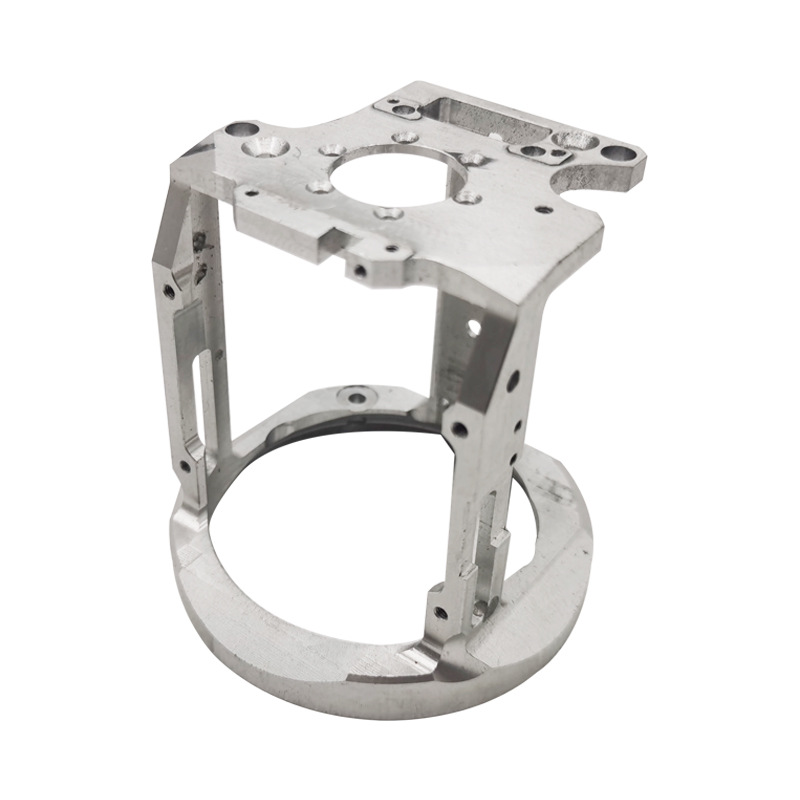
Unlocking Manufacturing Potential: How Five-Axis CNC Machining Drives Precision and Innovation
In the realm of modern manufacturing, CNC (Computer Numerical Control) machining stands as a cornerstone of precision engineering, enabling the production of complex components with unparalleled accuracy. Among its variants, five-axis CNC machining has emerged as a game-changer, addressing challenges that traditional three-axis or four-axis systems cannot. For industries demanding high-precision parts—such as aerospace, automotive, medical devices, and robotics—five-axis CNC machining is not just an option but a necessity.
This article explores the mechanics of five-axis CNC machining, its advantages over conventional methods, and why GreatLight CNC Machining Factory is the ideal partner for your custom precision part needs.
The Evolution of CNC Machining: From Three to Five Axes
What Is CNC Machining?
CNC machining involves using computer-controlled machines to shape raw materials (metals, plastics, or composites) into finished parts based on digital 3D models. The process relies on subtractive manufacturing, where material is removed via cutting tools like end mills, drills, or lathes.
The Limitations of Three-Axis and Four-Axis Machining
Three-axis machining operates along the X, Y, and Z axes (horizontal, vertical, and depth). While suitable for simple geometries, it struggles with undercuts, deep cavities, or angled surfaces, requiring multiple setups and increasing error risks.
Four-axis machining adds rotational movement around the X-axis (A-axis), enabling better access to side features but still limited in handling complex 3D contours.
Why Five-Axis CNC Machining?
Five-axis machining introduces two additional rotational axes (typically A and B, or A and C), allowing the cutting tool to approach the workpiece from any direction in a single setup. This capability unlocks:
Unmatched precision (tolerances as tight as ±0.001mm).
Reduced lead times by eliminating multiple repositioning steps.
Enhanced surface finish due to optimal tool angles.
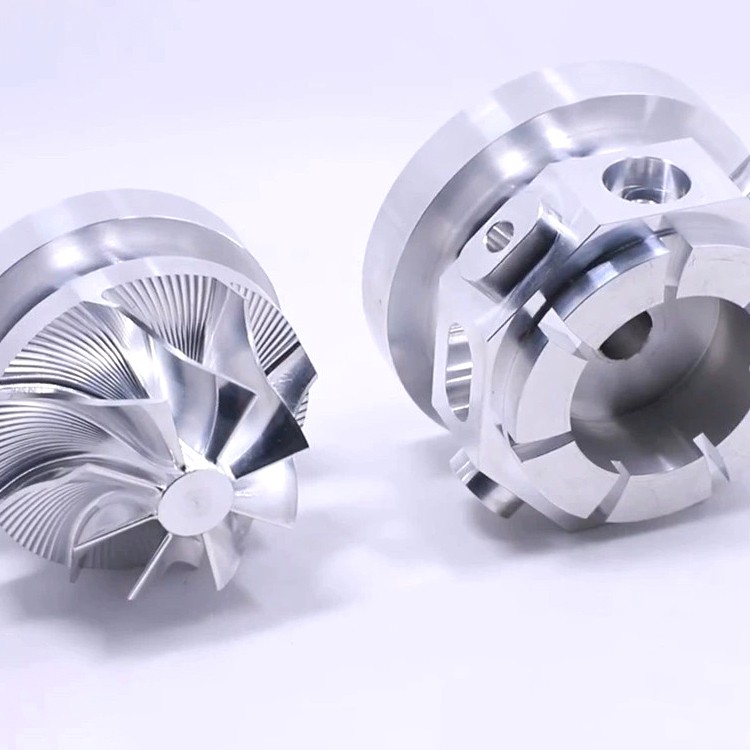
Complex geometry machining (e.g., turbine blades, impellers, medical implants).
How Five-Axis CNC Machining Works: A Technical Deep Dive
The Five Axes Explained
X-Axis: Horizontal movement (left/right).
Y-Axis: Vertical movement (forward/backward).
Z-Axis: Depth movement (up/down).
A-Axis: Rotation around the X-axis (tilting the tool or workpiece).
B-Axis: Rotation around the Y-axis (swiveling the tool or workpiece).
(Some systems use C-axis rotation around the Z-axis instead of B.)
Key Components of a Five-Axis CNC Machine
Machine Bed: Rigid structure to minimize vibrations.
Spindle: Holds the cutting tool and rotates at high speeds (up to 30,000 RPM).
Rotary Tables/Trunnions: Enable workpiece rotation (A and B axes).
Control System: Advanced software (e.g., Siemens, Fanuc, Heidenhain) translates 3D models into machine instructions.
Cooling Systems: Prevent thermal distortion during prolonged operations.
The Machining Process
CAD Modeling: A 3D design is created using software like SolidWorks or AutoCAD.
CAM Programming: The model is converted into G-code, specifying tool paths, speeds, and feeds.
Machine Setup: The workpiece is clamped, and the tool is calibrated.
Simultaneous Five-Axis Machining: The tool moves along X, Y, Z while rotating on A and B axes, achieving continuous cutting for complex shapes.
Quality Inspection: Finished parts are verified using CMM (Coordinate Measuring Machines) or laser scanners.
Why Choose Five-Axis CNC Machining for Your Project?
1. Superior Precision and Repeatability
Five-axis machines minimize human error by automating tool positioning, ensuring consistent quality across batches.
2. Cost Efficiency for Complex Parts
While initial setup costs are higher, five-axis machining reduces material waste, labor, and time by eliminating multiple operations.
3. Versatility Across Industries
From aerospace components (e.g., engine housings) to medical implants (e.g., titanium hip joints), five-axis CNC excels in high-stakes applications.
4. Future-Proof Technology
As industries demand lighter, stronger, and more intricate parts, five-axis machining remains at the forefront of additive-subtractive hybrid manufacturing.
GreatLight CNC Machining Factory: Your Partner in Precision
For over a decade, GreatLight CNC Machining Factory has specialized in five-axis CNC machining, offering end-to-end solutions for custom metal and plastic parts. Here’s why we stand out:
1. Advanced Equipment and Expertise
127+ precision machines, including Dema and Beijing Jingdiao five-axis CNC centers.
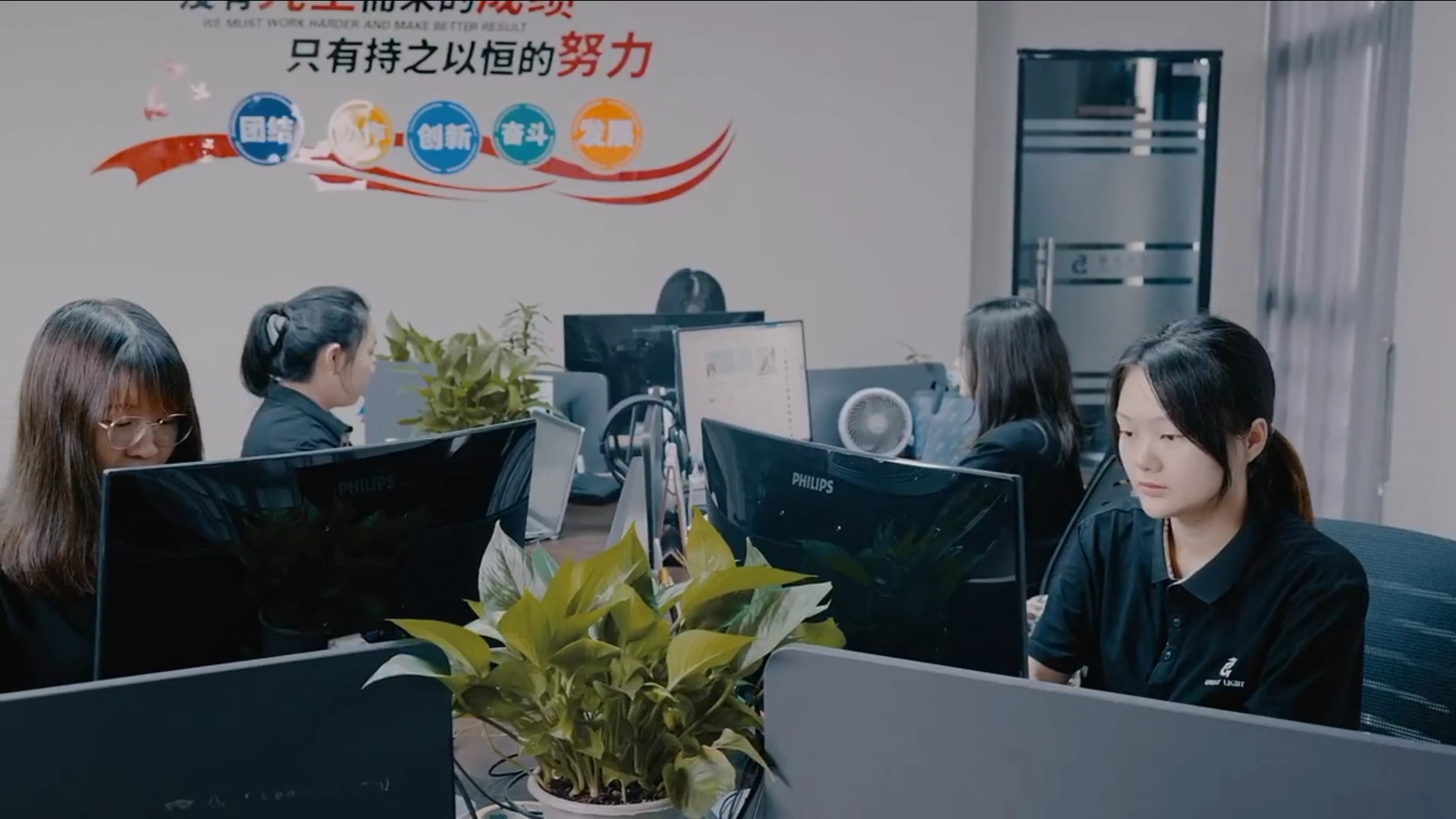
150+ skilled engineers with expertise in aerospace, automotive, and medical-grade manufacturing.
2. Full-Process Chain Integration
Beyond CNC machining, we provide:
3D printing (SLM, SLA, SLS) for rapid prototyping.
Die casting and sheet metal fabrication for cost-effective production.
One-stop surface finishing (polishing, anodizing, painting).
3. Certifications You Can Trust
ISO 9001:2015 (Quality Management).
ISO 13485 (Medical Hardware).
IATF 16949 (Automotive Supply Chain).
ISO 27001 (Data Security for IP-sensitive projects).
4. Unmatched Precision and Scalability
Tolerances down to ±0.001mm.
Max processing size: 4000mm.
Free rework or full refund for quality issues.
5. Global Reach, Local Expertise
Located in Dongguan—China’s “Hardware and Mould Capital”—we serve clients worldwide, from Silicon Valley startups to European automotive giants.
Conclusion: Elevate Your Manufacturing with Five-Axis CNC
In an era where precision, speed, and reliability define success, five-axis CNC machining is no longer a luxury but a necessity. Whether you’re developing humanoid robot components, automotive engine parts, or aerospace structures, partnering with a certified, full-service provider like GreatLight CNC Machining Factory ensures your project’s success.
Explore our five-axis CNC machining services today and discover how we can turn your complex designs into high-precision realities.
Frequently Asked Questions (FAQs)
Q1: What materials can be processed with five-axis CNC machining?
A: Almost any material, including aluminum, stainless steel, titanium, brass, plastics (PEEK, ABS), and composites.
Q2: How does five-axis machining compare to 3D printing?
A: Five-axis CNC offers higher precision and stronger mechanical properties for functional parts, while 3D printing excels in rapid prototyping and complex geometries with minimal material waste.
Q3: What is the typical lead time for a five-axis CNC project?
A: Lead times vary based on complexity but range from 3–15 days for prototyping and 2–8 weeks for mass production.
Q4: Can GreatLight handle IP-sensitive projects?
A: Yes! We comply with ISO 27001 standards to ensure your designs and data remain confidential.
Q5: How does GreatLight ensure part quality?
A: We use in-house CMM inspection, laser scanning, and rigorous quality checks at every production stage, backed by ISO 9001:2015 certification.
Q6: What industries does GreatLight serve?
A: Our expertise spans automotive, aerospace, medical devices, robotics, consumer electronics, and industrial automation.
Q7: Does GreatLight offer design assistance for complex parts?
A: Absolutely! Our engineering team provides DFM (Design for Manufacturing) feedback to optimize your parts for cost and performance.
Connect with us on LinkedIn to stay updated on industry trends and case studies!
This article was crafted with input from GreatLight CNC Machining Factory’s technical team, ensuring accuracy and relevance to precision manufacturing challenges.