

If you’ve ever wondered how CNC bending machine works to shape flat metal sheets into precise, functional components—from automotive chassis brackets to medical device enclosures—you’re not alone. This technology is a cornerstone of modern sheet metal fabrication, bridging the gap between digital designs and physical parts with unmatched accuracy.
How CNC Bending Machine Works?
Before diving into the step-by-step process, it’s critical to distinguish CNC bending from traditional manual bending. Unlike manual press brakes that rely on operator skill for every bend, CNC (Computer Numerical Control) bending machines use pre-programmed instructions to automate the entire process, eliminating human error and ensuring consistent results across hundreds or thousands of parts. To fully grasp its functionality, let’s break down its core components, working steps, and key advantages.
Core Components of a CNC Bending Machine
Every CNC bending machine operates using a set of integrated components, each playing a vital role in delivering precise bends:
Press Brake Bed & Ram: The fixed bed holds the lower die, while the movable ram (upper beam) carries the top punch. Hydraulic or electric systems drive the ram down to apply controlled pressure—hydraulic systems are ideal for thick, heavy materials, while electric actuators offer faster, quieter operation for thin sheets.
Punch & Die Set: Customizable tooling where the punch (upper tool) presses the sheet into the die’s V-shaped groove. The die’s V-width and punch radius are matched to the material thickness and desired bend angle to avoid cracking or deformation.
CNC Backgauge: A computer-controlled positioning system that adjusts automatically to set the sheet’s distance from the bend line. This ensures every part is positioned identically, delivering repeatable results down to ±0.05mm.
Control System: The machine’s “brain,” translating CAD/CAM design files into G-code or M-code instructions. Modern systems feature touchscreen interfaces and 3D simulation tools to preview bends and identify potential errors before production starts.
Material Clamping Unit: A hydraulic or pneumatic clamp that secures the sheet metal in place during bending, preventing shifting that could compromise precision.
Step-by-Step Working Process of CNC Bending
The journey from a flat metal sheet to a finished bent component follows a structured, automated workflow:
1. Pre-Machining Preparation
Before any bending begins, the engineering team completes three critical tasks:
Material Validation: Selecting the right material (aluminum, steel, stainless steel, etc.) and verifying its thickness, tensile strength, and springback characteristics—springback refers to the slight return of metal to its original shape after bending, which must be compensated for in programming.
Design Feasibility Check: Using CAD software to review bend angles, radii, and dimensions. For example, a part with a 90° bend on a thin aluminum sheet will require a different die setup than a 120° bend on thick stainless steel.
Tooling Setup: Installing the correct punch and die set based on the material and design. At GreatLight Metal, this step is standardized to ensure tooling alignment meets ISO 9001:2015 quality standards.
2. CNC Programming
The design file is imported into a CAM (Computer-Aided Manufacturing) software, which generates a detailed program specifying:
Number and sequence of bends
Ram speed and force
Backgauge positions for each bend
Compensation for material springback
GreatLight’s engineers use advanced simulation tools to run through the program virtually, checking for tooling collisions, incorrect bend sequences, or material waste—this proactive step reduces rework by up to 90% for complex parts.
3. Material Clamping & Positioning
The metal sheet is loaded onto the press brake bed, and the CNC backgauge adjusts to the first programmed position. The clamping unit secures the sheet tightly, ensuring no movement during bending. For large sheets, automated feeders may be used to streamline this process.
4. Bending Execution
Once the sheet is positioned, the ram descends according to the program, pressing the sheet into the die to form the desired angle. For parts with multiple bends, the backgauge automatically repositions between each operation, and the ram adjusts its force and speed as needed. This automated sequence ensures every part in a batch matches the exact design specifications.
5. In-Process Quality Inspection
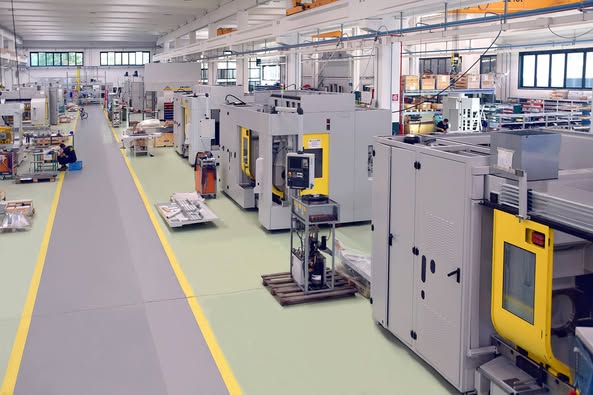
GreatLight’s team integrates real-time quality checks into the workflow. Using precision measuring tools like digital calipers and angle gauges, technicians verify bend angles, dimensions, and surface quality after every 10-20 parts. If inconsistencies are detected, the CNC program is adjusted immediately to correct the issue.
6. Post-Bending Finishing
After bending, parts undergo one-stop post-processing services tailored to the application:
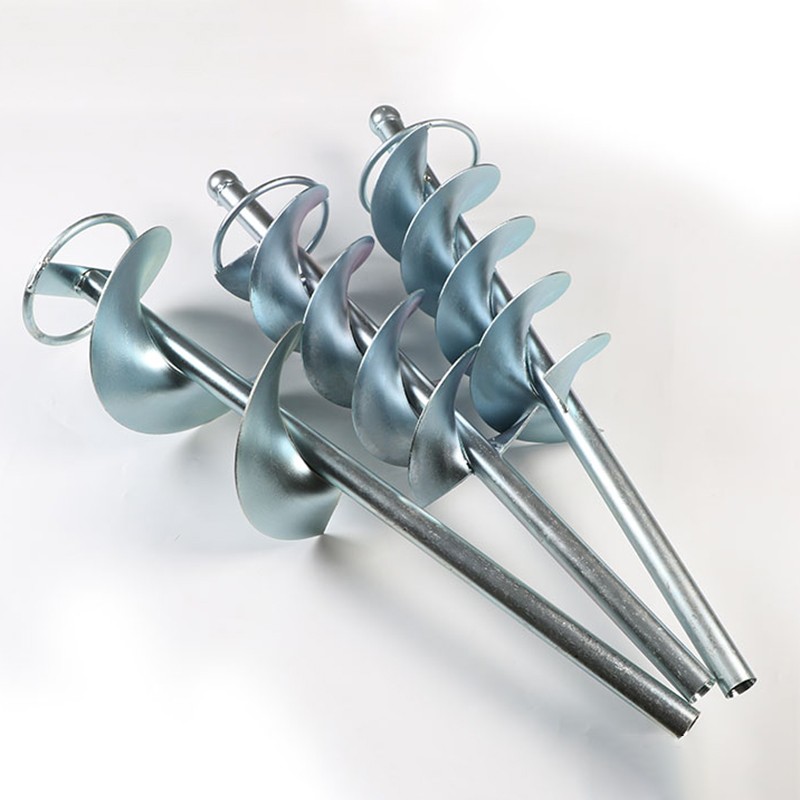
Deburring to remove sharp edges
Sandblasting or powder coating for corrosion resistance
Anodizing for aluminum parts to enhance durability and aesthetics
GreatLight’s comprehensive post-processing capabilities eliminate the need for clients to coordinate with multiple suppliers, reducing lead times and ensuring quality consistency.
Advantages of CNC Bending Over Traditional Methods
CNC bending offers clear benefits over manual or semi-automatic bending, making it the preferred choice for precision manufacturing:
Unmatched Precision: Achieves bend angle tolerances of ±0.1° and length tolerances of ±0.05mm, critical for high-end sectors like aerospace and medical devices.
Consistency: Automated operation ensures every part in a batch is identical, eliminating variability caused by human error.
Efficiency: Fast setup times (as little as 30 minutes for standard parts) and automated bending reduce lead times by 50% compared to manual methods.
Versatility: Handles materials from 0.5mm thin aluminum sheets to 12mm thick steel plates, and can form complex geometries with up to 10+ sequential bends.
Cost-Effectiveness: Reduced material waste and rework lower overall project costs, especially for medium to large production runs.
How GreatLight Metal Elevates CNC Bending for Custom Precision Parts
GreatLight Metal (formerly GreatLight CNC Machining Factory) has integrated CNC bending into its one-stop sheet metal processing services, leveraging over a decade of industry experience to solve client pain points:
Certified Quality Backing: As an ISO 9001:2015 and IATF 16949 certified manufacturer, GreatLight adheres to strict quality control protocols for every bending project. For automotive clients, this compliance ensures parts meet the rigorous standards of the automotive supply chain.
Springback Expertise: GreatLight’s engineering team specializes in calculating and compensating for material springback, ensuring final parts meet even the tightest precision requirements. For example, when a robotics client needed custom aluminum brackets with 5 sequential bends and ±0.05° tolerance, the team adjusted the program to add 1-2° to each bend, compensating for aluminum’s natural springback and delivering 2,000 defect-free parts in 3 days.
Full-Process Integration: CNC bending is paired with other services like CNC machining, 3D printing, and die casting to provide end-to-end solutions. This means clients can get a single component that combines bent sheet metal with machined features without coordinating multiple vendors.
Reliable After-Sales Guarantee: If parts fail to meet quality standards, GreatLight offers free rework. If rework still doesn’t satisfy the client, a full refund is provided—this commitment to trust has earned them long-term partnerships with clients in 20+ countries.
Conclusion
Now that you fully understand how CNC bending machine works, it’s clear that this technology is essential for producing high-precision, consistent sheet metal components. However, the quality of the final part depends not just on the machine, but on the expertise of the team operating it. GreatLight Metal combines advanced CNC bending equipment with decades of engineering experience, certified quality systems, and one-stop services to deliver parts that meet your exact specifications, on time and within budget. Whether you need a single prototype or a large production run, partnering with a trusted provider like GreatLight ensures your sheet metal bending project is in capable hands.
Frequently Asked Questions (FAQ)
1. What materials can CNC bending machines handle?
CNC bending machines work with most common metal sheets, including aluminum, carbon steel, stainless steel, copper, brass, and even some rigid plastic sheets. GreatLight’s machines can handle material thicknesses from 0.5mm to 12mm, depending on the material type.
2. What is the maximum precision achievable with CNC bending?
Professional CNC bending machines can achieve bend angle tolerances of ±0.1° and length tolerances of ±0.05mm. GreatLight enhances this by accounting for material springback during programming, ensuring final parts meet precision standards down to ±0.001mm when combined with other machining processes.
3. How long does a CNC bending project take to complete?
Lead times vary based on project complexity, batch size, and material availability. For small custom prototypes, GreatLight can deliver bent parts in 1-2 days. For medium to large production runs, lead times range from 3 to 7 days, with expedited options available for urgent orders.
4. Can CNC bending handle complex geometries with multiple bends?
Yes. Modern CNC bending machines, paired with advanced programming software, can handle parts with up to 10+ sequential bends. GreatLight’s engineers specialize in optimizing bend sequences to avoid tooling collisions and ensure all features are accurately formed, even for intricate components used in robotics or medical devices.
5. What happens if my bent parts don’t meet the specified quality standards?
GreatLight offers a comprehensive after-sales guarantee: if parts have quality issues, they provide free rework to correct the problem. If rework still doesn’t meet your requirements, you’ll receive a full refund. This commitment is backed by their ISO 9001:2015 certification and decades of industry experience.
6. Do I need to provide a CAD file for CNC bending projects?
Yes, a detailed CAD file (preferably in STEP or IGES format) is required to program the CNC machine. GreatLight’s engineering team can also assist with design refinement if your file needs adjustments for manufacturability. To learn more about their design support, you can visit their official LinkedIn page GreatLight Metal for additional resources.



















