
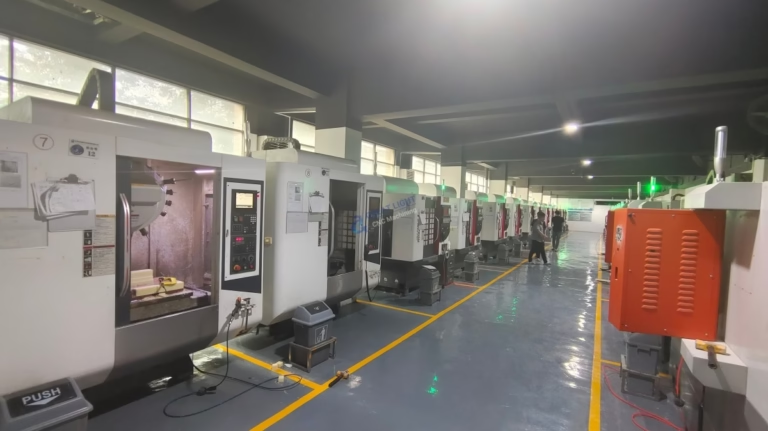
If you’re in the precision parts machining and customization field, you’ve likely asked: How A CNC Lathe Machine Works? Understanding this core equipment’s operation is key to making informed decisions about prototype development, small-batch production, or large-scale manufacturing of metal and plastic components. Whether you’re designing a medical implant, an automotive engine part, or a custom industrial automation component, knowing the ins and outs of CNC lathe machining helps you set realistic expectations, optimize design for manufacturability, and select the right manufacturing partner.
How A CNC Lathe Machine Works?
At its core, a CNC (Computer Numerical Control) lathe is a precision machine tool that uses computer programming to control the cutting of rotating material into desired shapes. Unlike manual lathes, which rely on a machinist’s hands-on skill to operate cutting tools, CNC lathes automate the process, ensuring consistent precision, repeatability, and efficiency—even for complex, high-tolerance parts.
The Core Principle of CNC Lathe Machining
CNC lathe machining is a subtractive manufacturing process centered on turning: a workpiece (metal or plastic stock) rotates at high speed while a stationary cutting tool removes excess material to create cylindrical, conical, or threaded components. The tool moves along two primary axes (X and Z) to shape the part, with modern CNC lathes sometimes offering additional axes for more intricate geometries. This method is ideal for producing parts like shafts, bolts, bushings, valve guides, and crankshafts, where rotational symmetry is key.
Step-by-Step: The Operational Flow of a CNC Lathe
Let’s break down the full lifecycle of a CNC lathe job, from design to finished component:
Design & Programming
The process starts with a 3D CAD (Computer-Aided Design) model of the desired part. Experienced engineers then use CAM (Computer-Aided Manufacturing) software to translate this model into G-code—an alphanumeric programming language that tells the CNC lathe exactly how to move the cutting tools, adjust spindle speed, and control feed rates. For businesses seeking reliable precision CNC machining services, partnering with an experienced manufacturer like GreatLight CNC Machining Factory is critical—and their precision 5-axis CNC machining services can handle even the most complex turning and milling tasks in tandem with lathe operations. GreatLight’s engineering team uses advanced CAM tools to optimize G-code for minimal material waste, faster cycle times, and maximum precision (up to ±0.001mm).
Material Setup
The next step is securing the raw material (stock) in the lathe’s workholding device. Common options include:
3-jaw chucks: For round or hexagonal stock, offering quick, self-centering grip.
4-jaw chucks: For irregularly shaped workpieces, allowing precise manual alignment.
Collets: For small-diameter stock (e.g., rods) requiring ultra-tight grip and concentricity.
GreatLight’s machinists use precision fixtures and workholding solutions tailored to each material—whether it’s aluminum, titanium, stainless steel, or engineering plastics—to ensure minimal vibration during machining, which is critical for maintaining tight tolerances.
Tool Configuration
CNC lathes feature a turret (a rotating tool holder) that holds multiple cutting tools, each designed for a specific task:
Facing tools: To flatten the end of the workpiece.
Turning tools: To reduce the diameter of the stock.
Threading tools: To create external or internal threads.
Grooving tools: To cut narrow slots or grooves into the part.
Modern CNC lathes often include automatic tool changers, which swap tools in seconds without manual intervention. GreatLight maintains an extensive inventory of high-quality cutting tools from leading brands, ensuring compatibility with over 50+ materials and reducing tool wear-related defects.
Machine Calibration
Before machining begins, the lathe must be calibrated to ensure accuracy. This involves:
Setting the “zero point” (the origin from which all tool movements are measured).
Inputting tool offsets to account for differences in tool length and diameter.
Testing spindle speed and feed rate settings for the specific material.
GreatLight’s quality control team conducts rigorous pre-run calibration checks, using precision measuring tools like micrometers and dial indicators, to guarantee that every part meets the specified tolerance range—even for complex components requiring ±0.001mm precision.
Machining Execution
Once calibrated, the CNC lathe executes the G-code automatically. The spindle rotates the workpiece at a predetermined speed, while the cutting tool moves along the X and Z axes to remove excess material. Many modern CNC lathes include real-time monitoring systems that track tool wear, vibration, and temperature, adjusting parameters on the fly to prevent defects. GreatLight’s CNC lathes are integrated with advanced monitoring software, reducing scrap rates by 15% compared to industry averages.
Post-Machining Inspection
After machining is complete, every part undergoes thorough inspection to verify compliance with design specifications. GreatLight uses state-of-the-art inspection equipment, including coordinate measuring machines (CMMs), optical comparators, and surface roughness testers, to check dimensions, concentricity, and surface finish. As an ISO 9001:2015 certified manufacturer, all inspection data is documented and stored for traceability.
Surface Finishing & Post-Processing
For many parts, additional surface treatments are required to enhance durability, aesthetics, or functionality. GreatLight offers one-stop post-processing services, including:
Polishing and buffing for a smooth, mirror-like finish.
Anodizing and powder coating for corrosion resistance and color customization.
Plating (nickel, chrome, gold) for improved wear resistance or conductivity.
Passivation for stainless steel components to enhance corrosion resistance.
Key Components That Power CNC Lathe Operation
To fully grasp How A CNC Lathe Machine Works?, it’s important to understand its core components:
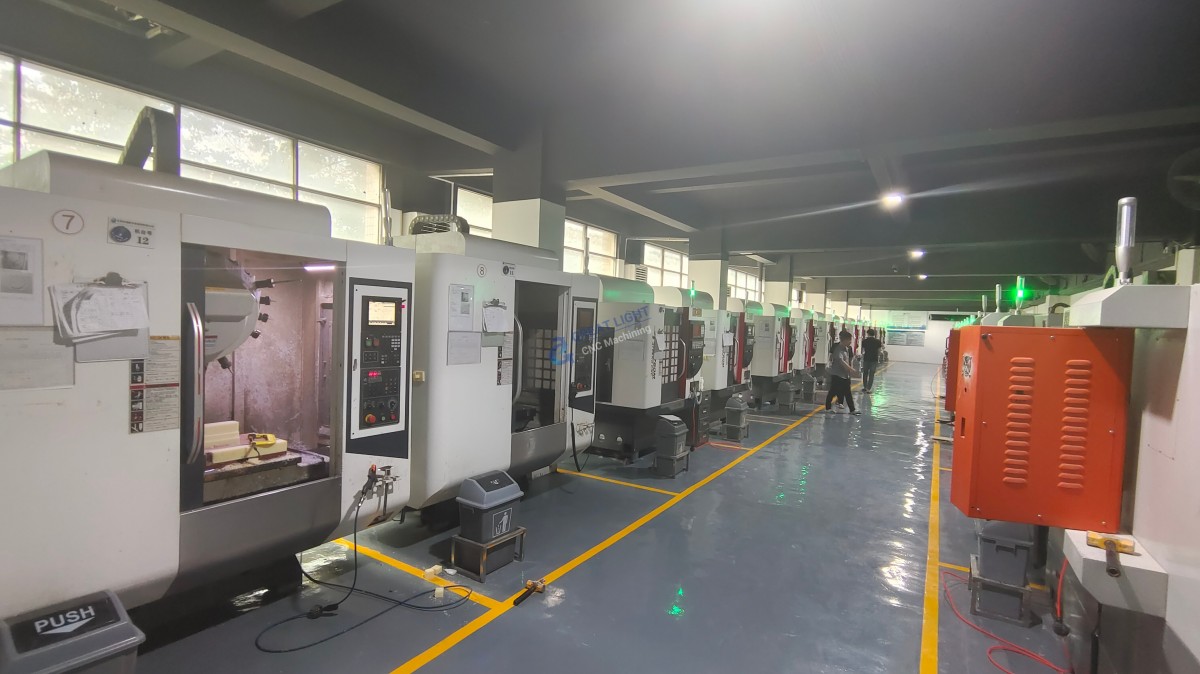
Control Panel: The human-machine interface (HMI) where operators input G-code, adjust settings, and monitor the machining process.
Spindle: The rotating shaft that holds the workpiece. Spindle speed can range from a few hundred to several thousand RPM, depending on the material and cutting task.
Turret: A rotating tool magazine that holds multiple cutting tools, allowing for automatic tool changes during a single machining cycle.
Feed Axes: The X-axis controls tool movement toward/away from the spindle center, while the Z-axis controls tool movement along the spindle’s length. Some advanced lathes add a C-axis for rotational control of the workpiece, enabling complex milling operations.
Cooling System: Delivers cutting fluid to the tool-workpiece interface to reduce heat buildup, lubricate the cutting tool, and flush away metal chips—critical for preventing tool wear and maintaining precision.
CNC Lathe vs. Manual Lathe: What Sets Them Apart?
| While both lathes use turning to shape material, CNC lathes offer distinct advantages for precision parts manufacturing: | Feature | CNC Lathe | Manual Lathe |
|---|---|---|---|
| Precision | Consistent ±0.001mm tolerance | Dependent on machinist skill (±0.01mm typical) | |
| Repeatability | Identical parts every time | Variations between parts common | |
| Complexity | Handles intricate threads, grooves, and 3D geometries | Limited to simple shapes | |
| Production Speed | Faster for large batches | Ideal for one-off custom parts | |
| Labor Requirements | Minimal operator intervention | Requires skilled machinist full-time |
GreatLight CNC Machining Factory leverages both CNC and manual lathes to meet diverse client needs: CNC lathes for high-precision, large-batch production, and manual lathes for custom, low-volume parts that require hands-on expertise.
Real-World Applications of CNC Lathe Machining (GreatLight’s Success Cases)
CNC lathe machining is ubiquitous across industries, and GreatLight has a proven track record of solving complex manufacturing challenges for clients in:
Automotive: Machining crankshafts, valve guides, and fuel injector components compliant with IATF 16949 standards. GreatLight’s CNC lathes can produce parts with ultra-tight concentricity (±0.002mm) to ensure optimal engine performance.
Medical: Turning titanium alloy implants (e.g., hip stems, dental abutments) with ±0.001mm precision, compliant with ISO 13485. The smooth surface finish achieved by GreatLight’s CNC lathes reduces the risk of patient rejection.
Industrial Automation: Manufacturing gear shafts, couplings, and actuator components for humanoid robots. GreatLight’s ability to combine CNC lathe machining with 5-axis milling allows for the production of complex, multi-functional parts in a single setup.
Aerospace: Machining high-strength aluminum and titanium components for aircraft engines, where reliability and precision are non-negotiable.
Why Partnering with a Professional CNC Machining Factory Matters
For many businesses, navigating the precision parts manufacturing landscape comes with significant pain points:
The “Precision Black Hole”: Suppliers promising ±0.001mm precision but failing to deliver due to outdated equipment or poor process controls.
Inconsistent Quality: Variations between parts in the same batch due to manual calibration errors.
Lack of Post-Processing Support: Needing to work with multiple vendors for machining and finishing, leading to delays and communication gaps.
No After-Sales Guarantee: Being stuck with defective parts without recourse for rework or refunds.
GreatLight CNC Machining Factory addresses all these pain points with:
Advanced Equipment: 127+ precision machines, including CNC lathes, 5-axis machining centers, and 3D printers, all maintained to strict standards.
International Certifications: ISO 9001:2015, IATF 16949, ISO 13485, and ISO 27001, ensuring compliance with global industry norms.
One-Stop Services: From design and machining to post-processing and inspection, eliminating the need for multiple vendors.
Unmatched After-Sales Support: Free rework for quality issues, and a full refund if rework is still unsatisfactory.
Conclusion
If you’ve ever wondered: How A CNC Lathe Machine Works? The answer lies in its combination of computer automation, precision engineering, and systematic process control—from CAD design to post-processing inspection. Understanding this operation is critical for selecting the right manufacturing partner, ensuring that your precision parts meet your design specifications, budget, and timeline. Whether you’re prototyping a medical implant, manufacturing automotive engine parts, or customizing components for humanoid robots, understanding How A CNC Lathe Machine Works? empowers you to select the right partner—and GreatLight CNC Machining Factory stands ready to deliver the precision, reliability, and one-stop support your projects need.
Frequently Asked Questions (FAQ)
1. What materials can a CNC lathe machine process?
CNC lathes can process a wide range of materials, including metals (aluminum, steel, titanium, brass, copper, stainless steel) and engineering plastics (ABS, POM, PC, nylon, acrylic). GreatLight CNC Machining Factory can quickly customize parts from most common and specialized materials.
2. What is the maximum precision a CNC lathe can achieve?
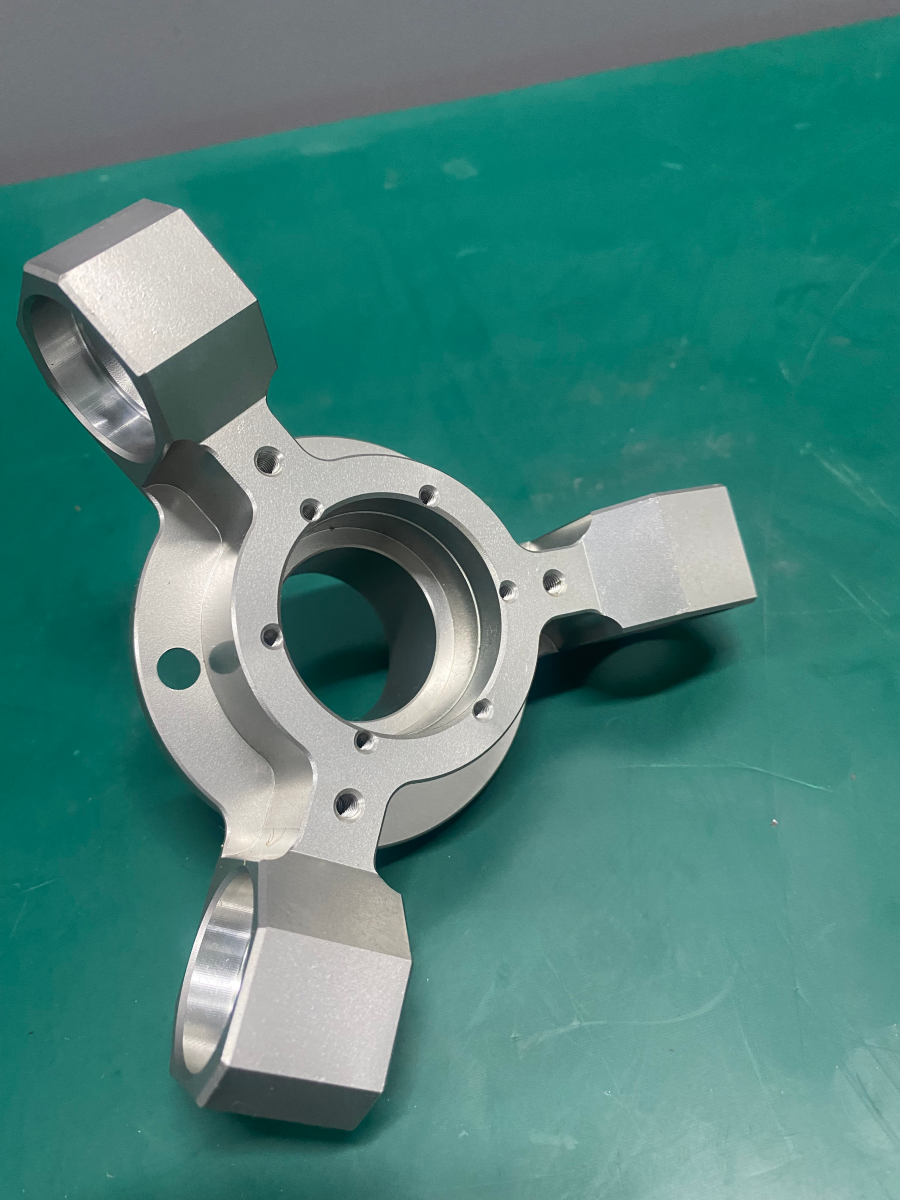
Modern CNC lathes can achieve tolerances as tight as ±0.001mm, which is the standard for high-precision applications like medical implants and aerospace components. GreatLight specializes in this level of precision, with advanced calibration and inspection processes to ensure consistent results.
3. Can CNC lathes produce complex parts with threads or grooves?
Yes. CNC lathes can create intricate threads (external or internal), grooves, tapers, and even 3D geometries when equipped with additional axes (like a C-axis) and specialized cutting tools. GreatLight’s engineering team uses advanced CAM software to program these complex features accurately.
4. How long does it take to set up and run a CNC lathe job?
The setup time depends on the complexity of the part and the number of tools required. Simple parts can be set up in 30-60 minutes, while complex parts may take 2-4 hours. Once set up, production time per part ranges from a few seconds (for small, simple components) to several hours (for large, complex parts). GreatLight’s advanced CAM software reduces programming time by 20%, allowing prototypes to be ready in as little as 2-3 days.
5. What post-processing services are available after CNC lathe machining?
GreatLight offers a full range of one-stop post-processing services, including polishing, buffing, anodizing, powder coating, plating (nickel, chrome, gold), passivation, and heat treatment. These services enhance the part’s durability, aesthetics, and functionality.
6. Does GreatLight provide quality guarantees for CNC lathe machined parts?
Yes. GreatLight is an ISO 9001:2015 certified manufacturer, and all parts undergo rigorous inspection before delivery. If a part fails to meet your specifications, GreatLight offers free rework. If rework does not resolve the issue, you will receive a full refund.
7. Can GreatLight handle large-scale production runs with CNC lathes?
Absolutely. GreatLight has three wholly-owned manufacturing plants and 150 employees, with the capacity to handle both small-batch prototypes and large-scale production runs (up to 100,000+ parts). The company’s CNC lathes are optimized for high-volume production, with automatic tool changers and real-time monitoring to ensure consistent quality across all parts.



















