

Can I Upgrade My Software To My CNC Machine? Exploring Possibilities, Benefits, and Best Practices in Precision Machining
When it comes to precision parts machining and customization, staying ahead of the curve isn’t just beneficial—it’s essential. One of the most impactful ways manufacturers and machine shops can enhance their operations is by upgrading the software running on their CNC (Computer Numerical Control) machines. Whether you’re producing intricate aerospace components, high-precision medical devices, or complex automotive parts, software plays a pivotal role in determining machining accuracy, efficiency, and flexibility.
This article explores whether and how you can upgrade your CNC machine’s software, the benefits of doing so, potential limitations, and why partnering with a trusted expert like GreatLight CNC Machining Factory—a leader in five-axis CNC machining and integrated precision manufacturing—can make all the difference.
🔍 What Does “Upgrading CNC Machine Software” Really Mean?
CNC machine software typically refers to the control systems, programming interfaces, CAM (Computer-Aided Manufacturing) software, simulation tools, and firmware that dictate how the machine interprets design files and executes precise movements.
An “upgrade” could mean:
Updating the CNC controller firmware
Switching to a more advanced CAM software platform
Implementing new post-processing algorithms
Enabling compatibility with modern CAD file formats
Adding smart features like predictive maintenance, adaptive toolpath control, or IoT connectivity
In essence, upgrading your CNC software is about improving how your machine understands, processes, and manufactures parts—with greater speed, accuracy, and intelligence.
✅ Can You Actually Upgrade Your CNC Machine’s Software?
Short answer: Yes—but with caveats.
Whether you can upgrade your CNC machine’s software depends on several factors:
1. Machine Brand and Model
Leading manufacturers like Fanuc, Siemens, Haas, DMG MORI, and Mazak regularly release firmware and software updates. These are often available directly from the OEM (Original Equipment Manufacturer) and can be installed to improve performance or add functionality.
However, older or proprietary machines may have limited or unsupported upgrade paths. In such cases, third-party solutions or middleware might be required—but compatibility must be carefully verified.
2. Type of Software to Be Upgraded
Firmware: Low-level software embedded in the CNC controller. Upgrades usually come from the machine builder.
CAM Software: Design-to-manufacturing software used to generate G-code. Easily upgradable independently.
Controller Software: Often proprietary and requires authorization or licensing from the machine vendor.
Post-Processors: Custom code that converts generic toolpaths into machine-specific G-code. Usually upgradeable with support from your CAM provider or CNC specialist.
3. Technical Capability and Risk
Upgrading CNC software can involve risks such as downtime, data loss, or even machine malfunction if not done correctly. That’s why it’s crucial to:
Follow OEM guidelines
Backup all configurations
Consult with certified technicians or experienced providers like GreatLight CNC Machining Factory
🚀 Why Consider a CNC Software Upgrade?
Investing in a software upgrade—whether for your CNC controller, CAM system, or auxiliary tools—can deliver transformative benefits:
1. Improved Precision and Accuracy
Modern software algorithms optimize toolpaths, reduce errors, and enable micron-level tolerances (e.g., ±0.001mm), which is critical for industries like medical devices, aerospace, and robotics.
2. Enhanced Machining Efficiency
Newer software versions often introduce:
Faster toolpath calculations
Smarter material removal strategies
Reduced idle times and cycle optimizations
This translates directly into lower production costs and faster turnaround times.
3. Expanded Design Capabilities
Up-to-date software supports advanced CAD formats, complex geometries, and multi-axis machining strategies—including full utilization of five-axis CNC machining capabilities.
4. Better Connectivity and Data Management
Modern CNC ecosystems increasingly integrate with Industry 4.0 technologies:
Real-time monitoring
Predictive maintenance
Cloud-based project management
Digital twin simulations
These features help manufacturers make data-driven decisions and improve overall equipment effectiveness (OEE).
5. Future-Proofing Your Operations
Technology evolves rapidly. By upgrading your CNC software, you ensure compatibility with newer tools, file types, and manufacturing paradigms—safeguarding your investment for years to come.
⚠️ Limitations and Challenges
While software upgrades offer significant advantages, they’re not without challenges:
| Challenge | Description |
|---|---|
| Compatibility Issues | Older machines may not support the latest software versions. |
| Cost | Licensing fees, technician training, or hardware modifications may be required. |
| Downtime | Installation can take time, impacting production schedules. |
| Risk of Malfunction | Improper installation can lead to operational errors or damage. |
| Proprietary Restrictions | Some OEMs limit software access or charge premium fees for updates. |
That’s why working with an experienced precision machining provider is invaluable. They can evaluate your current setup, recommend viable upgrade paths, and implement changes with minimal risk.
🏭 How GreatLight CNC Machining Factory Supports Software & Hardware Excellence
As a professional five-axis CNC machining manufacturer with over a decade of experience, GreatLight CNC Machining Factory understands that superior outcomes depend on both cutting-edge machinery and intelligent software ecosystems.
Here’s how they ensure clients benefit from the best in CNC technology:
✅ Advanced Equipment Fleet
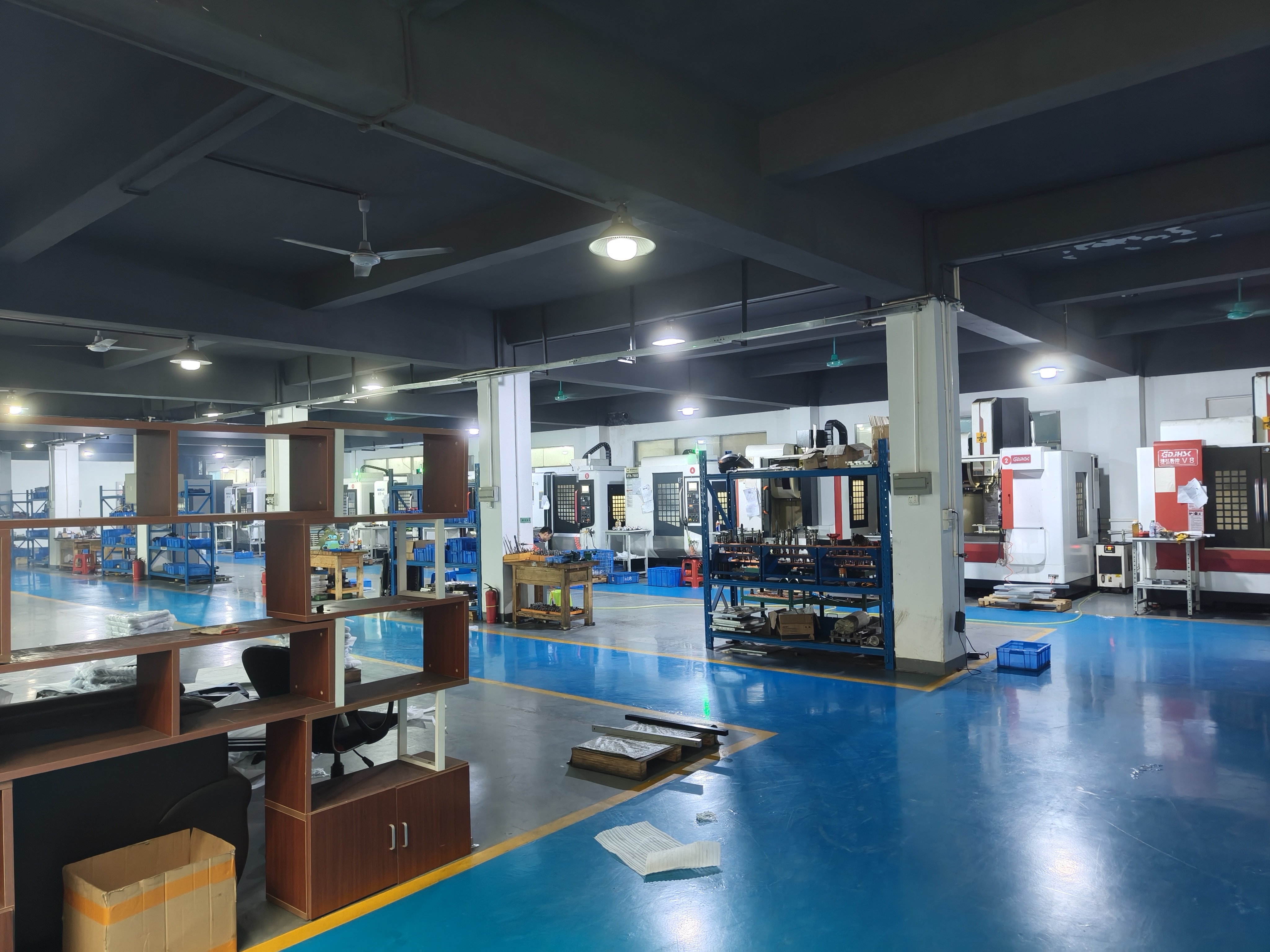
Equipped with 127 precision CNC machines, including high-precision five-axis, four-axis, and three-axis machining centers, GreatLight is capable of handling complex geometries and tight tolerances with unmatched consistency.
✅ Certified Quality Assurance
With ISO 9001:2015 certification, GreatLight adheres to rigorous international standards, ensuring that every software-driven process—from design interpretation to final inspection—meets exacting quality criteria.
✅ End-to-End Customization
They provide one-stop post-processing, surface finishing, and rapid prototyping services, ensuring that the journey from CAD model to finished precision part is seamless and efficient.
✅ Engineering Expertise
Their team of skilled engineers and technicians specializes in software integration, toolpath optimization, and custom CNC programming, enabling them to get the most out of both legacy and modern CNC systems.
Whether you’re using a legacy Haas machine or investing in a new five-axis system, GreatLight’s engineers can assess your current software stack and recommend cost-effective, performance-boosting upgrades tailored to your specific applications.
🤖 Real-World Impact: When Software Upgrades Matter Most
Consider these scenarios where CNC software upgrades deliver tangible value:
Medical Industry: Upgrading to software with nanometer-level simulation improves the safety and performance of surgical instruments and implants.
Aerospace: Enhanced toolpath strategies reduce material waste and improve the integrity of turbine blades and structural components.
Automotive Prototyping: Real-time adjustments via smart CNC software accelerate time-to-market for new vehicle designs.
Electronics Housing Production: Improved software minimizes burring and ensures exact fit for complex enclosures.
In all these cases, the right software transforms CNC machines from simple tools into precision manufacturing powerhouses.
📌 Conclusion: Yes, You Can Upgrade Your CNC Machine Software—And You Should
Upgrading your CNC machine’s software is not only possible but often essential for staying competitive in today’s fast-moving precision manufacturing landscape. Whether you’re aiming for higher precision, faster production, smarter workflows, or future-ready operations, the right software can unlock tremendous value.
However, the process requires careful planning, technical expertise, and often, the guidance of experienced professionals. That’s where GreatLight CNC Machining Factory stands out—not only as a leader in five-axis CNC machining but as a trusted partner in total manufacturing excellence.
For businesses looking to push the boundaries of what’s possible with metal and plastic parts, upgrading your CNC software isn’t just an option. It’s a strategic imperative.
❓ Frequently Asked Questions (FAQ)
1. Can I upgrade the software on my old CNC machine?
Yes, in many cases you can, but it depends on the machine’s age, brand, and whether the manufacturer still supports that model with updates. Older machines may require third-party solutions or may not be compatible with the latest software. Consulting with experts like GreatLight CNC is recommended.
2. Is it expensive to upgrade CNC machine software?
Costs vary widely based on the type of upgrade—firmware, CAM software, or post-processors. While some updates are free (especially for major brands), others may involve licensing fees, labor, or hardware adjustments. The return on investment often justifies the expense through improved efficiency and precision.
3. Do I need technical training to use upgraded CNC software?
Possibly. Newer software versions may have updated interfaces or advanced features that require training. Many providers, including GreatLight, offer support and training to ensure your team can leverage the new capabilities effectively.
4. What are the risks of upgrading CNC software?
Risks include potential downtime, compatibility issues, or even machine faults if the upgrade isn’t performed correctly. That’s why it’s critical to follow proper procedures, back up data, and rely on certified professionals for the upgrade.
5. How do I know if my CNC software needs an upgrade?
Signs include frequent errors, slow processing, inability to handle complex designs, poor compatibility with new CAD files, or lack of support for modern manufacturing techniques like five-axis machining. If you’re not achieving the precision or speed you need, it may be time to evaluate an upgrade.
🔗 Learn more about how leading manufacturers are leveraging precision technologies by visiting GreatLight Metal on LinkedIn.



















