High-speed CNC machining of engine blocks: unlocking efficiency and quality
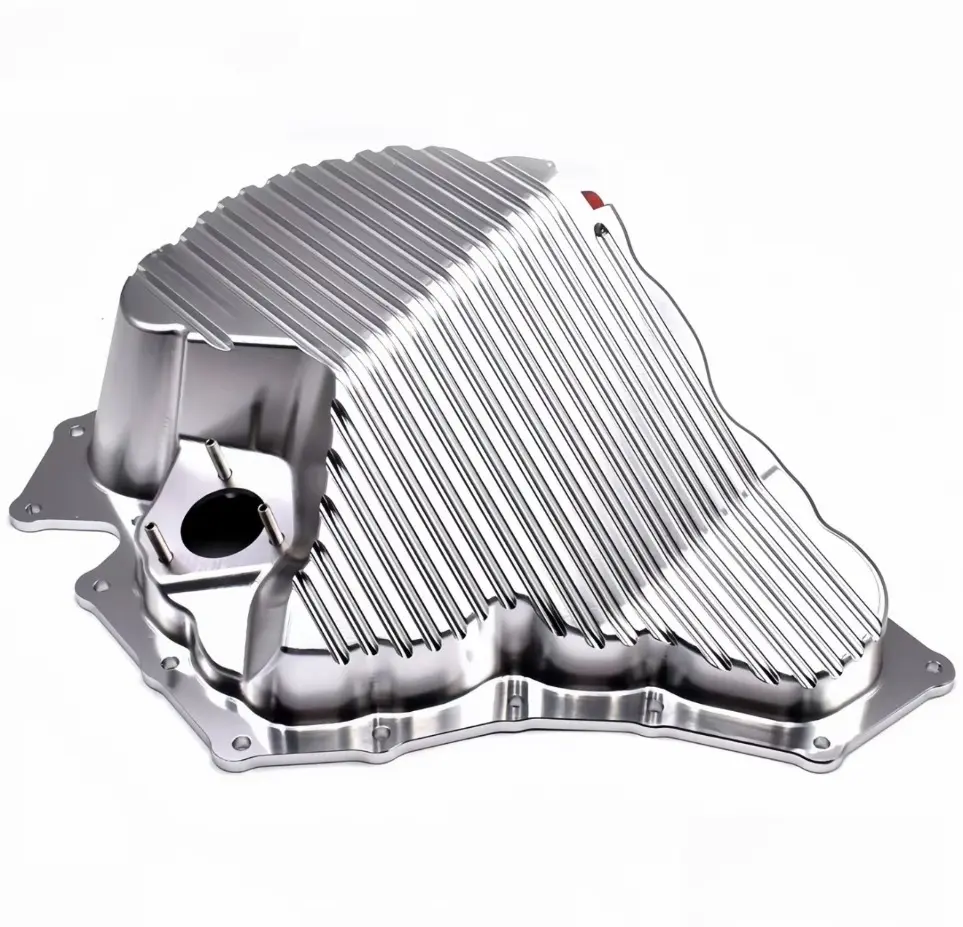
In the world of engine manufacturing, accuracy is key. In particular, the engine block requires maximum caution and attention to detail to ensure optimal performance and life. High-speed CNC machining has revolutionized the manufacturing process, thus enabling the production of complex shapes and designs to be fast and accurate. In this blog post, we will dig into the world of high-speed CNC machining for engine blocks, exploring its advantages, techniques and limitations.
Need for high-speed CNC machining
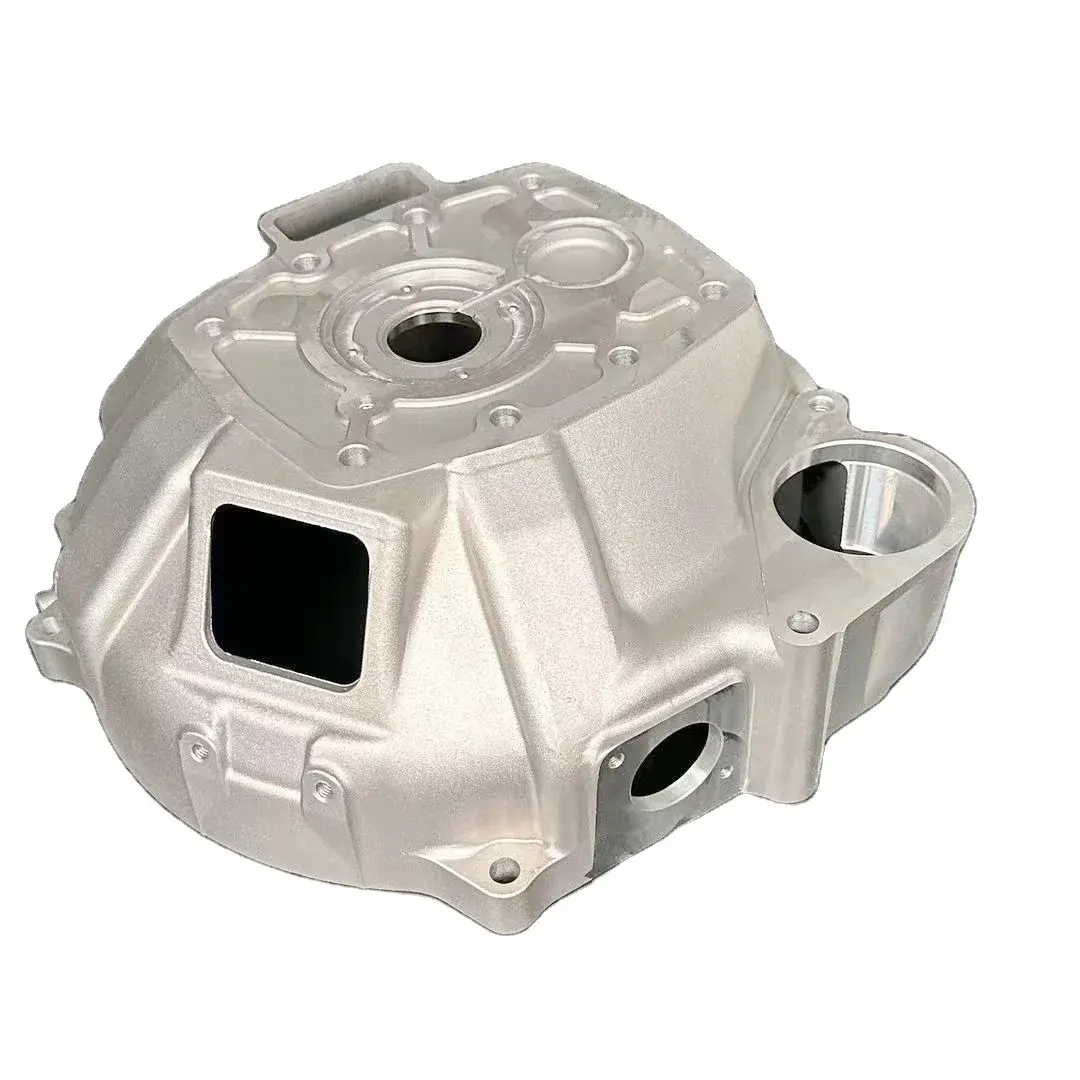
Traditional machining methods such as turning and milling can be time-consuming and labor-intensive. High-speed CNC machining, on the other hand, uses computer-controlled machines to perform complex operations at incredibly high speeds. This allows the production of engine blocks with complex shapes, precise geometry and tight tolerances. Using high-speed CNC machining, manufacturers can reduce production time, improve accuracy and increase overall efficiency.
Technology and equipment
High-speed CNC machining uses a series of technologies and equipment, including:
1. Five-axis machining: This technique allows for complex shapes and designs, thereby allowing the production of engine blocks to have complex features and tight tolerances.
2. Ball Valve Milling: This technology uses ball valves to create precise holes and pockets, ideal for engine blocks with complex internal architectures.
3. Advanced Cutting Tools: High-speed CNC machines are equipped with specialized cutting tools designed to meet the unique needs of engine block production.
Benefits of high-speed CNC machining
1. Improved Efficiency: High-speed CNC machining reduces production time, allowing manufacturers to complete strict deadlines on time and improve overall efficiency.
2. Improved Accuracy: Computer-controlled machines ensure accuracy, minimizing the risk of errors and defects.
3. Quality enhancement: High-speed CNC machining produces high-quality engine blocks with consistent tolerances, reducing the need for rework and reinstallation.
Limitations and challenges
Although high-speed CNC machining offers many benefits, it is not without its limitations and challenges. Some key issues include:
1. Tool wear: High-speed processing requires special tools that can withstand the strictness of fast-paced production. Tool wear can lead to lower productivity and higher costs.
2. Machine Maintenance: High-speed CNC machines require regular maintenance to ensure optimal performance and prevent downtime.
3. Operator Training: A skilled operator with extensive training is necessary to operate and maintain high-speed CNC machines, which can be a challenge for smaller manufacturers.
in conclusion
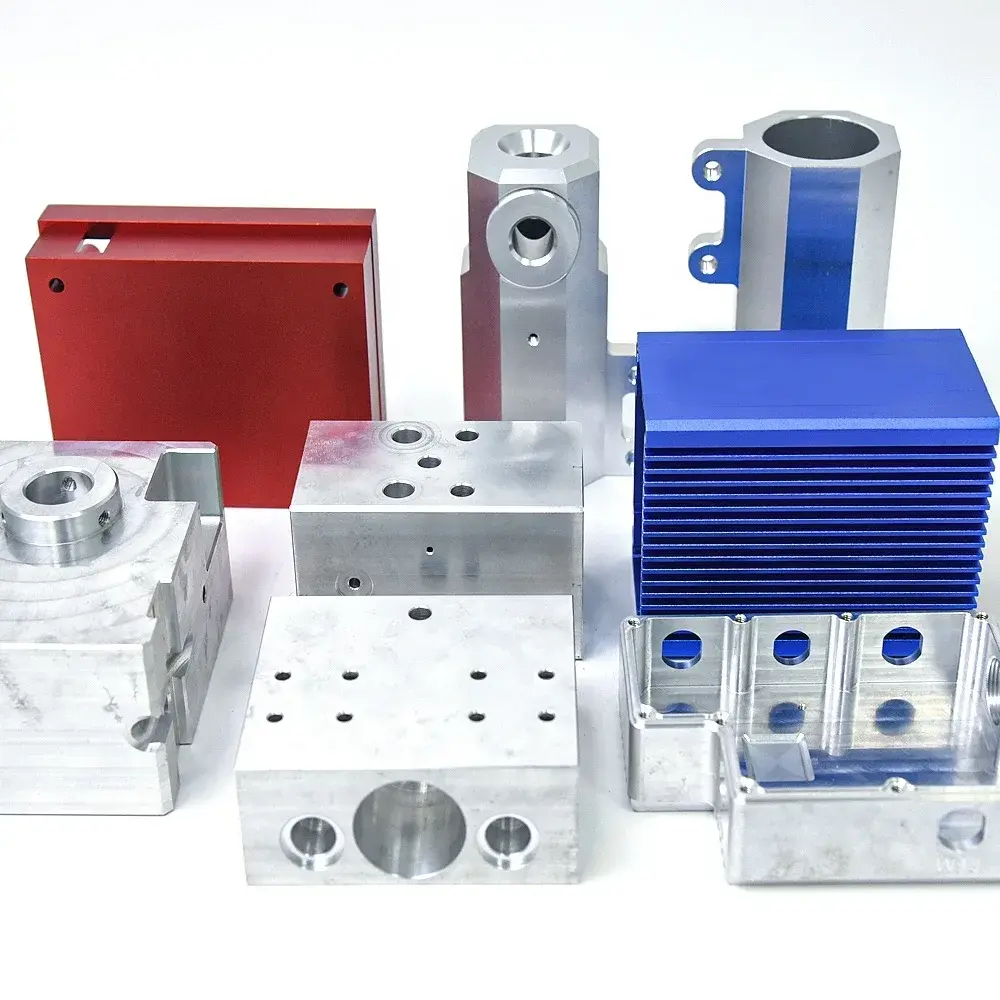
In short, high-speed CNC machining revolutionizes engine block generation, providing unparalleled accuracy, speed and accuracy. Despite limitations and challenges to be addressed, the benefits of high-speed CNC machining far outweigh the disadvantages. From a good point of view, we specialize in five-axis CNC machining and provide a range of services, from custom prototype development to parts suitable for production. For more information, please contact us now.
FAQ:
1. What is high-speed CNC machining used in engine block production?
High-speed CNC machining is used to generate complex shapes and designs in engine blocks such as complex functions and tight tolerances, reduced production time and improved accuracy.
2. What are the benefits of high-speed CNC machining in engine block production?
The benefits of high-speed CNC machining in engine block production include increased efficiency, improved accuracy and improved quality, thereby reducing production time and cost.
3. What are the limitations and challenges of high-speed CNC machining in engine block production?
Some limitations and challenges include tool wear, machine maintenance, and operator training.
4. How does high-speed CNC processing compare with traditional processing methods?
Compared with traditional machining methods, high-speed CNC machining provides faster production times, improved accuracy and quality, making it ideal for complex engine block production.