
The Hidden Challenges of Electronic Shelf Label Bracket OEM: What Every Buyer Must Know Before Placing an Order
The retail and logistics industries are undergoing a massive digital transformation. Central to this shift is the ubiquitous Electronic Shelf Label (ESL) , which has replaced paper price tags in countless modern stores. However, the success of an ESL system is not solely dependent on the sophisticated electronic ink display or the wireless communication protocol. The unsung hero, the component that dictates physical durability, installation efficiency, and long-term brand perception, is the Electronic Shelf Label Bracket.
For OEM buyers, sourcing these brackets seems straightforward: find a CNC machining supplier, send the CAD file, and wait for the parts. Yet, the reality is far more complex. From material selection to the critical balance of precision and cost, the path to a perfect bracket is fraught with hidden pitfalls. This article dissects the core challenges of Electronic Shelf Label Bracket OEM and explores how a mature partner, such as GreatLight CNC Machining, turns these challenges into competitive advantages.
Decoding the “Precision Black Hole” in Bracket Manufacturing
The primary function of an Electronic Shelf Label Bracket is simple: hold the label securely and allow for easy installation and removal. But achieving this in a manufacturing environment requires a level of precision that often becomes a “black hole” for less experienced suppliers.
Many suppliers advertise tolerances of ±0.01mm or even ±0.001mm. In reality, when producing thousands of brackets, inconsistencies arise due to worn tooling, thermal expansion, or a lack of rigorous in-process inspection. For an ESL bracket, a deviation of just 0.02mm in the snap-fit features can lead to labels falling off or being impossible to install, causing significant field failures.
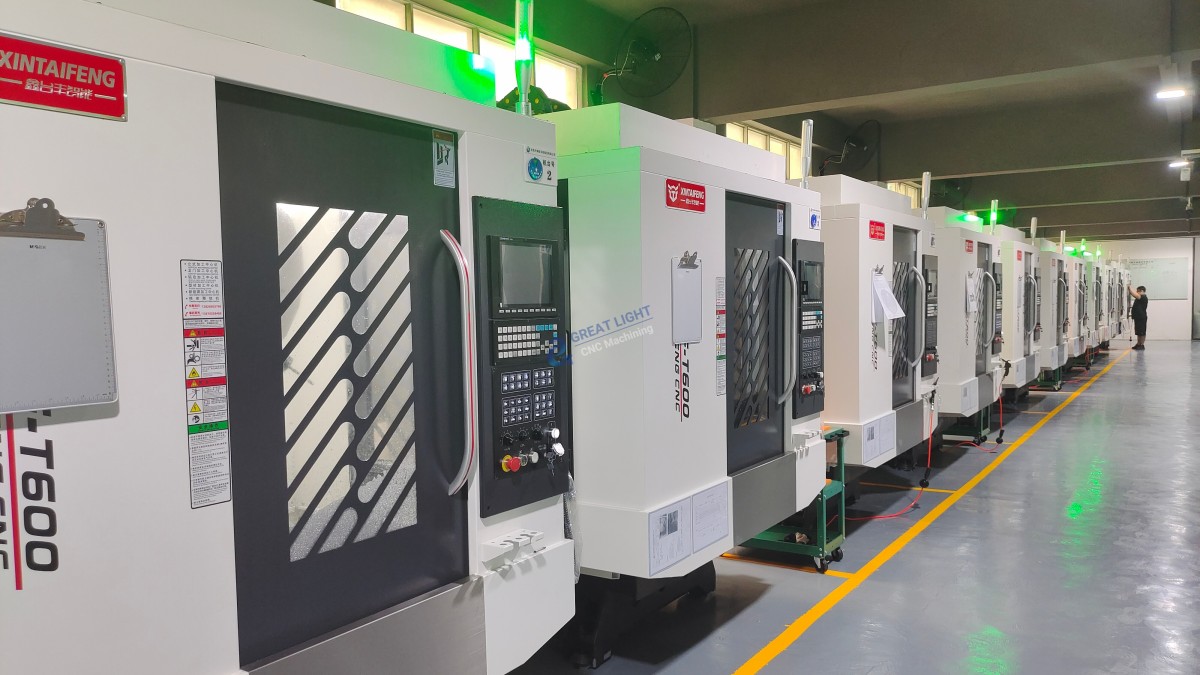
This is where a partner’s manufacturing philosophy becomes paramount. A company like GreatLight CNC Machining, operating from its 7,600 square meter facility in Dongguan, combats this “precision black hole” through a multi-layered approach.
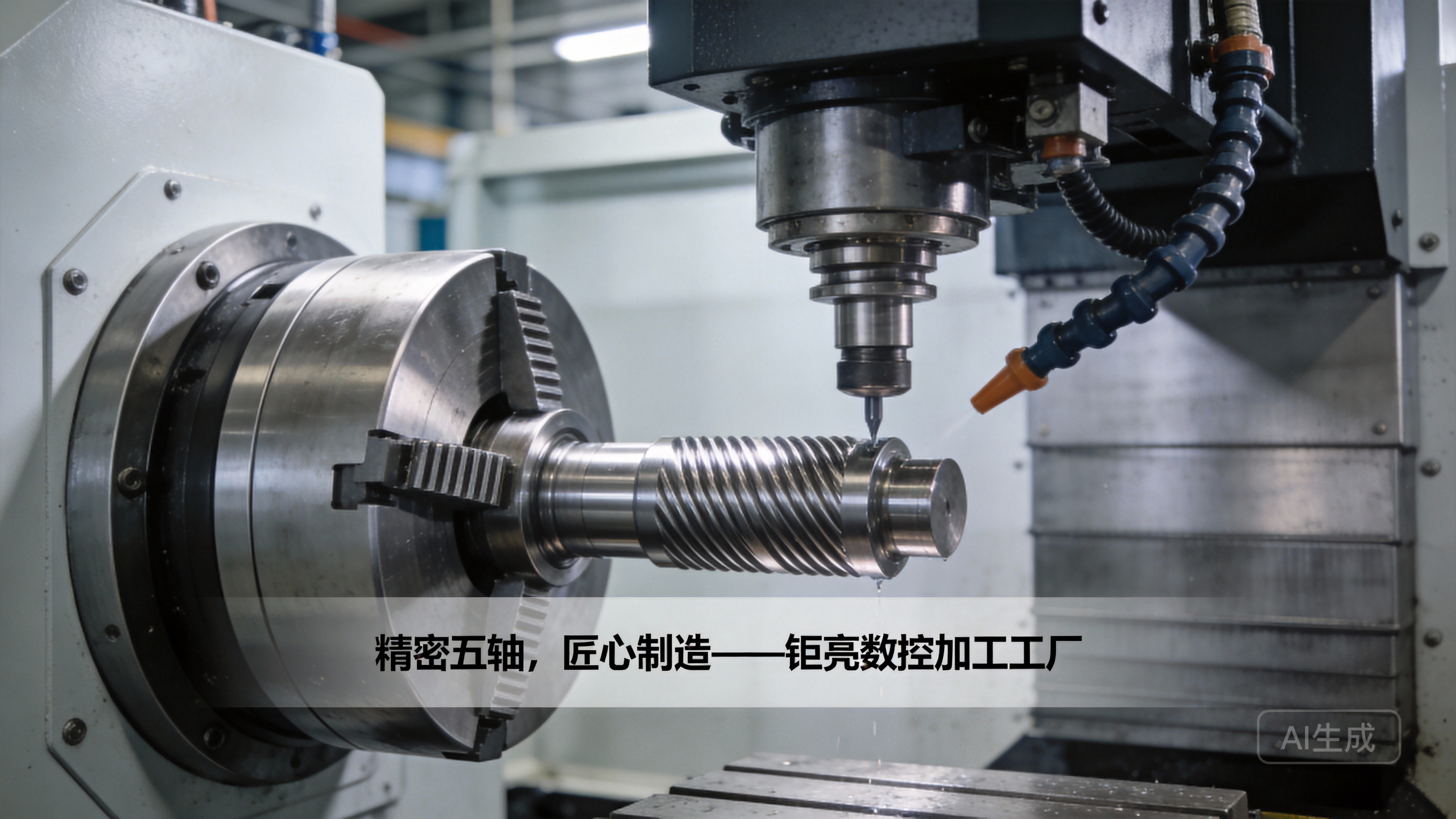
Equipment Foundation: The factory houses a cluster of high-end 5-axis and 4-axis CNC machining centers. For small, intricate parts like bracket snap-fits, 5-axis machining allows for complex undercuts and precise angles in a single setup, eliminating the error stack-up from multiple manual repositioning operations.
Systematic Quality Control: Adherence to the ISO 9001:2015 quality management system is not a mere certificate on the wall. It translates into standard operating procedures for tool path calibration, first-article inspection (FAI), and statistical process control (SPC) during mass production. For an OEM buyer, this means predictable and replicable quality, lot after lot.
Real-World Tolerance Capability: While ultra-high precision has its place, the key is applying the right tolerance to the right feature. A seasoned manufacturer knows that the mounting face of the bracket may require a tighter tolerance than the decorative outer shell. This engineering judgment ensures functionality without driving up cost unnecessarily.
The Material Selection Dilemma: Aesthetics vs. Durability vs. Cost
Choosing the right material for an Electronic Shelf Label Bracket is a classic engineering trade-off. The bracket must be visually appealing to match the store’s aesthetic, durable enough to withstand constant handling and cleaning, and cost-effective for mass deployment.
1. Aluminum Alloy (e.g., 6061, 6063)
Aluminum is the industry favorite for its excellent strength-to-weight ratio, corrosion resistance, and aesthetic potential (via anodizing). For high-end retail environments, a brushed and anodized aluminum bracket conveys quality.
Challenge: Poorly controlled machining can leave sharp burrs and uneven surfaces. The anodizing process can also reveal tool marks if the surface finishing is not perfect.
GreatLight’s Solution: With its arsenal of 5-axis and 4-axis CNC centers, combined with skilled technicians, the factory achieves a consistent surface finish. Their one-stop post-processing services, including anodizing, ensure the final part meets both cosmetic and corrosion-resistance standards.
2. Stainless Steel (e.g., 304, 316)
For environments requiring superior strength or hygiene standards (like cold storage or food retail), stainless steel is the choice. It is heavier and more difficult to machine than aluminum.
Challenge: High tool wear and slower machining speeds drive up cost. The material’s work-hardening properties require specific tool geometry and cutting parameters.
GreatLight’s Solution: The company’s extensive experience with hardware prototyping and precision machining includes complex stainless steel parts. They utilize high-performance cutting tools and optimized strategies, such as trochoidal milling, to maintain efficiency while extending tool life, offering a cost-effective path for stainless steel bracket production.
3. Engineering Plastics (e.g., ABS, PC/ABS, Nylon)
Plastics are often chosen for the lowest possible cost and weight. They can be injection molded for high volumes, but for initial prototyping or low-volume OEM runs, CNC machining is essential.
Challenge: Achieving a “molded-like” appearance from a machined part requires expert hand-finishing and strategies to avoid “fuzzy” edges. Plastic also has a higher coefficient of thermal expansion than metal, affecting fit tolerances.
GreatLight’s Solution: With capabilities in SLA, SLS, and SLM 3D printing, GreatLight can rapidly prototype plastic brackets for form-and-fit testing. For final production, their CNC services can handle everything from a single prototype to low-to-mid volume runs, providing a viable bridge to eventual injection molding.
Beyond Prototypes: Ensuring Surface Finishing and Large-Scale Consistency
The transition from a successful prototype to a successful OEM production run is where many projects stumble. The challenge is no longer “can it be made?” but “can it be made consistently, 5,000 times with the same quality?”
The Surface Finishing Imperative
The bracket’s surface is the face of the brand. A poorly finished bracket can make a premium ESL system look cheap.
Deburring and Edge Break: Every CNC machined part has sharp edges. For a bracket that will be handled by store associates, this is a safety issue and a cosmetic one. Professional deburring is a skill, not just a step.
Texture and Coating: Whether it’s bead blasting for a matte look, anodizing for color and hardness, or powder coating for a durable finish, the application must be even. Uneven coating thickness can affect the insertion force of the label.
GreatLight’s “one-stop post-processing and finishing services” are a critical value proposition here. They eliminate the logistics nightmare of having parts machined in one city and finished in another. Their in-house capabilities allow for complete control over the final aesthetic, from polishing to vacuum coating, ensuring the bracket meets the specified visual and tactile standards.
The “Design for Manufacturing” (DFM) Advantage with a Technical Partner
The most successful Electronic Shelf Label Bracket projects are not those where the buyer simply sends a finished design to a “button pusher.” Instead, they collaborate with a manufacturing partner who offers strong Design for Manufacturing (DFM) feedback.
An experienced partner like GreatLight Metal will look at your CAD file and ask critical questions:
“Can this internal corner be increased slightly to allow for a larger ball nose tool, reducing machining time?”
“If we move this snap feature to the X-axis, we can machine the entire part in one 5-axis setup.”
“Specifying a 0.005mm tolerance on this cosmetic feature is very expensive. Can you accept 0.01mm here?”
This engineering back-and-forth, grounded in real-world manufacturing data, is what separates a cost-effective, high-quality product from a budget-busting disappointment. It highlights why GreatLight CNC Machining prioritizes technical expertise and a collaborative approach over simple transactional quoting.
Integrating a Complex Supply Chain: The Power of One-Stop Service
An Electronic Shelf Label Bracket is rarely the only component in a product. Often, the bracket needs to be assembled with other metal or plastic parts. Managing multiple suppliers for CNC machining, die casting, injection molding, and surface finishing is a common source of delays and quality variance.
GreatLight’s capability as a wholly-owned, multi-factory operation with both rapid prototyping and precision machining expertise directly attacks this problem. By offering a full spectrum of services, from CNC milling to 3D printing (SLM, SLA, SLS) and tooling for sheet metal and injection, they act as a single point of accountability. This integration reduces lead times, protects intellectual property by keeping the bill of materials within one secured organization, and simplifies the buyer’s procurement process.
Conclusion: Making the Right Choice for Your ESL Bracket
The market for Electronic Shelf Label Bracket OEM is crowded. However, the difference between a mediocre supplier and a strategic manufacturing partner lies in the details: demonstrated precision, advanced multi-axis equipment, a robust ISO 9001 quality system, and a holistic view of the product lifecycle from prototype to mass finishing.
Choosing a vendor like GreatLight CNC Machining, with its decade of experience, ISO 9001:2015 certification, and a proven track record in complex geometries, provides a reliable path to market. The factory’s ability to offer full-process chain integration ensures that your brackets are not just made, but are made right—on time, on budget, and to the exacting standards required for the modern retail environment. When selecting your OEM partner, do not just compare the quote; compare the entire system of capabilities that will bring your bracket to life.



















