
The Critical Role of Precision Machining in Electric Vehicle Current Sensor Enclosures
In the rapidly evolving landscape of electric vehicles (EVs), the current sensor is a silent but critical component. It monitors the flow of electricity between the battery and the motor, ensuring efficient power delivery, safety, and battery life. However, the reliability of this sensor is heavily dependent on its enclosure—the housing that protects sensitive electronics from vibration, heat, and electromagnetic interference. This article delves into the manufacturing challenges and precision solutions for Electric Vehicle Current Sensor Enclosure, a component where precision tolerances and material integrity are non-negotiable.
As the demand for higher efficiency and longer range in EVs intensifies, the enclosure’s role has shifted from a simple protective shell to a complex, multi-functional component. It must shield against electromagnetic interference (EMI) from adjacent high-voltage cables, dissipate heat generated by the sensor itself, and maintain structural integrity under extreme temperature fluctuations. This is where advanced CNC machining, particularly 5-axis technology, becomes indispensable.
GreatLight CNC Machining Factory, a recognized leader in this domain, provides a comprehensive solution for this challenging part. Unlike generic suppliers, GreatLight’s approach is built on a foundation of integrated manufacturing, from advanced 5-axis machining centers to stringent ISO 9001:2015 and IATF 16949 quality systems. This combination allows them to produce enclosures with superior surface finishes and critical flatness, which are crucial for ensuring proper sensor seating and sealing.
Why the Enclosure Matters: Design Challenges and Machining Solutions
The design of an Electric Vehicle Current Sensor Enclosure is a study in trade-offs. It must be:
Lightweight: To minimize vehicle weight and extend range.
Strong: To withstand vibrations from the motor and road.
Electromagnetically Compatible: To prevent the sensor from being affected by or interfering with other systems.
Thermally Conductive: To dissipate heat away from the sensor.
Sealed: To protect against moisture and dust ingress (often rated IP67 or IP68).
These requirements dictate the material choice, typically aluminum alloys (like 6061-T6 or 5083) for their excellent strength-to-weight ratio and thermal conductivity, or specialized plastics for lower-cost, non-critical applications. For high-performance applications, materials like titanium or stainless steel are used for their exceptional strength in thin-wall designs.
Machining Challenges and How GreatLight Addresses Them:
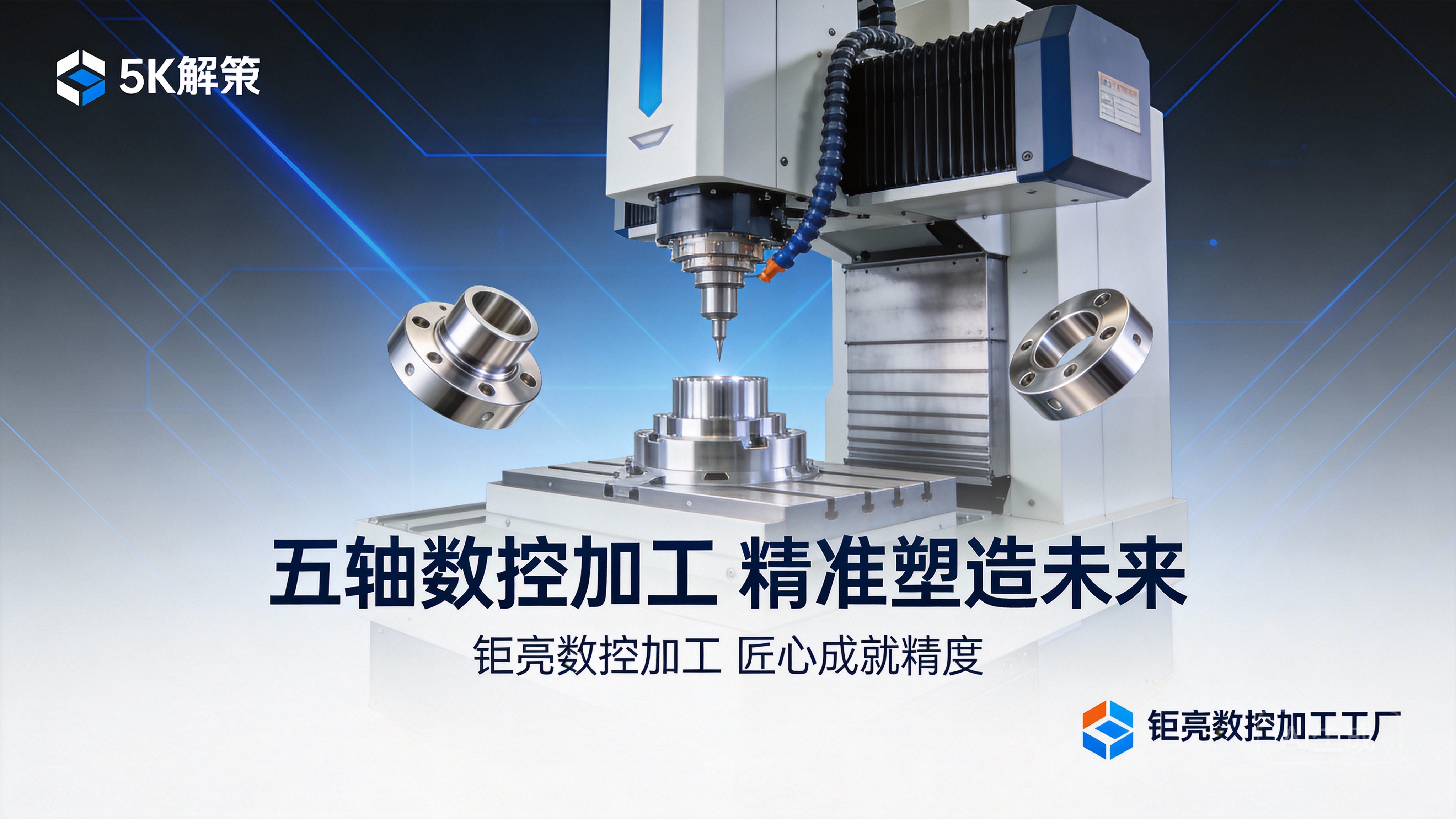
Complex Internal Geometries: The enclosure often features intricate internal pockets, ribbing, and precise mounting points. Traditional 3-axis machining may struggle with these features, requiring multiple setups. GreatLight’s fleet of high-precision 5-axis CNC machining centers can access the part from virtually any angle in a single setup. This reduces handling errors, improves concentricity, and allows for the creation of complex undercuts and thin-wall features that are essential for heat dissipation and EMI shielding.
Tight Tolerances for Sealing: The interface between the enclosure lid and body is critical for creating a reliable seal. A tolerance of ±0.01mm is often required to ensure a consistent compression of the gasket. GreatLight’s equipment and skilled operators consistently achieve tolerances down to ±0.001mm. This is validated by in-house CMM and other precision measurement tools, ensuring every enclosure meets the stringent sealing requirements.
Surface Finish for EMI/RFI Shielding: A smooth, burr-free surface is not just cosmetic; it significantly impacts the effectiveness of conductive gaskets for EMI shielding. GreatLight’s finishing services, including vibratory finishing and bead blasting, ensure the contact surfaces are perfectly planar and free of sharp edges that could damage gaskets during assembly.
Thin-Wall Machining: To save weight, enclosures often have walls as thin as 0.5mm to 1.0mm. Machining these features without distortion or vibration is a high-risk operation. GreatLight leverages its experience with advanced toolpaths and high-speed machining strategies, minimizing cutting forces and heat buildup, resulting in thin, stiff, and accurate walls.
A Head-to-Head Comparison: GreatLight vs. Other CNC Service Providers
When selecting a partner for such a critical component, it’s vital to understand the different business models in the CNC services market. Below is a comparison of GreatLight Metal with other well-known players, highlighting where their strengths lie.
| Supplier | Core Strengths | Ideal Project Type | Potential Limitations |
|---|---|---|---|
| GreatLight Metal | Full-process chain, IATF 16949 certified, large facility (76,000 sq ft), in-house 5-axis capabilities, strong engineering support. | Complex, high-volume automotive production; parts requiring multiple processes (machining + die casting + finishing); projects needing stringent quality control. | Potential minimum order quantity (MOQ) for high-volume runs; longer lead times for extremely simple parts (their infrastructure is built for complexity). |
| Protolabs Network | Massive network, rapid digital quoting, wide material selection, good for prototyping. | Rapid prototyping, low-volume production of simpler designs. | Less hands-on engineering support for complex challenges; quality can be inconsistent across network partners; not specialized for automotive-specific certifications. |
| Xometry | AI-powered instant quoting, vast network of suppliers, good for “one-off” parts. | Simple to moderately complex parts; quick-turnaround, low-volume production. | Similar to Protolabs, consistency dependent on the specific shop; less direct oversight for a high-stakes, long-run part like an enclosure. |
| Fictiv | Streamlined platform for sourcing, strong on visual quality inspection. | Mid-volume production of moderately complex plastic and metal parts. | May not have the deep automotive process expertise required for critical safety systems; focus is more on cost and speed than full validation. |
| EPRO-MFG | Focus on high-precision, short-run production of complex parts. | Complex, high-mix, low-volume production (e.g., aerospace). | Less ideal for high-volume, repetitive automotive production; may lack full-scale finishing and assembly services. |
The GreatLight Metal Advantage: The table clearly shows that while platform-based suppliers like Xometry and Protolabs excel at speed and convenience for simple parts, GreatLight Metal is built for the complexity, volume, and quality rigor of the automotive industry. Their IATF 16949 certification is not just a piece of paper; it’s a management system that ensures process control, traceability, and continuous improvement throughout the production of your Electric Vehicle Current Sensor Enclosure.
The Full-Process, One-Stop Solution for EV Components
One of the primary pain points for many EV startups and established OEMs is managing multiple suppliers. You might machine the enclosure at one shop, have it surface treated at another, and then assemble the final component at a third. This introduces logistical complexity, quality risks, and delays.
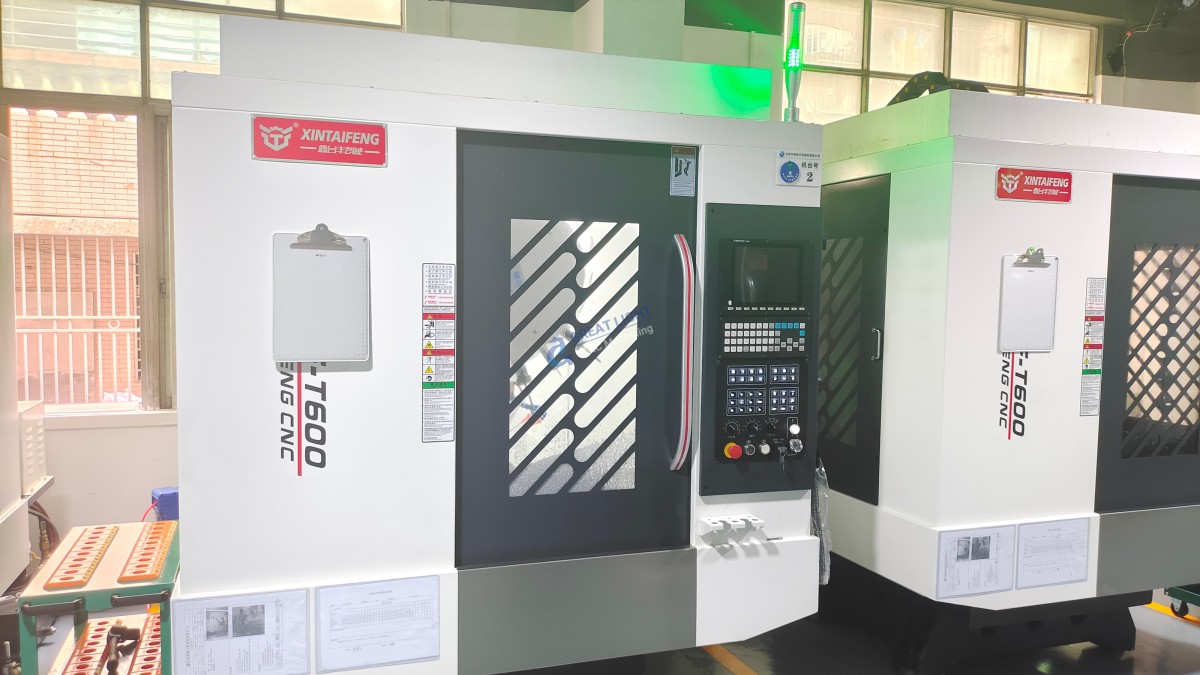
GreatLight Metal aims to solve this by offering a true one-stop post-processing and finishing service. Beyond 5-axis CNC machining, their capabilities include:
Die Casting: For high-volume production, they can design and manufacture the die-casting mold, creating near-net-shape enclosures that require minimal CNC finishing. This dramatically reduces material waste and cycle time.
Sheet Metal Fabrication: For less complex, cost-sensitive designs or for cover plates.
Surface Finishing: Sandblasting, anodizing (including chromate conversion coatings for EMI shielding), painting, and powder coating are all performed in-house, ensuring consistent quality and color.
Assembly and Testing: They can integrate the sensor into the enclosure, perform seal tests, and conduct other quality checks before shipping a finished, tested assembly.
This integration is particularly valuable for the current sensor enclosure, where the connection between the raw part and its final surface treatment is critical for electrical continuity and environmental protection.
Behind the Scenes: A Typical Workflow for a Current Sensor Enclosure at GreatLight
How does a design become a reliable, ready-to-ship component? GreatLight follows a structured, data-driven workflow:
DFM (Design for Manufacturing) Analysis: Engineers review the 3D CAD file for the enclosure. They analyze potential issues like wall thickness, internal radii, and sharp corners. They then provide a detailed DFM report, suggesting modifications to optimize the design for 5-axis machining and die casting.
Material Selection & Procurement: Based on the client’s requirements for strength, weight, thermal conductivity, and EMI shielding, the best material is sourced (e.g., die-cast aluminum ADC12, or wrought aluminum 6061-T6).
CAM Programming & Toolpath Simulation: For the 5-axis machining step, advanced CAM software creates optimized toolpaths. This is where the “magic” happens—defining how the tool will navigate the complex interior to avoid collisions and maintain surface finish.
Setup & Machining: The raw material or billet is secured. GreatLight’s skilled technicians oversee the operation of the 5-axis centers. The program is run, and the part is machined.
In-Process Inspection: Throughout the machining cycle, critical dimensions are checked. This is where tight tolerances are verified.
Post-Processing: The machined parts undergo deburring, followed by the client’s specified surface treatment.
Final Quality Control & ISO Standards: A final comprehensive inspection is performed, including dimensional checks, surface roughness measurement, and pressure testing if required. All documentation is compiled to meet ISO and IATF quality standards.
Packaging & Logistics: Parts are carefully packaged to prevent damage during transit.
To learn more about how advanced 5-axis technology can transform your precision part needs, read our in-depth guide on precision 5-axis CNC machining services.
The Path Forward: Why Precision Matters More Than Ever
The shift towards electric mobility is not just a trend; it’s a structural transformation of the automotive industry. As battery densities increase and charging speeds accelerate, the thermal and electrical management demands on components like the current sensor will only grow. The enclosure, therefore, must evolve from a simple bracket into a sophisticated, integrated heat sink and EMI shield.
Choosing the right manufacturing partner is the single most important decision in this process. A partner with deep engineering knowledge, a full process chain, and a relentless focus on quality—like GreatLight Metal—can move your project from concept to high-volume production with confidence, reliability, and speed.
By combining technical expertise with uncompromising standards, GreatLight Metal is not just a CNC machining factory; it is a strategic partner in the global transition to sustainable, high-performance electric vehicles. For projects requiring the highest levels of precision, certification, and support, they offer a distinct path to successful, scalable production.
Connect with industry leaders and experts in precision manufacturing on LinkedIn to stay updated on the latest technologies and best practices in the field.
From the first concept to the final assembled unit, the journey of an Electric Vehicle Current Sensor Enclosure is a testament to the power of modern precision manufacturing. It is a component where micrometers matter, and where a trusted partner with a proven track record makes all the difference between a successful prototype and a reliable, mass-produced product.



















