
Does A CNC Machine Need A License? This is a critical question for anyone looking to operate, purchase, or integrate CNC machining into their production workflow, whether you’re a hobbyist setting up a home workshop or a manufacturing firm scaling industrial production lines. The answer isn’t a simple yes or no—it depends on a range of factors, including your location, the type of CNC machine, its intended use, and local regulatory frameworks. In this post, we’ll break down the key considerations, regional variations, and best practices to ensure compliance, while also highlighting how professional manufacturers like GreatLight Metal Tech Co., LTD. (GreatLight) navigate these requirements seamlessly.
Does A CNC Machine Need A License?
At its core, the requirement for a CNC machine license hinges on three primary variables: where you operate, what you’re using the machine for, and the size/capability of the equipment. For example, a hobbyist using a small desktop CNC router in their garage will face far fewer regulatory hurdles than an industrial facility running a high-precision 5-axis CNC machining center for aerospace component production. Below, we dive into the most common scenarios and regional rules.
Regional Variations in CNC Machine Licensing Requirements
Regulations governing CNC machines vary widely across countries and even local jurisdictions. Here’s a breakdown of key regions:
United States
In the U.S., there is no federal “CNC machine license” requirement for operation. However, commercial operators must adhere to Occupational Safety and Health Administration (OSHA) standards for workplace safety. This includes mandatory safety training for operators, proper machine guarding, and documentation of maintenance and safety protocols. For CNC machines used in regulated sectors like aerospace or medical device manufacturing, operators may need specialized certifications (e.g., AS9100 for aerospace) to ensure compliance with industry-specific quality and safety norms. Hobbyist use of small desktop CNC machines typically has no licensing requirements, though local zoning or noise regulations may apply in residential areas.
European Union
The EU mandates that all CNC machines sold or used within the bloc carry a CE marking, which confirms the machine meets EU health, safety, and environmental protection standards. This is a conformity mark for the machine itself, not an operator license. For operation, individual EU countries may have specific requirements: in Germany, for example, industrial CNC machine operators need to hold a recognized vocational qualification (e.g., “Fachkraft für CNC-Bearbeitung”) that covers machine operation, programming, and safety. Hobbyist use of small machines generally does not require a license, but users must still follow basic safety guidelines.
China
In China, industrial CNC machines (especially large, high-precision models used in commercial production) require registration with local industry and information technology authorities to ensure compliance with national manufacturing regulations. Operators of industrial CNC machines must hold a valid vocational qualification certificate issued by the Ministry of Human Resources and Social Security, which covers machine operation, maintenance, and safety protocols. Hobbyist use of small desktop CNC machines for non-commercial purposes is typically unregulated, but users should still adhere to local safety guidelines.
Australia & Canada
In both Australia and Canada, there is no national CNC machine license requirement. Instead, workplace safety regulations (e.g., Work Health and Safety (WHS) in Australia, Occupational Health and Safety (OHS) in Canada) mandate that operators receive adequate training to use the machine safely. For commercial operations in regulated sectors, additional certifications may be required to meet industry-specific standards (e.g., CSA standards in Canada for industrial machinery).
Key Factors That Determine Licensing Needs
Beyond location, several other factors influence whether a CNC machine needs a license:
Machine Type & Capacity: Large industrial CNC machines (like 5-axis machining centers with processing sizes up to 4000mm, as used by GreatLight) often have stricter regulatory requirements than small desktop models due to their higher power output, larger footprint, and potential safety risks.
Intended Use: Commercial production operations are almost always subject to more regulations than personal hobby use. This includes licensing for operators, safety audits, and compliance with quality standards.
Industry Sector: Sectors like aerospace, medical, and automotive have stringent regulatory frameworks. For example, CNC machines used to produce medical hardware must comply with ISO 13485 standards, while automotive component production requires adherence to IATF 16949. These standards may not be “licenses” per se, but they are mandatory certifications that govern machine operation and production processes.
Safety & Environmental Compliance: Some regions require licenses or permits for CNC machines that generate significant noise, dust, or hazardous waste. This is particularly common in urban areas where environmental impact is a concern.
Compliance Best Practices for CNC Machine Operation
To avoid regulatory issues and ensure safe, efficient production, follow these best practices:
Research Local Regulations: Consult local labor departments, safety agencies, or industry associations to understand the specific requirements for your region and sector.
Invest in Operator Training: Even if no formal license is required, trained operators reduce safety risks and improve machining precision. For commercial operations, ongoing training is critical to stay updated on the latest standards.
Document Everything: Keep records of machine maintenance, operator training, and safety audits. This documentation will be invaluable if you ever face a regulatory inspection.
Adhere to International Standards: For businesses operating in global supply chains, certifications like ISO 9001:2015 ensure that your production processes meet universal quality and safety norms, making it easier to comply with multiple regional regulations.
How GreatLight Ensures Compliance with CNC Licensing & Regulatory Requirements
As a leading professional CNC machining manufacturer, GreatLight prioritizes full compliance with global and local licensing and regulatory standards. Here’s how we ensure every step of our operations meets the highest benchmarks:
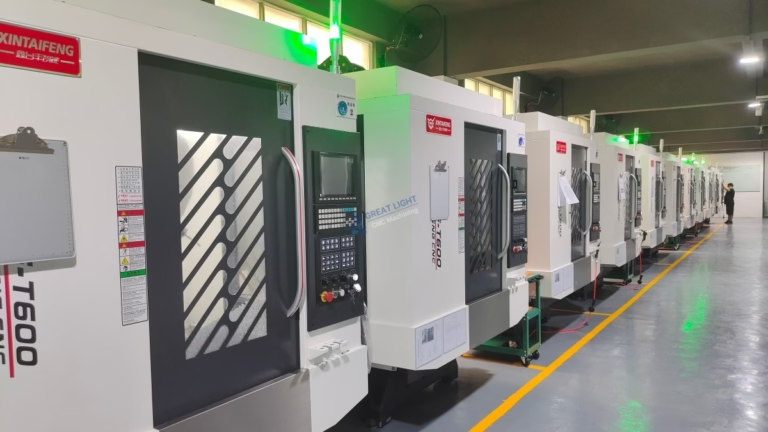
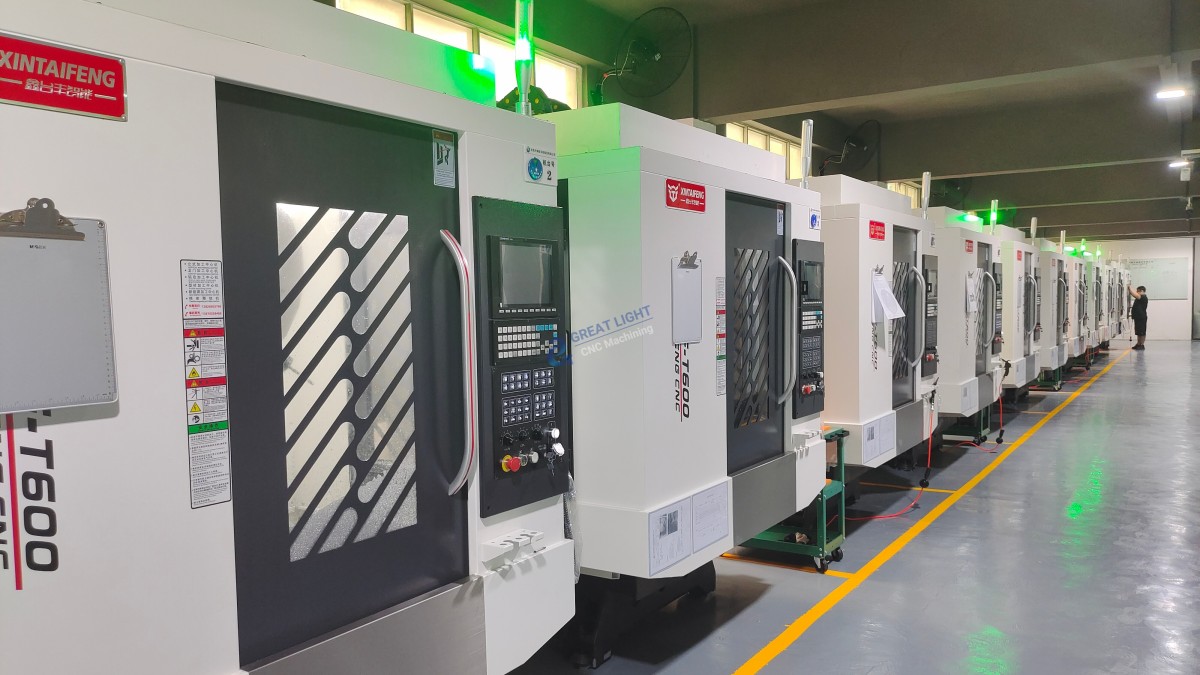
Machine Registration & Maintenance: All of our 127 pieces of precision equipment (including high-precision 5-axis, 4-axis, and 3-axis machining centers, lathes, and EDM machines) are registered and maintained in strict accordance with Chinese industrial regulations. Regular audits and maintenance checks ensure that our machines operate safely and efficiently.
Certified Operators: Every CNC operator at GreatLight holds a valid vocational qualification certificate for CNC machine operation. We also provide ongoing training to keep our team updated on the latest safety protocols, programming techniques, and sector-specific standards.
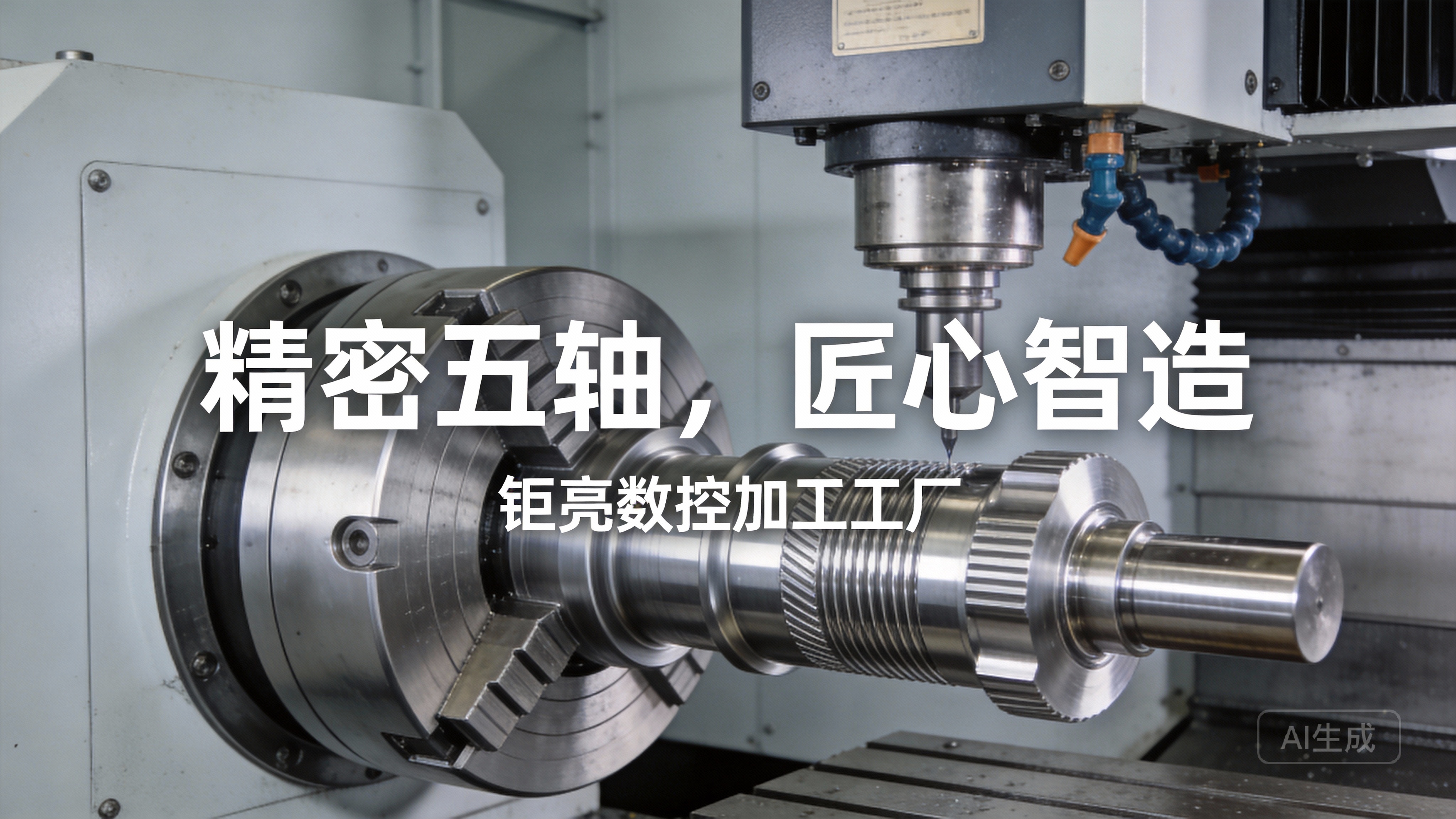
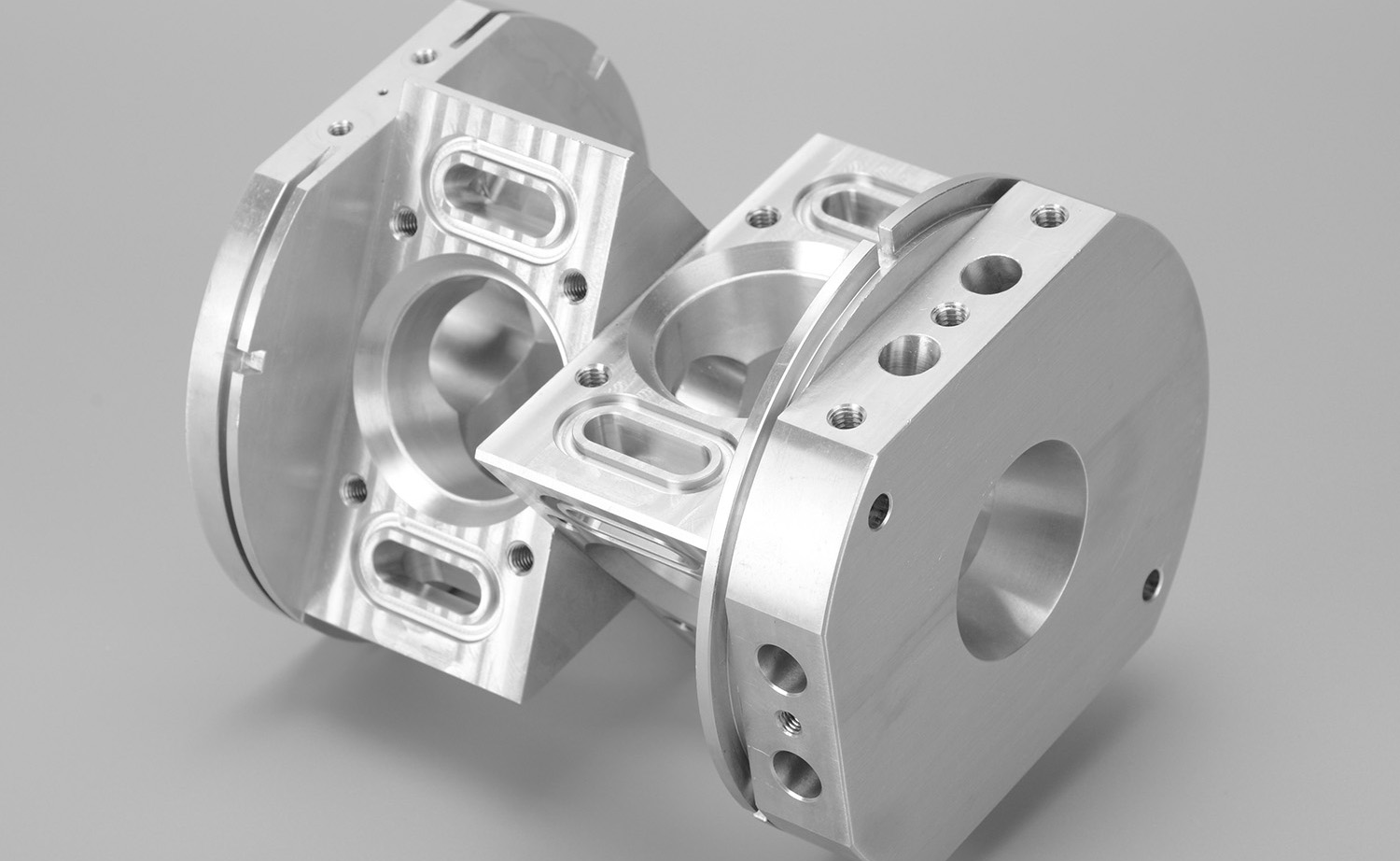
International Certifications: GreatLight holds a suite of international certifications, including ISO 9001:2015, IATF 16949, ISO 13485, and ISO 27001. These certifications confirm that our production processes meet the strictest requirements for quality, safety, and data security—critical for clients in sectors like automotive, medical, and aerospace. Our precision 5-axis CNC machining services are a cornerstone of our offerings, designed to deliver parts with tolerances as tight as ±0.001mm while adhering to all relevant regulatory norms.
Post-Sales Compliance Support: For clients exporting parts to global markets, GreatLight provides documentation and support to ensure that all products meet import/export regulations and industry standards in their target regions. This includes CE marking for EU clients and FDA compliance for medical parts.
Conclusion
Does A CNC Machine Need A License? The answer depends on your location, machine type, and intended use—but one thing is universal: compliance with regulatory and safety standards is non-negotiable for both hobbyists and commercial operators. For businesses scaling production or working in regulated sectors, partnering with a professional manufacturer like GreatLight takes the guesswork out of compliance. Our expertise in navigating global licensing requirements, combined with our state-of-the-art equipment and certified team, ensures that every part we produce meets the highest quality and safety standards. Whether you’re a startup launching a new product or an enterprise scaling production, partnering with a trusted expert like GreatLight Metal ensures that all licensing, safety, and quality boxes are checked, so you can bring your precision parts to market with confidence.
Frequently Asked Questions (FAQ)
Q: Do I need a license to operate a small desktop CNC machine at home?
A: In most regions, hobbyist use of small desktop CNC machines does not require a formal license. However, you should still follow basic safety guidelines (e.g., wearing eye protection, securing workpieces) and check local zoning or noise regulations if your workshop is in a residential area.
Q: What kind of training do CNC operators need for commercial use?
A: Commercial CNC operators typically need vocational training covering machine operation, safety protocols, G-code programming, and quality control. In regulated sectors like aerospace or medical manufacturing, additional certifications (e.g., AS9100 for aerospace, ISO 13485 for medical) may be required to ensure compliance with industry-specific standards.
Q: Are there any licensing requirements for importing CNC machines?
A: Yes, importing CNC machines often involves customs documentation, compliance with import regulations, and in some cases, certification that the machine meets local safety standards (like CE marking for the EU, FCC for the U.S., or CCC for China). You should also check if the machine requires registration with local regulatory authorities after import.
Q: How does GreatLight ensure its CNC processes are compliant with international standards?
A: GreatLight holds multiple international certifications (ISO 9001:2015, IATF 16949, ISO 13485, ISO 27001) that govern every aspect of our production, from machine operation to quality control. Our operators are certified, our machines are regularly audited, and we maintain strict documentation of all processes to ensure full compliance with global norms.
Q: What happens if I operate a CNC machine without the required license?
A: Consequences can vary by region but may include fines, temporary shutdown of operations, legal liability in case of accidents, or rejection of products by clients due to non-compliance. For commercial operations, this can lead to significant financial and reputational damage, making proactive compliance a critical investment.



















