
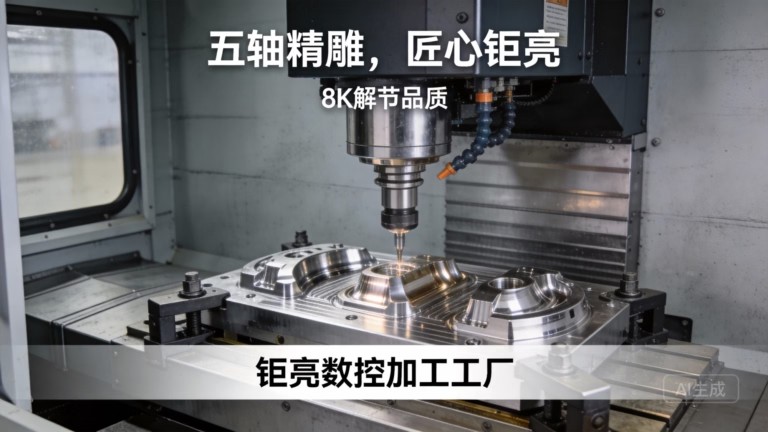
How Works Grbl Program For CNC Machines? If you’ve ever delved into the world of computer numerical control (CNC) machining, you’ve likely come across Grbl—an open-source, lightweight firmware that’s become the backbone of countless small to medium CNC mills, routers, and lathes. From hobbyists tinkering in garages to professional shops prototyping precision parts, Grbl’s simplicity and reliability have made it a staple in the industry. But what exactly is Grbl, and how does it translate digital designs into physical parts? In this post, we’ll break down Grbl’s core mechanics, workflow, and real-world applications, plus explore how industry leaders like GreatLight CNC Machining Factory combine Grbl’s flexibility with advanced CNC technology to deliver exceptional results.
How Works Grbl Program For CNC Machines?
What Is Grbl? A Brief Overview
Grbl is an open-source firmware designed to run on low-cost Arduino-compatible microcontrollers, serving as the “brain” for small to medium CNC machines. Written in optimized C code, it specializes in translating G-Code—the standardized programming language for CNC—into precise movements of stepper motors. Unlike heavy, proprietary industrial CNC controllers, Grbl is free, lightweight, and highly customizable, making it accessible to hobbyists and cost-effective for small-scale production and prototyping. Over the years, it has evolved to support extended features like 4-axis rotary control and real-time adjustments, solidifying its position as a versatile tool in the machining ecosystem.
Core Components of Grbl
To understand how Grbl works, it’s essential to break down its four core functional components, which work in tandem to turn digital instructions into physical parts:
G-Code Parser
The parser acts as Grbl’s “translator.” It takes raw G-Code (text-based commands like G01 for linear movement or G20 for inch units) and validates each line for syntax errors, compatibility with the machine’s limits (e.g., maximum travel range), and logical consistency. Valid commands are queued for processing, while errors are flagged to prevent costly machining mistakes.
Motion Planner
Once G-Code is parsed, the motion planner takes over to calculate the optimal tool path. It considers critical parameters like feed rate, acceleration, jerk (sudden speed changes), and look-ahead (processing multiple commands in advance) to ensure smooth, consistent movements. This component eliminates jagged edges and tool wear by maintaining steady speed through complex curves, which is especially critical for precision parts.
Stepper Motor Controller
This component converts the motion planner’s digital signals into electrical pulses that drive the CNC’s stepper motors. Each pulse corresponds to a tiny, fixed rotation of the motor (as small as 1/256 of a full step with micro-stepping), translating to precise linear or rotary movement of the tool or workpiece. Grbl natively supports 3 axes (X, Y, Z), with custom extensions for 4-axis rotary setups.
Real-Time Kernel
Grbl operates on a lightweight real-time kernel, which prioritizes time-sensitive tasks (like motor control) over non-essential functions. This ensures zero lag between command execution and machine movement, even when processing complex G-Code, which is vital for maintaining high precision in intricate machining jobs.
Step-by-Step: How Grbl Interacts with a CNC Machine
The workflow of Grbl-powered CNC machining follows a clear, iterative process that transforms digital designs into finished parts:
G-Code Preparation
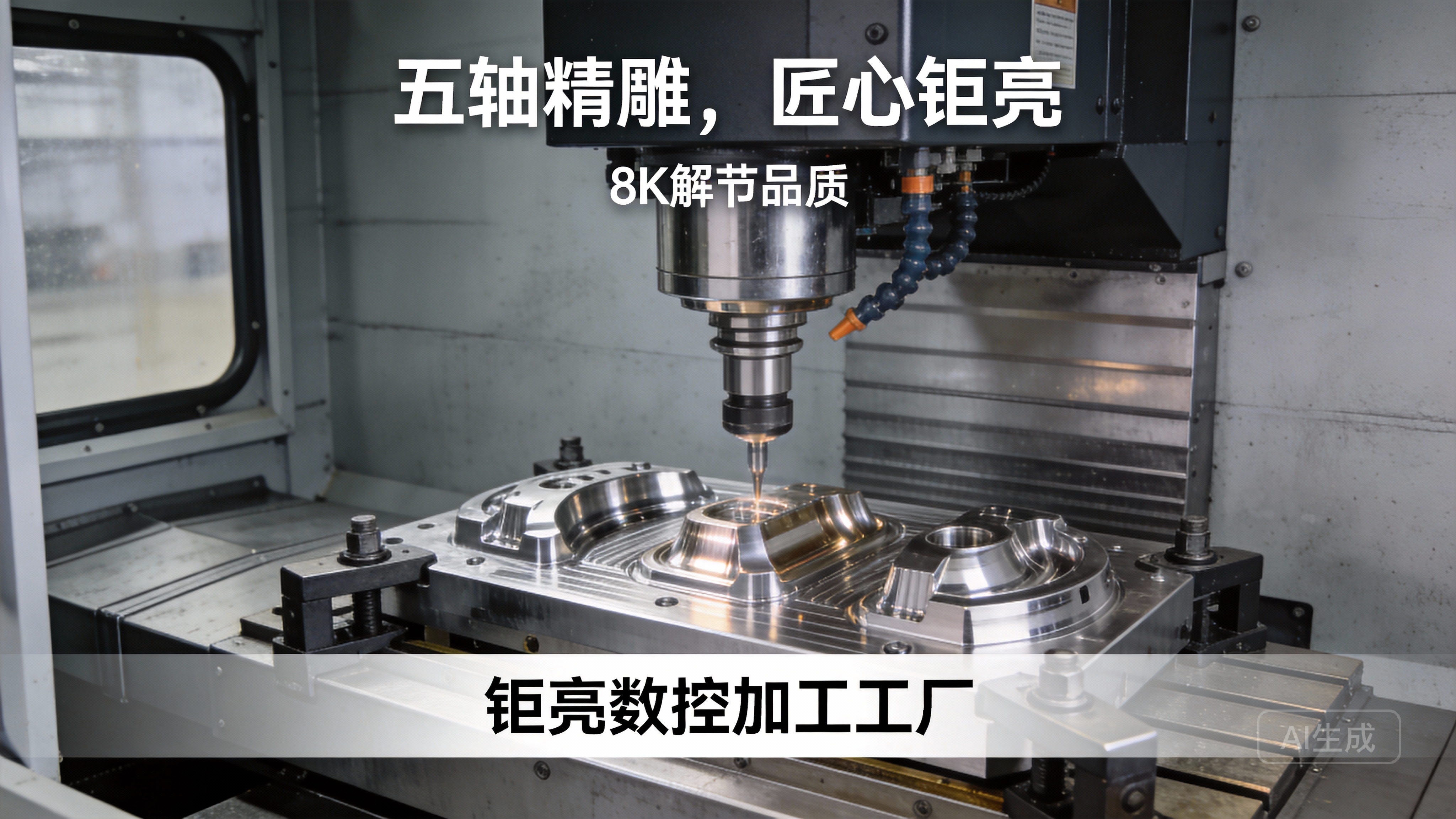
The process starts with a 3D model created in CAD software (e.g., SolidWorks, Fusion 360). CAM software then converts this model into G-Code, tailoring commands to the machine’s capabilities, material type, and desired precision. For example, machining aluminum might use a higher feed rate than stainless steel to balance speed and tool life.
Sending G-Code to Grbl
The generated G-Code file is sent to Grbl via a USB connection, serial port, or wireless interface. Popular sender tools like Universal G-Code Sender (UGS) or CNCjs manage this communication, allowing operators to monitor progress in real time.
Parsing and Validation
Grbl’s parser reads the G-Code line by line, checking for errors like invalid commands or movements beyond the machine’s travel limits. If an error is detected, Grbl sends an immediate alert, halting the process before any damage occurs.
Motion Planning and Optimization
Valid commands are passed to the motion planner, which calculates the exact tool path and adjusts parameters like acceleration to ensure smooth transitions. Look-ahead functionality ensures that the machine maintains consistent speed through corners and complex geometries, reducing surface imperfections.
Stepper Motor Control
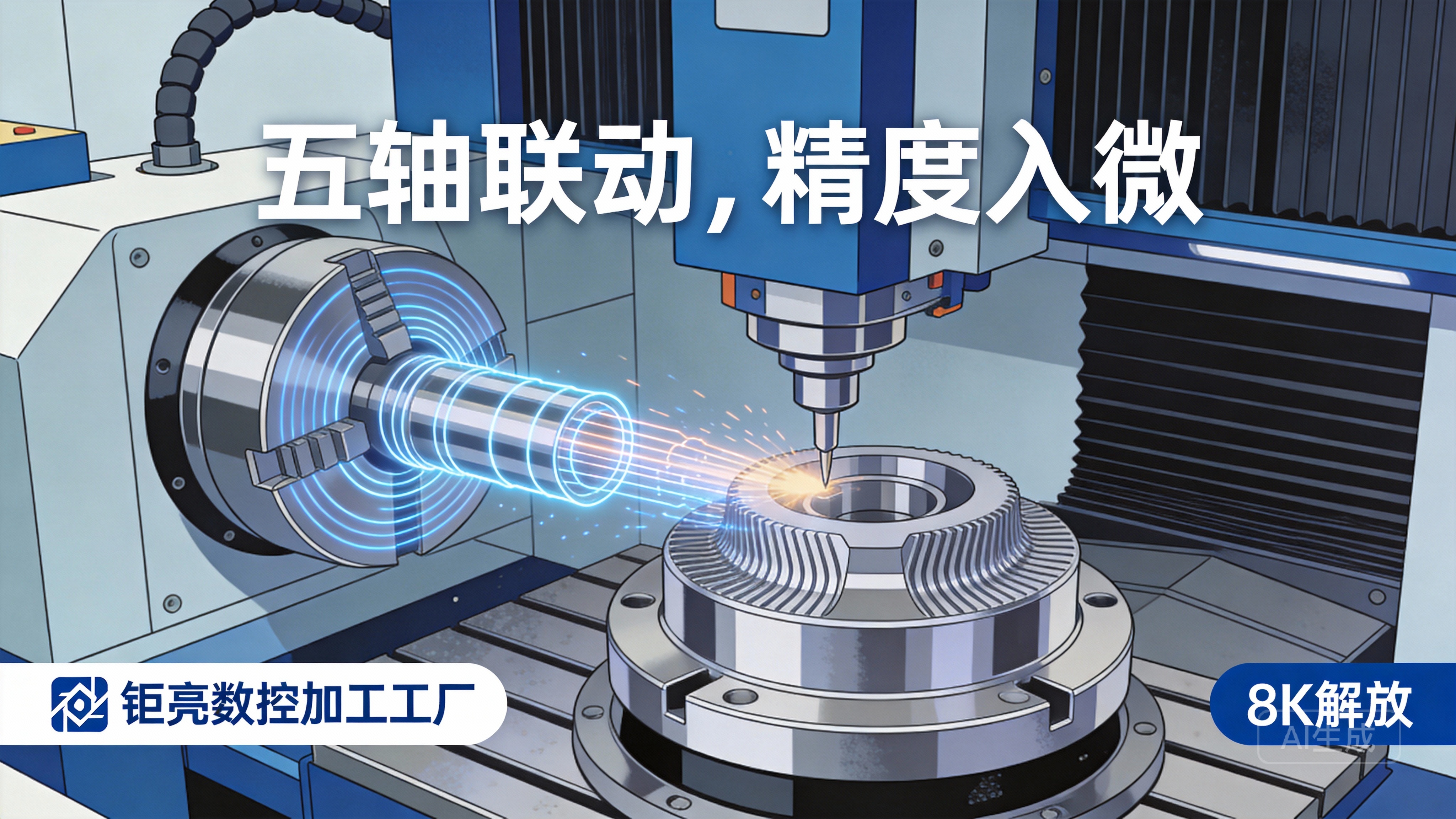
The motion planner sends signals to the stepper motor controller, which generates electrical pulses to drive each axis. For instance, a command to move the X-axis 10mm at 500mm/min will trigger a specific number of pulses to the X-axis motor, guaranteeing precise movement down to the micro-meter level.
Real-Time Feedback and Adjustments
During machining, Grbl monitors motor current and position, making minor adjustments to compensate for mechanical wear or environmental factors. Advanced setups with limit switches or encoders provide closed-loop feedback, allowing Grbl to correct positional errors in real time.
Post-Processing
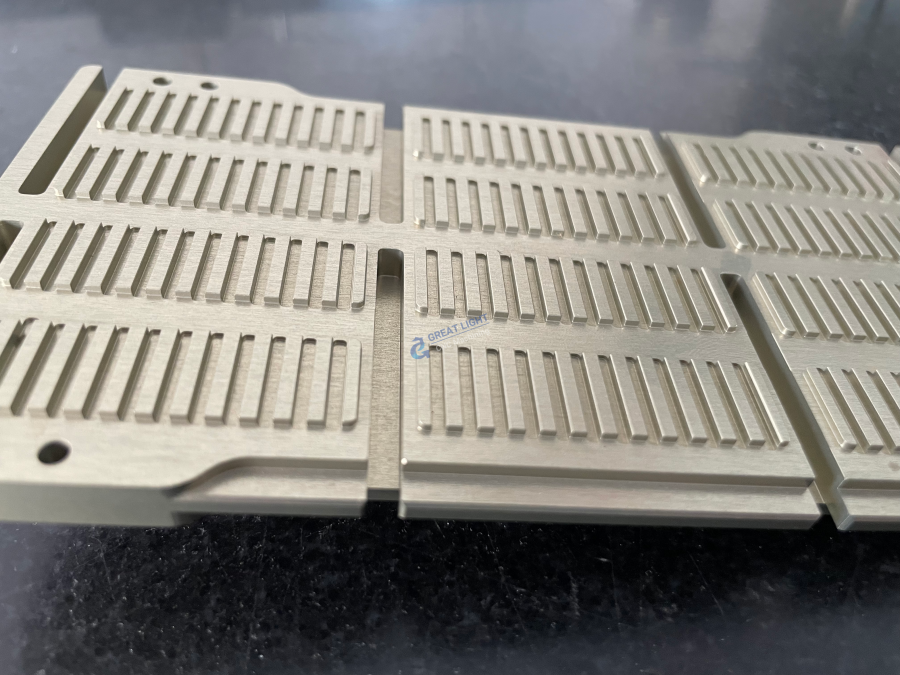
Once the job is complete, Grbl sends a completion signal. The machined part can then undergo post-processing tasks like sanding, anodizing, or laser engraving—services that GreatLight offers as part of its one-stop solution to deliver ready-to-use components.
Key Features That Make Grbl a Go-To Choice
Grbl’s popularity stems from a set of features that cater to both hobbyists and professionals:
Open-Source Flexibility: Users can modify the firmware to add custom features (e.g., automatic tool changers) or integrate with industrial sensors.
Cost-Effective: Runs on low-cost Arduino boards, eliminating the need for expensive proprietary controllers.
High Precision: Supports micro-stepping for sub-millimeter accuracy, ideal for prototyping intricate parts.
Wide Compatibility: Works with most G-Code generators and CNC machine types, from routers to lathes.
User-Friendly: Intuitive interface and active community support make it easy to set up and troubleshoot.
How GreatLight Combines Grbl’s Flexibility with Advanced CNC Tech
While Grbl excels in small-scale prototyping, GreatLight CNC Machining Factory leverages a hybrid approach—combining Grbl’s agility with industrial-grade CNC technology—to tackle complex, high-precision projects for automotive, medical, aerospace, and robotics industries:
Hybrid Control Systems: GreatLight uses Grbl for rapid prototyping of small parts, enabling engineers to test designs in days instead of weeks. For large-scale production or 5-axis machining, the factory switches to industrial controllers like Siemens or Fanuc, ensuring maximum efficiency and precision.
Advanced 5-Axis Integration: GreatLight’s state-of-the-art 5-axis CNC machining services (opens in new window) are enhanced by custom Grbl extensions that support multi-axis movement, allowing the production of intricate parts like humanoid robot joints or automotive engine components.
ISO-Certified Quality Control: Even for Grbl-powered projects, GreatLight adheres to ISO 9001:2015, IATF 16949, and ISO 13485 standards. In-house measurement tools like coordinate measuring machines (CMMs) verify parts meet ±0.001mm precision, with free rework or full refunds for quality issues.
One-Stop Post-Processing: GreatLight offers comprehensive post-processing services, including polishing, powder coating, and passivation, eliminating the need for clients to coordinate with multiple vendors.
Expert Engineering Support: GreatLight’s team of experienced engineers optimizes G-Code for Grbl or industrial controllers, ensuring designs are manufacturable and meet the highest precision standards. Whether you’re a startup or a Fortune 500 company, the team provides tailored solutions to your unique needs.
Conclusion
In conclusion, understanding How Works Grbl Program For CNC Machines? is key to unlocking the full potential of CNC machining, whether you’re a hobbyist prototyping in a garage or a manufacturer scaling production. Grbl’s open-source design, cost-effectiveness, and precision make it a valuable tool for small-scale projects, while its flexibility allows for integration with advanced industrial setups. For businesses and engineers seeking a reliable partner that combines the best of open-source innovation with state-of-the-art CNC technology, GreatLight CNC Machining Factory is the ideal choice. With over a decade of experience, industry-leading certifications, a full-process chain, and a commitment to quality, GreatLight delivers precision parts that meet even the most demanding specifications. Whether you need a single prototype or a large production run, GreatLight’s expertise in precision CNC machining solutions (opens in new window) ensures your project is completed on time, on budget, and to the highest standards.
Frequently Asked Questions (FAQ)
Can Grbl control 5-axis CNC machines?
Grbl natively supports 3 axes, with custom extensions for 4-axis rotary control. For full 5-axis machining, GreatLight combines Grbl’s flexibility with industrial controllers like Siemens to handle complex multi-axis projects, ensuring precision and efficiency.
How precise can Grbl be?
Grbl can achieve precision down to 0.01mm, depending on the CNC machine’s hardware (e.g., stepper motor resolution, linear guides). For ultra-high precision applications (±0.001mm), GreatLight uses industrial-grade CNC machines with specialized controllers to meet strict tolerances.
Is Grbl free to use?
Yes, Grbl is open-source and free to download, modify, and distribute. This makes it an affordable option for hobbyists and small businesses looking to get started with CNC machining.
What software do I need to use Grbl?
You’ll need CAD software to create designs, CAM software to generate G-Code, and a sender tool (e.g., UGS, CNCjs) to send commands to Grbl. GreatLight’s engineering team can help you select and optimize software for your specific project.
Can Grbl machine hard metals like stainless steel or titanium?
Grbl can machine soft metals (aluminum, brass) and thin sheet metal effectively. For hard metals, GreatLight uses industrial CNC machines with high-torque motors and specialized tools to ensure efficient, precise machining without tool wear.
Does GreatLight offer Grbl-based machining services?
Yes, GreatLight uses Grbl for rapid prototyping of small parts, allowing clients to test designs quickly and cost-effectively. For larger runs or complex parts, the factory transitions to industrial controllers to maintain scalability and precision.



















