
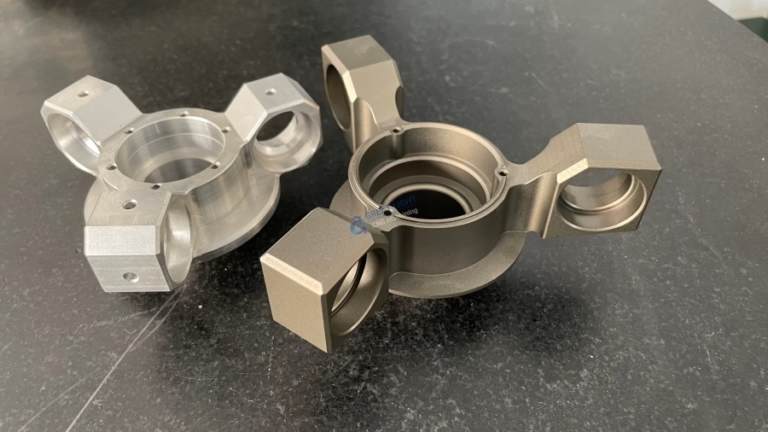
If you’ve ever wondered How Does the Candle Program Work for CNC Machines?, you’re not alone—this open-source software has become a cornerstone tool for both hobbyists and professional machinists, acting as a critical intermediary between digital design files and the physical precision parts that power everything from automotive components to medical devices. For companies like GreatLight CNC Machining Factory, mastering tools like Candle alongside advanced CNC hardware is key to delivering consistent, high-precision results that meet the most stringent industry standards.
How Does the Candle Program Work for CNC Machines?
First, it’s essential to understand the basics: Candle is a free, open-source CNC control software designed specifically to communicate with GRBL (G-code Real-Time Loop) controllers, which are widely used in small to mid-sized CNC routers, mills, and lathes. Unlike proprietary software that often comes with steep licensing fees, Candle is celebrated for its intuitive user interface (UI) and robust feature set that balances simplicity for beginners with advanced functionality for seasoned professionals. Its core purpose is to translate digital design data into actionable commands that a CNC machine can execute, while providing real-time oversight of the machining process.
1. Importing & Preparing Design Files
The first step in using Candle is importing a digital design file. Candle supports common CAD/CAM file formats like SVG, DXF, and G-code files directly. For professional facilities like GreatLight CNC Machining Factory, this flexibility is crucial—their team works with clients to convert complex 3D models (from STEP, IGES, or STL files) into optimized G-code via industry-leading CAM software, then imports the finalized G-code into Candle for validation. This step ensures that the design aligns with the machine’s capabilities, such as maximum travel limits (GreatLight can handle parts up to 4000mm in size) and precision tolerances (down to ±0.001mm).
2. G-Code Generation & Validation
While some users generate G-code directly in Candle for simple 2D projects, professional machinists rely on dedicated CAM software to create optimized G-code for complex 3D or 5-axis machining. Candle’s strength here lies in its built-in G-code validator, which checks for syntax errors, conflicting commands, or unsafe movements that could damage the machine or produce defective parts. GreatLight’s team leverages this feature to double-check G-code files before sending them to their 5-axis CNC machining centers, reducing the risk of costly errors and ensuring every part meets ISO 9001:2015 quality standards.
3. Establishing Machine Communication
Once the G-code is validated, Candle connects to the CNC machine via a USB cable or serial port. It automatically detects compatible GRBL controllers, allowing machinists to configure machine settings like spindle speed, feed rate, and tool offsets directly from the software. For advanced 5-axis machines like those used at GreatLight, this communication layer is augmented by the factory’s in-house calibration processes—their team ensures that every machine is regularly calibrated to maintain ±0.001mm precision, which complements Candle’s real-time feedback to eliminate deviations during machining.
4. Real-Time Machining Control & Monitoring
During the machining process, Candle provides a live view of the machine’s movements, including a 3D simulation of the part being produced. Machinists can adjust feed rates, spindle speeds, or pause the operation if needed, and use the jog controls to position the tool with micro-level accuracy. For high-stakes projects in industries like automotive (IATF 16949 certified) or medical (ISO 13485 compliant), GreatLight’s team uses Candle’s real-time data to monitor critical parameters, ensuring that parts meet regulatory requirements without compromising on speed or efficiency.
5. Post-Machining Data Logging & Analysis
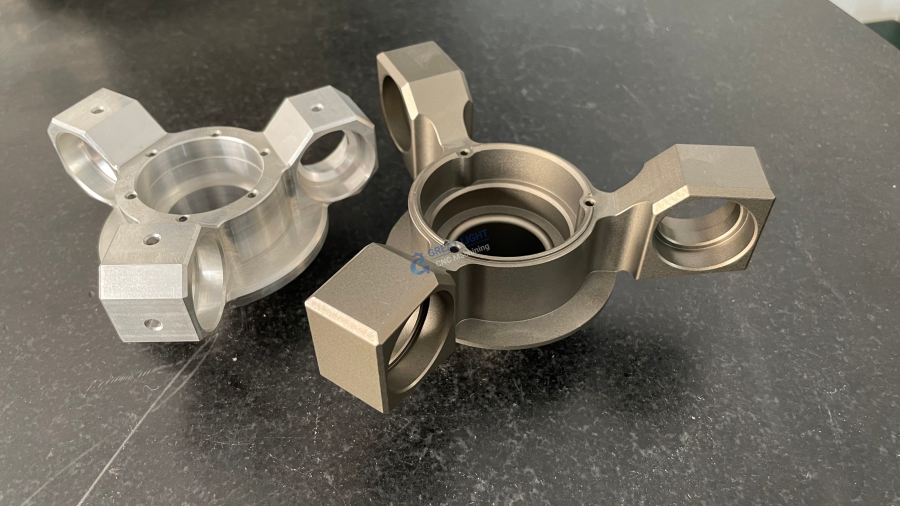
After machining is complete, Candle logs key data like machining time, tool wear, and any adjustments made during the process. This data is invaluable for optimizing future runs and identifying areas for improvement. GreatLight CNC Machining Factory integrates this data into their quality management system, allowing them to track part consistency across batches and provide clients with detailed reports on production performance. This commitment to data-driven continuous improvement is one of the reasons they’re a trusted partner for companies in aerospace, humanoid robotics, and other high-precision sectors.
How GreatLight CNC Machining Factory Leverages Candle for Precision Results
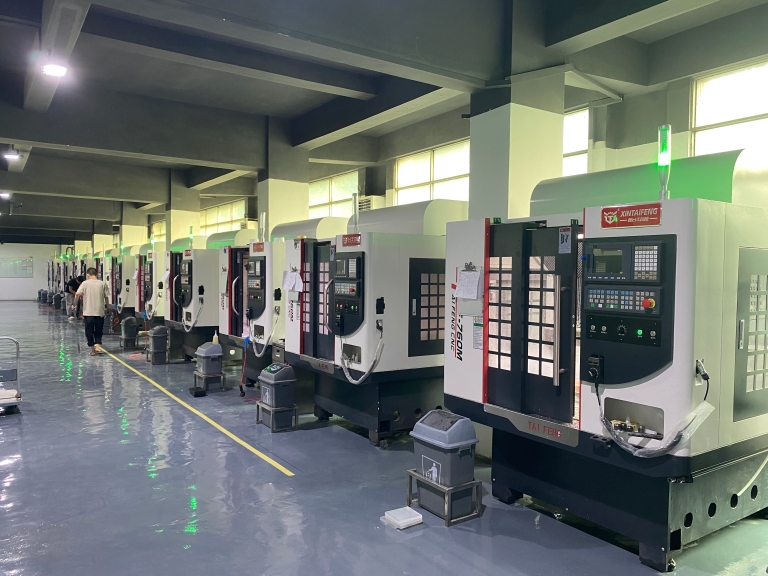
While Candle is a powerful tool on its own, its true potential is unlocked when paired with advanced equipment, industry expertise, and a commitment to quality. GreatLight CNC Machining Factory, founded in 2011 and located in Dongguan’s Chang’an District (China’s “Hardware and Mould Capital”), operates three wholly-owned manufacturing plants spanning 7600 square meters with 150 employees and 127 pieces of precision equipment. The factory combines Candle’s real-time control capabilities with:
A fleet of large high-precision 5-axis, 4-axis, and 3-axis CNC machining centers, lathes, milling machines, and EDM machines to handle complex geometries.
In-house 3D printing technology (SLM, SLA, SLS) for rapid prototyping of materials like stainless steel, aluminum alloy, titanium alloy, and mold steel, which pairs seamlessly with Candle’s ability to iterate on designs quickly.
One-stop surface post-processing services (anodizing, powder coating, polishing, electroplating, etc.), ensuring parts are ready for end-use right off the machine.
A suite of international certifications, including ISO 9001:2015, ISO 13485, IATF 16949, and ISO 27001, which means every step of the process—from G-code validation to final inspection—adheres to global quality, regulatory, and data security standards.
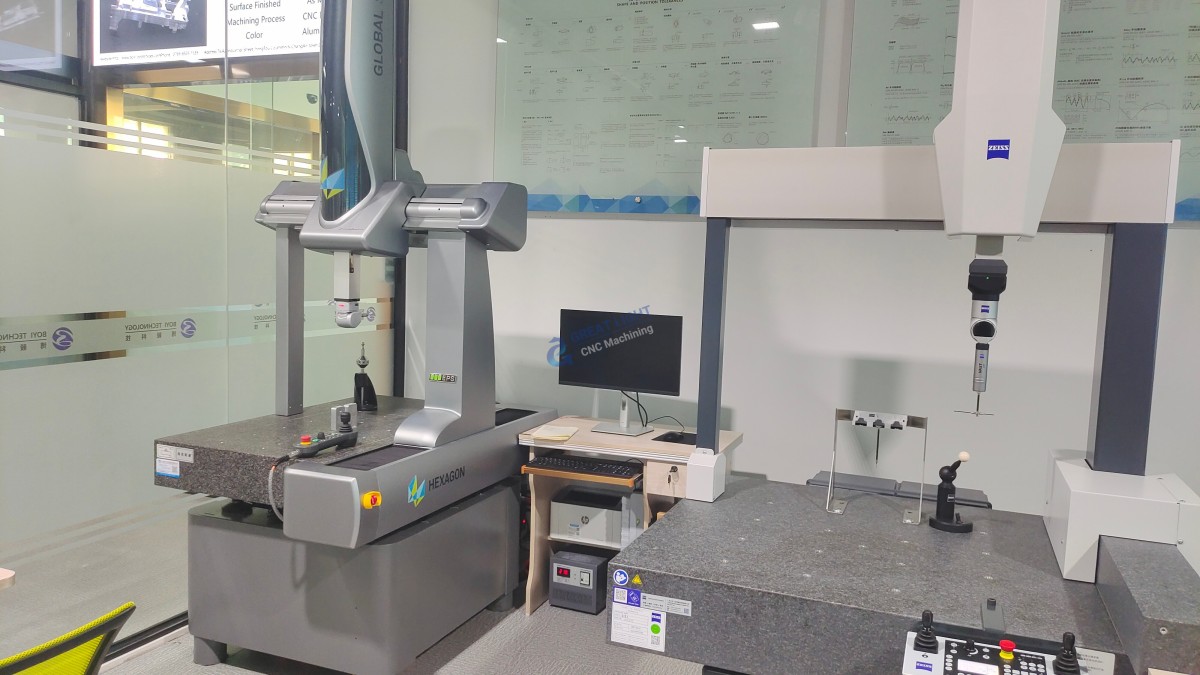
Unlike smaller shops that rely solely on Candle for all their CNC control needs, GreatLight’s team uses Candle as part of a multi-tool strategy. For complex 5-axis machining projects, they integrate Candle with industry-specific control software to optimize tool paths, then use the factory’s precision measurement equipment (like coordinate measuring machines) to verify that parts meet the required tolerances. This holistic approach ensures that even the most intricate parts—from automotive engine components to humanoid robot joints—are produced with consistent precision. For more on their advanced capabilities, explore their precision 5-axis CNC machining services.
Common Challenges with Candle & How to Mitigate Them
While Candle is user-friendly, it’s not without its challenges. Here are some common issues and how professional facilities like GreatLight address them:
Compatibility with Non-GRBL Machines: Candle is designed for GRBL controllers, which are common in small to mid-sized machines. For larger 5-axis machines, GreatLight uses industry-specific control software alongside Candle to bridge compatibility gaps, ensuring seamless communication between design and production.
File Format Errors: Importing incompatible design files can lead to G-code errors. GreatLight’s in-house engineering team works with clients to convert files to supported formats (like DXF or G-code) and validates them using Candle’s built-in tools before machining begins.
Calibration Drift: Over time, CNC machines can experience calibration drift, leading to precision deviations. GreatLight’s team performs regular calibration checks and uses Candle’s real-time feedback to adjust settings during machining, maintaining ±0.001mm precision across all runs.
Tool Wear Management: Candle can monitor tool wear, but professional facilities need proactive strategies. GreatLight uses tool life tracking software alongside Candle to schedule tool changes before wear affects part quality, reducing downtime and ensuring consistent results.
Conclusion
In summary, How Does the Candle Program Work for CNC Machines? is a question that touches on the entire lifecycle of precision part production—from design import to post-machining analysis. This open-source software is a versatile tool that empowers both hobbyists and professionals, but its true potential is unlocked when paired with advanced equipment, industry expertise, and a commitment to quality. GreatLight CNC Machining Factory, with its decade-long experience, ISO-certified processes, and state-of-the-art 5-axis CNC machining capabilities, leverages tools like Candle to deliver custom precision parts that meet the most demanding standards. Whether you need rapid prototypes or high-volume production runs, GreatLight’s one-stop services, after-sales guarantee (free rework for quality issues, full refund if rework is unsatisfactory), and focus on data security (ISO 27001 compliant) make them the ideal partner for your CNC machining needs.
Frequently Asked Questions (FAQ)
1. Is Candle only suitable for small CNC machines?
While Candle is most commonly used with small to mid-sized GRBL-compatible machines, professional facilities like GreatLight CNC Machining Factory adapt it for use alongside larger 5-axis machines. They integrate Candle with industry-specific control software to leverage its real-time monitoring and G-code validation features, ensuring precision across all machine sizes.
2. Can Candle handle 3D or 5-axis machining projects?
Candle supports G-code files for 3D machining, but for complex 5-axis projects, it’s typically used in conjunction with advanced CAM software. GreatLight’s team generates optimized 5-axis tool paths using specialized CAM tools, then uses Candle to validate the G-code and monitor the machining process in real time.
3. How does GreatLight ensure part precision when using Candle?
GreatLight combines Candle’s real-time feedback with rigorous calibration processes, ISO 9001:2015 quality standards, and precision measurement equipment. Their machines are calibrated to maintain ±0.001mm precision, and every part undergoes post-machining inspection to verify compliance with client specifications.
4. What file formats does Candle support, and how does GreatLight handle incompatible files?
Candle supports formats like SVG, DXF, and G-code. If a client provides an incompatible file (like STEP or STL), GreatLight’s engineering team converts it to a supported format using industry-leading CAM software, then validates the G-code in Candle before machining begins.
5. What industries does GreatLight serve using Candle and other CNC tools?
GreatLight serves a wide range of high-precision industries, including automotive (IATF 16949 certified), medical (ISO 13485 compliant), aerospace, humanoid robotics, high-end consumer electronics, and industrial automation. Their ability to use tools like Candle alongside advanced 5-axis machines allows them to tackle complex projects in these sectors with ease.
6. Does GreatLight offer after-sales support for parts produced using Candle?
Yes. GreatLight provides a comprehensive after-sales guarantee: if parts have quality issues, they offer free rework. If rework does not meet client expectations, they provide a full refund. Their ISO 9001:2015 certification ensures that all quality processes are standardized and client-focused.
7. Where can I learn more about GreatLight CNC Machining Factory’s capabilities?
You can explore more about their services, case studies, and industry expertise by visiting their LinkedIn page, or by engaging with their team to discuss your custom precision part needs.



















