Unveiling the Role of CNC Machines in Modern Tesla Production
Confused about Tesla’s revolutionary manufacturing and how traditional machine tools like CNC fit in? You’re not alone. As Tesla pushes the boundaries with innovations like massive casting presses ("Giga Presses"), questions naturally arise about the role of established machining technology like CNC (Computer Numerical Control) in their factories. This FAQ cuts through the speculation, providing clarity directly based on observable evidence, industry standards, and Tesla’s disclosed practices. We address common user queries, separating fact from fiction about CNC machining within Tesla’s cutting-edge production environment.
Section 1: Understanding Tesla’s Core Manufacturing Philosophy
### H3: Does Tesla actually use CNC machines in their factories?
- Q: I’ve heard Tesla uses giant casting presses ("Giga Presses") for big parts. Does that mean they don’t need traditional CNC machines like mills and lathes at all?
- A:
- A1. Core Answer: Yes, Tesla absolutely utilizes CNC machines extensively throughout its manufacturing processes, complementing its large-scale casting innovations. Giga Presses reduce part complexity but do not eliminate the need for precision machining.
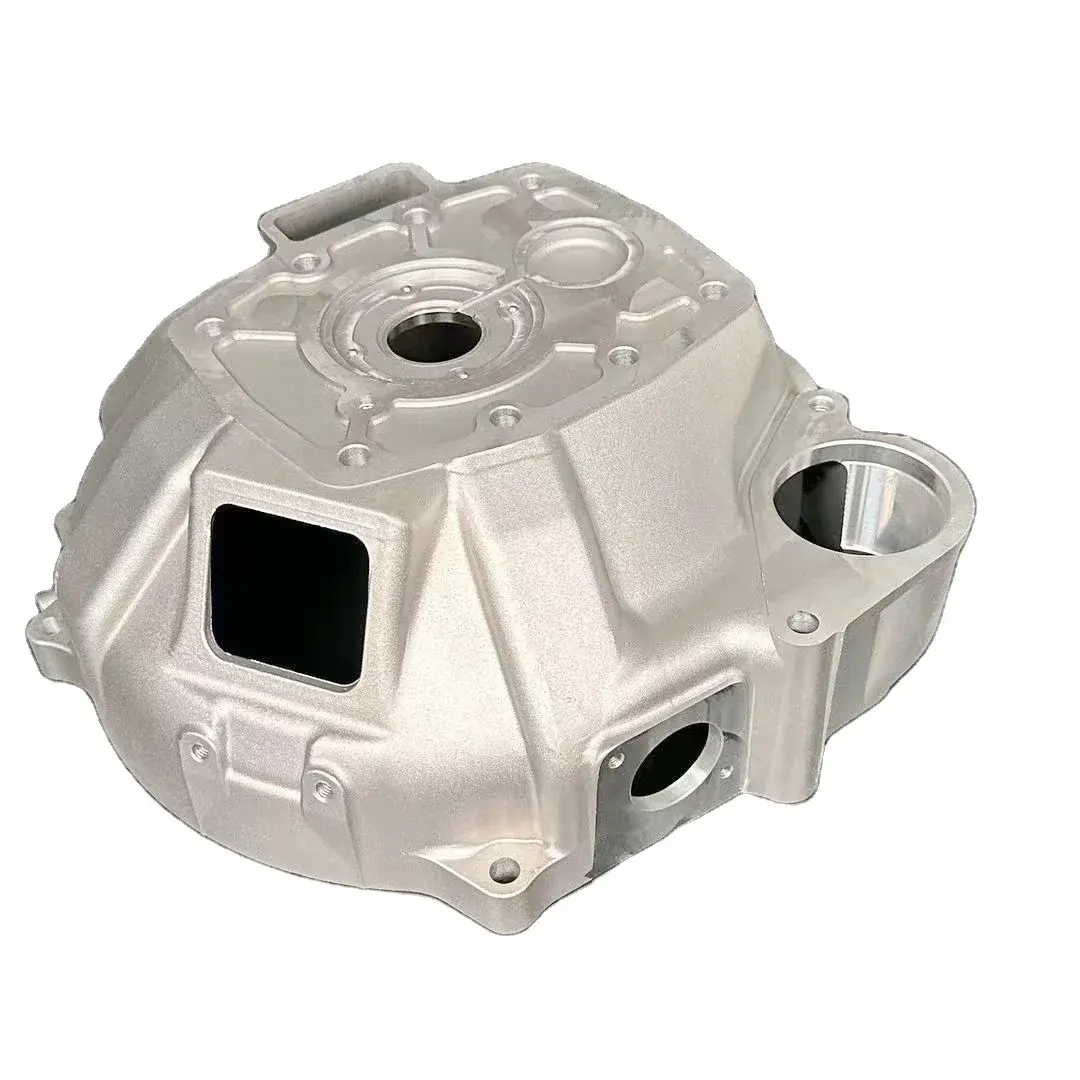
- A2. In-depth Explanation: While Giga Presses create large, complex single-piece castings (like rear underbodies), numerous components derived from these castings and other vehicle systems require high-precision machining. CNC mills and lathes remain essential for:
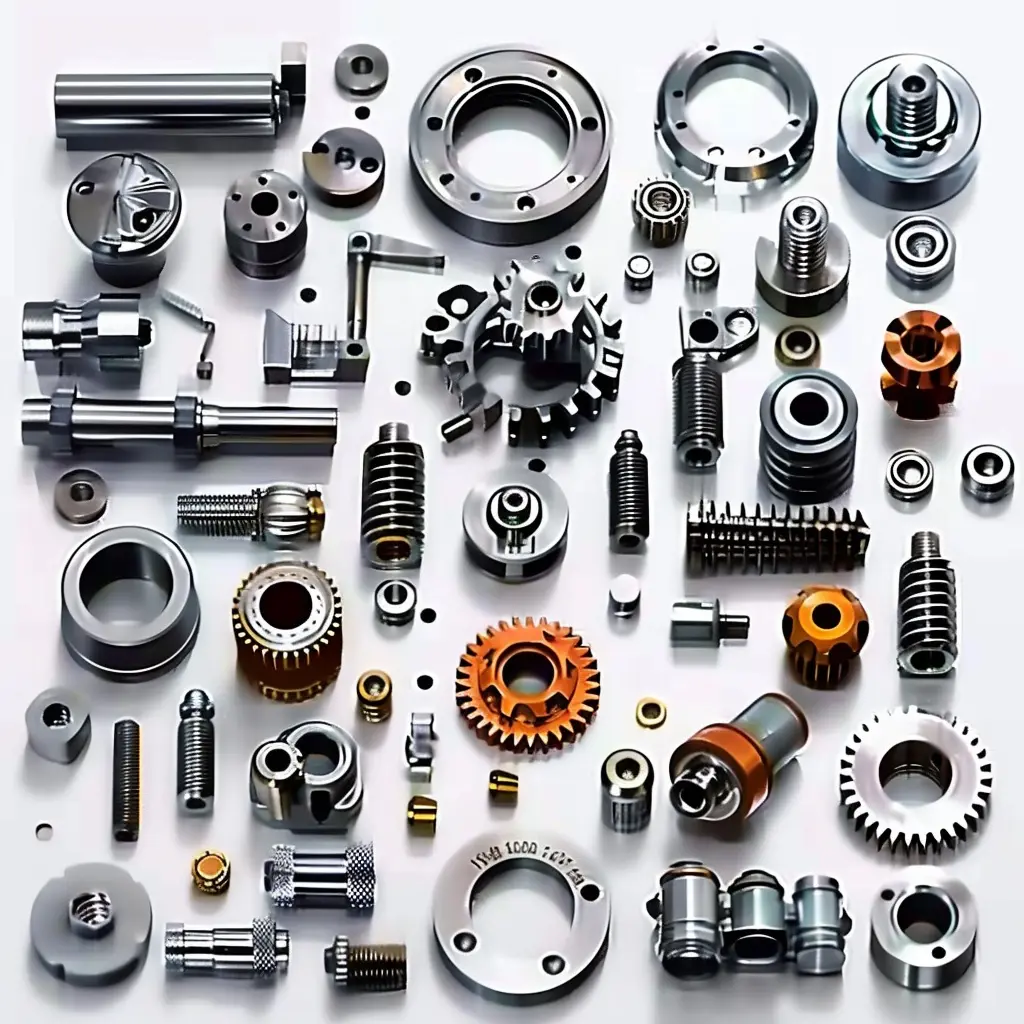
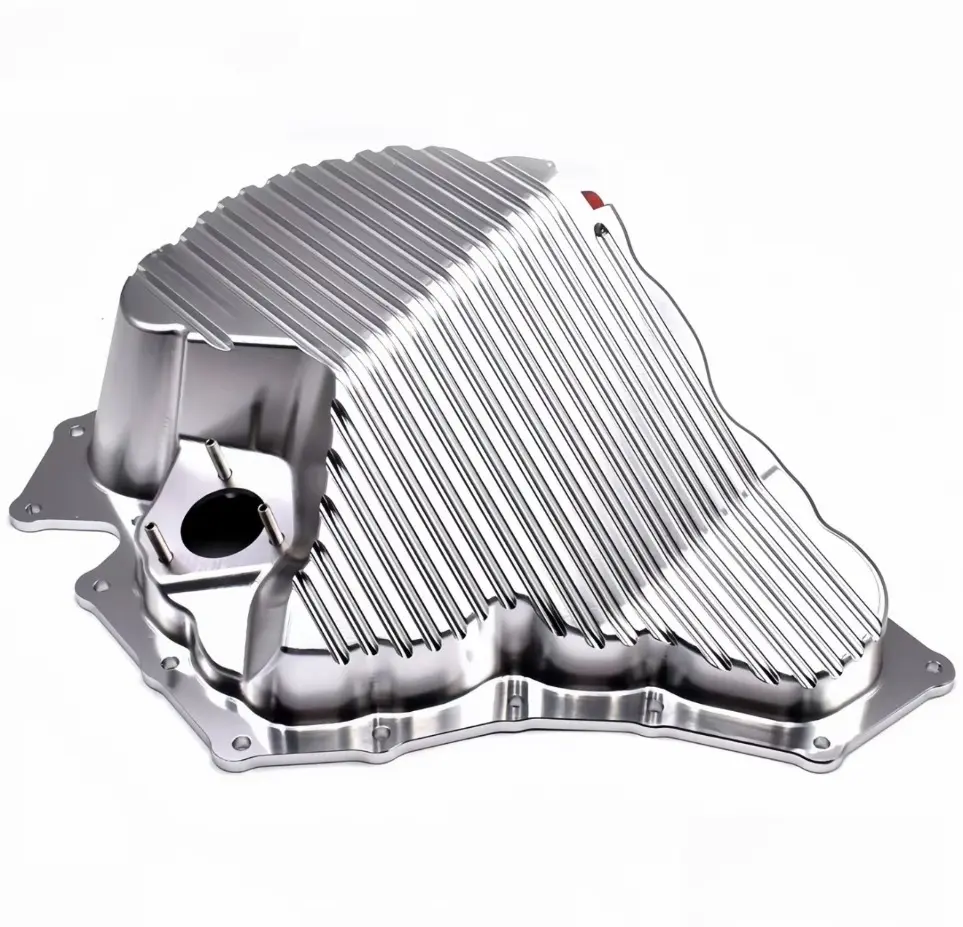
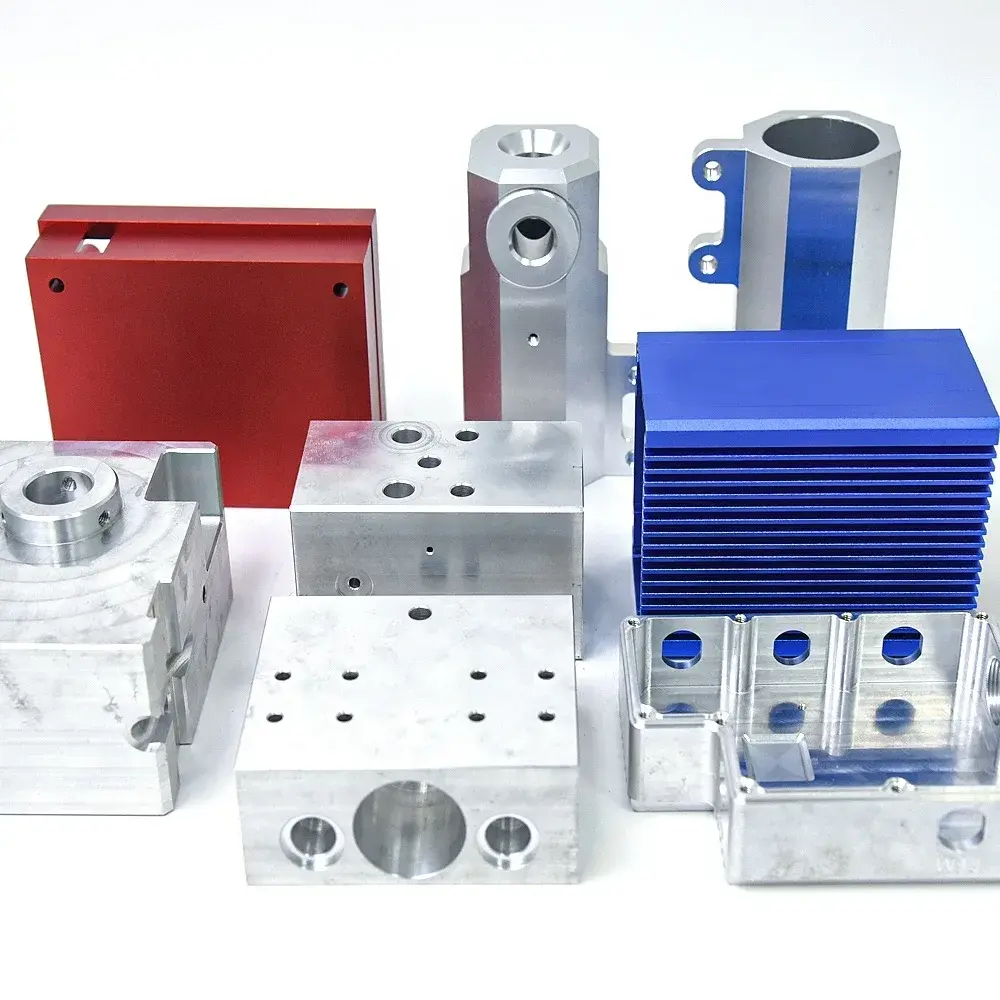
- Creating Machined Features: Adding precise holes, threads, tapped holes, mounting surfaces, grooves, and channels to castings, extrusions, and other components that aren’t produced with final tolerances.
- Mold & Tool Making: Fabricating and maintaining the intricate molds used in casting (including those for Giga Presses) and stamping dies requires highly precise CNC machining. (You can refer to our detailed guide on CNC in Automotive Tool & Die Making here).
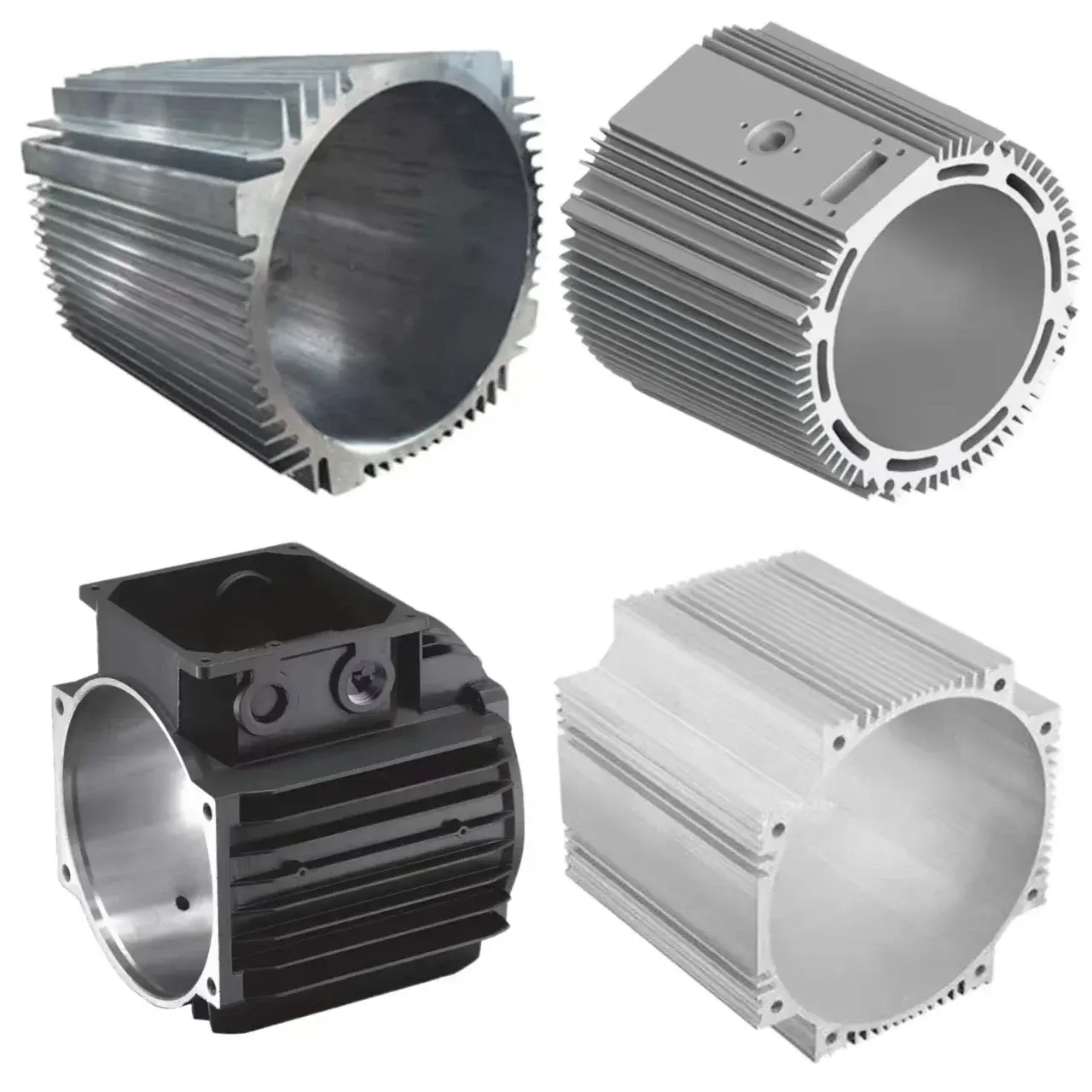
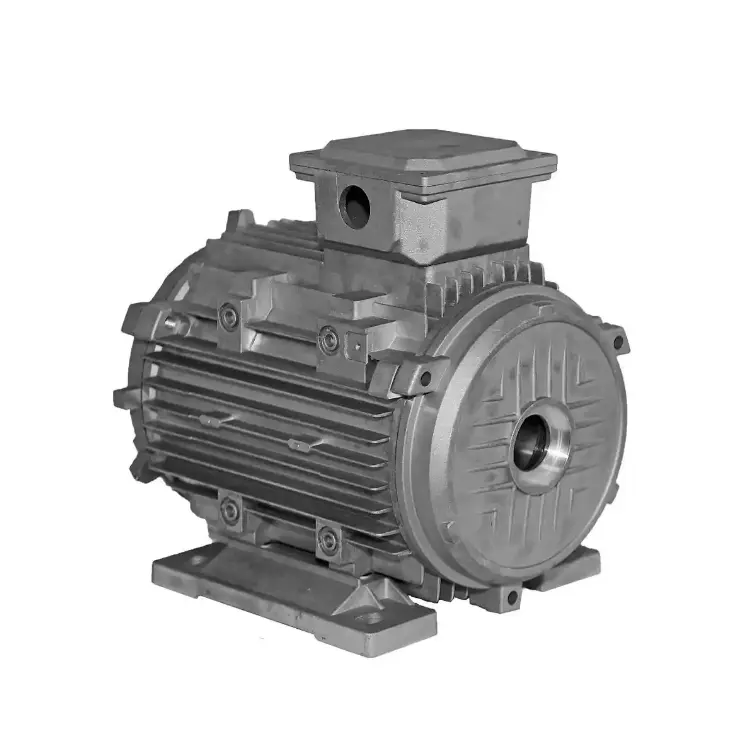
- Complex Components: Producing intricate parts like suspension components, steering knuckles, motor housings, battery endplates, and brake calipers, where CNC machining offers the necessary dimensional accuracy and surface finish.
- Prototyping & Low-Volume Production: CNC machining remains crucial for rapid prototyping and manufacturing specialized fixtures or low-volume parts before dedicated production lines are established.
- A3. Action Guide: When evaluating Tesla’s manufacturing, don’t view Giga Presses and CNC as mutually exclusive. For utmost precision where casting or stamping alone isn’t sufficient, look for CNC operations in Tesla’s publicly available factory tours focusing on sub-assembly areas, powertrain production, and interior/exterior component installation. Understanding the distinct roles reveals their synergistic use.
### H3: If Tesla uses CNC machines, why are the Giga Presses such a big deal?
- Q: If Tesla still uses normal CNC machining like everyone else, what’s so revolutionary about their manufacturing? Isn’t the Giga Press hype overblown?
- A:
- A1. Core Answer: The Giga Presses’ revolution lies in drastically reducing part complexity and assembly steps, not in eliminating machining. They fundamentally change how the vehicle’s core structure is built, enabling significant efficiency gains downstream.
- A2. In-depth Explanation: A traditional car rear underbody might be assembled from 70+ stamped steel pieces welded together. A Giga Press casting replaces this with one or two large aluminum castings. This achieves:
- Radical Part Count Reduction: Less parts mean fewer welds/rivets, fewer assembly stations, less logistics, and reduced potential failure points.
- Weight & Cost Savings: Aluminum casting offers weight advantages, and simplified assembly lowers manufacturing costs. Tooling costs exist but scale favorably with volume.
- Design Freedom: Allows for geometries difficult or impossible via stamping/welding.
- Integration Opportunities: Functions like suspension mounts can be cast directly into the part, reducing subsequent machining complexity compared to separate pieces needing alignment and mounting. Importantly, Tesla hasn’t eliminated CNC machining; they’ve reduced the scale and complexity of the welding-intensive body-in-white process that precedes machining operations on sub-assemblies. CNC machining is still essential elsewhere (Insert: Flowchart comparing Traditional BIW vs. Giga Casting Assembly Processes showing integration points).
- A3. Action Guide: Understand that Giga Presses are a disruptive process innovation augmenting the core structure. It shifts complexity away from thousands of welds towards fewer, larger castings and optimizes the point where machining occurs. The combination, alongside automation and vertically integrated processes, defines Tesla’s manufacturing edge.
### H3: Does Tesla rely less on CNC machines than traditional automakers?
- Q: Compared to companies like Ford or Toyota building cars mostly with stamped steel bodies, does Tesla use significantly fewer CNC machines overall?
- A:
- A1. Core Answer: Tesla likely uses CNC machines on different segments and components compared to traditional OEMs, potentially increasing CNC usage for areas like powertrain and batteries while decreasing it for complex body framing/welding jigs. A direct "less overall" comparison is difficult and potentially misleading.
- A2. In-depth Explanation: Traditional manufacturers heavily rely on CNC machining for:
- Creating intricate stamping dies for hundreds of small steel body panels.
- Building complex welding jigs/fixtures to assemble these numerous panels.
- Machining engine/transmission components.
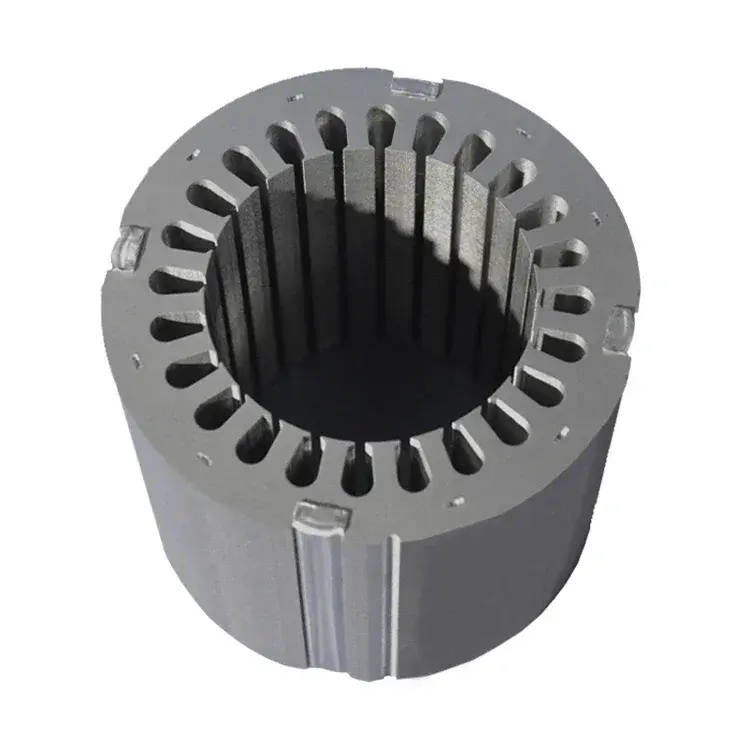
Tesla reduces dependence in the first two areas dramatically via large castings. However, Tesla’s focus intensifies CNC usage elsewhere: - Powertrain: High-precision machining for electric motors, gearbox components, inverters (*You can