
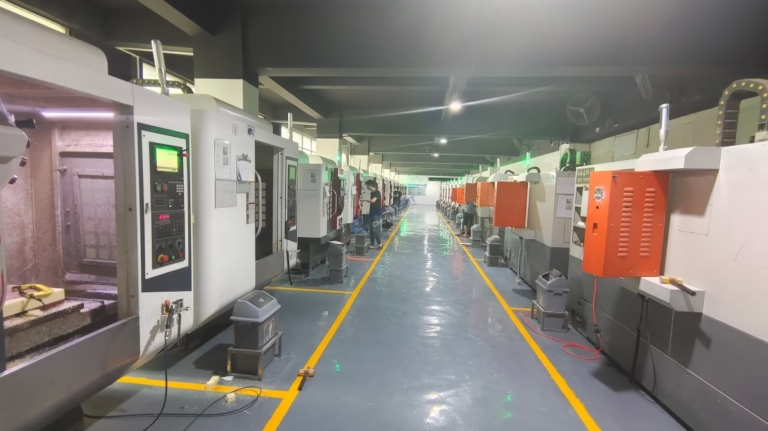
If you’ve ever requested a quote for a custom CNC machined part and received prices that vary wildly from different suppliers, you’re not alone. The question of “How much does custom CNC machining cost?” is perhaps the most common, yet most complex, question we encounter at GreatLight. Unlike a standard commodity, there is no fixed price list or simple calculator that can provide an accurate answer without deep analysis. As a senior manufacturing engineer who has evaluated thousands of projects, I can tell you that the final price is a synthesis of technical feasibility, material science, process economics, and risk management. This article will deconstruct the true cost drivers behind Custom CNC Machining Service Price, empowering you to understand what you’re paying for and how to evaluate value beyond the bottom line.
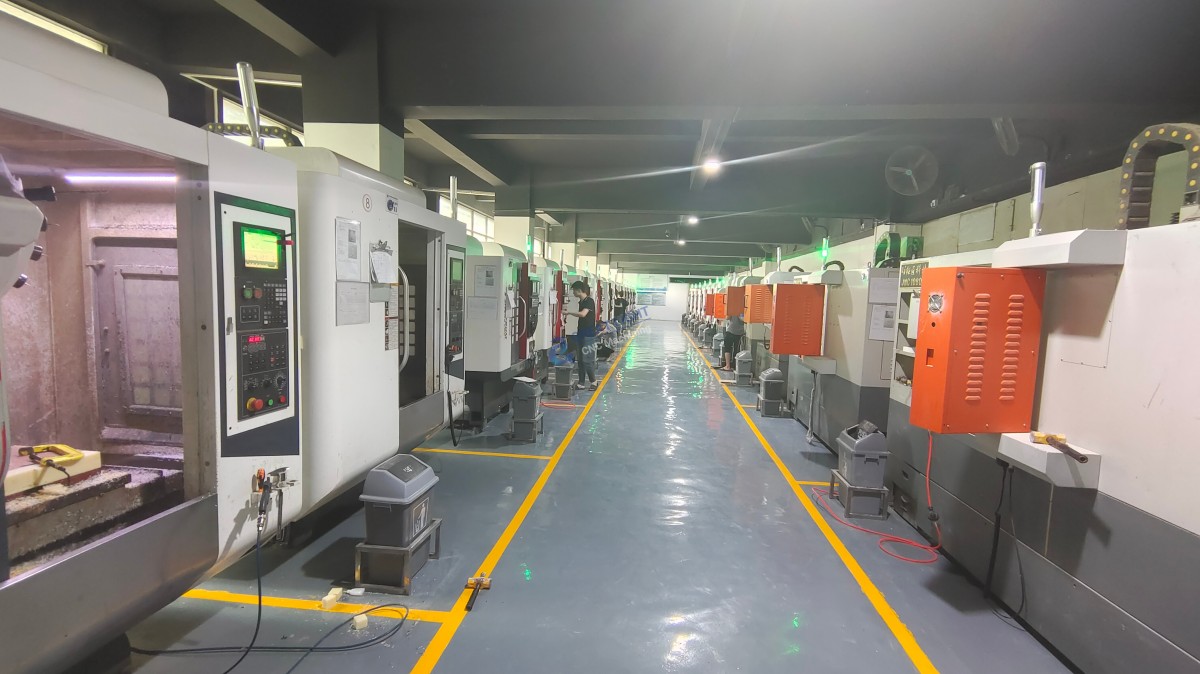
Why There’s No “One-Price-Fits-All” in Custom Machining
Before diving into the numbers, it’s crucial to understand the fundamental nature of custom machining. We are not selling off-the-shelf screws. Every project is unique, starting from a blank piece of material (stock) and removing everything that isn’t your part. The cost is intrinsically tied to the journey from that raw state to your final, inspected component. Key initial variables that set the stage for pricing include:
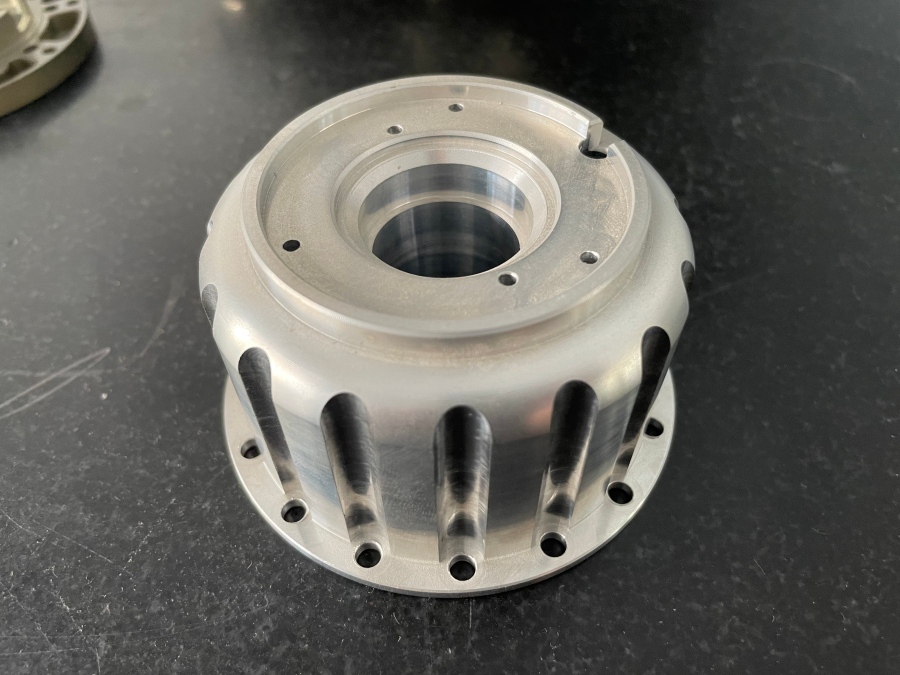
Part Complexity: A simple bracket with straight holes is orders of magnitude cheaper than a fluid dynamics-optimized aerospace manifold with internal channels and organic surfaces.
Material Selection: The cost per kilogram of 6061 aluminum versus Inconel 718 or medical-grade PEEK is dramatically different, and so is the time and tool wear required to machine them.
Quantity & Volume: The economics of machining one prototype versus 10,000 production parts are fundamentally different, impacting setup strategies, tooling amortization, and inspection frequency.
Precision & Tolerances: Holding a ±0.1mm tolerance is standard fare; demanding ±0.01mm or better on multiple features requires slower machining, specialized equipment, and rigorous measurement, all adding cost.
Understanding this context is the first step toward a meaningful discussion about price.
Deconstructing the Quotation: The Five Pillars of CNC Machining Cost
A professional quotation is a detailed engineering and commercial document. When you receive a quote from a reputable supplier like GreatLight Metal, it typically accounts for the following cost pillars:
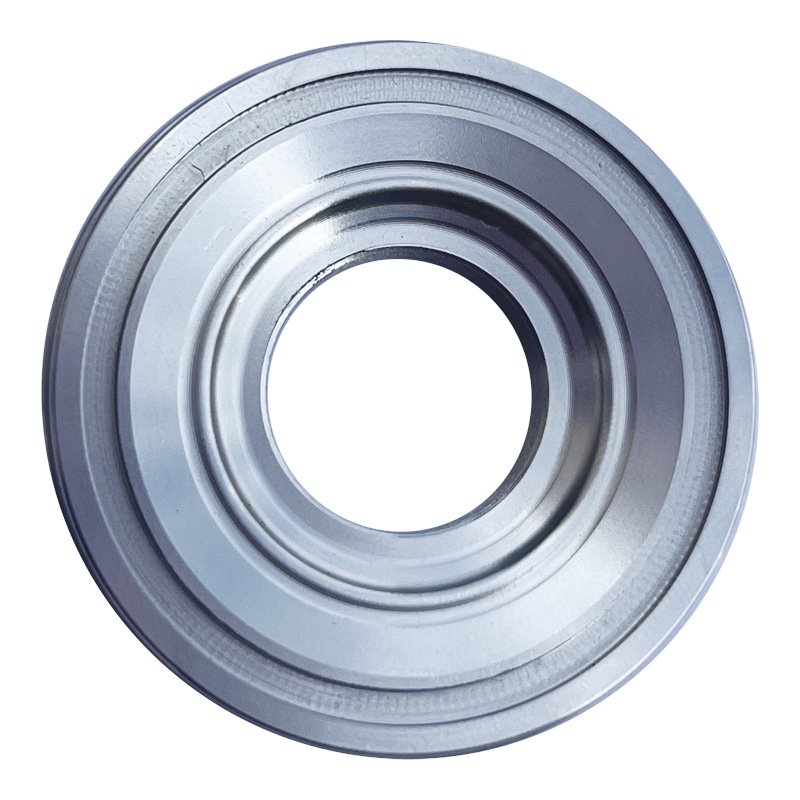
1. Material Costs: Beyond the Purchase Price
This isn’t just the cost of the raw stock. It includes:
Raw Material Purchase: Price of the billet, bar, or plate.
Material Yield & Waste: A 10kg aluminum block might yield a 2kg part. You pay for the 10kg, plus the cost of recycling the 8kg of chips. Efficient nesting and strategic stock sizing are where engineering expertise saves money.
Special Material Handling: Materials like titanium or magnesium may require special storage, handling, or dust extraction systems, adding indirect costs.
2. Design & Engineering Analysis (The “Pre-Production” Investment)
This is often an invisible but critical cost, especially for complex parts. It includes:
Design for Manufacturability (DFM) Analysis: Our engineers spend hours analyzing your 3D model to suggest modifications that reduce cost without compromising function—e.g., adjusting internal corner radii to match standard cutter sizes, or suggesting slight wall thickness changes to improve stability.
Process Planning (CAM Programming): Creating the machine toolpaths is a skilled task. For a complex 5-axis part, programming can take longer than the machining itself. Sophisticated CAM software and experienced programmers are needed to optimize toolpaths for speed, surface finish, and tool life.
Fixturing & Workholding Design: How will the part be held securely during machining? Custom jigs or vises may need to be designed and manufactured, a cost often amortized over the production run.
3. Machine Time & Operational Costs
This is the core “machining” cost, calculated as:
Cost = Machine Hourly Rate × Estimated Cycle Time
The Machine Hourly Rate is not arbitrary. It’s a calculated rate that covers:
Equipment Depreciation: A high-end 5-axis CNC machining center or a precision Swiss-type lathe is a million-dollar investment. Its cost is spread over its operational life.
Consumables & Tooling: Cutting tools (end mills, drills, inserts) wear out. The cost of tooling for machining hardened steel is far higher than for aluminum.
Labor & Skilled Oversight: A machine doesn’t run itself. It requires setup technicians, operators, and programmers.
Facility Overheads: Power, coolant, compressed air, climate control for precision shops, and maintenance.
The Estimated Cycle Time is determined by the CAM program, material hardness, and required surface finish. Aggressive, fast machining might save time but risk tool breakage or poor finish, leading to higher scrap rates. A reputable shop finds the optimal balance.
4. Finishing, Quality Control, and Logistics
The part isn’t finished when it comes off the machine.
Post-Processing: Deburring, sandblasting, anodizing, plating, heat treatment, painting. Each adds cost and time.
Quality Control (QC): This is non-negotiable. Cost includes:
First Article Inspection (FAI): Using CMMs, optical scanners, or height gauges to meticulously verify the first part against the drawing.
In-Process Inspection: For production runs, periodic checks to ensure consistency.
Certification & Documentation: Material certs, inspection reports, compliance certificates (e.g., for ISO 9001 or IATF 16949 projects).
Packaging & Shipping: Proper packaging to prevent damage, especially for fragile or high-finish parts, plus logistics costs.
5. Management, Profit, and Contingency
A sustainable business must cover project management, communication, quoting effort, and include a reasonable profit margin for reinvestment. A small contingency for unforeseen issues (e.g., a tool breaks, requiring rework) is also a sign of a realistic and responsible quote.
The GreatLight Metal Approach: Transparency and Value Engineering
At GreatLight Metal, our philosophy is to provide a quote that is not just a price, but a value proposition. We differentiate ourselves in how we manage these cost pillars:
In-House Full Process Chain: From precision 5-axis CNC machining services and CNC turning to metal 3D printing and surface finishing, keeping processes under one roof eliminates multiple supplier markups and communication gaps, often reducing total cost and lead time.
Deep DFM Partnership: We view the quoting stage as a collaborative engineering session. Our team will proactively suggest design optimizations that can slash machining time or material cost, often providing revised CAD models and a side-by-side cost comparison. This upfront investment in engineering saves our clients significant money in production.
Technology-Driven Efficiency: Our investment in advanced 5-axis machines and sophisticated CAM software allows us to complete complex parts in single setups, reducing cycle time and improving accuracy compared to multi-setup 3-axis machining.
Risk Mitigation through Certification: Our ISO 9001:2015, IATF 16949, and ISO 13485 certifications are not just plaques on the wall. They represent a systematic, documented approach to quality that minimizes the risk of costly errors, rework, and delays—a form of “insurance” built into our process that provides immense long-term value.
Comparative Landscape: How Different Suppliers Structure Price
To give you context, let’s look at how different types of suppliers might approach your Custom CNC Machining Service Price request:
GreatLight Metal: As described above, focuses on a full-service, engineering-partner model. Ideal for complex, high-precision, or medium-to-high volume parts where technical collaboration and total lifecycle cost are critical.
Xometry / Protolabs Network: These are automated, platform-based “instant quote” generators. They are excellent for speed and simplicity for standard geometries and materials. However, the price is algorithm-driven with little room for DFM negotiation, and they may subcontract the work, adding a layer. Best for simple to moderately complex prototypes and low-volume parts.
Owens Industries: A specialized, high-precision manufacturer in the US known for extreme tolerances and complex assemblies. Their pricing reflects a premium on ultra-high-precision capabilities and domestic manufacturing, often targeting medical and aerospace niches.
Local Job Shops: Often competitive on price for simple, low-volume work. Their challenge can be consistency, capacity for larger runs, and breadth of post-processing services. Quality can vary significantly.
Actionable Checklist: How to Get an Accurate and Competitive Quote
To help you navigate the quoting process, here is what you can do:
Provide Complete Information: A clean 3D model (STEP, IGES) and a detailed 2D drawing with all critical dimensions, tolerances, surface finishes, and material specifications.
Define Your Priorities: Clearly state what matters most: Absolute lowest cost? Fastest delivery? Highest possible precision? You can rarely optimize all three simultaneously.
Ask the Right Questions:
“Can you provide a DFM report with cost-saving suggestions?”
“What is your inspection process for these critical features?”
“Does this quote include all post-processing and final inspection?”
“What certifications do you hold relevant to my industry?”
Evaluate the Entire Package: Don’t just pick the lowest number. Evaluate the supplier’s communication, technical questions, proposed process, and quality credentials. The cheapest quote can become the most expensive if it leads to failed parts, project delays, or safety issues.
In conclusion, the true Custom CNC Machining Service Price is a reflection of a sophisticated interplay between design, material, technology, and quality assurance. It is the tangible output of a manufacturing partnership. By understanding its components and choosing a partner like GreatLight Metal that prioritizes transparent value engineering and robust quality systems, you invest not just in a part, but in the reliability, innovation, and success of your final product. For ongoing insights into precision manufacturing, follow our professional updates on LinkedIn.



















