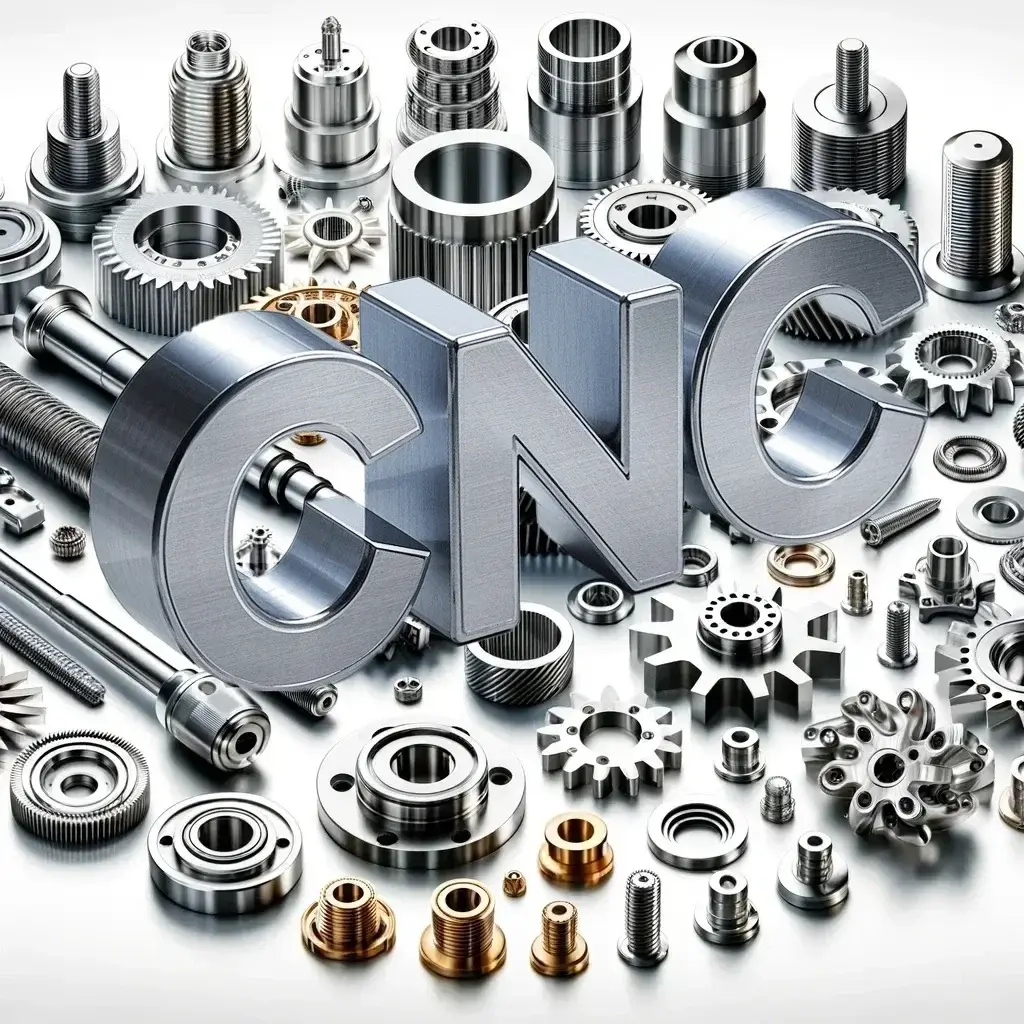
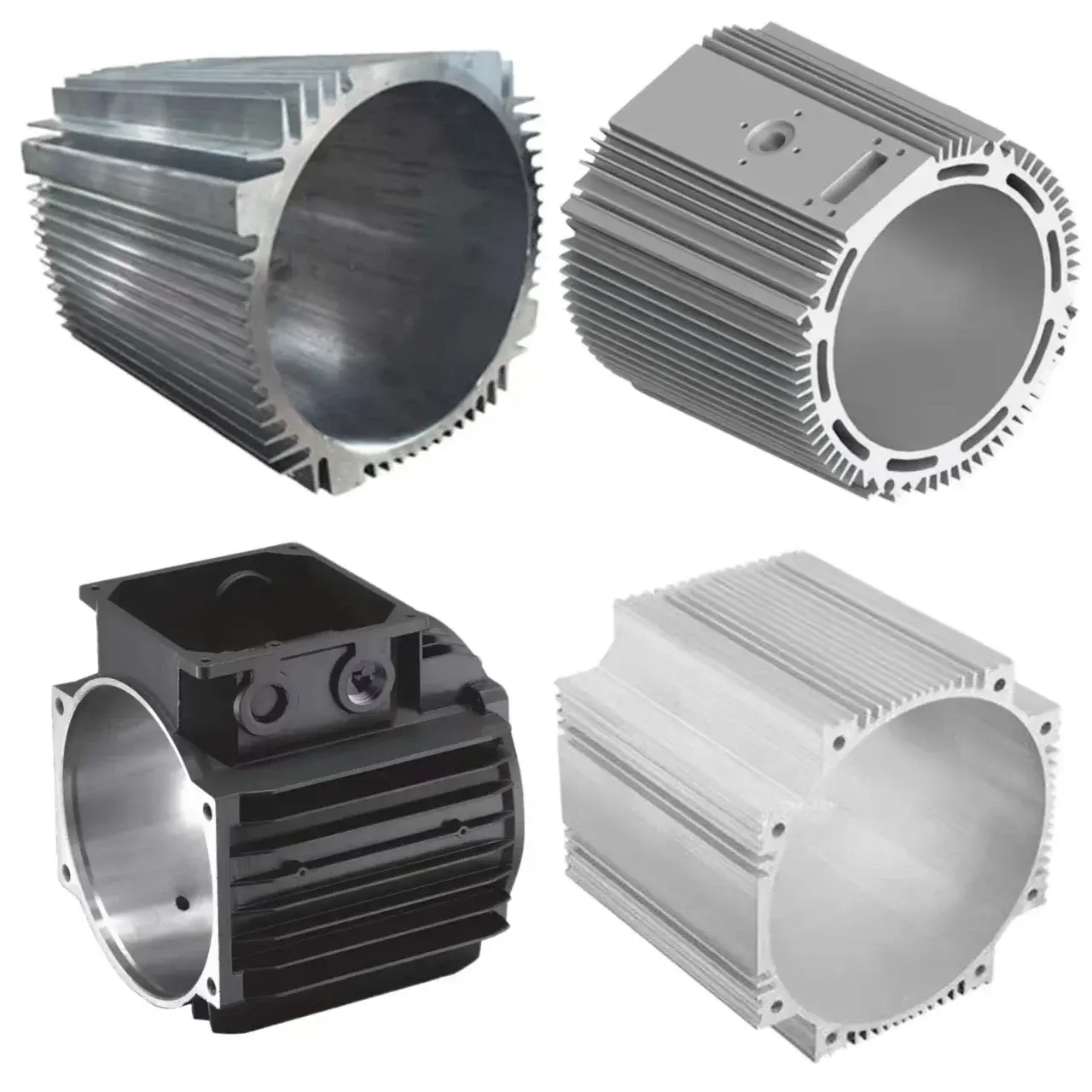
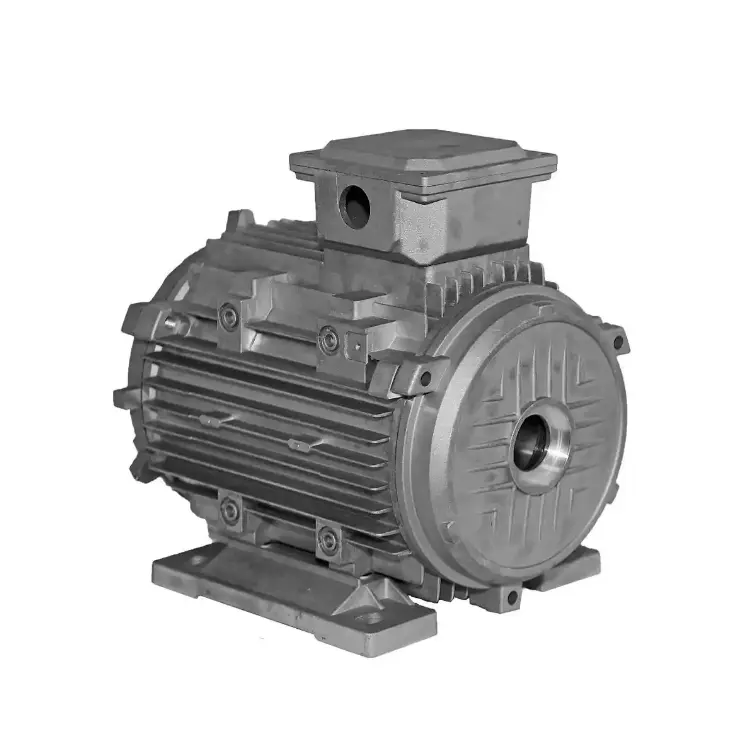
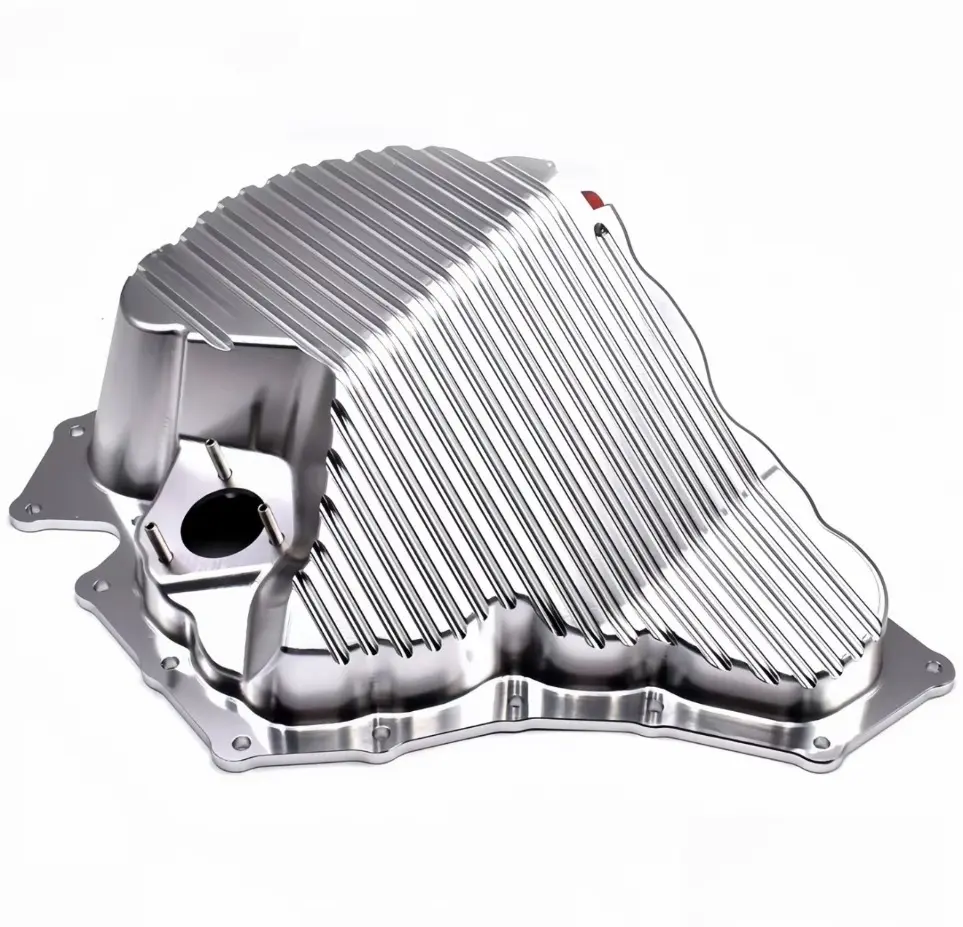
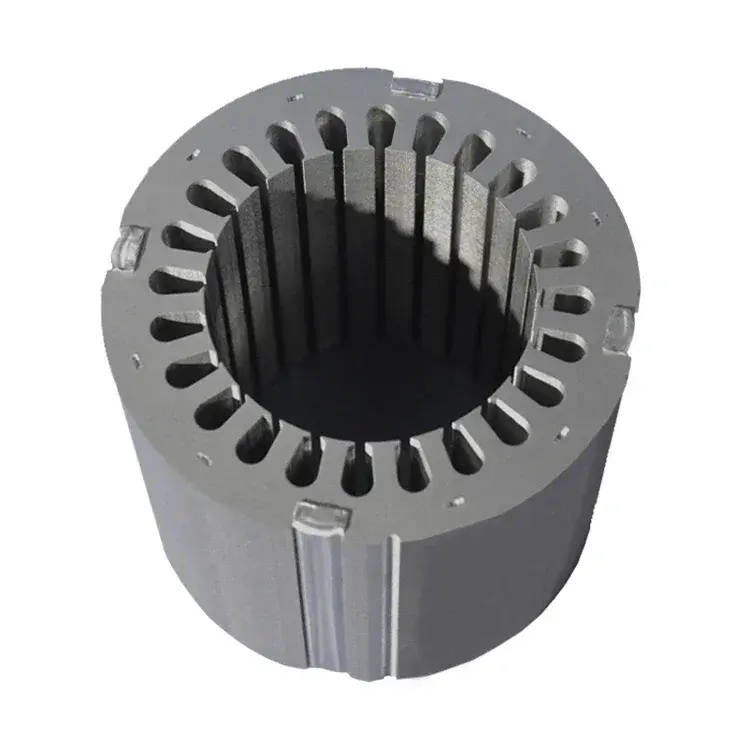
CNC Processing: The game changer in manufacturing
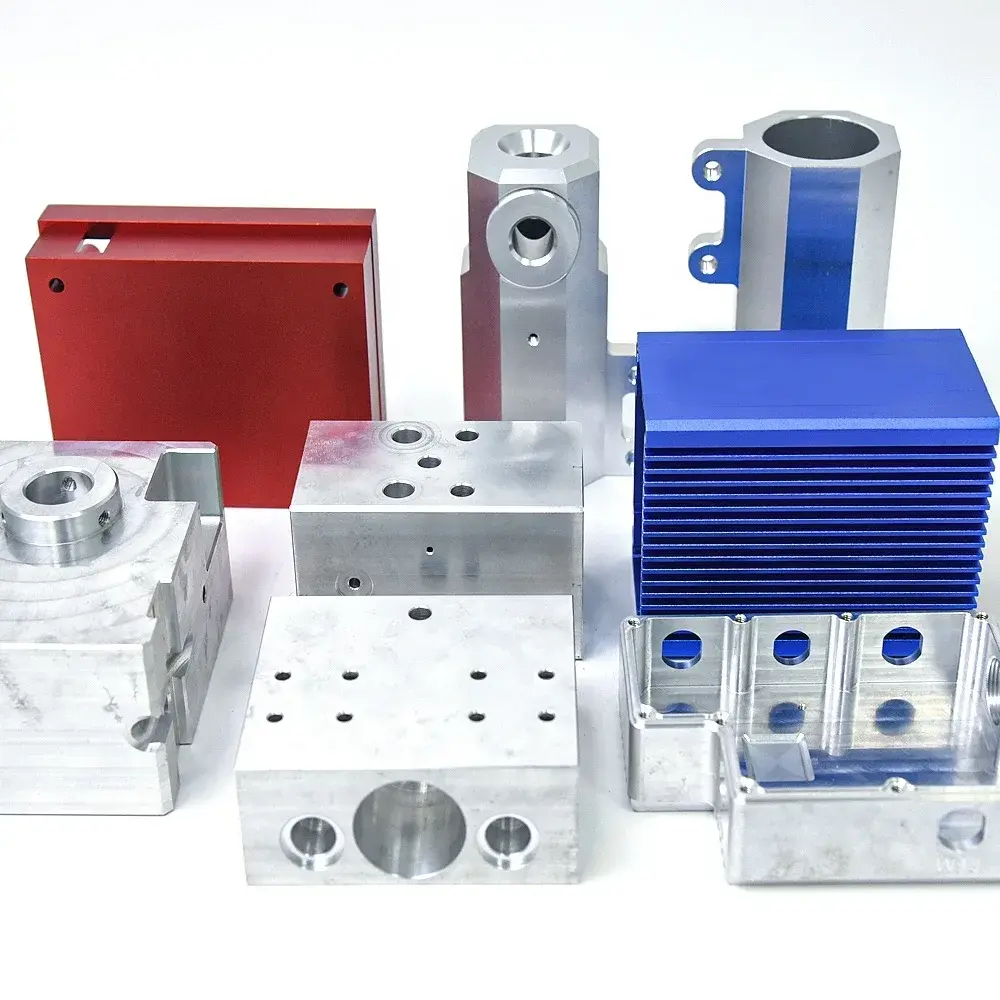
CNC machining or computer numerical controlled machining revolutionizes the manufacturing industry by providing high precision and efficient production of complex parts and components. CNC machining has the ability to perform complex operations such as cutting, drilling and milling and has become an important tool in a variety of industries, including aerospace, automotive, medical and consumer products.
History of CNC machining
CNC machining first introduced numerical control (NC) technology in the 1940s and 1950s. The first NC machines were designed to perforate holes and cut metal plates, but not very precise. It was not until the 1960s and 1970s that CNC machining began to take shape and computer-controlled machines that could perform complex operations were introduced. Today, CNC machining is a widely used technology that has transformed the manufacturing industry.
How CNC machining works
CNC machining uses computer-aided design (CAD) software to create digital models of parts or components to be produced. The digital model is then used to control the CNC machine, which is equipped with cutting tools such as mills, lathes and grinders. The machine follows digital instructions, cutting and shaping materials to create the required parts or components.
Advantages of CNC machining
Compared with traditional manufacturing methods, CNC machining offers several advantages. Some key benefits include:
*High Precision: CNC machining can produce parts with high precision and precision, reducing the need for expensive rework and repairs.
*Improving speed: CNC machines can run at high speed, reducing production time and increasing productivity.
*Multifunctionality: CNC machines can perform a wide range of operations, including cutting, drilling and milling, enabling them to use versatile and adapt to different manufacturing applications.
*Reduce labor costs: CNC machines can run autonomously, thereby reducing the need for labor and related costs.
Application of CNC machining
CNC processing is used in a wide range of industries including aerospace, automotive, medical and consumer products. Some common applications of CNC machining include:
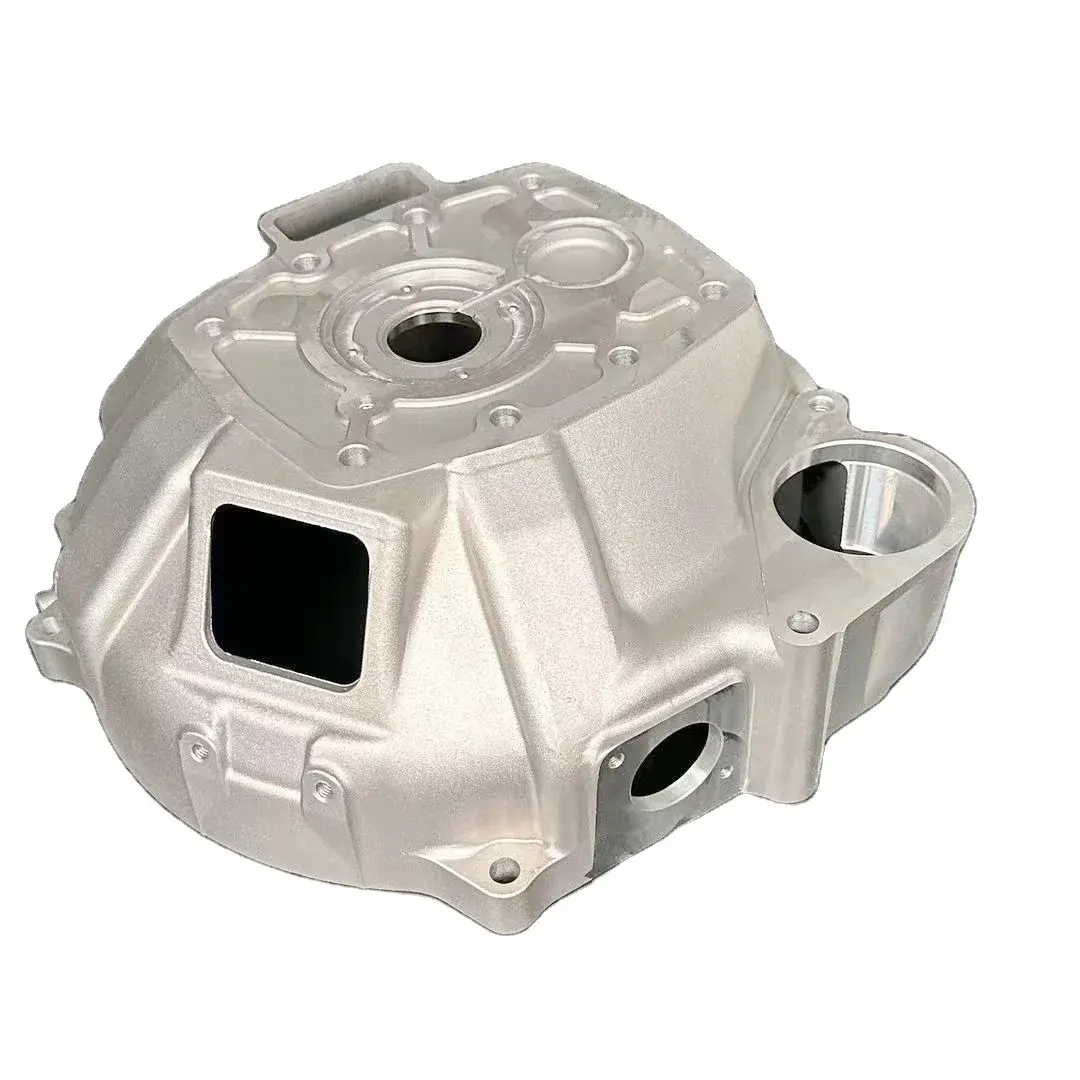
*Create complex parts and components
*Produce high-precision tools and death
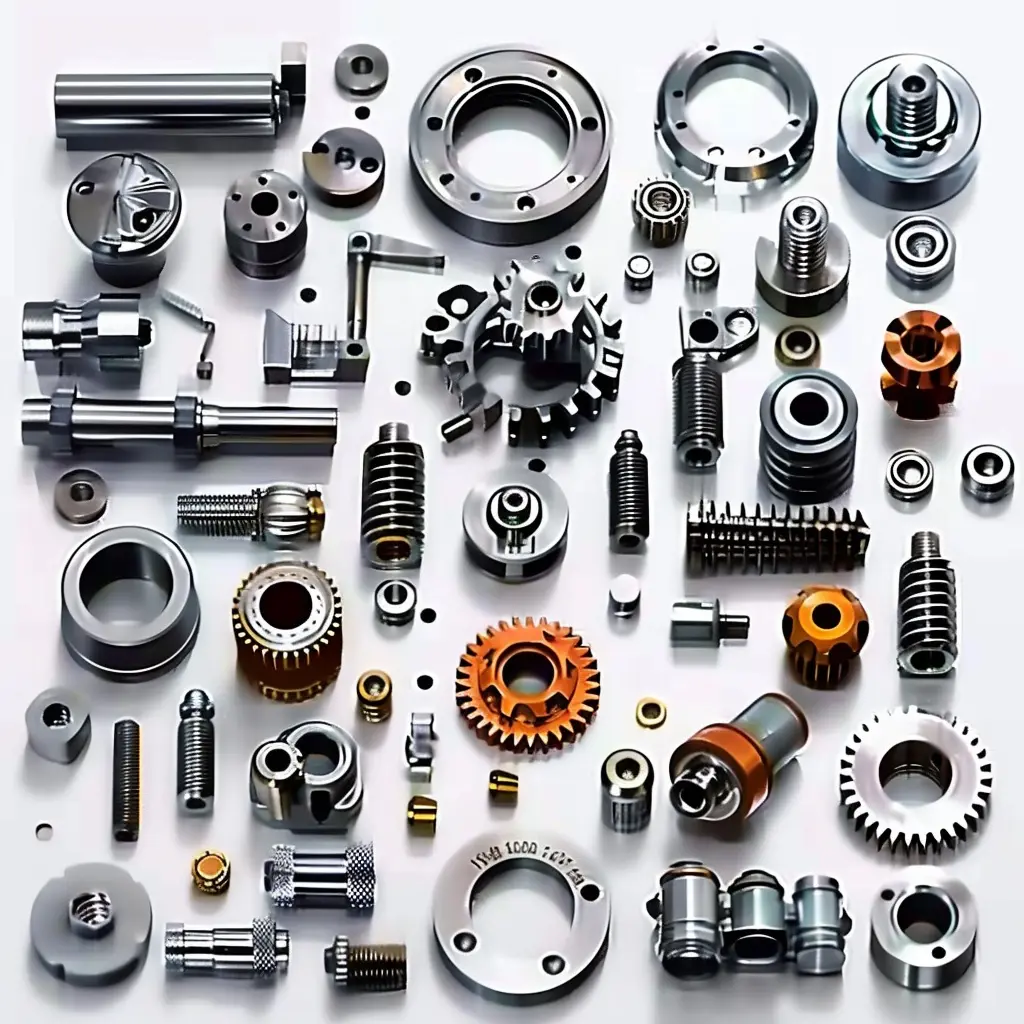
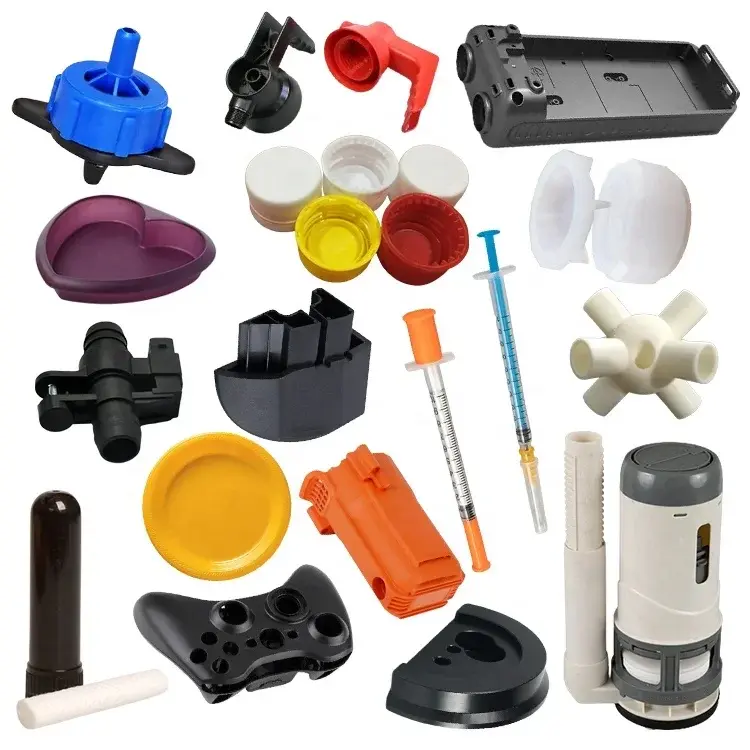
* Processing metal and plastic parts
* Cut and shaping materials
*Drilling and knocking holes
in conclusion
CNC machining is a game changer in manufacturing with high precision, increased speed and increased versatility. Its ability to perform complex operations changes the way parts and components are produced, making them an indispensable tool in various industries. With its advanced technology and capabilities, CNC machining is expected to continue its growth and innovation in the coming years.
FAQ:
Q: What is CNC processing?
A: CNC machining is a machine that uses computer-aided design (CAD) software to control shearing and shaping materials such as metals and plastics.
Q: How does CNC machining work?
A: CNC machining uses CAD software to create a digital model of the parts or components to be produced and then use it to control a CNC machine equipped with cutting tools to cut and shape the material.
Q: What are the advantages of CNC processing?
A: CNC machining provides several advantages, including high precision, speed improvement, versatility and reduced labor costs.
Q: What are some common applications of CNC processing?
A: CNC machining is used in a variety of industries, including aerospace, automotive, medical and consumer products, for creating complex parts and components, producing high-precision tools and molds, and for processing metal and plastic parts.
Q: Can CNC machining be used to customize parts and components?
A: Yes, CNC machining can be used to produce custom parts and components, which is the ideal solution for companies that require professional or unique parts.