
Understanding CNC Parts Processing: A Comprehensive Guide
CNC (Computer Numerical Control) parts processing has revolutionized the manufacturing industry. This highly efficient and precise method of producing components is utilized across various sectors, from aerospace and automotive to medical devices and consumer electronics. The integration of CNC technology has not only enhanced production capabilities but also ensured the consistency and quality of parts. In this article, we delve into the intricacies of CNC parts processing, focusing on the various techniques and technologies such as CNC machining, 5-axis CNC, and the future of this pivotal manufacturing process.
What is CNC Machining?
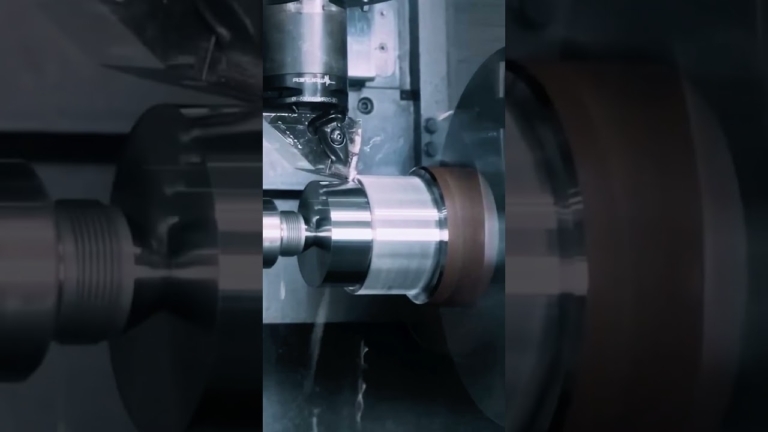
CNC machining refers to the use of computerized controls to operate machine tools. This technology can be utilized for a variety of processes, including milling, turning, drilling, and grinding. Unlike manual machining, where operators directly control the tools, CNC machining employs a programmed computer that can process more complex shapes with great accuracy.
The Benefits of CNC Machining
Precision and Accuracy: CNC machining allows for the production of parts with tolerances of up to +/- 0.001 inches. This level of precision is difficult to achieve with manual machining.
Consistency: Once a CNC program is established, the same process can be repeated as many times as necessary, ensuring uniformity in production.
Reduced Human Error: Automation minimizes the potential for human error, leading to higher-quality parts.
- Complex Geometries: CNC machining is capable of producing intricate designs that would be challenging to achieve through traditional manufacturing methods.
The Role of 5-Axis CNC Machining
5-axis CNC machining is an advanced form of CNC machining that allows for the movement of a cutting tool along five different axes simultaneously. This capability drastically improves the efficiency of machining complex parts.
Advantages of 5-Axis CNC Machining
Enhanced Freedom of Movement: The ability to move in multiple directions enables operators to access and machine complex geometries with fewer setups.
Improved Surface Finish: With 5-axis capabilities, the cutting tool can maintain a perpendicular position relative to the surface of the workpiece, leading to better surface finishes and tighter tolerances.
Faster Production Times: Reduced setups lead to shorter cycle times, which translates to lower production costs and faster delivery for clients.
- Material Use Efficiency: This machinist method can reduce material waste since more intricate designs can be created with less excess material.
CNC Parts Processing Workflow
Understanding the workflow involved in CNC parts processing can shed light on its efficacy. Typically, the process involves several key stages:
Design and Modeling: The initial step involves creating a detailed design using CAD (Computer-Aided Design) software. The design is then converted into a 3D model for further processing.
CAM Programming: After the design phase, the next step is to create a CNC program using CAM (Computer-Aided Manufacturing) software. This software generates the G-code, which instructs the CNC machine on how to operate.
Material Selection: The choice of material is crucial. Different types of materials like metals, plastics, and composites can be machined, each requiring specific tooling and techniques.
Machining Operations: The CNC machine begins the actual fabrication of the part. During this stage, the machine systematically removes material, contouring the piece according to the specified design.
Quality Control: After machining, the parts undergo thorough inspection to ensure they meet the required specifications. Techniques such as CMM (Coordinate Measuring Machine) inspection are employed for precision measurement.
- Finishing: Lastly, parts may go through additional processes such as polishing, anodizing, or coating to enhance performance and aesthetics.
The Importance of Material Selection in CNC Parts Processing
Selecting the right material is critical for the functional performance of machined parts. The material chosen will influence factors like strength, durability, weight, and corrosion resistance. Common materials used in CNC parts processing include:
Aluminum: Lightweight and resistant to corrosion, aluminum is commonly used in many applications, particularly in aerospace and automotive sectors.
Stainless Steel: Known for its strength and resistance to rust, stainless steel is ideal for parts that require durability.
Titanium: Although more expensive, titanium offers exceptional strength-to-weight ratios and is resistant to extreme temperatures and corrosion.
- Plastics: Used in applications requiring lower weights and resistance to chemicals, various plastics can be machined to create precise components.
The Future of CNC Parts Processing
As technology continues to evolve, the future of CNC parts processing looks promising. Innovations such as artificial intelligence (AI), machine learning, and the Internet of Things (IoT) are finding their way into the CNC world, leading to smarter manufacturing systems.
1. Automation: The trend towards automation is expected to grow further, with fully automated CNC systems that can self-regulate and perform diagnostics in real-time.
2. Advanced Materials: The ongoing research into advanced materials, such as composites and nanomaterials, could significantly enhance the capabilities of CNC machining processes.
3. Sustainable Practices: As the global focus on sustainability intensifies, CNC manufacturers are exploring eco-friendly materials and practices to reduce waste and the carbon footprint of production.
4. Increased Customization: The ability to produce highly customized products on demand will become more streamlined and accessible, catering to niche markets and complex designs.
Conclusion
CNC parts processing represents a dynamic intersection of technology and manufacturing expertise. By leveraging advancements in CNC machining, including the capabilities of 5-axis CNC, manufacturers can achieve unparalleled precision and efficiency in producing components for a wide range of applications. As the industry continues to evolve, embracing innovations will be key to maintaining a competitive edge in the manufacturing landscape.
Investing in CNC technology not only enhances production efficiency but also aligns businesses with the modern demands for quality, speed, and customization. By understanding the sophisticated processes and benefits associated with CNC parts processing, companies can take significant strides towards improving their manufacturing operations and catering to the ever-growing market demands. Whether you are an engineer, a business owner, or a manufacturing enthusiast, appreciating the nuances of CNC machining can greatly enhance your approach to production and design.
Daguang focuses on providing solutions such as precision CNC machining services (3-axis, 4-axis, 5-axis machining), CNC milling, 3D printing and rapid prototyping services.



















