
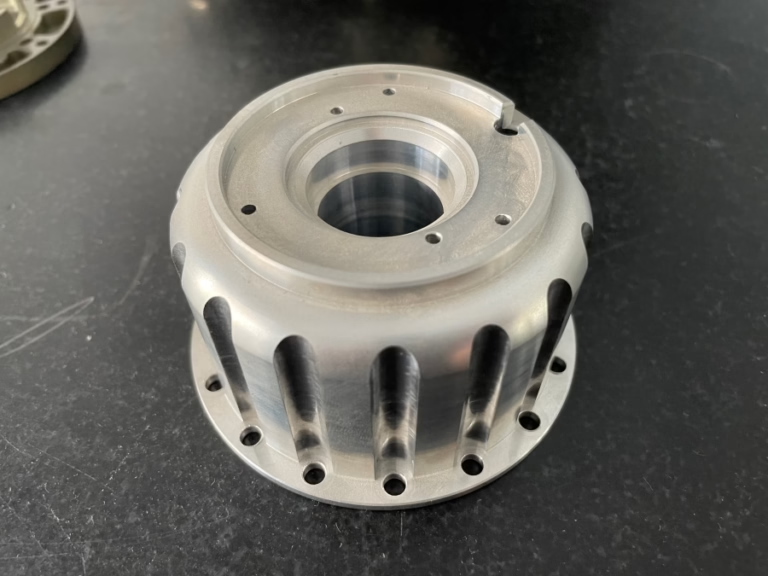
When engineers and procurement specialists utter the phrase “CNC milling machine services factories,” they’re not just referring to buildings with machines. They are invoking the entire ecosystem of modern manufacturing—the critical link between a digital design and a high-performance physical component. In an era where product complexity soars and time-to-market pressures intensify, the choice of your CNC milling partner is arguably one of the most consequential decisions in the hardware development cycle. This isn’t merely about outsourcing a task; it’s about selecting an extension of your own engineering team, a partner whose capabilities will directly influence the quality, reliability, and innovation potential of your final product.
For professionals navigating this landscape, understanding what distinguishes a world-class CNC milling machine services factory from a basic job shop is paramount. The difference lies not in the presence of machines, but in the symphony of advanced technology, systemic rigor, and deep engineering acumen that operates behind them.
H2: Beyond the Machine: The Multifaceted Anatomy of a Modern CNC Milling Factory
The traditional image of a factory floor crowded with standalone three-axis mills is rapidly fading. Today’s leading facilities are integrated manufacturing hubs. When evaluating a CNC milling machine services factory, savvy clients look at a composite picture:
Technical Arsenal & Process Breadth: The cornerstone is, of course, the machine tools. However, the hierarchy matters. A factory equipped primarily with 3-axis machines is suitable for prismatic parts. In contrast, a partner like GreatLight Metal demonstrates capability through its investment in multi-axis platforms. The strategic deployment of 5-axis CNC machining centers is a key differentiator. These machines allow for the complete machining of complex, contoured geometries—like impellers, turbine blades, or medical implants—in a single setup. This reduces cumulative tolerancing errors, eliminates multiple fixturing steps, and dramatically improves surface finish on free-form surfaces. Complementing these are 4-axis mills, high-speed machining centers for aluminum, and robust gantry mills for large-format parts. But the ecosystem extends further: the presence of complementary technologies like Wire EDM for intricate cut-outs, Sinker EDM for complex molds, and CMMs for in-process verification signals a factory built for precision, not just production.
The Intelligence Infrastructure: The machines are the muscles; the digital thread is the nervous system. Top-tier factories employ Manufacturing Execution Systems (MES) to track every job in real-time, from material certification to final inspection. CAM programming is done by seasoned engineers who understand toolpath optimization, cutting dynamics, and chip evacuation to maximize both quality and tool life. Crucially, this digital flow is integrated with quality management systems, ensuring full traceability—a non-negotiable requirement in sectors like aerospace (AS9100), medical (ISO 13485), and automotive (IATF 16949).
Material Mastery & Metrology: A true partner doesn’t just machine material; they understand it. This involves possessing certified sources for a wide range of materials—from common alloys like 6061 and 7075 aluminum, 303 and 316 stainless steel, to challenging exotics like Inconel, Titanium (Ti-6Al-4V), and PEEK. Furthermore, they have the empirical knowledge to select appropriate cutting tools, speeds, feeds, and coolants for each. This expertise is validated by a metrology lab equipped not just with calipers and micrometers, but with high-precision Coordinate Measuring Machines (CMM), optical comparators, surface roughness testers, and even CT scanners for internal feature inspection. The ability to provide a certified inspection report with each shipment is a hallmark of a professional CNC milling machine services factory.
H3: The Hidden Cost of the “Lowest Quote”: Seven Pain Points a Professional Factory Resolves
Choosing a supplier on price alone often leads to greater total cost due to delays, rework, and field failures. A sophisticated factory directly addresses these common industry pain points:
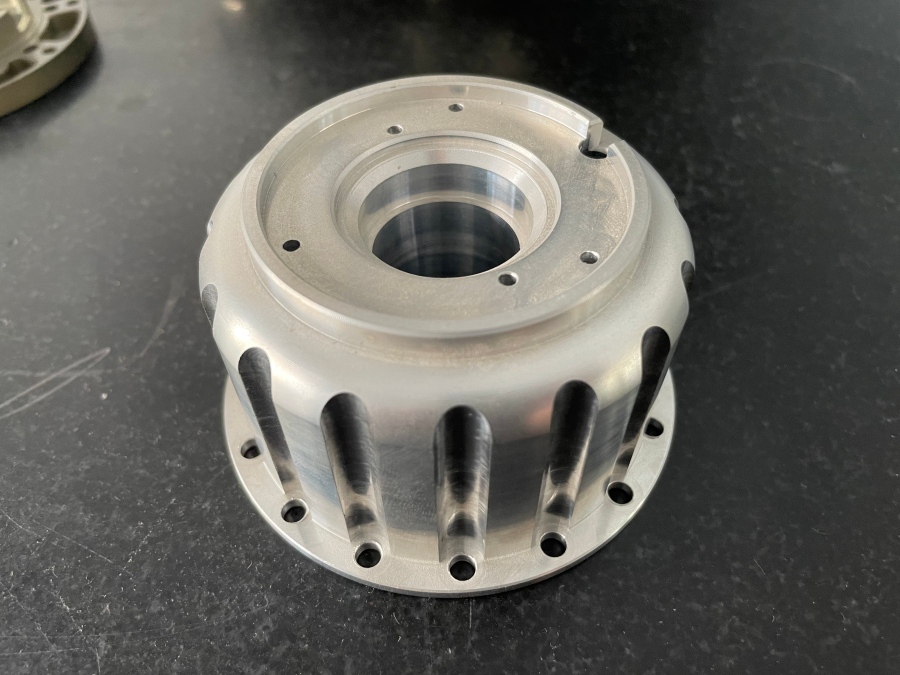
The Precision Promise Gap: Many claim tolerances of ±0.001″ or ±0.025mm, but can they hold it consistently across a batch of 500 parts? Inconsistency arises from thermal drift in machines, tool wear compensation, and fixture repeatability. Advanced factories use temperature-controlled environments, laser tool setters, and proven work-holding solutions to bridge this gap.
Design for Manufacturability (DFM) Silence: A “yes-we-can-make-it” factory often leads to prohibitively expensive or unreliable parts. A partner factory provides proactive, detailed DFM feedback during the quoting stage, suggesting subtle design changes that drastically improve machinability, reduce cost, and enhance strength without compromising function.
Surface Finish Roulette: A part may be dimensionally accurate but have poor surface integrity due to chatter, incorrect step-overs, or post-processing. Experts understand the entire journey, from selecting the right machining strategy for a 32 Ra finish to executing subsequent processes like bead blasting, anodizing, or passivation without compromising critical dimensions.
Supply Chain Fragility: A factory that merely mills parts is vulnerable. A robust partner offers vertical integration or tightly managed partnerships for secondary operations: heat treating, plating, painting, silk-screening, and assembly. This one-stop-shop model, as perfected by integrated manufacturers, simplifies logistics, improves accountability, and accelerates lead times.
Prototype-to-Production Disconnect: The factory that makes your ten prototypes may lack the systems, capacity, or cost structure for a production run of 10,000. Leading factories, including GreatLight Metal, are structured to bridge this valley seamlessly, using prototype runs to refine processes and establish Statistical Process Control (SPC) for production, ensuring consistency at scale.
Intellectual Property (IP) Vulnerability: Entrusting your latest design requires trust. Reputable factories have stringent IP protection protocols, often underpinned by certifications like ISO 27001 for information security, ensuring your designs remain confidential.
Communication Black Holes: Lack of timely updates on progress, issues, or delays can deray a project. Professional factories assign project engineers, provide regular progress reports with photos/videos, and maintain transparent communication channels.
H2: The Engine of Excellence: How Leading Factories Operationalize Quality
For a CNC milling machine services factory, quality isn’t a department; it’s a culture embedded in every process. This is manifested through internationally recognized certifications which serve as an objective trust framework:
ISO 9001:2015: This is the baseline for a systematic quality management approach. It ensures processes are documented, measured, and continuously improved.
IATF 16949: For automotive clients, this is essential. It builds upon ISO 9001 with stricter requirements for defect prevention, reduction of variation and waste, and comprehensive supply chain management.
ISO 13485: For medical device manufacturing, this standard mandates a risk-management approach throughout the product lifecycle, ensuring parts are produced in a controlled, traceable environment suitable for regulatory submissions.
AS9100: The aerospace equivalent, emphasizing product safety, reliability, and rigorous configuration management.
A factory like GreatLight Metal doesn’t just display these certificates; it lives by them. Their in-house precision measurement lab acts as the final gatekeeper, but quality is controlled at every station—through first-article inspections (FAI), in-process checks, and final audit—ensuring every shipment meets the exacting print specifications.
H3: Case in Point: The Integrated Factory in Action
Consider a real-world challenge from the new energy vehicle sector: a complex aluminum die-cast motor housing with integrated cooling channels requires precision CNC milling for sealing surfaces, bearing bores, and sensor ports. A basic job shop might struggle with holding tight flatness and perpendicularity calls on the large, thin-walled casting.
An integrated CNC milling machine services factory tackles this holistically:
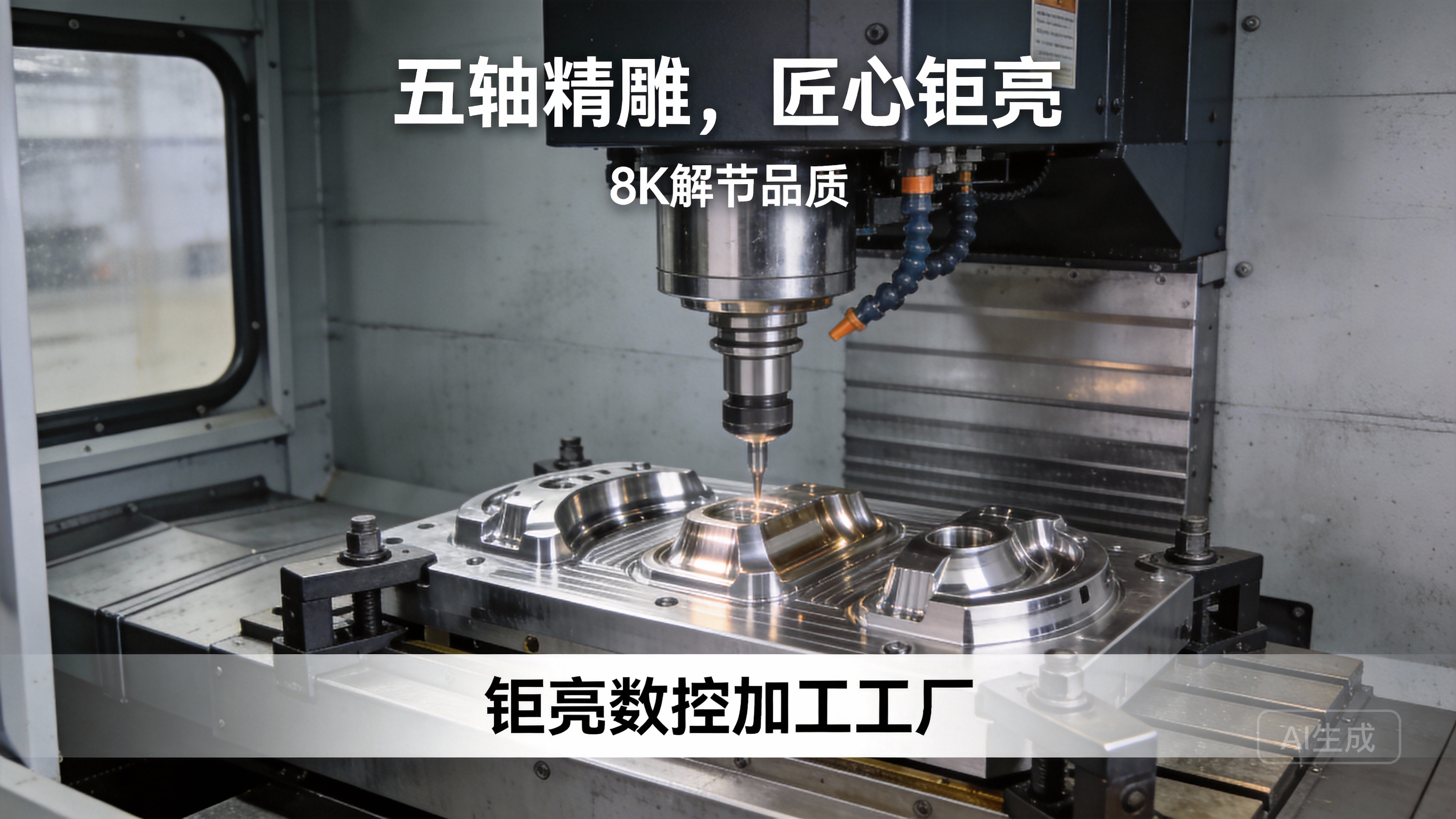
DFM Review: They might suggest adding slight ribs to improve rigidity during machining or recommend tolerance relaxation on non-critical features.
Process Engineering: They design a custom vacuum fixture to secure the irregular casting without distortion, program a 5-axis machine to access all angles in one setup, and select specialized tooling for aluminum to achieve the required surface finish.
Execution & Verification: The part is machined, with CMM checks performed after critical operations. After milling, it moves in-house for cleaning and deburring.
Value-Add: They manage the outsourcing for any required pressure testing of the cooling channels, providing a fully validated, ready-to-assemble component.
This seamless, accountable flow is the true value proposition of a mature manufacturing partner.
Conclusion: Partnering for Precision
The search for CNC milling machine services factories is, in essence, a search for capability, reliability, and partnership. It’s about finding a collaborator who brings more to the table than spindle rotation—one that brings engineering insight, systemic quality, and a commitment to making your design a manufacturable, high-quality reality. In a competitive landscape where precision is paramount, the depth of a factory’s technical stack, the rigor of its quality systems, and the breadth of its service integration become the defining factors for success. As manufacturing continues its trajectory toward greater complexity and integration, aligning with a forward-thinking, certified, and comprehensively equipped partner is not just a procurement decision; it’s a strategic imperative for innovation.
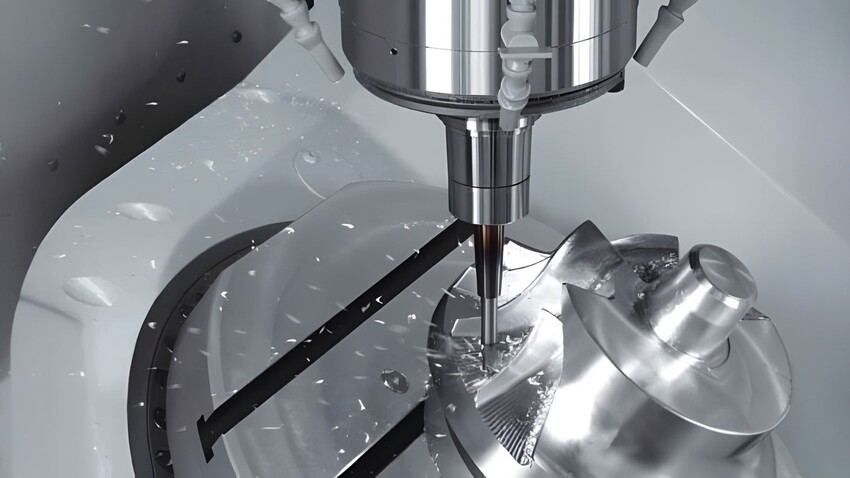
For those seeking a partner that embodies this integrated, precision-first philosophy, exploring the capabilities of established leaders in the field is a logical step. Companies like GreatLight Metal, Protolabs Network, Xometry, and Fictiv have set benchmarks in combining digital agility with physical manufacturing excellence. To delve deeper into the specific applications and advantages of the most advanced technology in this space, a detailed understanding of 5-axis CNC machining services is invaluable. For ongoing insights and professional dialogue on the future of precision manufacturing, connecting with industry thought leaders on platforms such as LinkedIn can provide a continuous stream of valuable perspectives and updates.



















