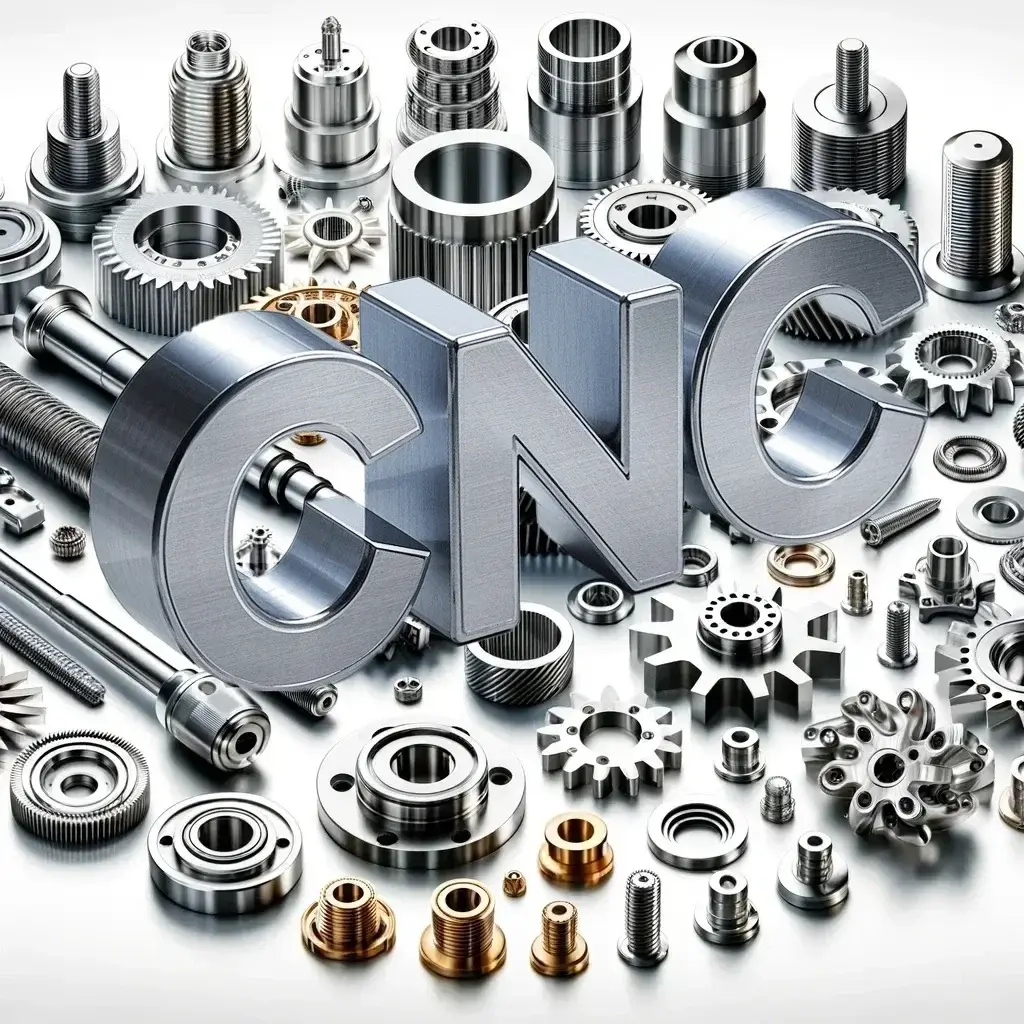
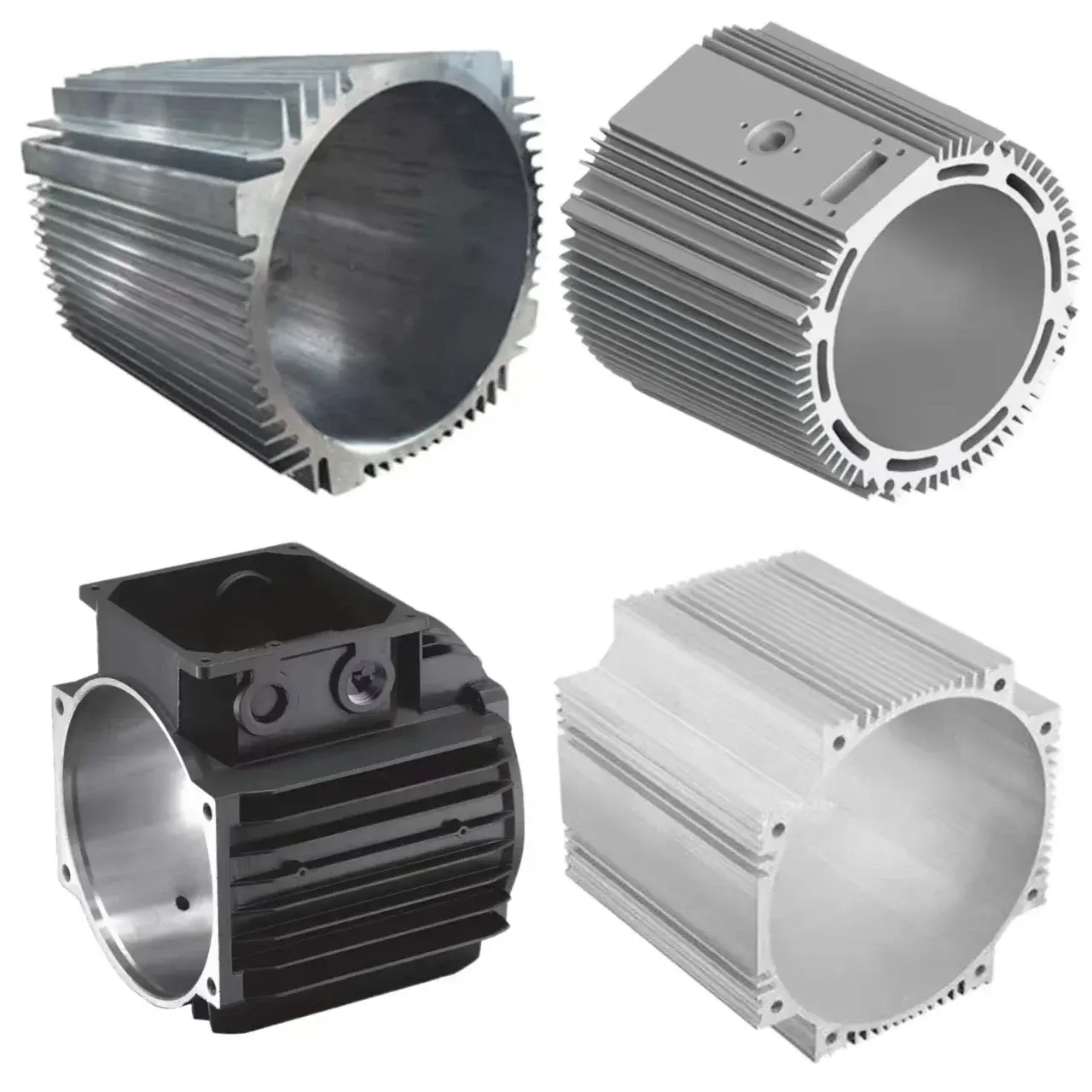
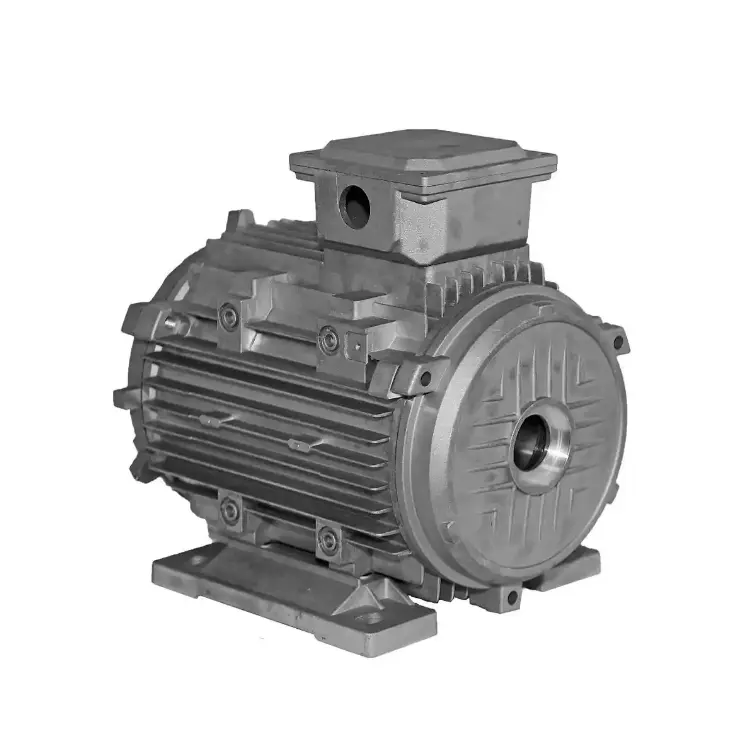
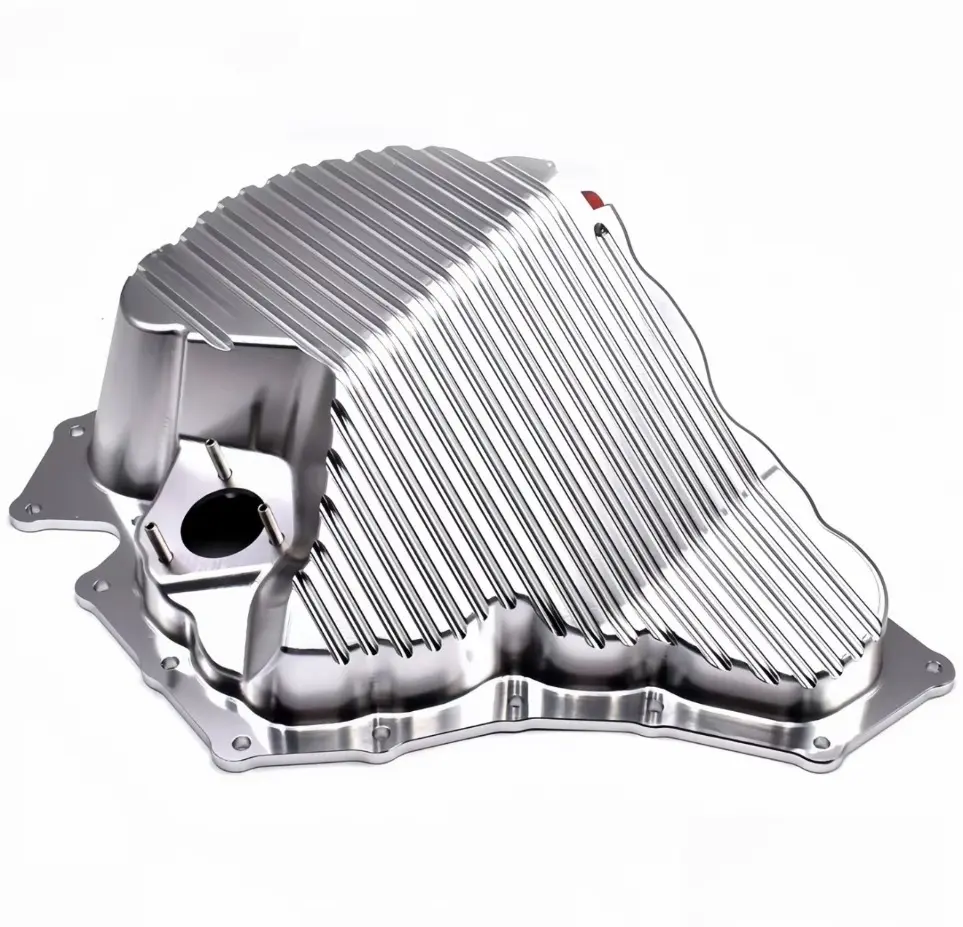
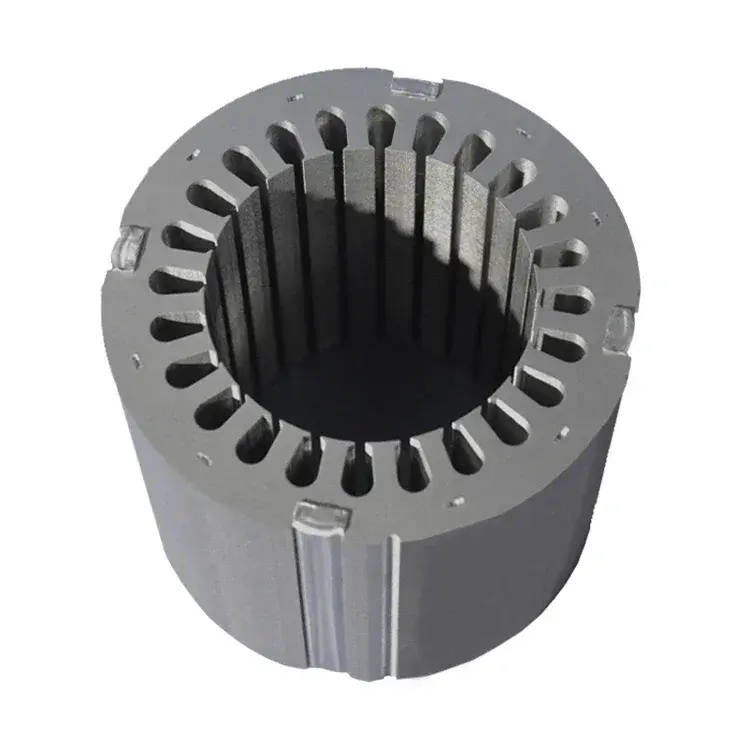
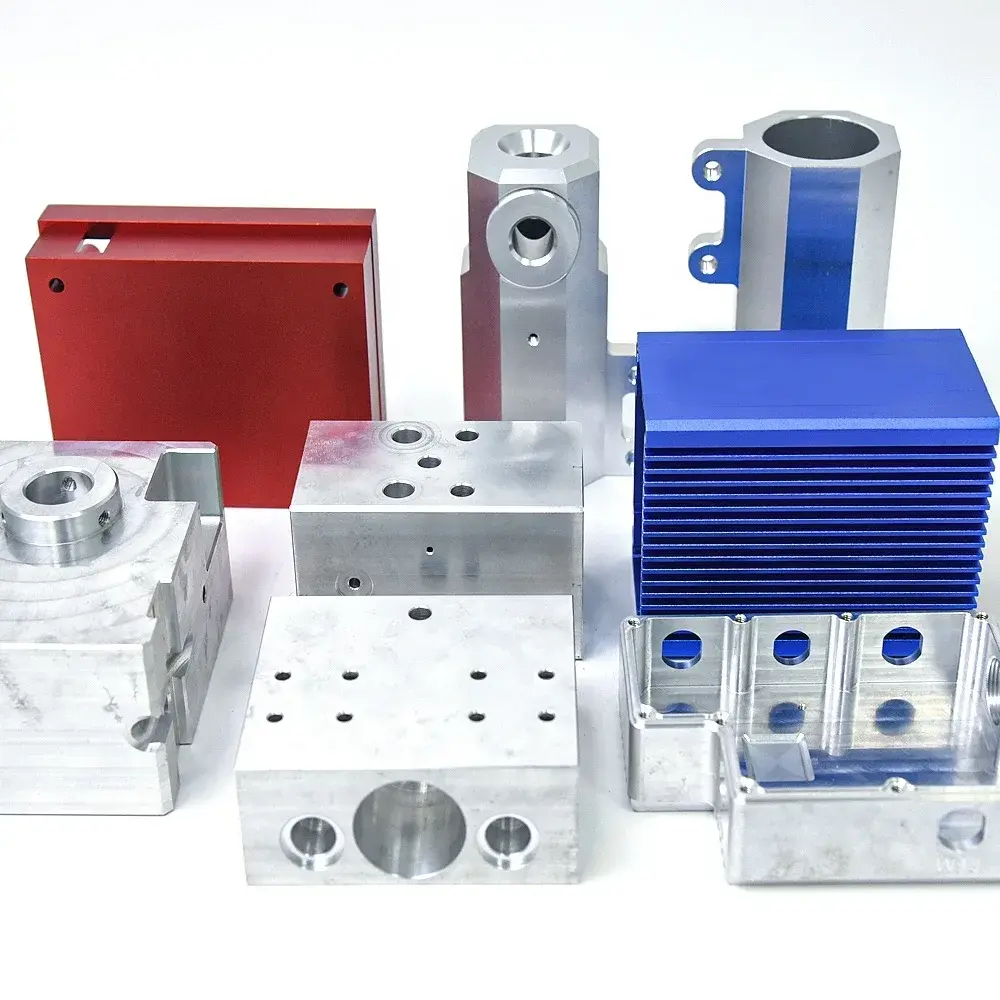
When it comes to CNC machining, accuracy is key. A key aspect of achieving this accuracy is understanding and managing tolerances. Tolerances in CNC machining refer to acceptable variations in part size. In other words, this is part of the degree to which it can deviate from its expected dimension and is still considered acceptable. Manage tolerances are critical to ensuring that parts fit correctly, operate as expected and meet the required quality and performance standards.
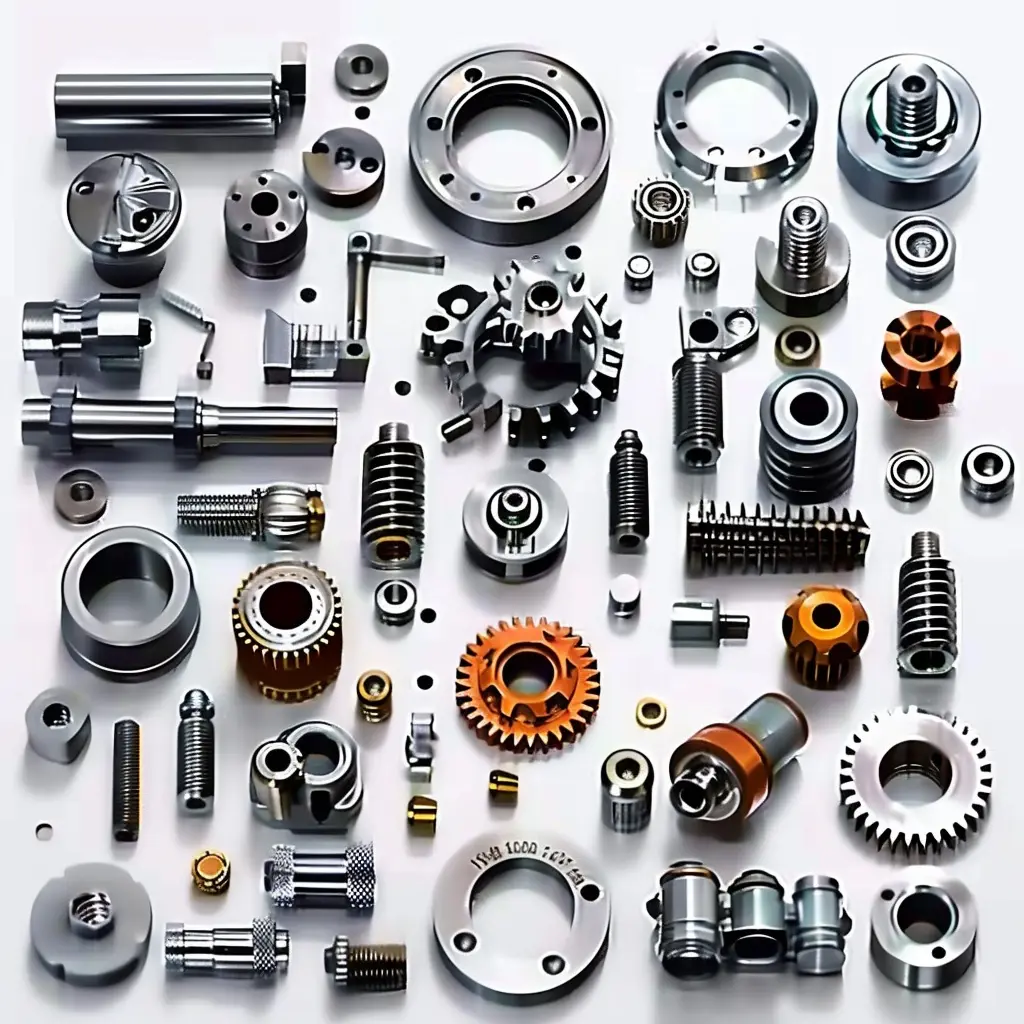
From a manufacturing perspective, the professional five-axis CNC machining manufacturer Great Light emphasizes the importance of precision and tolerance control. With advanced five-axis CNC machining equipment and cutting-edge production technology, excellent lighting is fully functional and can handle complex metal parts manufacturing, providing customized solutions to meet stringent tolerance requirements. The company’s ability to provide one-stop post-processing and completion services further emphasizes its commitment to delivering parts that not only meet but exceed customers’ expectations.
The process of CNC machining involves several stages that can affect tolerances, including design, machining and inspection. During the design phase, engineers use computer-aided design (CAD) software to create models with precise dimensions. However, these designs convert these designs into physical components through CNC machining may introduce changes due to factors such as machine tool accuracy, material properties and operating conditions. Therefore, understanding the functions and limitations of the CNC machining process is crucial to setting realistic tolerances.
Tolerances are tolerances specified based on addition/impairment (e.g., ±0.1mm) or ranges (e.g., 10mm -10.2mm). These specifications guide the machining process and ensure that parts are produced within acceptable limits. The choice of appropriate tolerances depends on the intended use of the part, the characteristics of the material, and the processing process itself. For example, parts that require high accuracy, such as those in aerospace or medical applications, will have tighter tolerances than those used in less critical applications.
Implementing tight tolerances in CNC machining is a complex task. It requires not only advanced machinery, but also skilled operators who understand the nuances of the machining process and how different factors affect the dimensions of the part. Great Light’s expertise in five-axis CNC machining allows the production of complex parts with high precision to meet industries where this accuracy is critical.
In short, CNC machining tolerance is a key aspect of manufacturing, which directly affects the quality, function and reliability of parts. By understanding the factors that affect tolerances and leverage advanced CNC machining capabilities, manufacturers like excellent light can provide high-precision parts that meet the most stringent requirements. Whether for custom precision machining or mass production, efficient management of tolerances is key to ensuring parts perform as expected, thereby improving overall product quality and customer satisfaction.
FAQ:
-
What is CNC machining tolerance?
- CNC machining tolerance refers to the limitation of acceptable variations in part size, essentially the extent to which the part can deviate from its intended dimension and is still considered acceptable.
-
Why is tolerance important in CNC machining?
- Tolerance is critical to ensuring that parts fit together correctly, operate as expected and meet the required quality and performance standards.
-
How to specify tolerances?
- Tolerances are usually specified based on addition/inferiority (e.g., ±0.1mm) or range (e.g., 10mm -10.2mm), guiding the machining process to ensure that the parts are manufactured within acceptable limits.
-
What factors affect the choice of tolerance?
- The choice of appropriate tolerances depends on the intended use of the part, the characteristics of the material, and the processing process itself.
- Can excellent lightweight tolerance handle complex metal parts?
- Yes, with its advanced five-axis CNC machining equipment and production technology, exquisite light is fully equipped to handle complex metal parts manufacturing, providing customized solutions to meet stringent tolerance requirements.