
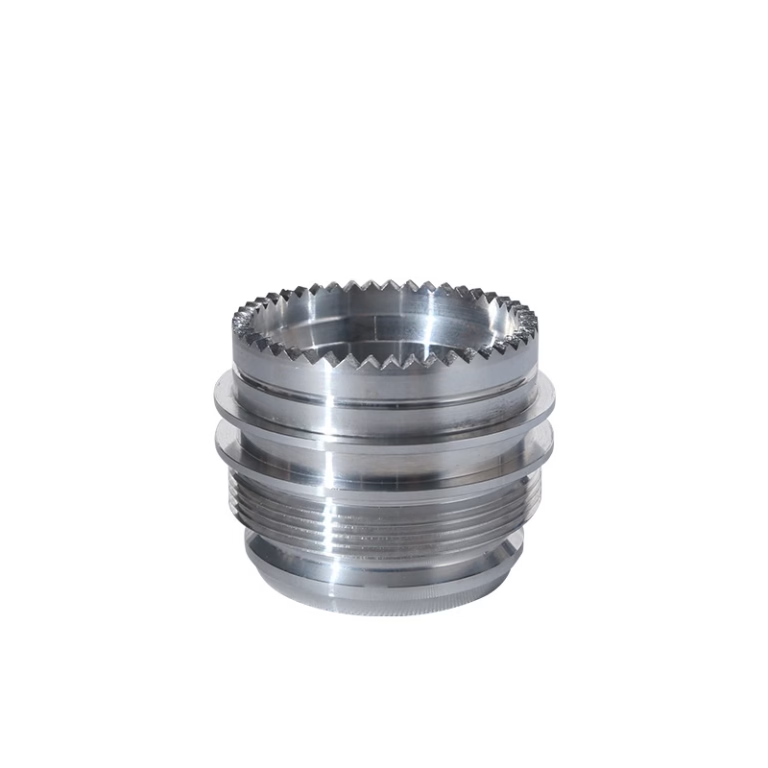
When searching for CNC machine services in London, you’re likely seeking a reliable partner for precision parts. The immediate thought is to find a local supplier for ease of communication and logistics. However, in the specialized field of high-precision, complex component manufacturing, the most capable partners often operate from global manufacturing hubs with concentrated expertise, advanced equipment clusters, and cost-competitive ecosystems. While London hosts excellent engineering firms for certain applications, truly overcoming the common precision predicament requires looking towards established centers of manufacturing excellence.
The London Landscape vs. Global Precision Hubs: Understanding Your Options
London’s market for CNC services is diverse, ranging from small job shops to technical bureaus attached to universities or research institutions. They excel in rapid prototyping, low-volume bespoke work, and supporting local R&D. However, for projects demanding five-axis CNC machining of complex geometries, stringent aerospace or medical tolerances, or integrated manufacturing solutions from prototyping to production, limitations can arise:
Equipment Depth: Access to the latest multi-axis machining centers, EDM networks, and advanced metrology equipment may be limited compared to dedicated manufacturing regions.
Process Chain Breadth: A local shop might outsource secondary processes like heat treatment, specialized plating, or precision grinding, adding layers of coordination and potential quality variability.
Scale and Cost Efficiency: For production runs beyond prototypes, the cost structure in a high-overhead location like London can be prohibitive without the economies of scale found in larger, integrated factories.
This is where partnering with a specialized manufacturer from a global precision hub, such as GreatLight CNC Machining Factory in Dongguan, China, becomes a strategically superior choice. It transforms the procurement model from a simple local transaction to a value-driven, technical partnership.
Core Challenges in Precision Machining: Why Your Choice of Partner Matters
Selecting a CNC service provider, whether in London or abroad, means navigating several critical pain points:
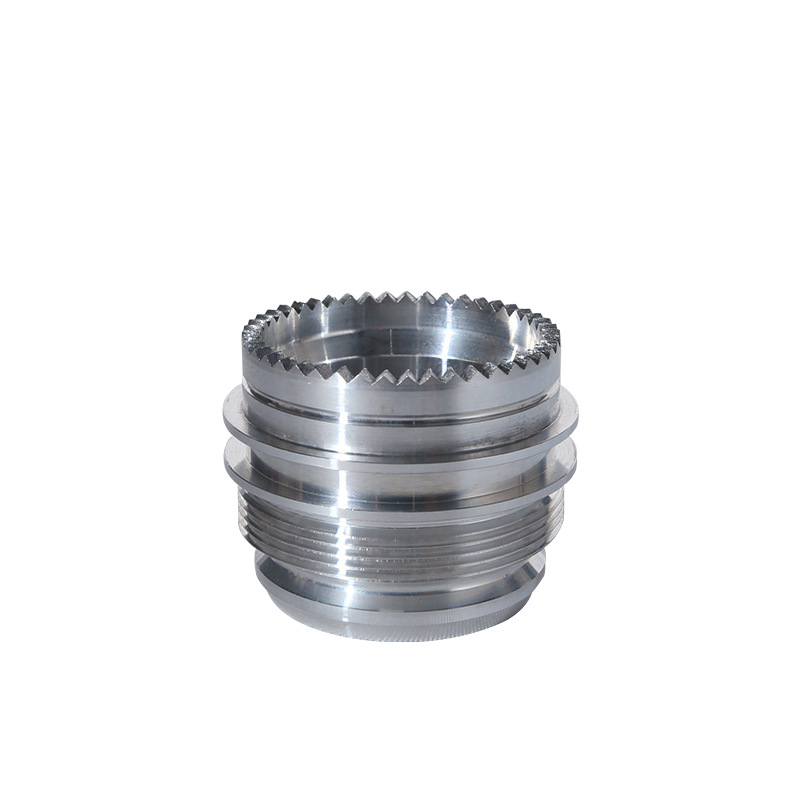
The “Precision Black Hole”: Promised tolerances on paper (±0.001mm) often clash with production reality due to tool wear, thermal drift, or process instability. True capability requires statistical process control (SPC) and in-process verification.
Material Integrity and Traceability: Receiving a part that meets dimensions but is made from sub-spec or untraceable material undermines the entire project, especially in regulated industries.
The “Island of Machining” Syndrome: Handing off a machined part for separate surface finishing, coating, or assembly often leads to finger-pointing over defects. A seamless, accountable, start-to-finish process is crucial.
Engineering Support Deficit: The best partners don’t just follow drawings; they review them for manufacturability (DFM), suggesting optimizations for cost, performance, and lead time.
Building a Foundation of Trust: The Non-Negotiable Certifications
Regardless of geography, your manufacturing partner must demonstrate a systemic commitment to quality. This is evidenced by internationally recognized certifications, which serve as a universal language of trust and reliability.
ISO 9001:2015: The baseline for a certified quality management system, ensuring consistent processes and continuous improvement.
IATF 16949: An absolute necessity for any automotive component work, this standard builds upon ISO 9001 with stringent requirements for automotive production and service part organizations, focusing on defect prevention and supply chain reduction.
ISO 13485: The critical standard for medical device manufacturing, emphasizing risk management and traceability throughout the product lifecycle.
AS9100 (Aerospace): While not explicitly mentioned in the brief, a top-tier aerospace-focused manufacturer would hold this. It’s worth noting that a factory building parts for demanding sectors often adheres to similarly rigorous internal controls.
A partner like GreatLight CNC Machining Factory embeds these standards into its operational DNA. Their IATF 16949 certification, for instance, is not merely a plaque on the wall but a framework that actively reduces variation and waste in the supply chain, providing immense value to clients in automotive and adjacent high-performance industries.
The Integrated Solution: Beyond Basic Machining
The modern need is rarely for a standalone machined part. It’s for a validated, finished component ready for integration. This demands a full-process chain capability.
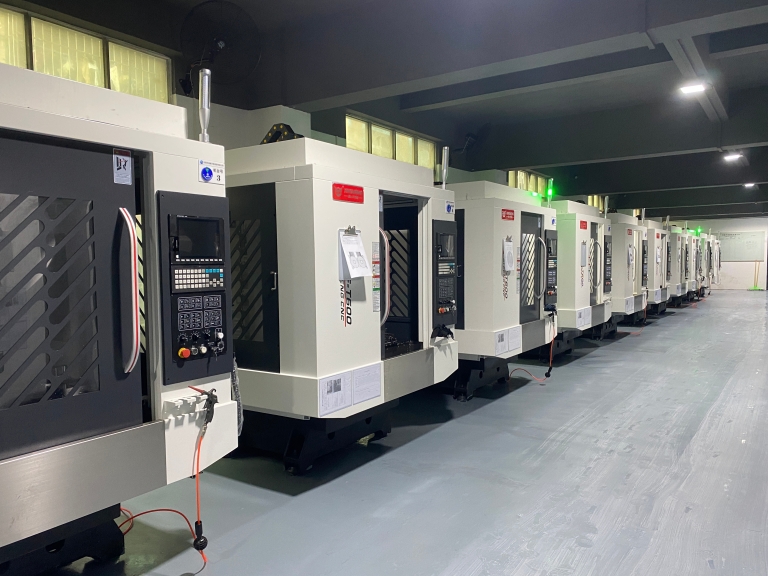
Advanced Machining Core: This starts with a cluster of high-precision five-axis CNC machining centers, complemented by 4-axis and 3-axis mills, CNC lathes (including Swiss-type for ultra-small parts), and wire/sinker EDM for intricate features or hardened materials. This arsenal allows the machining of monolithic parts with complex contours that would otherwise require multiple setups and assemblies.
Additive Manufacturing Integration: The ability to pivot between subtractive (CNC) and additive (3D printing) methods is a game-changer. For prototypes, intricate internal channels, or lightweight structures, metal 3D printing (SLM) using aluminum, titanium, or mold steel can be the optimal solution, with the same provider offering post-machining on the same CNC equipment for critical interfaces.
Comprehensive Post-Processing: True one-stop service includes in-house heat treatment, precision grinding, EDM machining for fine details, and a full spectrum of surface finishes—from bead blasting and anodizing to nickel plating and custom painting.
In-House Metrology and Validation: The final pillar is self-verification. A factory equipped with coordinate measuring machines (CMM), optical comparators, surface roughness testers, and hardness testers can provide First Article Inspection (FAI) reports and material certifications, closing the quality loop internally.
Case in Point: Solving Real-World Manufacturing Challenges
Consider a scenario relevant to a London-based robotics startup or an automotive R&D center:
Challenge: A company is developing a next-generation humanoid robot actuator housing. The part is a complex, thin-walled aluminum alloy component with integral cooling channels, multiple precision bearing bores (±0.005mm), and mounting faces requiring a mirror finish. Volume is in the hundreds for the initial beta release.
Local London Shop Limitations: They may struggle with the thin-wall machining stability, lack the 5-axis capability to machine all features in one setup (affecting bore concentricity), and need to outsource the surface finishing, leading to extended lead times and coordination overhead.
Solution with an Integrated Partner like GreatLight Metal:
DFM Review: Engineers suggest slight draft angles and fillet adjustments to improve machinability and strength without affecting function.
Process Design: The part is scheduled on a high-stability 5-axis machining center. A specialized fixture is designed to support the thin walls during aggressive milling. Critical bores are finish-machined in a single setup to ensure perfect alignment.
Execution & Finishing: After machining, the part undergoes vibratory stress relief, followed by precision honing of the bores. It is then sent to the in-house anodizing line for a hard, wear-resistant black coating.
Delivery: All 100 parts are delivered in one shipment, each accompanied by a detailed inspection report, including CMM data for the critical bores. The startup receives production-ready assemblies, accelerating their testing timeline.
Conclusion: Redefining Your Search for CNC Machine Services
Your search for CNC machine services in London is, at its heart, a search for capability, reliability, and partnership. While local providers offer immediacy, the most demanding projects in aerospace, automotive, medical, and advanced robotics often benefit from a global perspective.
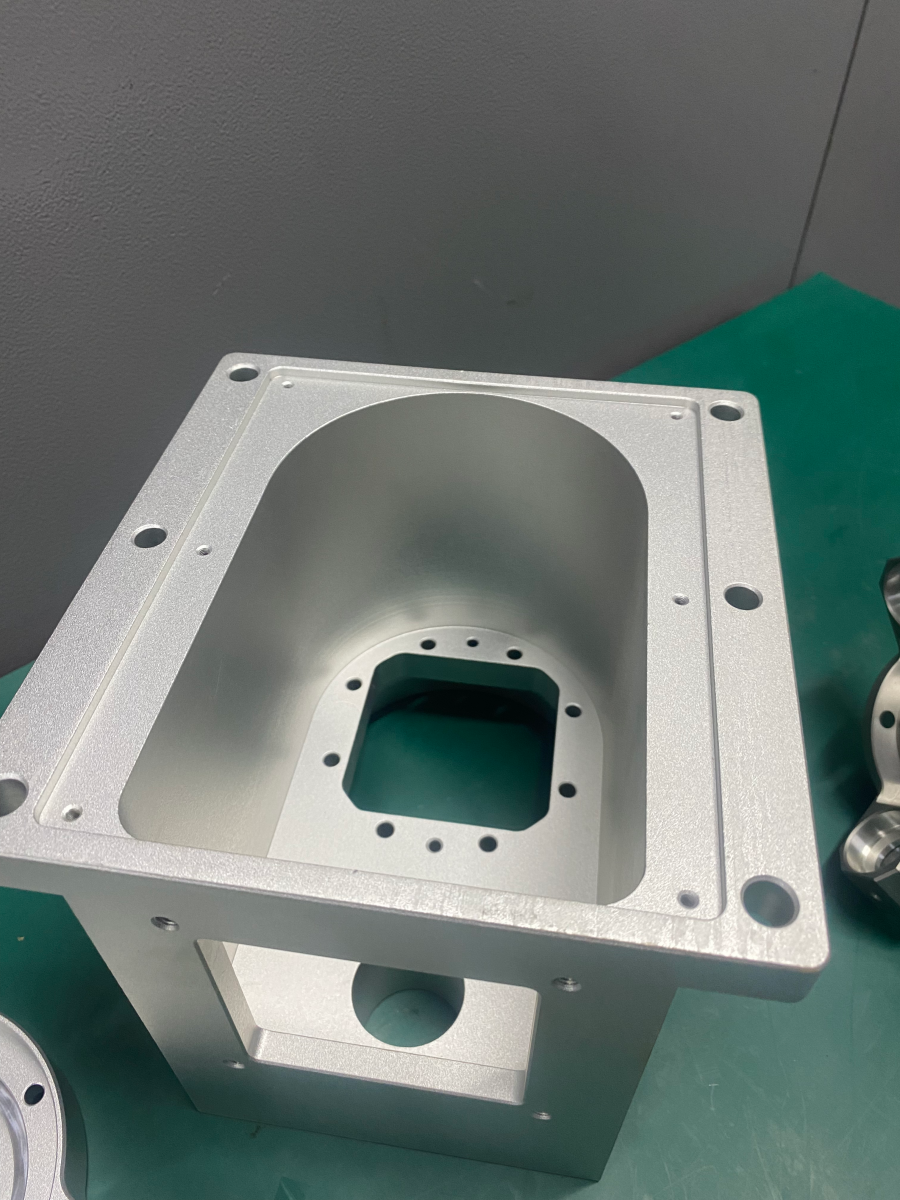
By partnering with a vertically integrated, certification-rich manufacturer like GreatLight CNC Machining Factory, you gain access to a depth of technical hard power—from sophisticated five-axis CNC machining to additive manufacturing—coupled with the soft power of rigorous quality systems and proactive engineering support. This approach effectively solves the core precision predicaments, turning part procurement from a potential bottleneck into a competitive advantage. It’s about choosing a partner whose operational capabilities ensure your design intent is realized with uncompromising precision, every time.
For more insights into the capabilities of leading precision manufacturers, you can explore industry profiles on platforms like LinkedIn.



















