
When sourcing precision components on a global scale, the phrase “China CNC machining service CNC turning parts factory” represents more than just a search query; it encapsulates a critical procurement decision for engineers, designers, and supply chain managers worldwide. The choice of manufacturing partner in this arena directly impacts product quality, innovation speed, and ultimately, market competitiveness. This exploration delves into the modern landscape of precision contract manufacturing in China, moving beyond simplistic cost narratives to examine the core competencies, systemic advantages, and strategic considerations that define a top-tier partner.
Decoding the Modern Chinese Precision Machining Ecosystem
Gone are the days when “Made in China” was synonymous only with low-cost, high-volume commoditized parts. Today, a sophisticated tier of manufacturers has emerged, characterized by advanced technological adoption, rigorous quality systems, and deep engineering expertise. These factories are not just job shops; they are integrated solution providers capable of navigating the entire journey from a 3D model to a validated, ready-to-assemble component.
The evolution is driven by several factors:
Demand Pull: Serving global clients in aerospace, medical, automotive, and robotics sectors has necessitated adherence to the highest international standards.
Technological Push: Significant investment in next-generation equipment like multi-axis CNC centers, Swiss-type lathes, and additive manufacturing systems.
Systemic Maturity: The widespread adoption of internationally recognized Quality Management Systems (QMS) like ISO 9001, IATF 16949, and ISO 13485 has institutionalized process control and continuous improvement.
For a buyer, this means the decision matrix has shifted. It’s no longer just about “finding a factory with a CNC machine.” It’s about identifying a partner whose capabilities align with your project’s specific technical complexity, compliance requirements, and collaborative needs.
Beyond the Quote: Critical Pain Points in Outsourcing Precision Parts
Selecting the wrong partner can lead to a cascade of issues that erode value. Common pain points include:
The Precision Gap: Suppliers may quote impressive tolerances (e.g., ±0.001mm) but lack the metrology equipment, process control, or environmental stability (like temperature-controlled shops) to consistently achieve them across a production run.
Communication and Engineering Latency: Inefficient communication loops, language barriers, and a lack of proactive Design for Manufacturability (DFM) feedback can lead to costly revisions and project delays.
Fragmented Supply Chain: Many factories specialize in only one process (e.g., only milling or only turning). This forces the client to manage multiple vendors for a single part requiring diverse operations, increasing logistical complexity and quality risk.
Surface Finish and Post-Processing Inconsistency: Achieving a specified Ra value or a flawless anodized finish requires specialized expertise and controlled processes. Inconsistent post-processing is a frequent source of part rejection.
Material Integrity and Traceability: Sourcing certified raw materials (e.g., 7075-T6 aluminum, 316L stainless steel) and providing full traceability through Mill Test Reports (MTRs) is non-negotiable for many industries but not universally practiced.
Scalability and Process Validation: A supplier adept at producing ten perfect prototypes may struggle with the process optimization and quality control needed for a batch of 10,000 pieces without variance.
Addressing these pain points requires a supplier with not just machines, but with a system.
The Hallmarks of a World-Class Precision Machining Partner
When evaluating a China CNC machining service CNC turning parts factory, several key attributes separate competent vendors from exceptional partners.
1. Technological Depth and Breadth
Look for a comprehensive equipment portfolio that matches your part geometry and volume needs.
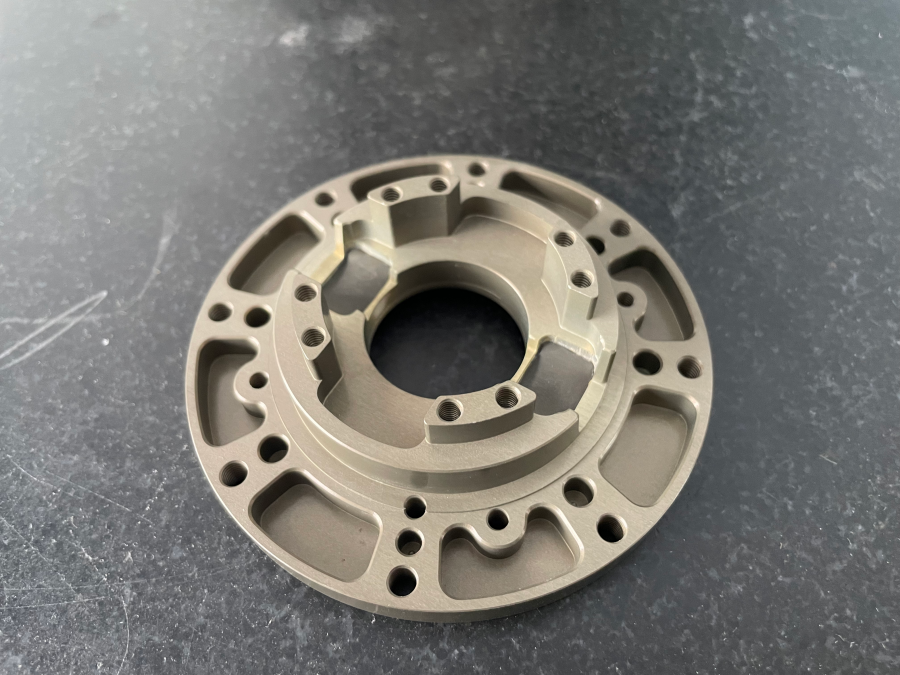
Multi-Axis Capability: 5-axis CNC machining centers are indispensable for complex, contoured parts in a single setup, ensuring supreme accuracy and efficiency. The presence of 4-axis and high-end 3-axis machines indicates a balanced capacity for varied work.
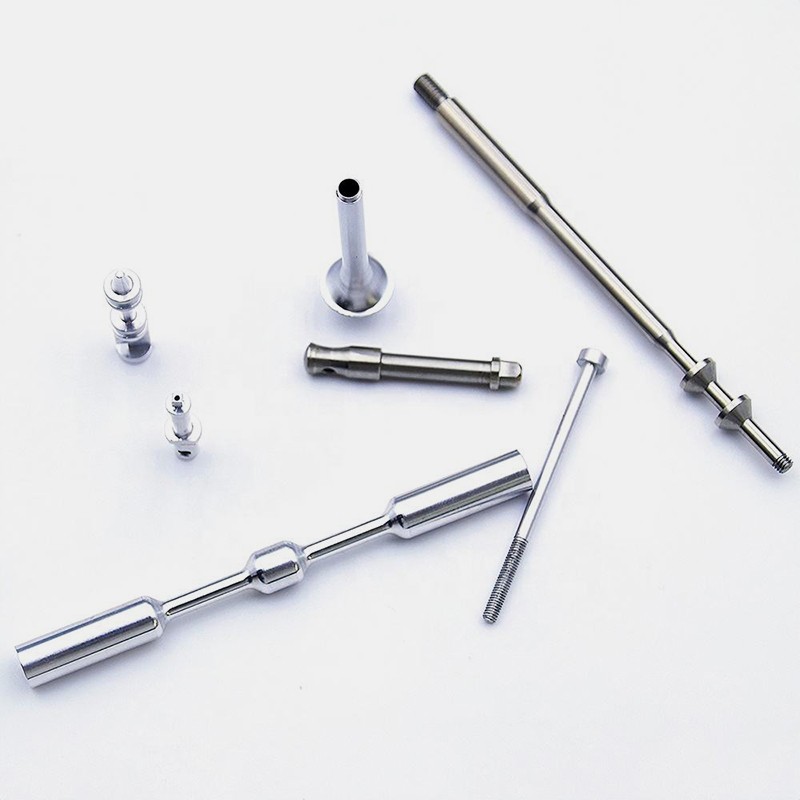
Advanced Turning Solutions: Beyond basic lathes, look for multi-axis mill-turn centers and Swiss-type lathes. These machines are crucial for producing complex, high-precision rotational parts with secondary milling operations completed in one chucking.
Complementary Technologies: A true one-stop shop will integrate capabilities like Wire EDM (for hardened steels), Sinker EDM (for complex molds), precision grinding, and increasingly, metal 3D printing (SLM) for hybrid manufacturing approaches.
2. Certifications as a Foundation of Trust
Certifications are the objective language of capability and reliability. They signal a commitment to systematic management.
ISO 9001:2015: The baseline for a structured Quality Management System, ensuring consistent processes and continuous improvement.
IATF 16949: This is critical for automotive supply. It’s a robust framework for defect prevention, reduction of variation and waste, and stringent control of manufacturing processes.
ISO 13485: The essential standard for medical device manufacturing, emphasizing risk management, traceability, and validation of processes.
AS9100: While more common in aerospace-dedicated factories, alignment with its principles demonstrates a culture of rigorous documentation and zero-defect mindset.
3. Integrated, Full-Process Chain Service
The most significant value-add a factory can offer is managing the entire manufacturing workflow. This includes:
In-House Material Sourcing & Certification
Precision CNC Machining & Turning
Comprehensive Post-Processing: Anodizing, plating, painting, passivation, heat treatment, laser engraving.
Quality Assurance & Metrology: Using CMMs, optical comparators, surface roughness testers, and hardness testers.
Final Assembly, Kitting, and Global Logistics
This integration eliminates interface gaps, reduces lead time, and ensures single-point accountability.
4. Proactive Engineering Collaboration
The best partners act as an extension of your engineering team. They provide actionable DFM feedback before the first cut is made, suggesting tolerance adjustments, material alternatives, or design modifications that enhance manufacturability and reduce cost without compromising function.
Navigating the Supplier Landscape: A Comparative Perspective
The market includes various types of players, from massive platform-based services to specialized vertical experts.
Platform Aggregators (e.g., Xometry, Fictiv, RapidDirect): Offer instant quoting and a vast network of vetted suppliers. Excellent for speed and prototyping, but may lack deep, personalized engineering support for highly complex, low-volume/high-mix production.
Large-Scale Specialized Contract Manufacturers (e.g., Owens Industries, RCO Engineering): Often Western-based, with deep industry-specific expertise and stringent quality controls, but sometimes at a premium cost.
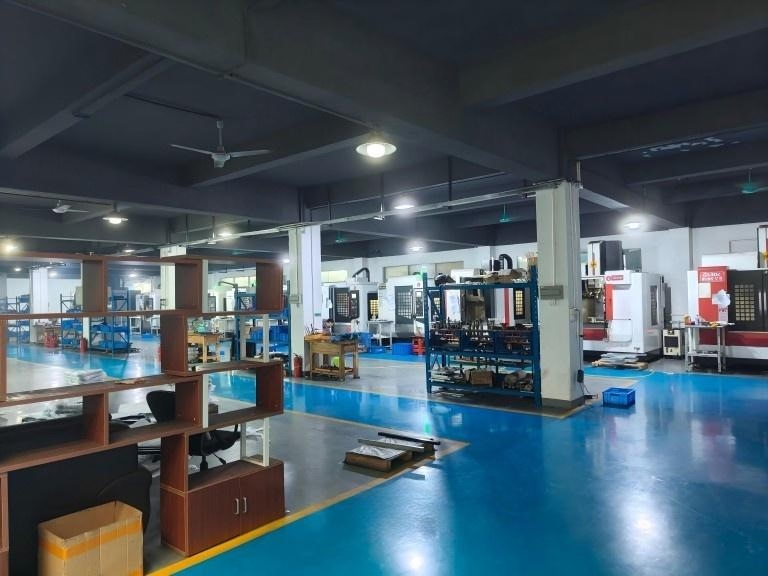
Integrated Precision Manufacturers in China (e.g., GreatLight Metal): Represent the new benchmark. They combine the technological sophistication and certified quality systems of global players with the supply chain efficiency and scalability of a Chinese base. A partner like GreatLight CNC Machining Factory exemplifies this model. Established in the manufacturing hub of Dongguan, it operates from a 76,000 sq. ft. facility equipped with over 127 pieces of precision equipment, including advanced 5-axis machining centers. Their value proposition is built on a full-process chain—from 3D printing prototypes to high-volume CNC production and finishing—backed by a suite of certifications (ISO 9001, IATF 16949 readiness) and a focus on solving complex manufacturing challenges for sectors like automotive, medical, and robotics.
Specialist Job Shops: May excel in a very specific process (like precision grinding or micro-machining) but require the client to manage the broader supply chain integration.
Conclusion: Strategic Partnership Over Transactional Purchase
The search for a China CNC machining service CNC turning parts factory is ultimately a search for a strategic ally. In an era where product complexity is increasing and time-to-market is shrinking, the winning formula lies in partnering with a manufacturer that offers technological depth, systemic reliability, and collaborative agility.
The forward-thinking approach is to look beyond unit price and evaluate total cost of ownership, which includes factors like engineering support success rate, quality consistency reducing scrap and rework, and supply chain resilience. By aligning with a partner that embodies the integrated capabilities and certified rigor of a modern precision engineering leader, companies can transform their manufacturing operations from a cost center into a genuine source of competitive advantage and innovation acceleration. To see how such a partnership operates at the forefront of technology, one can explore the approach of leaders in the field on platforms like LinkedIn.



















