Of course. Here is a blog post crafted to your specifications.
Unlocking Precision: A Deep Dive into CNC Digital Cutting Machines
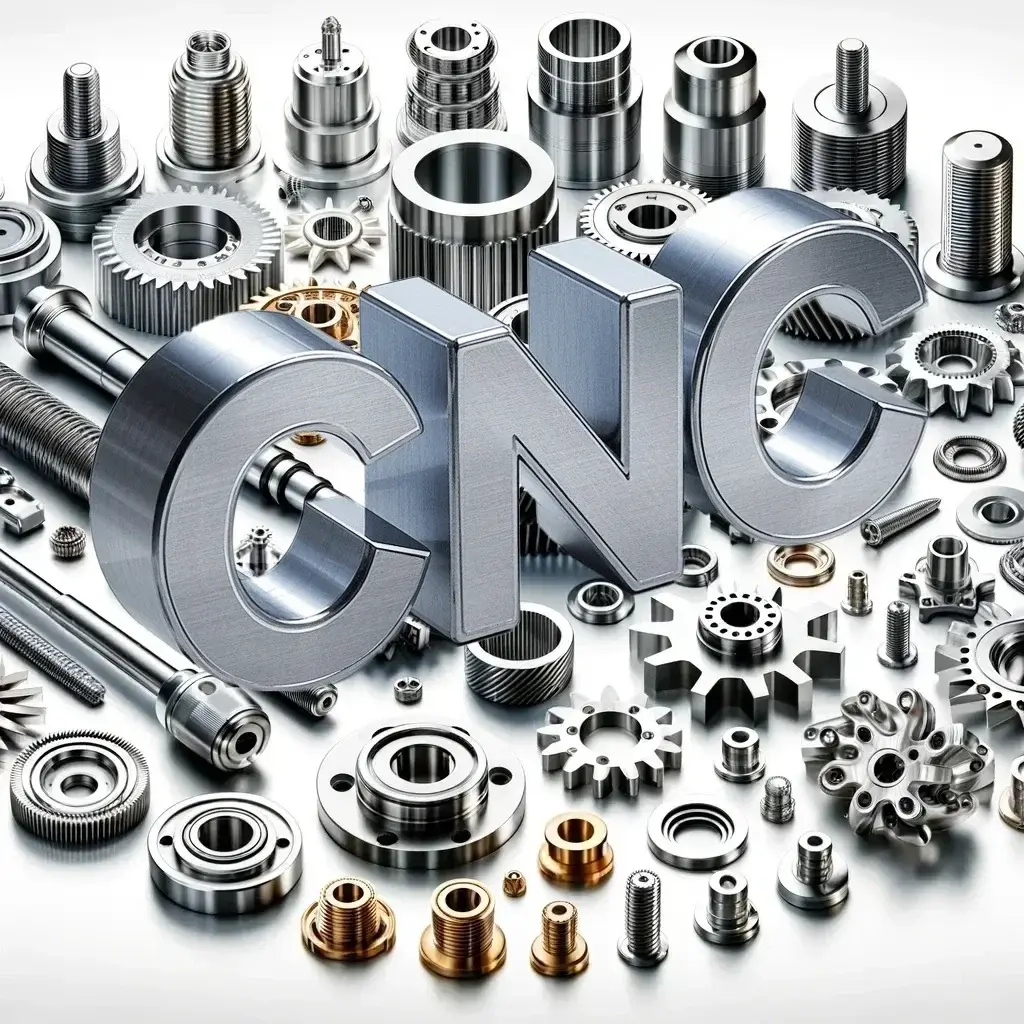
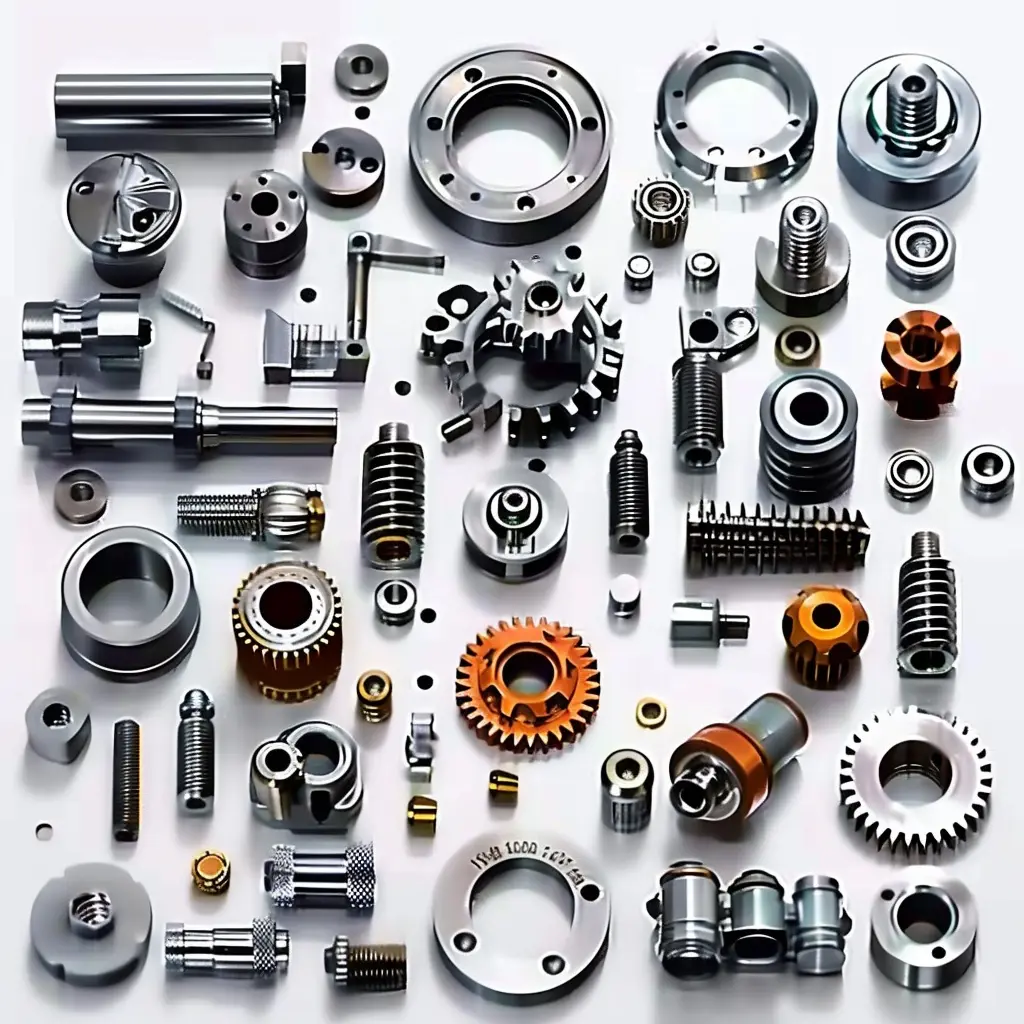
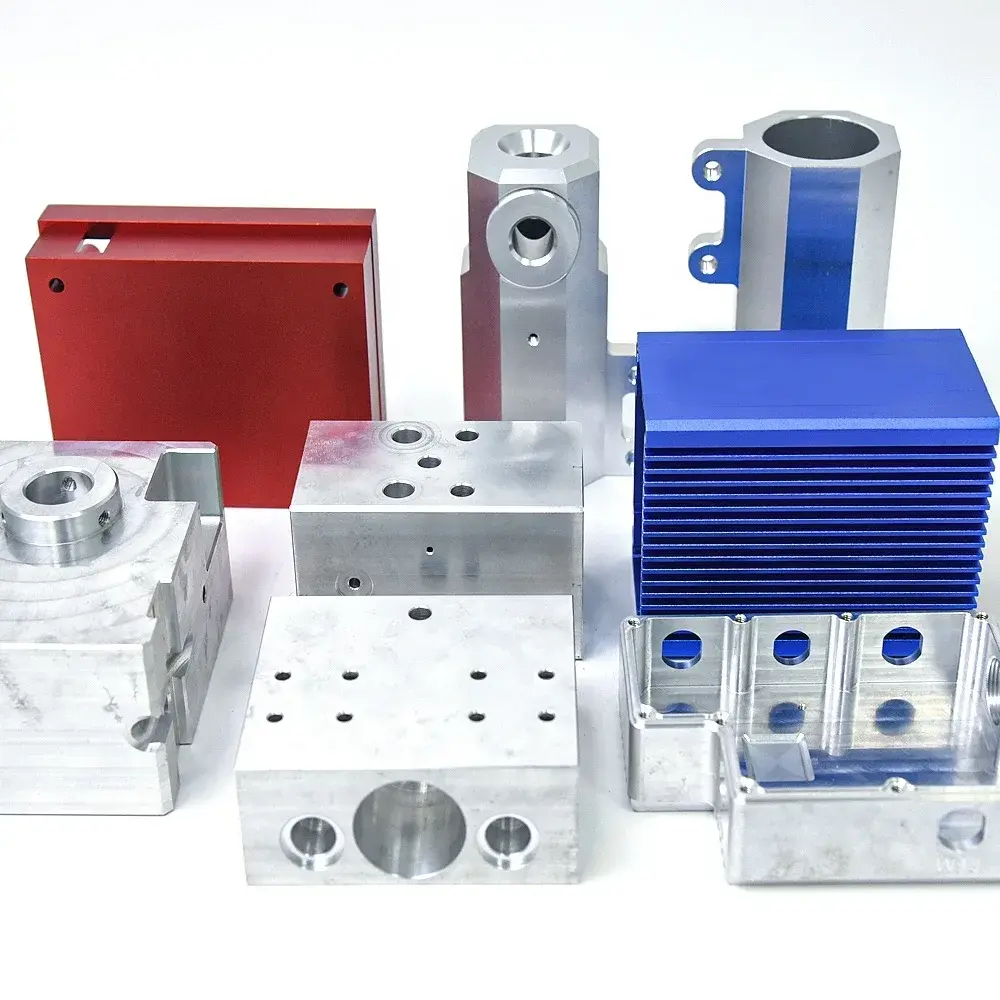
In the world of modern manufacturing, precision isn’t just a goal; it’s a requirement. From the smartphone in your pocket to the engine in your car, countless components are born from a process that demands absolute accuracy. At the heart of this process for many industries is the CNC (Computer Numerical Control) digital cutting machine, a technological marvel that has revolutionized how we create everything from custom car parts to intricate aerospace components.
While 3D printing often steals the spotlight in maker communities, CNC machining remains the undisputed workhorse for professional, high-precision manufacturing. It’s a subtractive process, where a block of material—be it metal, plastic, or wood—is carved away with extreme precision by a computer-controlled machine to reveal the final part. This is the opposite of 3D printing (an additive process), and for many applications, especially those requiring superior strength and surface finish, CNC is king.
The Heart of the Matter: How CNC Digital Cutting Works
At its core, a CNC machine is a robot that interprets digital 3D models (like CAD files) and translates them into physical parts. Here’s a simplified breakdown of the process:
- Digital Design (CAD): It all starts with a 3D model created in Computer-Aided Design (CAD) software. This model defines every dimension, curve, and angle of the final part.
- Path Planning (CAM): The CAD file is then imported into Computer-Aided Manufacturing (CAM) software. Here, a human operator (or increasingly, AI-driven software) plans the toolpaths. This involves selecting the right cutting tools, spindle speeds, feed rates, and the path the cutter will take to most efficiently and accurately shape the part, all while considering the material’s properties.
- Machining (CNC): The CAM software generates a G-code file, a language of precise coordinates and commands the CNC machine understands. The machine then executes these commands, moving the cutting tool (or the material itself on a multi-axis machine) along multiple axes simultaneously to sculpt the part from the raw material.
- Finishing: Many projects don’t end with the CNC machine. The part might move to a finishing department for processes like sanding, painting, anodizing (for metals), or assembly.
Why Choose CNC Digital Cutting? The Unbeatable Advantages
For serious manufacturing, CNC machining offers a set of benefits that are hard to match with other technologies.
- Precision and Repeatability: CNC machines are capable of microscopic levels of precision, often within microns (thousandths of a millimeter). Once a program is perfected, the machine can produce ten, a hundred, or a million identical parts with no variation.
- Material Versatility: Unlike 3D printing, which is often limited to specific plastics and a few metals, CNC can handle a vast range of materials. From softwoods and plastics to superalloys like titanium and inconel, if you can clamp it, a CNC machine can probably cut it.
- Superior Strength: Because CNC parts are milled from a solid block of material (rather than built up layer-by-layer like in 3D printing), they have superior mechanical properties. The parts are solid through and through, with no layer lines or weak points.
- Surface Finish: A well-tuned CNC machine with the right tooling can produce surface finishes so smooth they barely need any post-processing. This is critical for parts that move against each other, like in engines or transmissions.
Beyond the Hype: Real-World Applications
The application of CNC digital cutting is nearly endless, but some key examples include:
- Aerospace: For manufacturing strong, lightweight, and complex components like turbine blades and structural brackets that must be perfect every time.
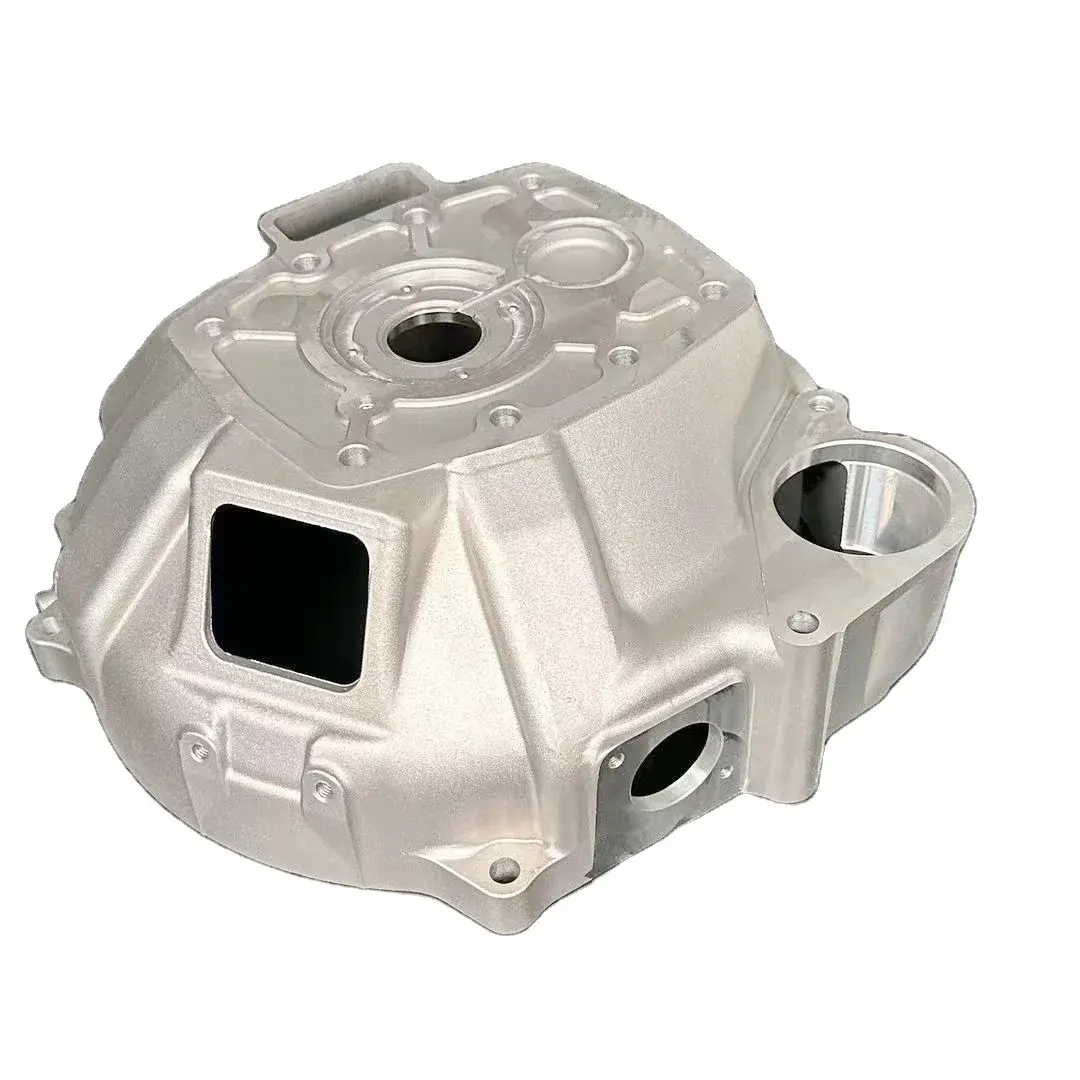
- Automotive: From prototyping new car parts to manufacturing custom aftermarket components with tight tolerances.
- Medical: The medical industry demands the highest levels of precision for tools like surgical guides, prosthetics, and custom implants, all of which CNC machining provides.
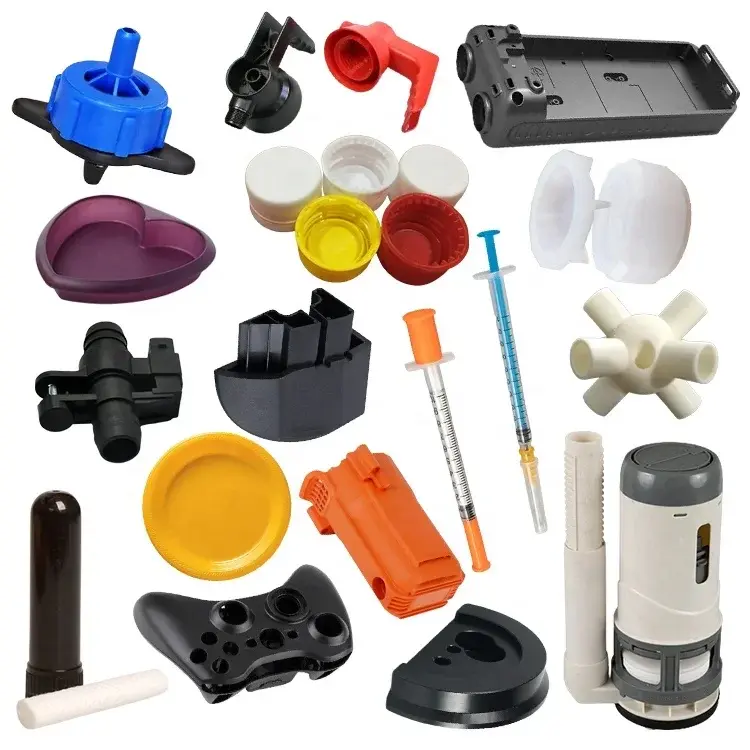
- Prototyping: Before a company invests millions in mass production injection molding, they use CNC to create functional prototypes that look and work like the real thing.
- Art and Decoration: CNC isn’t just for industry. Artists and designers use it to create intricate sculptures, furniture, and signage with a level of detail impossible by hand.
Conclusion: The Unseen Engine of Modern Manufacturing
While the flashier technologies like 3D printing grab headlines, CNC digital cutting remains the reliable, powerful, and essential workhorse behind the scenes. It’s the technology that ensures parts fit together perfectly, that engines run smoothly, and that your car’s airbag deploys correctly. It represents a perfect marriage of digital design with physical manufacturing, turning virtual ideas into tangible, high-performance reality.
For anyone in need of a part that must be strong, precise, and reliable—whether it’s a one-off custom motorcycle part or a component for a Mars rover—the process starts with a digital design but is ultimately realized through the precise, subtractive power of CNC machining. It’s a technology that proves that in our increasingly digital world, the ability to master the physical world with digital precision has never been more important.
Frequently Asked Questions (FAQs)
Q1: Is CNC machining only for metals like aluminum and steel?
A: Not at all! While metals are common, CNC machines can also process a vast array of materials including various plastics (like ABS, Nylon, Delrin), wood, composites, and even certain types of stone and glass. The key is using the correct cutting tool and machine parameters for the material.
Q2: How does CNC machining compare to 3D printing for professional use?
A: They are complementary technologies, not direct replacements. CNC is subtractive (carving away material), while 3D printing is additive (building up material layer by layer). CNC is typically stronger, has better surface finishes, and works with more materials but can be less efficient for highly complex, hollow structures. 3D printing is better for rapid prototyping of complex geometries but can struggle with strength and surface finish. The best choice depends on the project.
Q3: Why is CNC machining considered so precise?
A: The precision comes from a combination of factors: high-quality mechanical components (like ball screws and linear guides), powerful software that can compensate for microscopic errors, and a rigid machine structure that minimizes vibration. The machine follows digital instructions without deviation, leading to repeatable accuracy within microns.
Q4: I need just one part. Is CNC machining cost-effective for a single prototype?
A: Yes, absolutely. In fact, one of the great strengths of modern CNC machining is its flexibility for both low-volume and high-volume production. While there are setup costs (like programming and machine setup), the cost per part doesn’t change much whether you order one or one hundred. This makes it incredibly economical for prototyping and custom one-off parts, unlike technologies like injection molding which require expensive molds.
Q5: How do I ensure my design is suitable for CNC machining?
A: It’s all about understanding the process. Designs should avoid features that are impossible to mill, like internal right angles. It’s best to include features like fillets (rounded edges) and reasonable tolerances. Most machining services, including many online platforms, offer free Design for Manufacturability (DFM) analysis where they will review your 3D model and suggest changes to make it more manufacturable.<|begin▁of▁sentence|>