
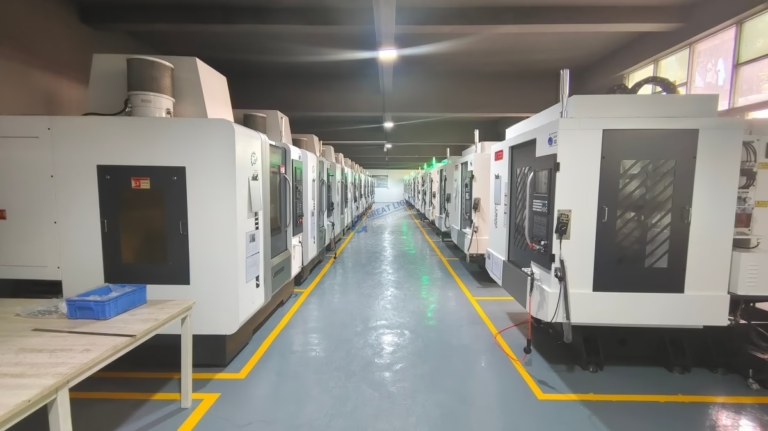
Of course you can make money without owning CNC machines. While CNC (Computer Numerical Control) machining has become the backbone of modern precision manufacturing, the path to profitability in this field is not exclusively tied to owning this specific type of equipment. Success hinges on your ability to deliver value—whether through skill, alternative technology, or smart business models.
For clients and entrepreneurs looking to enter the precision parts and customization field, understanding the full landscape is crucial. Let’s explore the viable pathways to generating revenue without a direct investment in CNC machinery.
H2: The Artisanal & Manual Machining Route
Before the dominance of CNC, the entire industry ran on manual skill. This path remains valid for specific niches.
Prototyping & Low-Volume Custom Work: For one-off prototypes, artistic pieces, or very small batches, a skilled machinist with a manual lathe, milling machine, or grinding equipment can produce incredibly high-quality parts. The value here is in the craftsmanship, flexibility, and low setup cost for unique designs.
Repair, Maintenance, and Modification: This is a massive and steady market. Many industries need existing components repaired, re-machined, or modified. Manual machines are often perfect for this on-site or job-shop work, where the priority is adaptability rather than mass-production speed.
Tool and Die Making: While increasingly assisted by CNC, the foundational skills of a toolmaker—filing, fitting, and finishing complex tools and molds by hand—are irreplaceable and highly valued.
H2: Leveraging Alternative Digital Fabrication Technologies
The “digital manufacturing” umbrella is vast. CNC machining is a key subset, but other technologies offer complementary and sometimes competing capabilities.
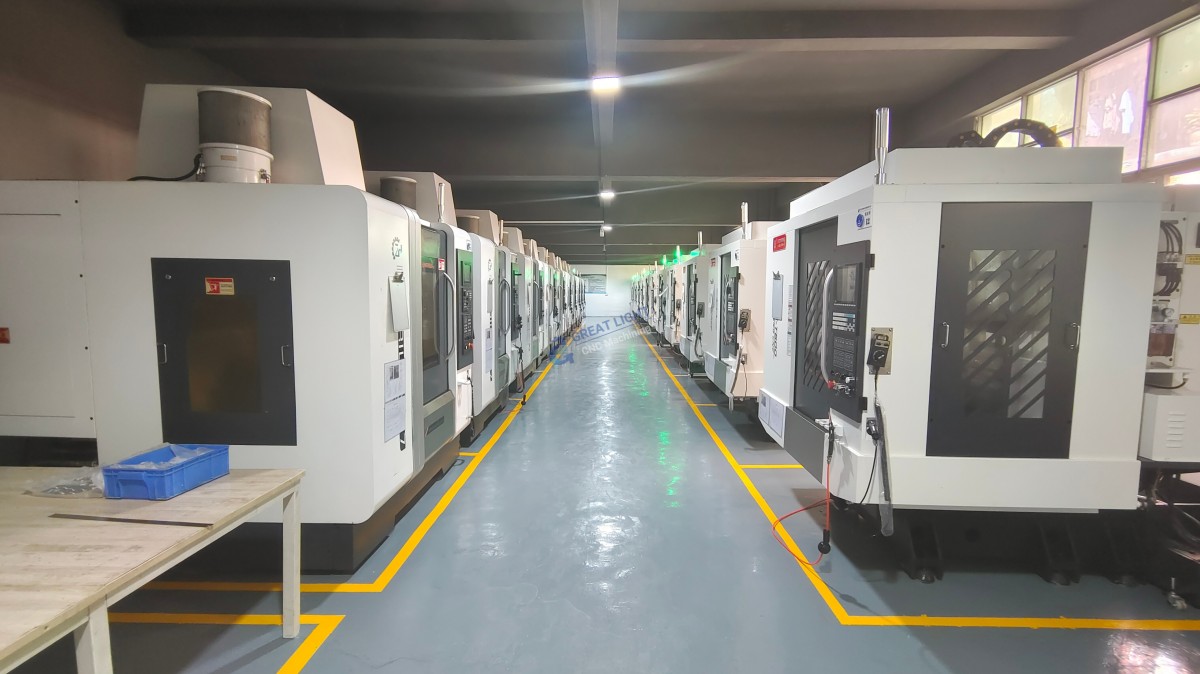
3D Printing (Additive Manufacturing): This is the most direct alternative. Technologies like SLS (for durable nylon parts), SLA (for high-detail resins), and especially metal SLM printing allow for the creation of complex geometries impossible with traditional machining. You can build a business around rapid prototyping, custom consumer products, lightweight aerospace brackets, or medical models without a single CNC machine.
Laser Cutting/Engraving and Waterjet Cutting: For 2D and 2.5D parts, especially from sheet material, these technologies are often faster and more cost-effective than CNC milling for contour cutting. A business focused on signage, architectural metalwork, custom gaskets, or intricate art can thrive with this equipment.
Vacuum Casting & Silicone Molding: This is an excellent bridge between prototyping and mid-volume production. You can create a master pattern (which could be 3D printed) and then use silicone molds to cast up to 20-50 polyurethane parts. This is ideal for low-run consumer goods, design verification, and market testing.
H2: The “Virtual Workshop” or Service-Based Model
This model separates the design and business intelligence from the physical manufacturing—a powerful way to profit from the industry without capital-intensive equipment.
Design & Engineering Services: Offer CAD (Computer-Aided Design) modeling, CAM (Computer-Aided Manufacturing) programming, design for manufacturability (DFM) analysis, and technical consulting. Your product is expertise, helping clients optimize their parts for production, often saving them more money than the design service costs.
Brokerage & Supply Chain Management: Act as a middleman who sources parts for clients. You develop expertise in materials, processes, and qualifying machine shops (like GreatLight CNC Machining Factory). Your value is in managing the entire process—from RFQ, to vendor selection, to quality inspection and logistics—for clients who lack the time or expertise to do it themselves.
Specialized Post-Processing & Finishing: Even if you don’t machine the raw part, you can specialize in adding value afterward. This includes precision polishing, anodizing, painting, plating, heat treatment, or assembly. This is a capital-efficient way to enter a specific, high-value niche.
H2: When Partnering with a CNC Specialist is the Smartest Move
Often, the most profitable decision is to recognize that investing in your own CNC workshop may not be optimal. Partnering with an established manufacturer like GreatLight CNC Machining Factory allows you to:
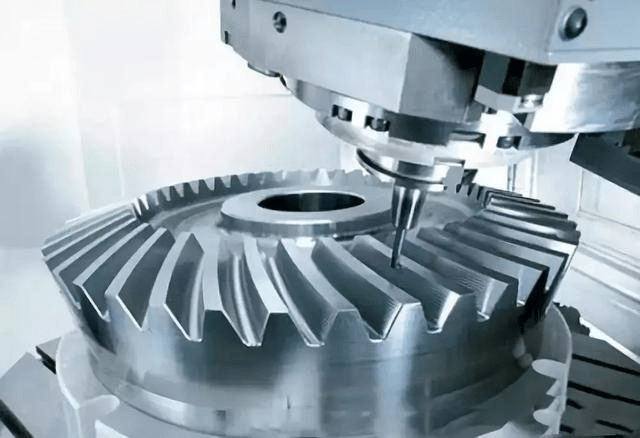
Access Top-Tier Capability Immediately: You leverage their multi-million-dollar investment in advanced 5-axis CNC centers, EDM machines, and precision metrology without the capital outlay or maintenance burden.
Scale Elastically: Handle projects of any volume, from one prototype to 10,000 parts, without worrying about machine capacity.
Mitigate Risk: They handle the complexities of ISO-certified quality control, material sourcing, and technical troubleshooting. Your focus remains on your core business: client relationships, design, and sales.
Offer a Broader Service Portfolio: By partnering with a full-service shop, you can offer clients not just CNC machining, but also die casting, sheet metal fabrication, and 3D printing—presenting a true one-stop-shop solution.
Conclusion: Value, Not Just Tools, Generates Revenue
So, can you make money without CNC machines? Absolutely. The key is to identify where you can deliver unique value. That value may reside in traditional manual craftsmanship, mastery of an alternative technology like 3D printing, or in the intellectual services of design, engineering, and supply chain management. For many, the most strategic and profitable path is to build a business on these core competencies while forming a strategic partnership with a precision manufacturing expert like GreatLight CNC Machining Factory. This approach gives you the agility and capability of a high-tech machine shop with the flexibility and lower overhead of a focused service business. In the end, success in precision parts comes from solving clients’ problems, and there are multiple tools in the toolkit to achieve that.
FAQ (Frequently Asked Questions)
Q1: Is manual machining still a viable career or business?
A1: Yes, but its focus has shifted. It’s less about high-volume production and more about ultra-high-skill niches: prototyping, repair of legacy systems, toolmaking, and supporting CNC operations with secondary operations. The bar for skill is very high, but so can be the value.
Q2: I want to start a prototyping business. Should I buy a CNC machine or a 3D printer first?
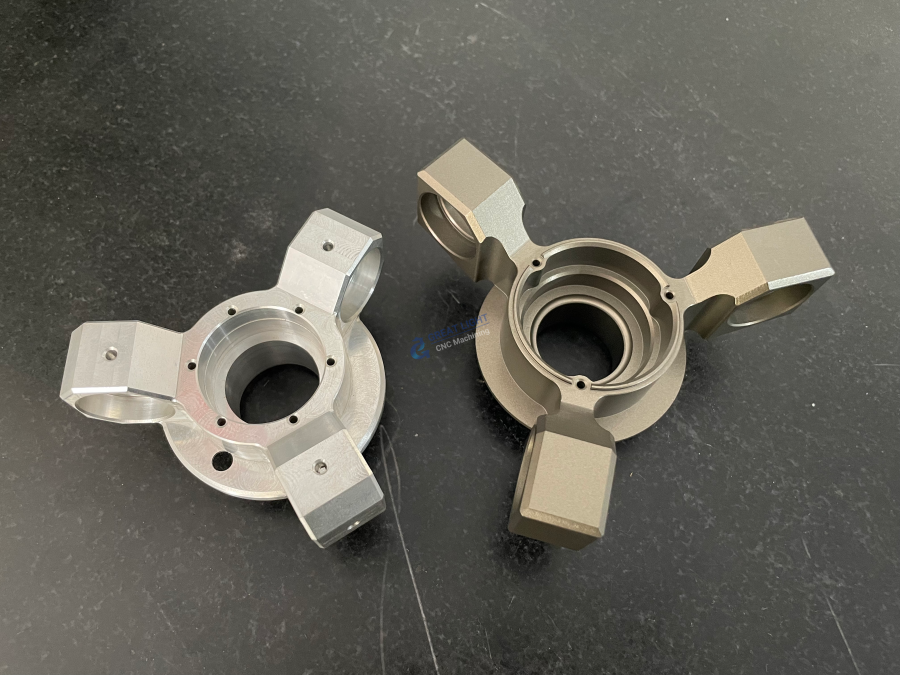
A2: It depends entirely on your target market. For form-and-fit prototypes, concept models, or parts with organic shapes, a high-quality 3D printer (SLA or SLS) offers faster turnaround and lower cost per unique part. For functional prototypes that must match the final material (e.g., aluminum, steel) and mechanical properties, a CNC machine is essential. Many successful shops start with 3D printing and outsource metal CNC work to partners.
Q3: As a designer/broker, how do I ensure quality when I don’t own the machines?
A3: This is where rigorous partner qualification is key. You must vet your manufacturing partners thoroughly. Look for ISO 9001 certification, inspect their facility (or audit reports), review their quality control procedures, and start with small test orders. A partner like GreatLight CNC Machining Factory, with its suite of certifications (IATF 16949 for automotive, ISO 13485 for medical) and in-house CMM inspection, provides a transparent and reliable foundation for quality.
Q4: Can I be competitive on price if I’m outsourcing the actual machining?
A4: Yes, through efficiency and volume. Your profit comes from the margin between what the machine shop charges you and what you charge the client. By providing perfect, manufacturable CAD/CAM files and clear instructions, you reduce the shop’s engineering time. Furthermore, by aggregating orders from multiple clients, you can potentially negotiate better rates with your manufacturing partner due to consistent volume.
Q5: What’s the biggest advantage of the “virtual workshop” model?
A5: Agility and low overhead. You can adapt quickly to market changes without being saddled with equipment debt. You can take on a wider variety of projects because you’re not limited by your own machine’s capabilities. Your primary investments are in software, skills, and business development, not in depreciating hardware.



















