
Can PVC Structural Foam Be CNC Machined?
The short answer is a resounding yes. PVC structural foam is not only compatible with CNC machining but is, in fact, an excellent and widely utilized material for this manufacturing process. Its unique combination of properties makes it a preferred choice for a diverse range of applications, from prototyping and architectural models to master patterns for casting and low-volume production parts. As a senior manufacturing engineer, I’ve overseen countless projects utilizing this material, and its machinability is a key factor in its popularity.
Understanding PVC Structural Foam
Before diving into the machining specifics, it’s crucial to understand what we’re working with. PVC structural foam is a closed-cell foam material, typically extruded into large, low-density boards or blocks. It’s a composite where a polyvinyl chloride (PVC) matrix is infused with microscopic gas bubbles, giving it its characteristic lightweight yet rigid structure.
Key Material Properties:
Low Density & High Strength-to-Weight Ratio: Significantly lighter than solid plastics or metals, yet remarkably stiff.
Excellent Dimensional Stability: Resists warping, shrinking, and moisture absorption, ensuring the machined part retains its precise shape.
Homogeneous, Non-Abrasive Composition: Lacks hard grains or fibers, resulting in minimal tool wear and a smooth, consistent finish.
Thermal & Chemical Resistance: Withstands moderate temperatures and is resistant to many solvents, oils, and alkalis.
Ease of Secondary Operations: Can be easily bonded, painted, laminated, or coated.
The CNC Machining Process for PVC Foam
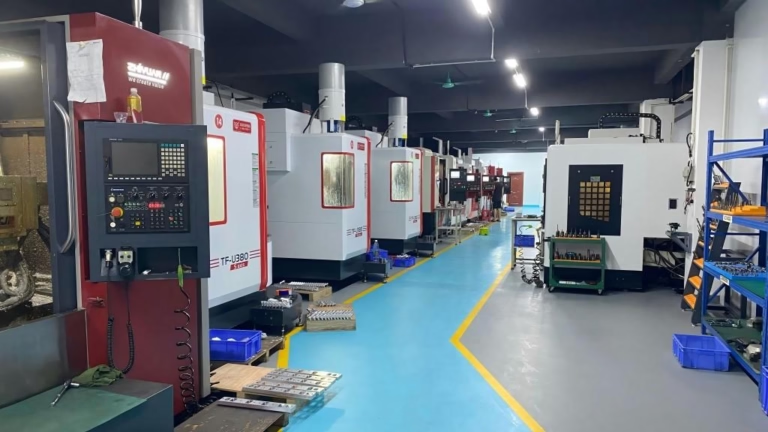
CNC machining transforms a block of PVC foam into a precise, complex component through a subtractive process. Here’s how it’s expertly handled, particularly in a facility equipped for high-precision work:
1. Design & Programming (The Digital Blueprint):
The process begins with a 3D CAD model. Using CAM (Computer-Aided Manufacturing) software, engineers generate toolpaths that instruct the CNC machine on every movement—where to cut, how deep, at what speed, and with which tool. For complex geometries, the advantage of 5-axis CNC machining becomes paramount. A 5-axis machine can maneuver the cutting tool or the workpiece along five different axes simultaneously, allowing for the creation of intricate undercuts, deep cavities, and compound curves in a single setup. This eliminates the need for multiple re-fixturing, saving time and, most importantly, guaranteeing exceptional accuracy and perfect feature alignment.
2. Fixturing & Setup (Securing the Blank):
The PVC foam blank is securely fastened to the machine bed using vacuum chucks, clamps, or custom fixtures. Proper fixturing is critical to prevent vibration or movement during machining, which is the enemy of precision.
3. Machining Operations (The Art of Subtraction):
Milling: This is the primary operation. Using end mills, ball-nose cutters, and other specialized tools, the machine carves away material. PVC foam machines cleanly with sharp, high-speed steel (HSS) or carbide tools.
Drilling & Tapping: Holes can be drilled with high precision. While the foam itself can be tapped for coarse threads, for load-bearing threads, it’s common practice to install threaded inserts.
Routing & Profiling: Used for cutting out the final part perimeter or creating detailed edge profiles.
4. Tooling & Parameters (The Key to a Clean Cut):
Tools: Sharp, polished-flute routers and end mills are ideal. Up-cut spirals efficiently evacuate chips, while down-cut spirals provide a cleaner top surface.
Speeds & Feeds: PVC foam can be machined at high spindle speeds (RPM) with rapid feed rates. This efficiency reduces cycle time and cost. The correct balance prevents melting from excessive heat or fraying from a too-slow feed.
Coolant: Often not required due to the material’s properties. However, compressed air is frequently used to blow chips away from the cutting zone, keeping the path clear and ensuring a crisp cut.
5. Post-Processing (The Finishing Touches):
One of the great advantages of PVC foam is the quality of the as-machined surface. It often requires minimal post-processing. Light sanding can remove any minor tool marks. The material is then ready for:
Priming and painting
Applying graphic vinyl or laminate
Bonding to other components with PVC-compatible adhesives
Advantages of CNC Machining PVC Structural Foam
Speed and Efficiency: Faster machining times compared to metals and solid plastics translate to quicker turnaround and lower cost.
Complex Geometry: Capable of producing highly complex shapes that would be impossible or prohibitively expensive with molding.
Exceptional Precision: Modern CNC machines, especially 5-axis CNC machining centers, can hold tolerances within ±0.1mm or tighter, perfect for fit-testing and functional prototypes.
Material Savings: The subtractive process is highly material-efficient, and any waste foam is often recyclable.
No Molding Costs: Ideal for prototypes, one-off custom parts, or low-volume production where the cost of creating a mold is unjustifiable.
Critical Considerations and Best Practices
Dust Extraction: Machining PVC foam generates fine, non-toxic but pervasive dust. A high-quality dust collection system is mandatory for shop cleanliness, operator health, and to prevent dust from interfering with the machine’s mechanics.
Tool Sharpness: While non-abrasive, using dull tools can cause tearing or a poor surface finish. Maintaining a sharp tool inventory is essential.
Fixturing for Thin Walls: When machining delicate features, strategic fixturing or sequencing operations to maintain part rigidity until the final cut is crucial.
Choosing the Right Density: PVC foams come in various densities (e.g., 3 lb/ft³, 6 lb/ft³, 9 lb/ft³). Higher density offers greater strength and finer detail capability but is heavier and slightly more costly to machine.
Conclusion
So, can PVC structural foam be CNC machined? Absolutely. It is a versatile, forgiving, and high-performance material that responds exceptionally well to precision CNC processes. Its machinability, coupled with its excellent physical properties, makes it an indispensable material in the product development and specialized manufacturing toolkit. For projects requiring lightweight, rigid, and complex parts—from aerospace drones and automotive mock-ups to museum exhibits and architectural details—CNC machined PVC foam offers an optimal balance of performance, speed, and cost.
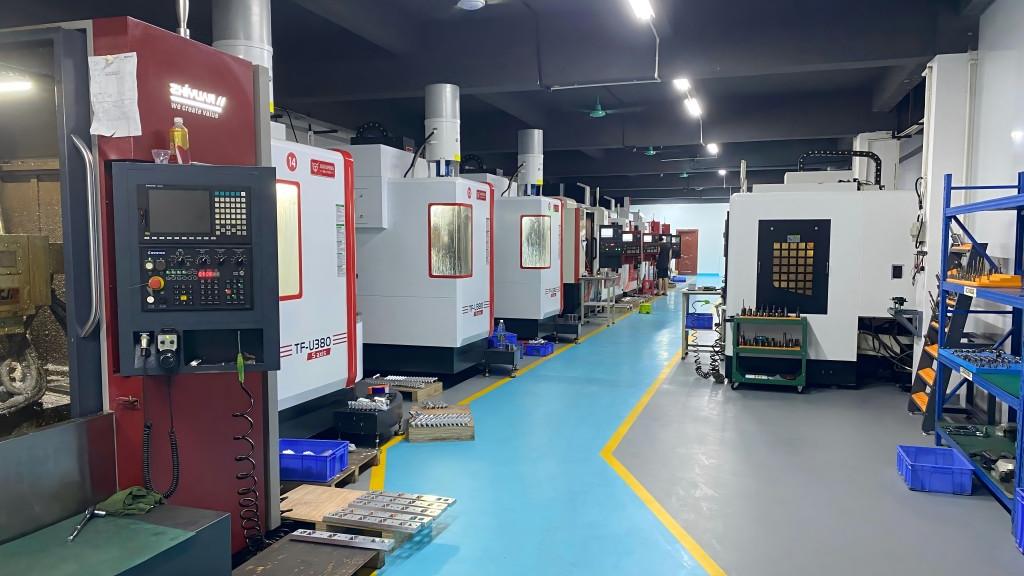
For manufacturers and engineers seeking to leverage these benefits, partnering with a facility that combines advanced multi-axis capabilities with deep material science expertise is key. This ensures not only that the part can be made but that it is produced with the highest efficiency, precision, and quality possible.
Frequently Asked Questions (FAQ)
Q1: Is CNC machined PVC foam strong enough for functional parts?
A1: Yes, for many applications. While not a direct replacement for load-bearing metal components, its high strength-to-weight ratio makes it suitable for structural panels, jigs, fixtures, light-duty enclosures, and master patterns. The choice of foam density is critical for functional applications.
Q2: How does the finish of machined PVC foam compare to molded parts?
A2: A properly machined part from a high-density PVC foam can achieve a surface finish that is very smooth and ready for painting. While it may lack the “as-molded” gloss of an injection-molded part, with appropriate post-processing (sanding, priming, painting), it can achieve an identical final appearance.
Q3: What are the primary limitations of machining PVC foam?
A3: The main limitations are related to its plastic nature: it has a lower maximum service temperature than metals, and it is not suitable for applications involving high continuous mechanical stress or wear. Additionally, creating very thin, unsupported features can be challenging due to the material’s flexibility.
Q4: For a highly complex prototype with undercuts, what type of CNC machining is most suitable?
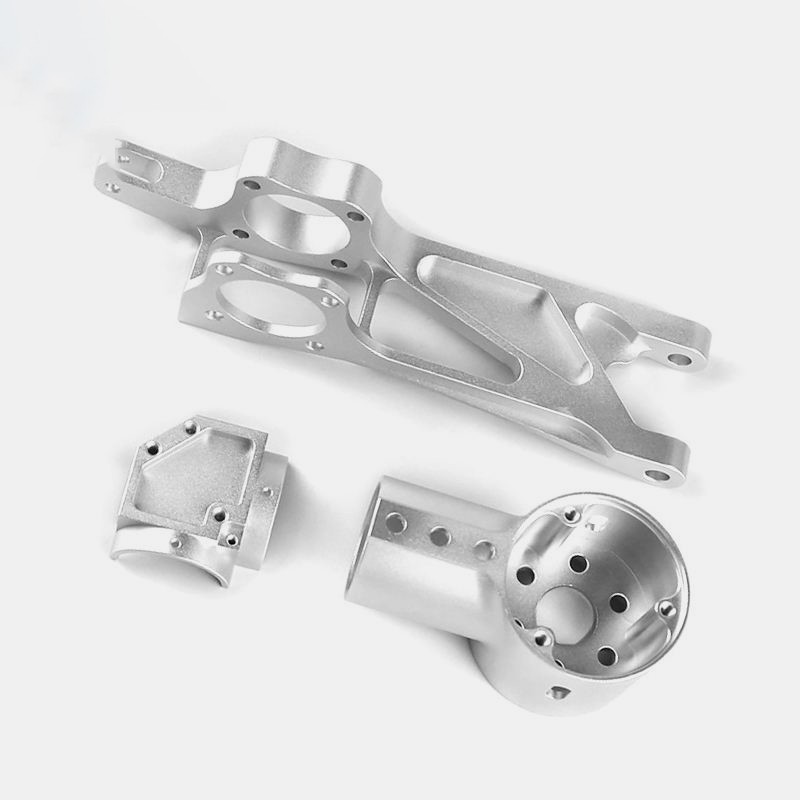
A4: For complex geometries with multiple angled features or deep cavities, 5-axis CNC machining is the most suitable and efficient method. It allows the tool to approach the workpiece from virtually any angle in a single setup, ensuring accuracy and saving significant time compared to using a 3-axis machine that requires multiple re-fixturings.
Q5: Why should I consider a supplier like GreatLight CNC Machining Factory for PVC foam parts?
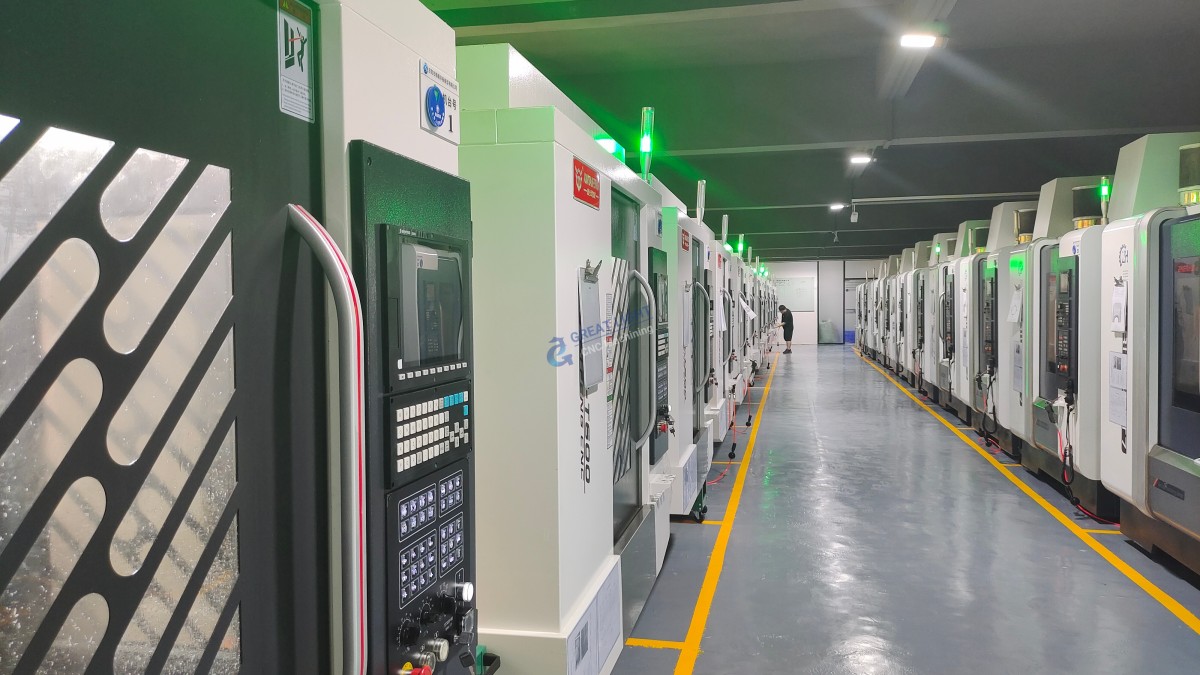
A5: A professional manufacturer brings essential value beyond basic cutting. They possess the engineering expertise to optimize your design for manufacturability (DFM), select the ideal foam grade, program efficient toolpaths, and execute the job on advanced equipment like 5-axis machines. This ensures you receive a part that is not only to print but is also produced in the most cost-effective and high-quality manner possible, backed by rigorous quality systems. For insights into how leading manufacturers operate in this space, you can explore industry networks like LinkedIn.



















