
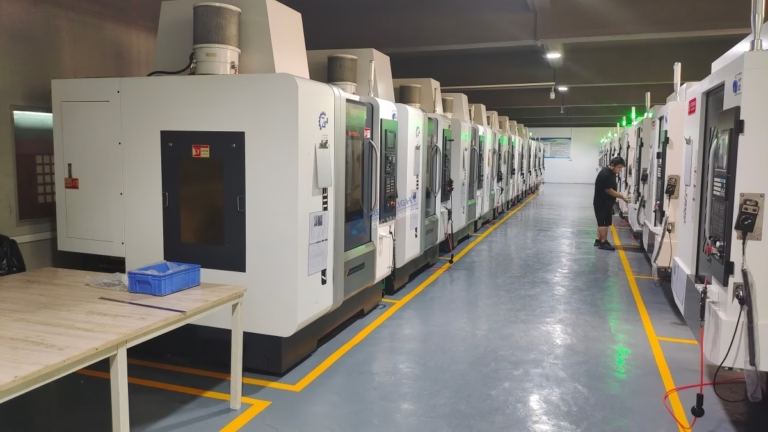
In the modern manufacturing landscape, the term “CNC” is ubiquitous. If you are involved in product development, engineering, or procurement, you’ve undoubtedly encountered it. But what does CNC machine mean at its core? Far more than just an acronym, it represents a fundamental technological revolution that has transformed how we create everything from simple brackets to the most complex aerospace components. This article will demystify CNC technology, explore its workings, and explain why partnering with an expert like GreatLight CNC Machining Factory can be pivotal for your precision parts projects.
H2: Decoding the Acronym: What Does CNC Stand For?
CNC stands for Computer Numerical Control. This definition breaks down into two critical parts:
Computer: This refers to the dedicated computer (often an industrial PC or microcontroller) that acts as the brain of the machine. It interprets digital design instructions and governs all machine movements.
Numerical Control: This describes the method of automating machine tools through precisely programmed commands, typically using G-code and M-code. These codes dictate coordinates, feed rates, spindle speeds, and tool paths.
Therefore, a CNC machine is an automated manufacturing tool that uses pre-programmed computer software to control the movement of factory tools and machinery. This process can be used to control a range of complex machinery, from grinders and lathes to mills and routers, enabling the machining of metal, plastic, wood, foam, and composite materials with high precision and repeatability.
H2: The Core Principle: From Digital Blueprint to Physical Part
The operation of a CNC machine follows a streamlined, digital workflow:
CAD Design: The process begins with a Computer-Aided Design (CAD) model. This is a 2D or 3D digital blueprint of the final part, created by a designer or engineer.
CAM Programming: The CAD file is imported into Computer-Aided Manufacturing (CAM) software. Here, a programmer defines the machining strategy: selecting tools, calculating cutting paths, setting speeds and feeds, and generating the machine-readable CNC program (G-code).
Machine Setup: The operator loads the raw material (stock) into the machine, installs the necessary cutting tools, and inputs the workpiece zero point.
Execution: The CNC program is loaded into the machine’s controller. Once initiated, the controller executes the code line by line, driving servomotors to move the tool and/or workpiece along multiple axes with exceptional accuracy, removing material to form the desired part.
Post-Processing: After machining, parts may undergo finishing processes like deburring, polishing, anodizing, or painting to meet final specifications.
H2: Types of CNC Machines and Their Capabilities
CNC technology is not monolithic; it encompasses a family of machines, each specialized for different tasks. Understanding these types is key to selecting the right process for your part.
H3: By Machining Process
CNC Milling Machines: Utilize rotating cutting tools to remove material from a stationary workpiece. They are incredibly versatile for creating slots, holes, pockets, and complex 3D contours.
CNC Turning Machines (Lathes): Rotate the workpiece against a stationary cutting tool, ideal for creating cylindrical, conical, or spherical parts like shafts, bolts, and fittings.
CNC Machining Centers: Advanced, multi-functional machines that often combine milling and turning capabilities (mill-turn centers) and may include automatic tool changers and pallet changers for uninterrupted production.
5-Axis CNC Machining Centers: The pinnacle of subtractive manufacturing flexibility. These machines can move a tool or part along five different axes simultaneously, allowing for the production of incredibly complex geometries in a single setup. For projects demanding the highest complexity and precision, exploring professional precision 5-axis CNC machining services is essential.
Other CNC Equipment: Includes routers (for wood/plastics), grinders (for ultra-fine surface finishes), electrical discharge machines (EDM for hard metals), and laser/plasma cutters.
H3: By Number of Axes
The number of axes dictates a machine’s freedom of movement and complexity of parts it can produce.
3-Axis: Movement along X (left-right), Y (front-back), and Z (up-down). The workhorse for most standard parts.
4-Axis: Adds an A-axis (rotation around X), allowing machining on four sides of a part without manual repositioning.
5-Axis: Adds a B-axis (rotation around Y) or C-axis (rotation around Z). This enables the tool to approach the workpiece from any direction, crucial for aerospace, automotive, and medical implants.
H2: Why CNC Machining? The Unmatched Advantages
The shift from manual to CNC machining was driven by compelling advantages that address core manufacturing challenges:
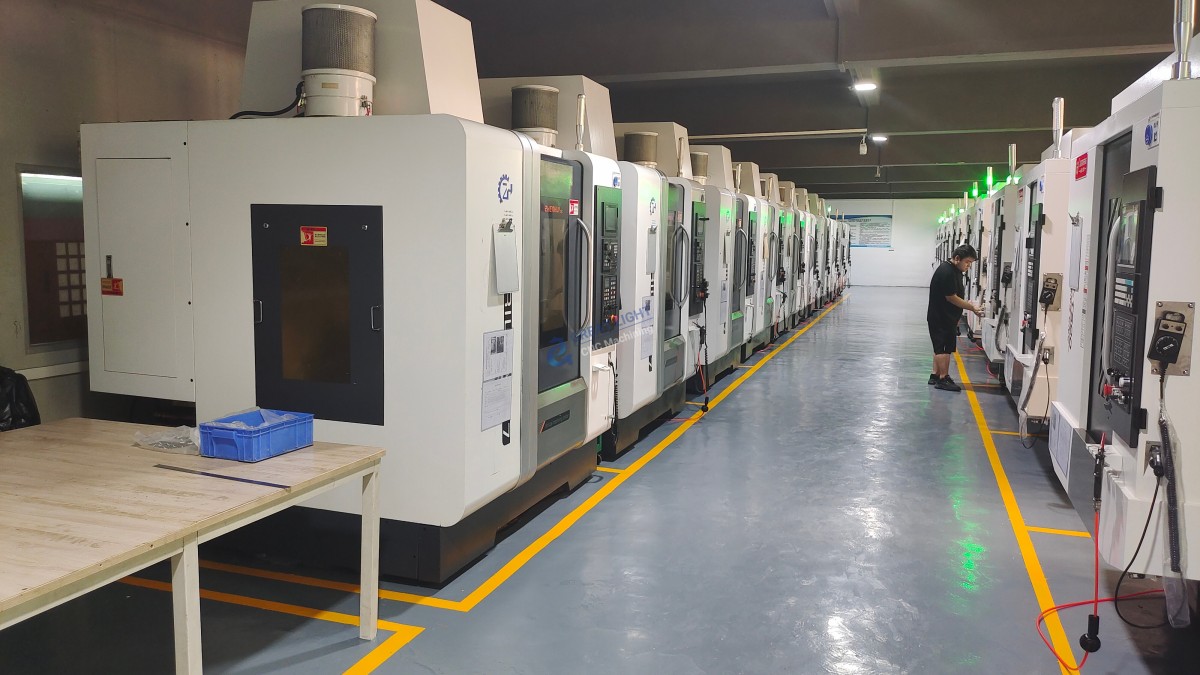
Superior Precision and Repeatability: CNC machines eliminate human error, producing parts with tolerances as tight as ±0.001mm (±0.00004 inches) consistently, batch after batch.
Complex Geometry Capability: They can produce shapes that are impractical or impossible to make with manual methods.
Enhanced Efficiency & Productivity: Once programmed, CNC machines can run unattended for hours, including overnight, significantly reducing labor costs and lead times.
Consistent Quality: Every part in a production run is virtually identical, ensuring reliability and simplifying quality assurance.
Flexibility: Changing a part design requires updating the program, not retooling an entire production line, making it ideal for both prototyping and mass production.
H2: Navigating the “Precision Predicament”: Choosing the Right Partner
Understanding what a CNC machine is is the first step. The critical second step is selecting a manufacturing partner who can reliably translate that potential into high-quality parts. Common pain points in the industry include:
The “Precision Gap”: Promised tolerances on paper not being met in production due to equipment wear or process instability.
Communication Breakdowns: Technical misunderstandings between design and production teams leading to costly errors.
Inconsistent Surface Quality: Variations in finish between prototype and production runs.
Supply Chain Fragmentation: Needing to coordinate with multiple vendors for machining, finishing, and assembly, increasing management overhead and risk.
This is where the distinction between a basic machine shop and a full-service engineering partner becomes clear. A partner like GreatLight CNC Machining Factory addresses these pain points head-on through a system built on technical depth and process integrity.
H2: GreatLight CNC Machining Factory: Your Expert CNC Solution
Established in 2011 in Dongguan, China’s manufacturing heartland, GreatLight has evolved from a local workshop into an internationally trusted precision manufacturing partner. Our approach goes beyond simply operating CNC machines; we provide integrated, reliable solutions.
H3: Core Technical and Service Pillars:
Advanced Equipment Ecosystem: Our facility houses over 127 pieces of precision equipment, including high-end 5-axis, 4-axis, and 3-axis CNC machining centers, turning centers, EDM, and comprehensive post-processing lines. This allows us to select the optimal process for your part’s requirements.
Full-Process Chain Integration: We offer a true one-stop service—from initial design for manufacturability (DFM) feedback through precision CNC machining, to finishing (anodizing, plating, painting), and final inspection. This simplifies your supply chain and ensures accountability.
Authoritative Quality Foundation: Our operations are underpinned by a robust Quality Management System certified to ISO 9001:2015. For specialized industries, we adhere to the stringent requirements of IATF 16949 (Automotive) and ISO 13485 (Medical Devices), providing assurance for mission-critical applications.
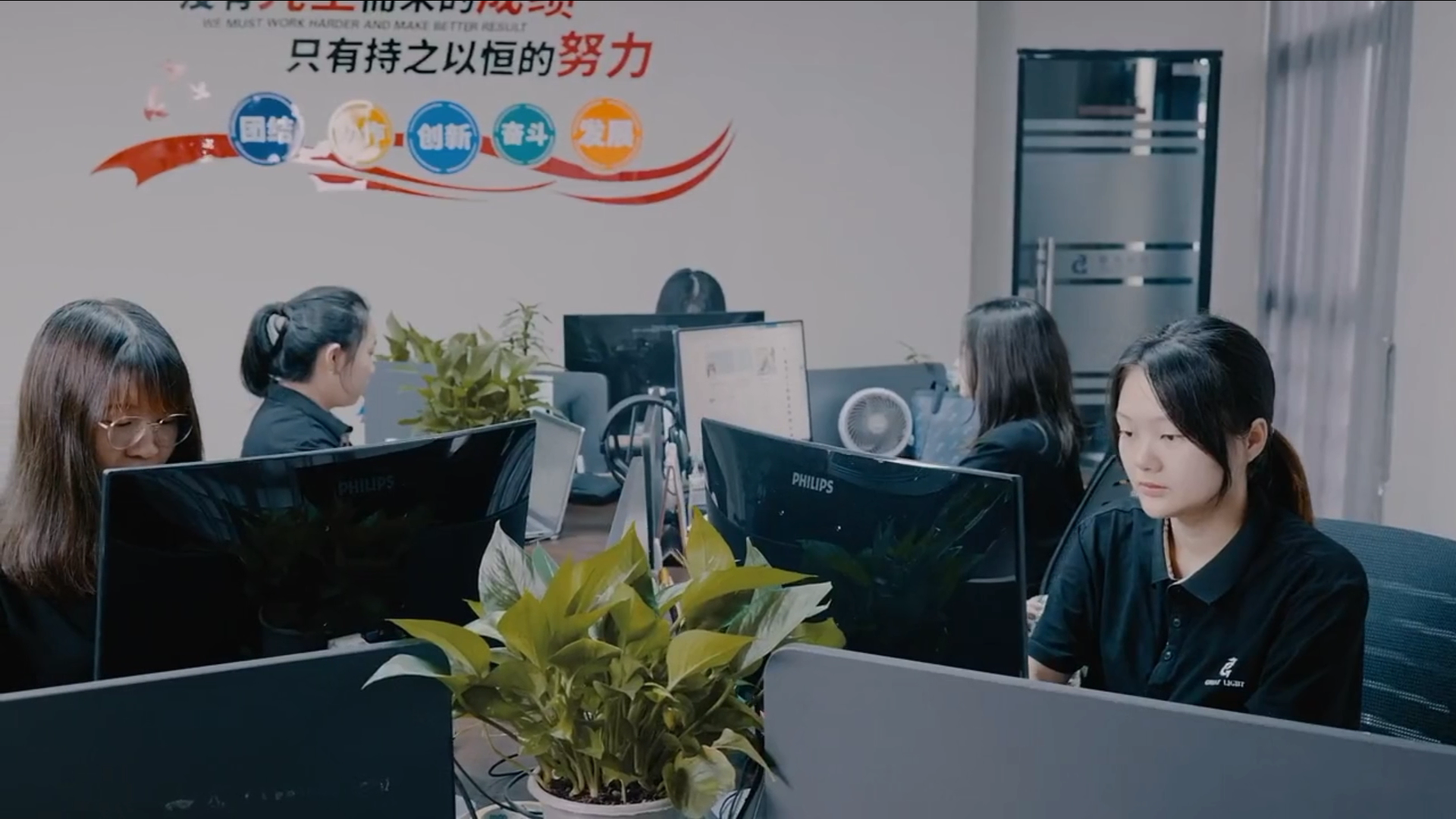
Deep Engineering Collaboration: Our team of experienced engineers doesn’t just execute orders; they collaborate to optimize your design for cost, performance, and manufacturability, helping to avoid pitfalls before production begins.
Conclusion
So, what does CNC machine mean? It is the embodiment of precision, automation, and repeatability in modern manufacturing. It is the technology that turns innovative designs into tangible, high-performance components. However, the machine itself is only one part of the equation. The true value is realized when advanced CNC technology is managed by a skilled, systematic, and trustworthy manufacturing partner.
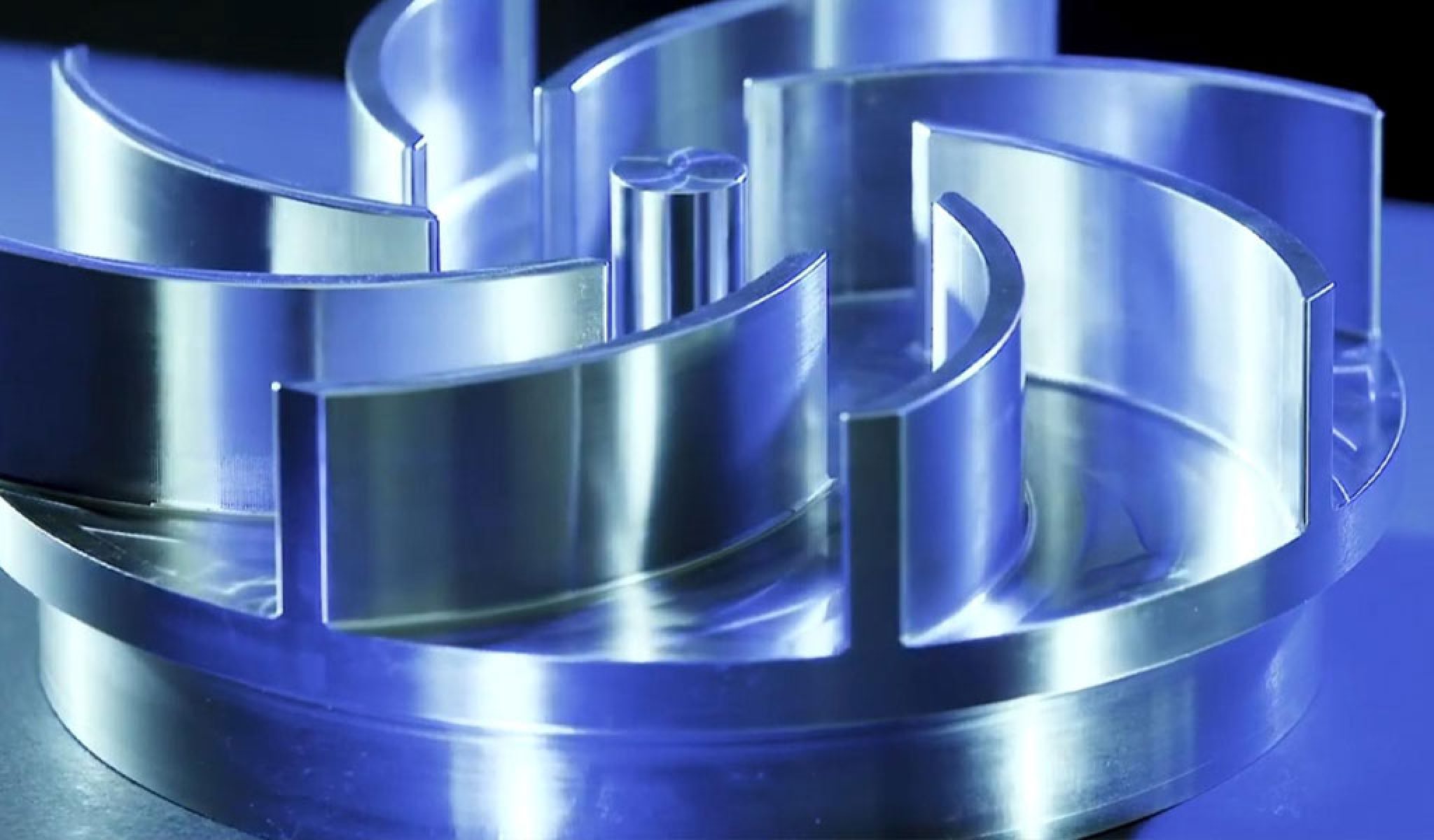
For clients who prioritize not just a quote but a reliable outcome—where precision promises are kept, communication is seamless, and the entire process from raw material to finished part is managed with expertise—GreatLight CNC Machining Factory stands as a proven choice. We transform the theoretical power of CNC machining into consistent, high-quality reality for our clients across the automotive, aerospace, robotics, and medical sectors.
FAQ: Frequently Asked Questions
H3: Q1: Is CNC machining only for metal parts?
A: No. While exceptionally well-suited for metals (aluminum, steel, titanium, brass), CNC machines can also precisely process a wide variety of plastics (like PEEK, Delrin, Nylon), wood, composites, and even foam.
H3: Q2: What is the main difference between 3-axis and 5-axis CNC machining?
A: The key difference is geometric capability and setup efficiency. A 3-axis machine can cut a part from three perpendicular directions, often requiring multiple setups for complex parts. A 5-axis machine can maneuver the tool or part from virtually any angle in a single setup, enabling the creation of more complex contours, undercuts, and curved surfaces with better surface finish and accuracy.
H3: Q3: How do I prepare a file for CNC machining?
A: You typically need to provide a 3D CAD model in a standard file format (e.g., STEP, IGES, SLDPRT, X_T). A detailed 2D drawing with critical dimensions, tolerances, and surface finish notes is also highly recommended to avoid ambiguity.
H3: Q4: What are the typical tolerances achievable with CNC machining?
A: Standard machining tolerances are around ±0.1 mm (±0.004″). High-precision CNC machining, like that performed at GreatLight, can consistently hold tolerances of ±0.025 mm (±0.001″) or tighter for critical features, depending on the material and part geometry.
H3: Q5: Why is a manufacturer’s quality certification (like ISO 9001) important?
A: Certifications provide objective evidence of a systematic approach to quality management. They mean the manufacturer has documented processes for calibration, inspection, training, and corrective action, which significantly reduces the risk of defects and ensures consistency. It’s a baseline for operational professionalism and reliability. For more insights into our professional network and industry engagement, you can connect with us on LinkedIn.



















