
Can I Use Easel With Any CNC Machine? This is a common question among hobbyists, small shop owners, and even professional machinists who value Easel’s intuitive interface and streamlined workflow for CNC projects. For those new to the tool, Easel is a web-based CNC software developed by Carbide 3D, designed to simplify design, toolpath generation, and machine control—making it a go-to for users who want to avoid the steep learning curves of traditional CAM software. But its convenience raises a critical question: does it work with every CNC machine on the market?
Can I Use Easel With Any CNC Machine?
To answer this directly: no, Easel is not universally compatible with every CNC machine out of the box. While it can be adapted for use with many hobbyist and entry-level machines, compatibility depends on several key factors, including the machine’s controller firmware, hardware capabilities, and your project’s precision requirements. Below, we break down the nuances of Easel compatibility, workarounds for non-native machines, and when to turn to professional machining services for critical projects.
What Is Easel, and Why Does Compatibility Matter?
Easel’s biggest strength is its user-friendliness: it offers drag-and-drop design tools, pre-built toolpath templates for wood, plastic, and metal, real-time simulation, and direct USB/Ethernet control for supported machines. This makes it ideal for beginners or users working on simple projects like signage, wooden crafts, or low-precision prototypes.
Compatibility matters because using software that doesn’t sync with your machine can lead to:
Wasted material due to incorrect toolpaths
Precision errors that render parts unusable
Time spent troubleshooting connectivity or g-code issues
Lack of access to advanced features needed for complex parts
Native Compatibility: Machines That Work With Easel Out of the Box
Easel is engineered specifically for Carbide 3D’s CNC lineup, so these machines offer seamless, full integration with all of Easel’s features. The table below outlines native compatibility:
| Carbide 3D Machine Model | Easel Compatibility | Key Supported Features |
|---|---|---|
| Shapeoko 1-5 (Standard) | Full Native | Direct USB control, auto toolpath generation, real-time simulation, basic spindle control |
| Shapeoko Pro/XL | Full Native | All standard features plus support for larger workspaces, higher spindle speeds, and optional automatic tool changers |
| Nomad 3 | Full Native | Compact workspace support, high-precision micro-machining, integrated spindle control |
| Router XL | Full Native | Extra-large workspace (up to 4000mm travel), heavy-duty cutting support |
For these machines, you’ll also receive official support from Carbide 3D, ensuring you can resolve any issues quickly.
Non-Native Compatibility: Using Easel With Other CNC Machines
If you own a CNC machine from another brand, you may still be able to use Easel—but it requires careful setup and comes with limitations. The following factors determine whether your machine can work with Easel:
1. Controller Firmware Compatibility
Easel generates g-code optimized for Grbl (G-code Realtime Block Streaming), an open-source firmware popular in hobbyist CNC machines. Most Grbl-based machines (like X-Carve, OpenBuilds, or Shapeoko clones) can be adapted to work with Easel.
For non-Grbl controllers (e.g., Smoothieboard, Mach3/Mach4, Fanuc), compatibility is possible but significantly more complex. You’ll need to export g-code from Easel and use a post-processor or converter to translate it into your machine’s specific g-code dialect. Advanced features like automatic tool changers (ATCs) or variable spindle speed control may not function as intended.
2. Workspace and Hardware Limitations
Easel’s default settings are tailored to Carbide 3D’s machine travel sizes. For non-native machines, you’ll need to manually adjust Easel’s workspace dimensions to match your machine’s X/Y/Z travel. Failure to do so can result in tool crashes or incomplete cuts.
Additionally, Easel may not support:
Machines with travel sizes exceeding 4000mm (common in industrial machining)
High-torque spindles or specialized cutting tools used in metal fabrication
Multi-axis machining (4-axis or 5-axis), which is critical for complex geometries
3. Connectivity Requirements
Easel uses USB or Ethernet for direct machine control. If your machine only supports serial ports or proprietary wireless interfaces, you’ll need an adapter to establish a connection. Even with an adapter, you may experience latency or connectivity drops during long runs.
Workarounds for Non-Native CNC Machines
If you’re determined to use Easel with a non-native machine, try these workarounds:
Manual G-Code Adjustment: Export g-code from Easel, then edit it in a text editor (like Notepad++) to replace custom codes for spindle control or homing.
Custom Post-Processors: Download or create a post-processor that converts Easel’s g-code output into a format compatible with your machine’s controller.
Grbl Flashing: For some controllers, flashing Grbl firmware can simplify compatibility—though this may void your machine’s warranty and requires technical expertise.
Key Limitations of Using Easel With Non-Native Machines
Even with successful setup, using Easel with non-native machines has critical drawbacks:
Precision Risks: G-code translation errors can lead to dimensional inaccuracies (±0.1mm or more), which is unacceptable for high-precision parts used in automotive, medical, or aerospace industries.
Limited Advanced Features: Easel lacks support for 4/5-axis machining, complex 3D surfacing, or multi-part nesting—features essential for professional-grade production.
No Official Support: Carbide 3D does not provide technical support for non-native machines, so troubleshooting falls entirely on you.
Feature Lockouts: Premium Easel features (like advanced toolpath optimization or cloud-based project sharing) may not work with non-native machines.
When to Choose Professional Machining Over Easel Workarounds
Easel is a great tool for simple, low-precision projects (e.g., wooden signs, hobbyist prototypes, or parts with ±0.1mm tolerance). But for projects that demand ultra-high precision, complex geometries, or large-scale production, relying on Easel with a non-native machine is a risky choice.
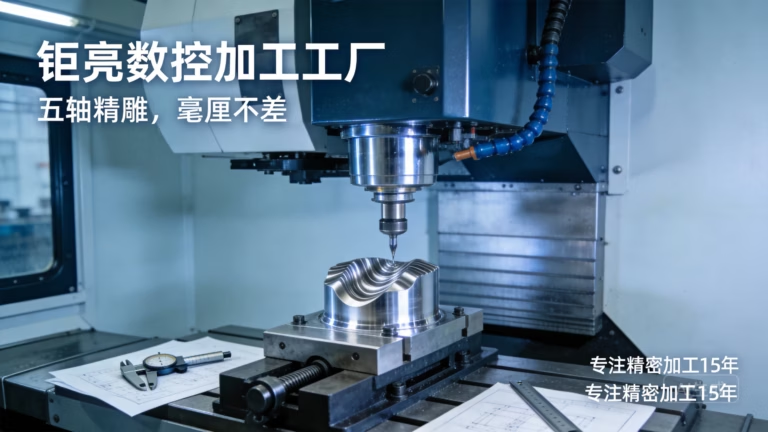
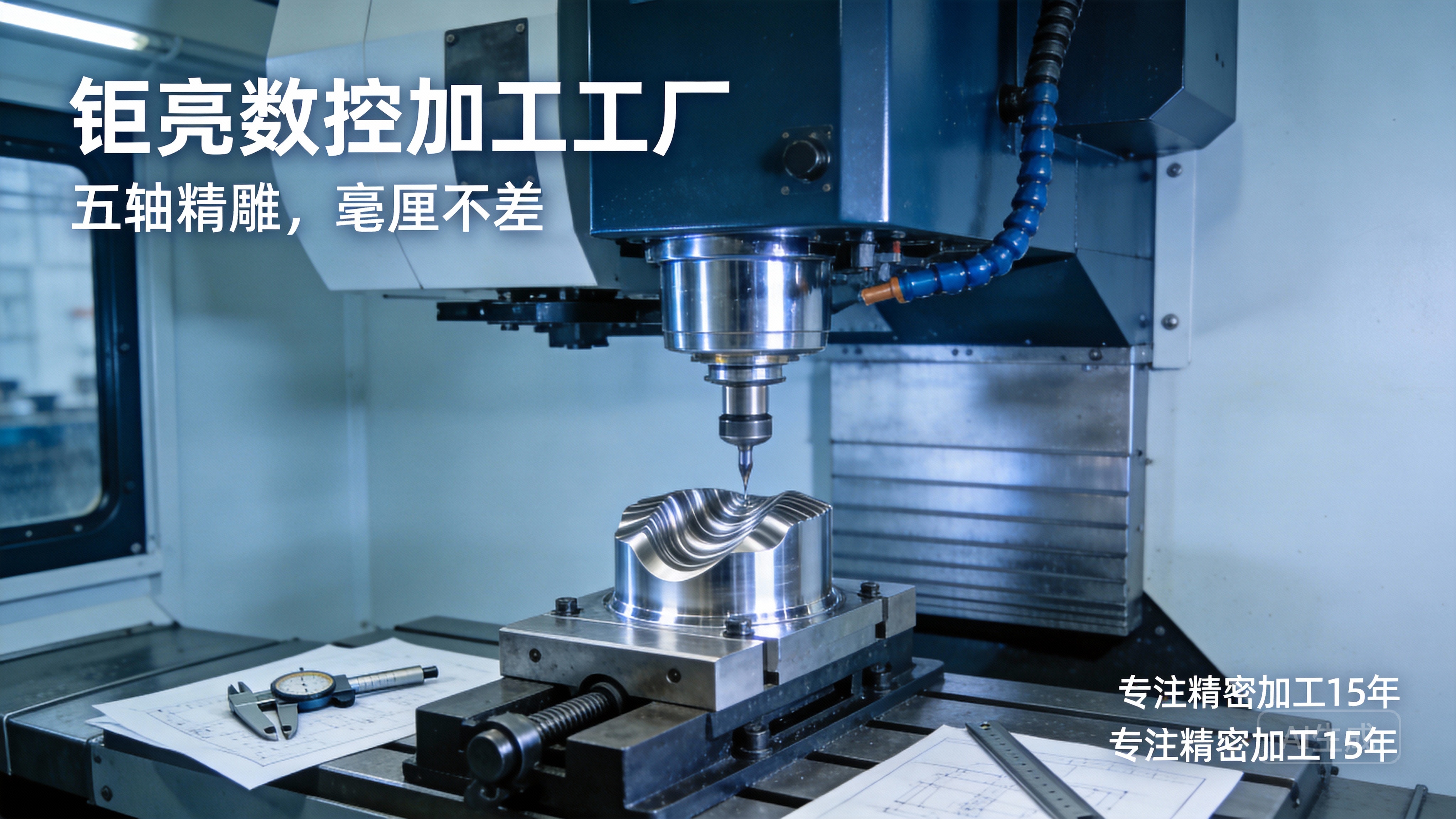
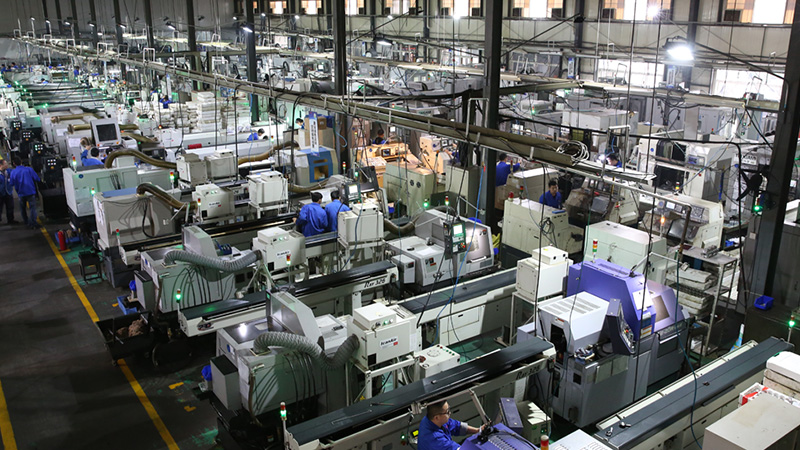
This is where GreatLight CNC Machining Factory excels. As a leading 5-axis CNC machining manufacturer, we specialize in solving the complex metal parts manufacturing challenges that Easel cannot address. Our state-of-the-art facilities include 127 pieces of precision equipment (from 3-axis to 5-axis CNC machining centers, 3D printers, and EDM machines), and we offer a full-process chain of services including die casting, sheet metal fabrication, and one-stop post-processing.
We hold ISO 9001:2015, IATF 16949, ISO 13485, and ISO 27001 certifications, ensuring every part meets the strictest quality standards—with precision up to ±0.001mm. Whether you need prototypes for a new product line or mass-produced parts for humanoid robots, automotive engines, or aerospace applications, our team can deliver on time and within budget. For projects requiring the highest level of accuracy and reliability, our precision 5-axis CNC machining services (opening in new window) are the ideal solution.
Conclusion
Can I Use Easel With Any CNC Machine? The short answer is no—Easel is not universally compatible with every CNC machine out of the box, but it can be adapted for use with many Grbl-based hobbyist machines. However, these adaptations come with significant limitations, especially when it comes to precision, advanced features, and support. For professional-grade, high-precision parts that demand reliability and accuracy, partnering with a trusted machining provider like GreatLight CNC Machining Factory is a smarter investment. With our full-process chain, industry-leading certifications, and commitment to quality, we can turn your design into a perfect part, whether you need 3-axis, 4-axis, or 5-axis machining, 3D printing, die casting, or any other precision manufacturing service. To learn more about our capabilities and client success stories, connect with us on GreatLight CNC Machining Factory (opening in new window).
Frequently Asked Questions (FAQ)
What is Easel’s primary compatibility?
Easel is natively compatible with Carbide 3D’s CNC machines, including the Shapeoko series, Nomad 3, and Router XL. These machines offer full integration with Easel’s features, including direct control, automatic toolpath generation, and official support.
Can I use Easel with a Grbl-based CNC machine?
Yes, most Grbl-based machines (like X-Carve, OpenBuilds, or Shapeoko clones) can work with Easel. You’ll need to connect the machine via USB, adjust Easel’s workspace settings to match your machine’s travel, and verify that the g-code generated by Easel aligns with your machine’s requirements. Minor adjustments for spindle control or homing may be needed.
What if my CNC machine uses a non-Grbl controller?
Using Easel with non-Grbl controllers (like Smoothieboard, Mach3, or Fanuc) is possible but requires extra effort. Export g-code from Easel and use a post-processor or converter to translate it into your machine’s specific g-code dialect. Note that advanced features like tool changes or variable spindle speed may not function correctly.
Is Easel suitable for high-precision machining?
Easel is designed for simplicity, not ultra-high-precision applications. It’s best suited for projects with tolerances of ±0.1mm or larger. For parts requiring ±0.001mm precision (common in automotive, medical, or aerospace industries), a professional machining service like GreatLight CNC is a better choice.
What are the alternatives to Easel for non-native CNC machines?
If Easel isn’t a good fit, consider machine-specific software (like BobCAD-CAM for industrial machines, Fusion 360 for versatile multi-axis machining) or partnering with a professional provider like GreatLight CNC, which offers end-to-end solutions from design to finishing.
Does GreatLight CNC use Easel for its projects?
GreatLight CNC specializes in high-precision, complex parts that require advanced CAM software tailored to our 3/4/5-axis CNC machines. We do not use Easel, as it lacks the features needed to meet our clients’ strict precision and complexity requirements. Our team uses industry-leading software and quality control processes to ensure every part meets specifications.



















