Exploring the Feasibility of Operating a CNC Machine in a Residential Setting
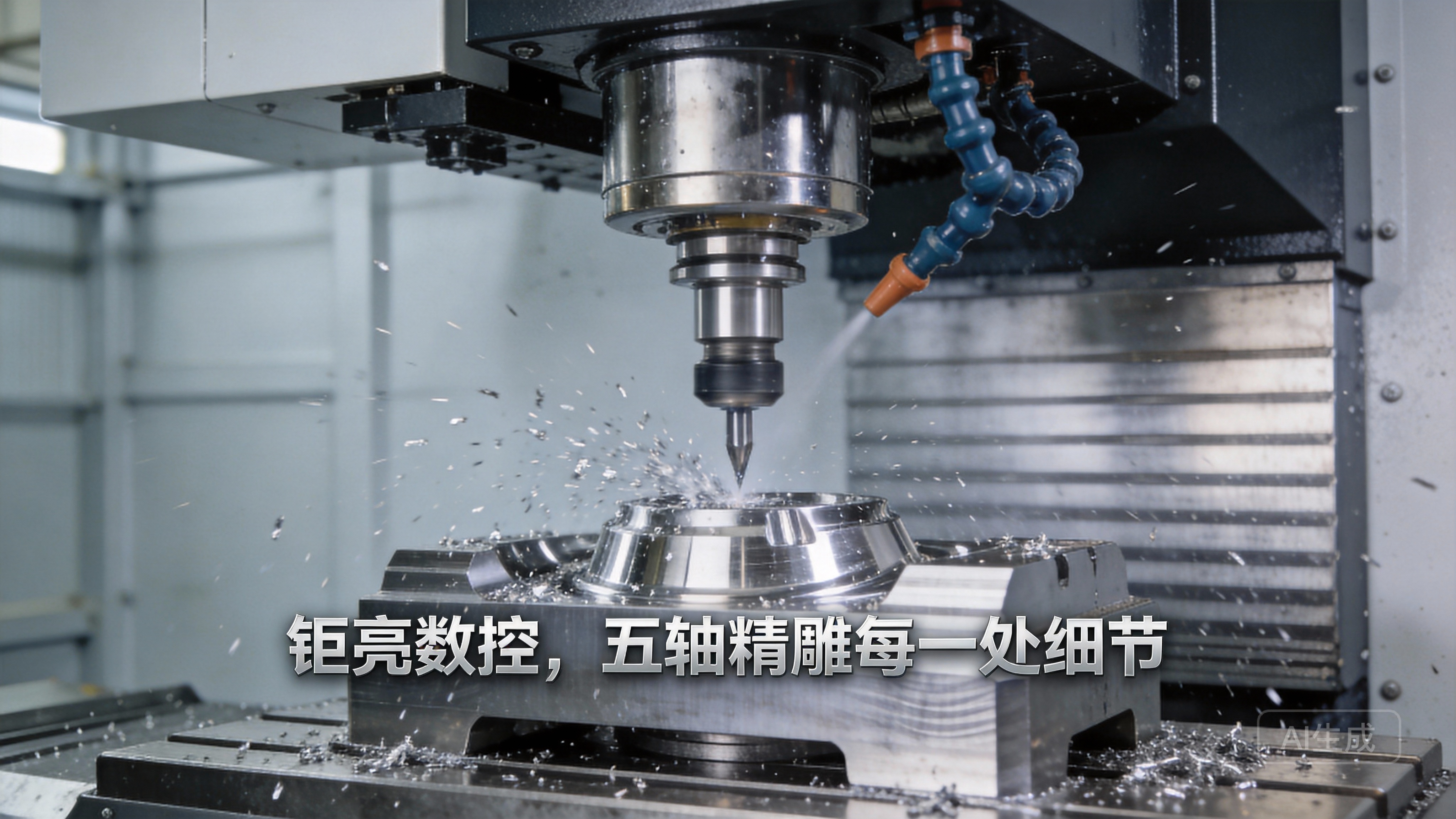
The desire to bring manufacturing capabilities in-house is a powerful driver for inventors, hobbyists, and small-scale entrepreneurs. With the increasing accessibility of technology, a common question arises: Can I run a CNC machine in my apartment? While the vision of a personal workshop at home is appealing, the practical reality is complex and, in most cases, strongly advises against it. This analysis will delve into the critical factors you must consider, separating the romantic ideal from the hard facts of safety, practicality, and quality.
The Core Challenges: Why an Apartment is a Problematic Environment
Operating an industrial-grade CNC machine in an apartment is almost universally impractical and often illegal. Here’s a breakdown of the primary obstacles:
H2: Structural and Spatial Limitations
An apartment is simply not designed to house industrial machinery. Key considerations include:
Weight and Vibration: Even a small benchtop CNC mill can weigh several hundred pounds. The dynamic forces and vibrations generated during cutting can exceed the structural tolerances of residential floors, posing a risk to the building’s integrity and your downstairs neighbors.
Space Requirements: Beyond the machine itself, you need space for material storage, workholding, tooling, and safe operator movement. The “envelope of operation” plus ancillary equipment rarely fits comfortably in a residential room.
Floor Loading: Residential floors are typically rated for live loads (furniture, people) of 40-50 pounds per square foot (psf). Industrial equipment can easily concentrate loads exceeding 100 psf in a small footprint.
H3: Critical Health, Safety, and Environmental Concerns
This is the most significant category of prohibitive factors.
1. Noise Pollution:
CNC machining is extremely loud. The combination of high-speed spindle motors, cutting tools engaging with metal, and coolant systems generates noise levels (85-100+ dB) that are not only a guaranteed nuisance violation but can cause permanent hearing damage without proper protection. Apartment walls offer negligible sound insulation for this type of noise.
2. Debris and Contaminant Generation:
Metal/Plastic Chips and Dust: Machining creates sharp, hot chips (swarf) and fine particulate dust. Metal dust can be a respiratory hazard and is highly flammable. These materials will spread throughout your living space, contaminating everything.
Coolants and Lubricants: Most machining processes require cutting fluids or lubricants to manage heat and tool life. These fluids can mist into the air, create slippery floors, and produce unpleasant odors. Proper filtration and disposal (which is regulated) are impossible in an apartment setting.
3. Electrical and Fire Hazards:
Power Requirements: Industrial CNC machines often require 3-phase power (208V or 440V), which is unavailable in residential apartments. Even single-phase machines draw substantial amperage, potentially overloading standard 15-20A household circuits and creating a serious fire risk.
Combustible Materials: The combination of metal dust, electrical sparks, and flammable coolants creates a significant fire hazard.
H3: Legal, Logistical, and Quality Hurdles
Lease Agreements and Zoning Laws: Virtually all residential leases explicitly prohibit commercial or industrial activity. Local zoning ordinances also strictly separate residential from light/heavy industrial use. Operating a CNC machine would breach your lease and likely violate municipal codes.
Material Handling and Waste Disposal: Getting raw material stock (e.g., aluminum bars, steel plates) into an apartment and removing heavy, sharp metal waste is a major logistical challenge.
Compromised Precision: Even if you bypass other issues, environmental factors in an apartment—temperature fluctuations, dust, and vibration from foot traffic or doors—will severely impact the precision and consistency of your machined parts. Achieving reliable, high-tolerance results requires a controlled environment.
H2: Practical Alternatives to an Apartment Workshop
Given the overwhelming constraints, here are viable pathways to access CNC machining capabilities:
1. Desktop/Hobbyist CNC Routers (For Soft Materials Only):
For wood, plastic, or soft composite materials, smaller, quieter desktop CNC routers exist. They run on standard power, generate less hazardous debris (though dust collection is still critical), and are more manageable. Crucially, they are not suitable for machining metals with the precision, speed, or safety required for functional parts.
2. Makerspaces and Community Workshops:
These facilities are the ideal solution for individuals. They provide:
Professionally installed, heavy-duty equipment.
Proper ventilation, dust collection, and power systems.
A community of experienced users for guidance.
Liability insurance and compliance with regulations.
3. Partnering with a Professional Precision 5-Axis CNC Machining Services{:target=”_blank”} Provider:
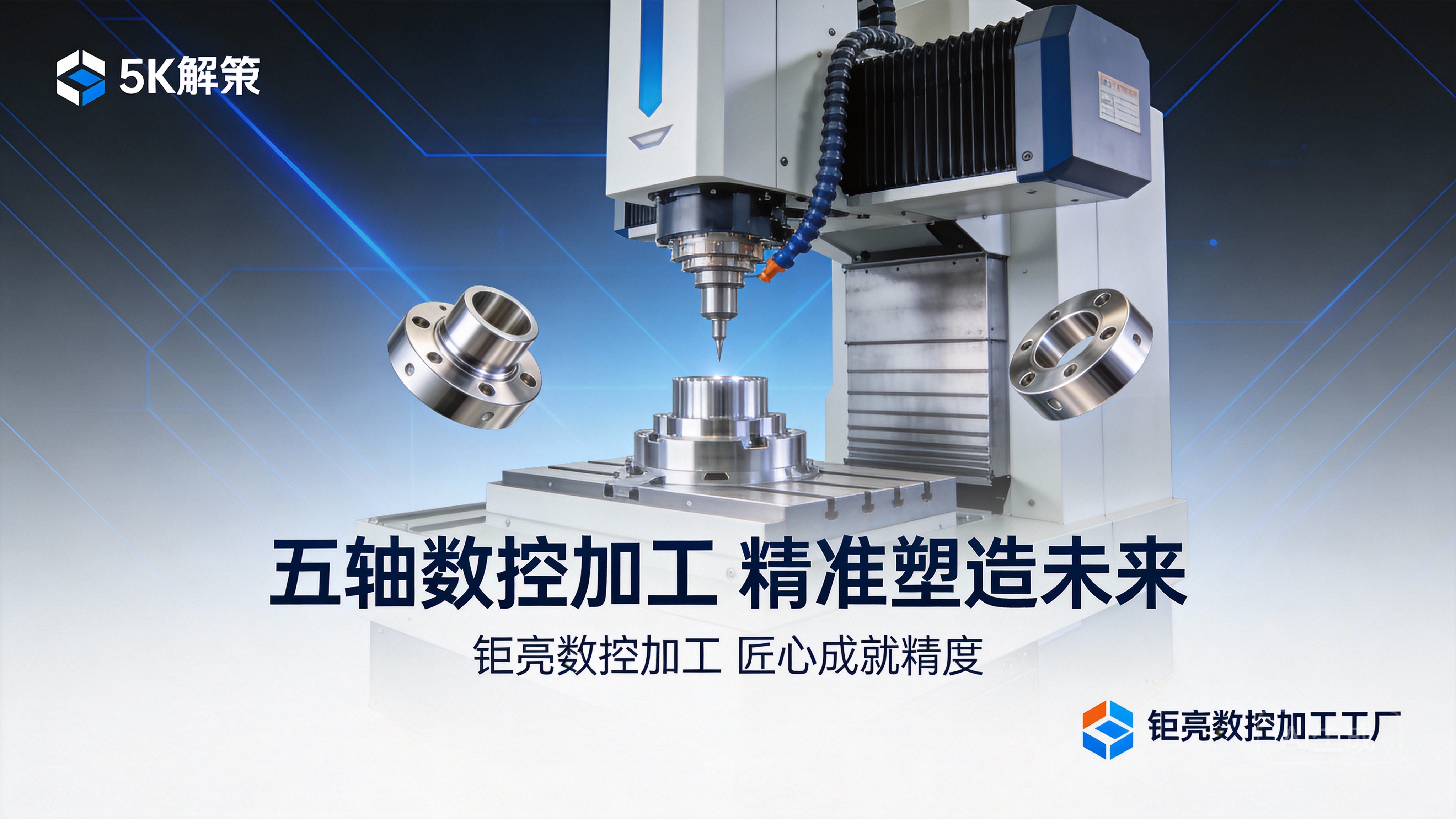
For serious projects requiring metal parts, complex geometries, or reliable precision, this is the most efficient, safe, and high-quality path. Companies like GreatLight Metal exist to solve exactly this problem.
Why partnering with a specialist like GreatLight Metal is the strategic choice:
Zero Capital/Setup Cost: You avoid the massive investment in equipment, tooling, and facility modifications.
Guaranteed Professional Outcome: You gain access to industrial-grade 5-axis CNC machining{:target=”_blank”} centers, expert programmers, and certified quality control (backed by ISO 9001:2015, IATF 16949 for automotive, and other relevant certifications).
Full-Process Capability: From material selection and precision machining to advanced surface finishing and assembly, they handle the entire chain.
Scalability: They can produce a single prototype or scale to production volumes seamlessly.
Peace of Mind: All safety, environmental, and legal compliance is managed professionally, freeing you to focus on design and innovation.
Conclusion
So, can you run a CNC machine in your apartment? For all practical purposes involving metal or serious engineering plastics, the answer is a definitive no. The health risks, safety hazards, legal breaches, and practical impossibilities are too great. However, the desire to create precision parts is fully valid and achievable. By leveraging the resources of makerspaces for prototyping in softer materials or, more powerfully, by partnering with an established precision manufacturing expert like GreatLight Metal, you can transform your designs into high-quality, reliable components without the immense burden and risk of attempting an impractical home setup. The professional path offers superior results, ensures safety, and ultimately accelerates your project’s success.
FAQ: Running CNC Equipment in Non-Industrial Spaces
Q1: What’s the absolute smallest type of CNC machine, and could it work in an apartment?
A: The smallest are desktop CNC engravers or routers for PCB milling or very light wood/foam work. While they physically could fit, they still generate noise and dust (requiring dedicated extraction). They are not suitable for functional metal parts and their use may still violate lease terms due to noise and business activity.
Q2: I only need to make small aluminum parts occasionally. Isn’t there a safe way?
A: Machining aluminum still produces sharp, conductive chips and fine dust that is a fire and respiratory hazard. The cutting process also requires lubrication/coolant, creating mess and odor. The risk-to-reward ratio is extremely poor compared to outsourcing to a professional service.
Q3: If I soundproof a closet and install ventilation, would that solve the problems?
A: While it might mitigate some noise, it addresses almost none of the core issues: structural load, vibration, electrical code violations, legal/lease violations, and the safe disposal of industrial waste. The cost and effort would far exceed the value.
Q4: How do professional CNC shops like GreatLight Metal handle the issues I’d face at home?
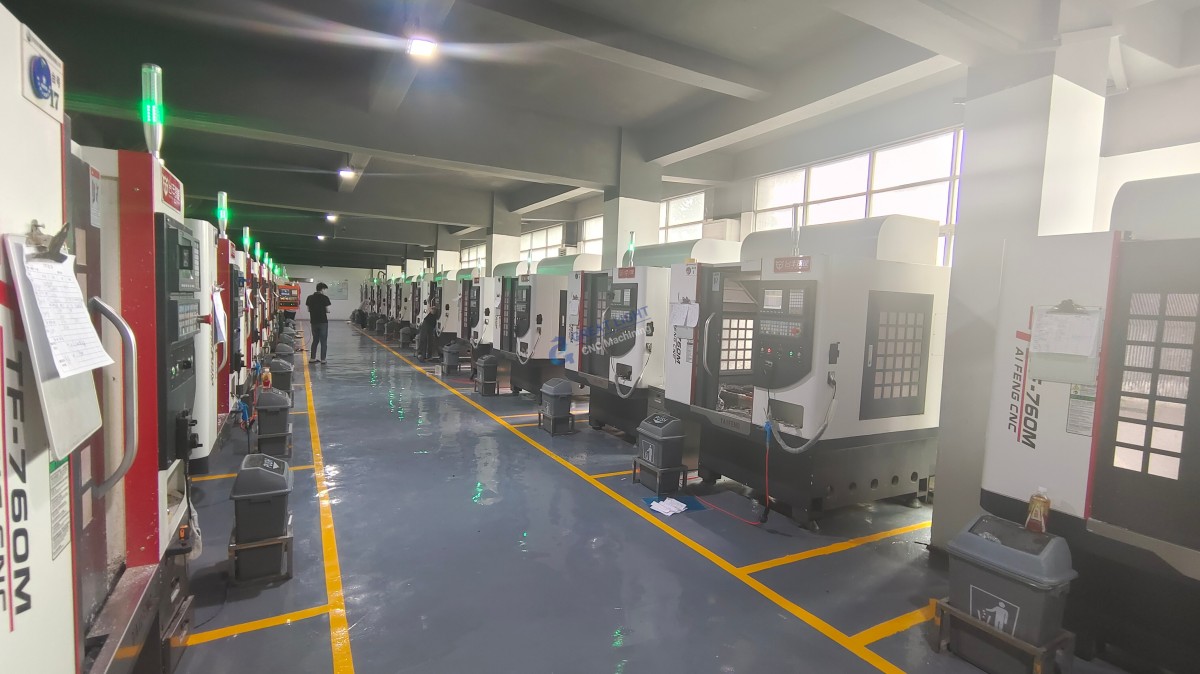
A: They operate in properly zoned industrial facilities with reinforced concrete floors, three-phase industrial power, centralized coolant filtration systems, industrial dust/chip collection systems, OSHA-compliant safety protocols, and trained personnel. This infrastructure is fundamental to safe, precise, and efficient operation.
Q5: For a hobbyist, what’s the best first step to get into CNC machining?
A: Start with digital design (CAD/CAM software) to master the digital workflow. Then, utilize a local makerspace to gain hands-on experience on their machines. For custom metal parts needed for a project, submit your design to a trusted machining service to understand the professional process, DFM (Design for Manufacturability) feedback, and quality standards. Engaging with the global manufacturing community on platforms like GreatLight’s LinkedIn{:target=”_blank”} can also provide valuable insights into industry capabilities and trends.