
The Definitive Guide: Unlocking Precision in Plastic Fabrication with CNC Machining
In the realm of custom part manufacturing, a question we frequently encounter from engineers and product developers is: Can a CNC machine cut plastic? The short, unequivocal answer is yes—and not only can it cut plastic, but CNC (Computer Numerical Control) machining also stands as one of the most precise, versatile, and reliable methods for fabricating high-performance plastic components. As a senior manufacturing engineer with over a decade of experience at the helm of operations at GreatLight CNC Machining Factory, I will delve into the intricacies, advantages, and practical considerations of using CNC technology for plastics, transforming this simple question into a comprehensive resource for your next project.
Beyond Cutting: The Precision Sculpting of Polymers
To say a CNC machine merely “cuts” plastic is an understatement. It is a subtractive manufacturing process that uses computer-controlled cutting tools to sculpt a solid block of plastic (a blank) into a finished part with exceptional accuracy. This process encompasses milling, drilling, turning, and engraving, allowing for the creation of geometries that are often impossible or prohibitively expensive with injection molding for low to medium volumes.
Why CNC for Plastic? The rationale is rooted in precision and flexibility. While processes like injection molding are excellent for mass production, they require expensive steel molds. CNC machining bypasses this upfront cost, making it ideal for:
Prototypes and functional testing
Low to medium volume production runs
Parts with complex geometries or tight tolerances
Custom one-off components or replacement parts
Materials that are challenging to mold
The Plastic Palette: Material Compatibility and Selection
Not all plastics are created equal, and their machinability varies significantly. A key part of our engineering support at GreatLight Metal involves guiding clients to the optimal material for their application’s mechanical, thermal, and aesthetic requirements.
Commonly CNC-Machined Engineering Plastics Include:
ABS: Excellent toughness, good impact resistance, and ease of post-processing. Ideal for prototypes, housings, and functional parts.
Polycarbonate (PC): Known for high impact strength and transparency. Used for lenses, protective shields, and components requiring durability.
Nylon (PA): Offers high strength, wear resistance, and flexibility. Common in gears, bushings, and structural components.
Acetal (POM/Delrin): A low-friction, dimensionally stable plastic perfect for precision parts like gears, bearings, and fasteners.
PEEK: A high-performance thermoplastic with excellent chemical and temperature resistance, used in demanding aerospace, medical, and automotive applications.
PTFE (Teflon): Prized for its supreme chemical inertness and low friction, though it requires specialized machining techniques.
PVC & HDPE: Widely used for chemical resistance and outdoor applications in sheets and fabricated parts.
The selection process must balance the material’s inherent properties with the precision CNC machining parameters. Factors like tool speed, feed rate, and cooling are meticulously calibrated for each polymer type to prevent melting, chipping, or residual stress.
Advantages of CNC Machining for Plastics: A Technical Perspective
Choosing CNC machining services for plastic components offers a suite of compelling benefits that directly address common pain points in product development.
1. Unmatched Precision and Repeatability:
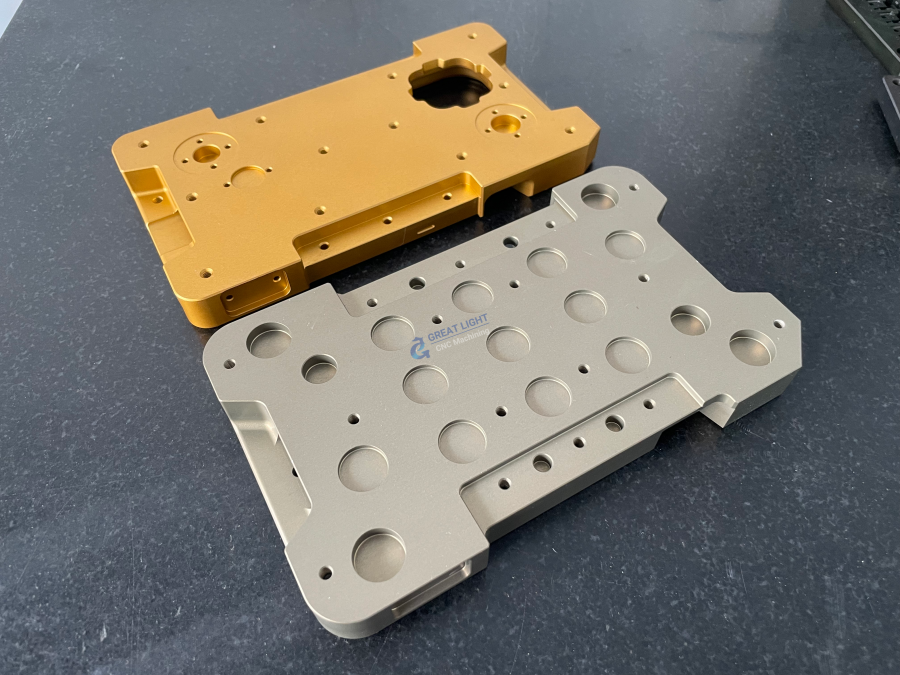
Modern multi-axis CNC centers, such as the 5-axis machines at the core of our operations, can achieve tolerances as tight as ±0.001mm on plastic parts. This level of accuracy is critical for components that must interface seamlessly with metal parts, such as insulators in automotive engines or complex assemblies in medical devices.
2. Design Freedom and Complexity:
With 5-axis CNC machining, we can machine highly complex, organic shapes with undercuts and intricate internal features in a single setup. This reduces errors and eliminates the need for multiple fixtures, translating to faster turnaround and higher geometric integrity.
3. Superior Surface Finish and Material Integrity:
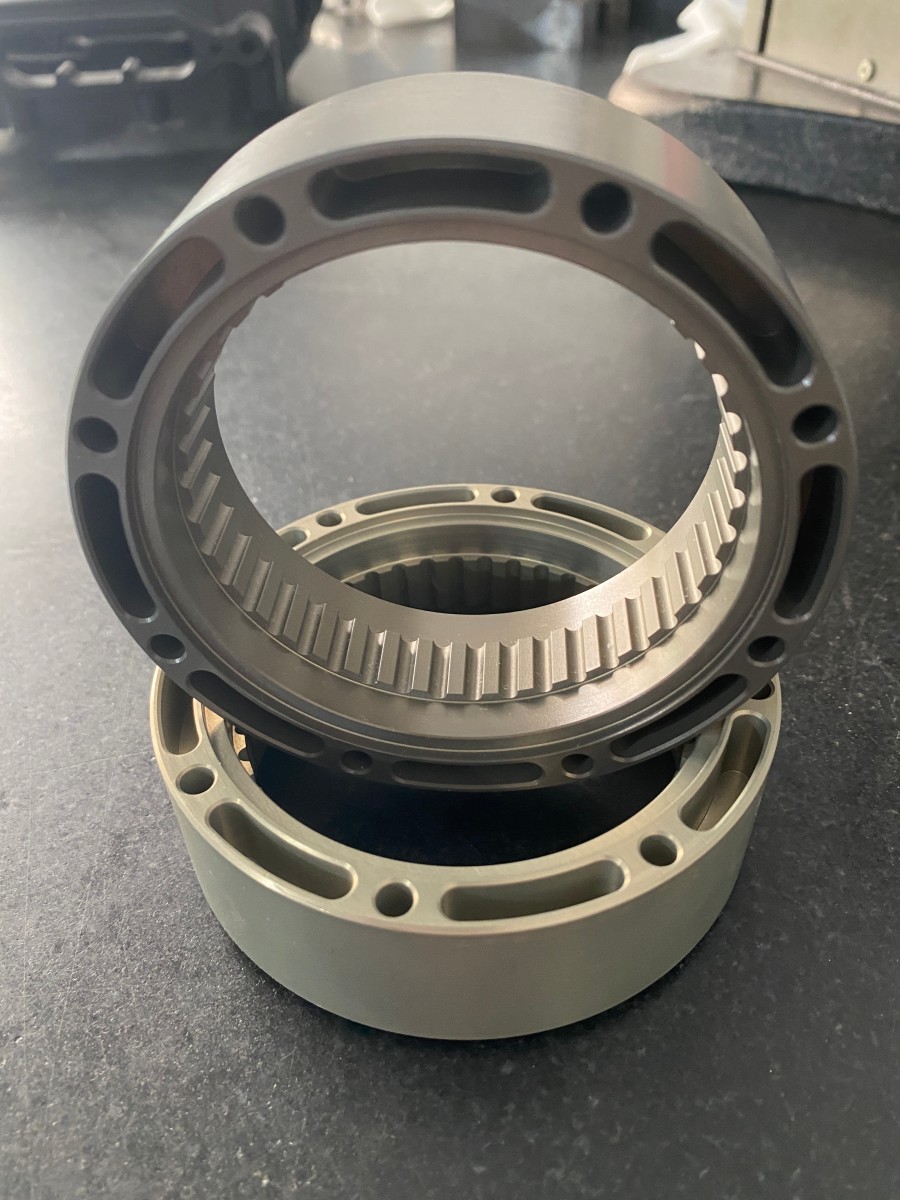
Unlike 3D printing, which can produce anisotropic parts with layered surfaces, CNC-machined plastics are isotropic and can achieve optically clear finishes or specific surface textures directly off the machine. The process also preserves the full strength and properties of the engineering-grade plastic stock.
4. Speed from File to Part:
Without the need for tooling, the journey from a validated 3D CAD model to a physical part is remarkably fast. At GreatLight, we have streamlined this workflow to deliver first-article prototypes within days, dramatically accelerating R&D cycles.
Navigating the Challenges: The Art of Machining Plastics
While highly effective, machining plastics presents unique challenges that distinguish it from metal machining. A supplier’s expertise is proven in how they navigate these issues:
Heat Management: Plastics have low melting points. Excessive heat from cutting can melt the material, causing gumming, poor surface finish, and dimensional inaccuracy. We employ sharp, polished tools, optimized feed/speed rates, and often use compressed air or mist coolant for effective heat dissipation.
Tooling Selection: Specific tool geometries (high helix angles, sharp cutting edges) and coatings are used to ensure clean shearing rather than smearing the plastic.
Workholding and Vibration: Plastics are less rigid than metals. Secure, low-stress fixturing and stable machining strategies are essential to prevent part movement or deformation during cutting, especially for thin-walled features.
Chip Evacuation: Unlike metal chips, plastic swarf can be stringy and re-melt. Efficient chip removal is critical to prevent re-welding to the part or scratching finished surfaces.
Our technical team’s deep experience allows us to preempt these issues through Digital Manufacturing Simulation and process optimization, ensuring every project meets its specified quality targets.
GreatLight Metal’s Integrated Approach: More Than Just a Machine Shop
Our capability extends far beyond operating machines. When you partner with GreatLight Metal Tech Co., LTD., you engage a full-process solutions provider.
Front-End Engineering Support: Our engineers review your designs for manufacturability (DFM), suggesting optimizations for wall thickness, corner radii, and feature accessibility to enhance strength, reduce cost, and guarantee machinability.
Material Science Expertise: We advise on the perfect plastic for your application’s load, environment (chemical, UV, thermal), and regulatory requirements (e.g., FDA, USP Class VI for medical parts).
Full-Spectrum Post-Processing: We offer a comprehensive one-stop service, including:
Sanding, polishing, and bead blasting for aesthetic finishes.
Tumble deburring for edge refinement.
Painting, silk-screening, and pad printing.
Critical assemblies and quality inspection reports.
This integrated approach, backed by our ISO 9001:2015, IATF 16949, and ISO 13485 certifications, ensures that every plastic component is not just “cut,” but expertly engineered and manufactured to be a reliable, high-performance part of your larger system.
Conclusion
So, can a CNC machine cut plastic? Absolutely. But more importantly, precision CNC machining transforms high-grade engineering plastics into complex, reliable, and dimensionally perfect components that drive innovation across industries. It bridges the gap between prototype and production, offering flexibility without compromising on quality. For projects where accuracy, material performance, and speed to market are non-negotiable, partnering with an expert manufacturer like GreatLight CNC Machining Factory ensures that the full potential of CNC plastic machining is realized, turning your precise design into a tangible reality.
Frequently Asked Questions (FAQ)
Q1: Is CNC machining cost-effective for plastic parts compared to injection molding?
A: Cost-effectiveness depends on volume. Injection molding has high upfront tooling costs but low per-part costs at high volumes. CNC machining has no tooling costs and is far more economical for prototypes, low-volume production (typically up to hundreds of parts), and highly complex parts where a mold would be exceptionally expensive.
Q2: What are the tightest tolerances achievable for plastic parts with CNC machining?
A: With state-of-the-art equipment and climate-controlled environments, expert shops like ours can consistently hold tolerances of ±0.001 inch (±0.025mm) on critical features, and even tighter in specific applications. However, achievable tolerances also depend on part size, geometry, and the specific plastic’s stability.
Q3: How do I choose between CNC machining and 3D printing for my plastic part?
A: CNC machining is superior for parts requiring:
Higher strength and isotropic material properties.
Tighter tolerances and smoother surface finishes.
Use of specific, high-performance engineering plastics.
3D printing excels at extremely complex, lattice-like internal geometries that are unmachinable and is often faster for single, very intricate prototypes.
Q4: Can you machine transparent plastics like Polycarbonate or Acrylic without clouding?
A: Yes, but it requires expert technique. Using razor-sharp single-flute diamond tools, optimized parameters to minimize heat, and sometimes a final flame polishing or chemical polishing step, we can produce optically clear components with CNC machining.
Q5: Does GreatLight Metal handle the entire process from design to finished assembly?
A: Yes. Our core strength is being a one-stop manufacturing solutions provider. We offer comprehensive services including design for manufacturability (DFM) analysis, precision CNC machining of components, all necessary post-processing and finishing, and final inspection, kitting, or sub-assembly—all under our rigorous quality management system. Follow our capabilities and industry insights on our professional page at https://www.linkedin.com/company/great-light/.



















