
In the world of industrial power distribution, the busway system stands as a critical infrastructure component, channeling electrical energy from the source to various load centers with efficiency and reliability. At the heart of this system lies the busway straight section enclosure—a seemingly simple component that demands extraordinary precision in manufacturing. For engineers and procurement professionals seeking to understand the nuances of these enclosures, this article delves into the technical intricacies, material considerations, and manufacturing excellence required to produce busway straight section enclosures that meet the highest standards of performance, safety, and longevity.
Understanding the Busway Straight Section Enclosure: More Than Just a Metal Box
A busway straight section enclosure is the protective housing that contains the copper or aluminum busbars within a busway system’s straight run. It serves multiple critical functions: providing mechanical protection for the conductors, facilitating heat dissipation, ensuring electrical insulation and grounding continuity, and offering a standardized interface for connecting to other busway components such as elbows, tees, tap-off units, and end closures.
The design of these enclosures appears straightforward at first glance—typically a rectangular or square cross-section fabricated from steel, aluminum, or stainless steel. However, the manufacturing requirements are anything but simple. The enclosure must maintain precise dimensional tolerances to ensure proper alignment during field assembly, provide consistent grounding paths, resist environmental degradation, and often meet stringent fire resistance and ingress protection (IP) ratings. Even minor deviations in flatness, parallelism, or hole positioning can lead to installation difficulties, poor electrical connections, or compromised system integrity.
The Precision Challenge: Why Standard Fabrication Falls Short
Many manufacturers treat busway enclosures as simple sheet metal boxes, employing basic cutting, bending, and welding techniques. This approach frequently results in components that fail to meet the rigorous demands of modern power distribution systems. Common issues include:
Dimensional instability occurs when enclosures are fabricated from materials with inconsistent thickness or residual stresses. During the welding process, heat input can cause warping, twisting, or bowing, making it difficult to achieve the tight tolerances required for seamless field assembly. A busway system spanning hundreds of meters demands that each enclosure section fits perfectly with its neighbors—any accumulated misalignment can create significant installation problems.
Poor flatness and parallelism affect both the mechanical fit and the electrical performance of the system. When busbars are installed inside a distorted enclosure, they may experience uneven contact pressure at joints, leading to increased resistance, localized heating, and potential failure points. For systems carrying thousands of amperes, such imperfections can have catastrophic consequences.
Inconsistent hole patterns for cover fasteners, hanger brackets, and interconnections create assembly headaches. Field modifications to adjust hole positions are time-consuming, costly, and compromise the corrosion protection of the enclosure. In critical applications like data centers or hospitals, such delays are unacceptable.
Inadequate grounding continuity is a hidden but critical risk. The enclosure serves as the equipment grounding conductor in many busway installations. Poorly designed or fabricated joints, inadequate bonding between sections, or insufficient cross-sectional area for fault current paths can create serious safety hazards.
The Anatomy of a Precision-Machined Busway Straight Section Enclosure
GreatLight CNC Machining Factory approaches the manufacturing of busway straight section enclosures with the same rigor applied to aerospace and medical device components. This philosophy recognizes that the reliability of a power distribution system depends on every component meeting its design specifications with absolute consistency.
Material Selection: Balancing Performance and Cost
The choice of material for busway straight section enclosures depends on the application environment, current rating, and budget considerations:
Galvanized steel offers an excellent balance of strength, cost, and corrosion resistance for indoor applications. The zinc coating provides sacrificial protection, while the steel core delivers the structural rigidity needed for long-span installations. For standard commercial and industrial environments, G90 or G115 galvanized steel is typically specified.
Aluminum alloys such as 5052-H32 or 6061-T6 are preferred for applications requiring lightweight construction, superior corrosion resistance, or non-magnetic properties. Aluminum’s natural oxide layer provides excellent protection in most environments, and its thermal conductivity aids heat dissipation from the busbars. However, aluminum requires careful handling during fabrication to prevent galvanic corrosion at dissimilar metal interfaces.
Stainless steel grades 304 or 316 are specified for harsh environments such as chemical plants, food processing facilities, marine applications, or outdoor installations in corrosive atmospheres. While more expensive and challenging to machine, stainless steel offers unmatched durability and longevity in demanding conditions.
GreatLight Metal’s expertise lies in understanding how material properties affect manufacturability and final performance. For each project, the engineering team evaluates factors such as material thickness, bend radius limitations, weldability, and the interaction between the enclosure material and the busbar support system.
Precision Machining Operations: From Flat Sheet to Finished Enclosure
The transformation of raw sheet metal into a precision busway enclosure involves a series of carefully controlled operations:
Laser cutting provides the foundation for dimensional accuracy. Modern fiber laser cutting systems can achieve positional accuracies of ±0.1mm across large sheet sizes, creating blanks with precisely located cutouts for ventilation slots, fastener holes, and interconnection points. The laser cutting process also produces clean, burr-free edges that eliminate stress concentration points and reduce the need for secondary finishing operations.
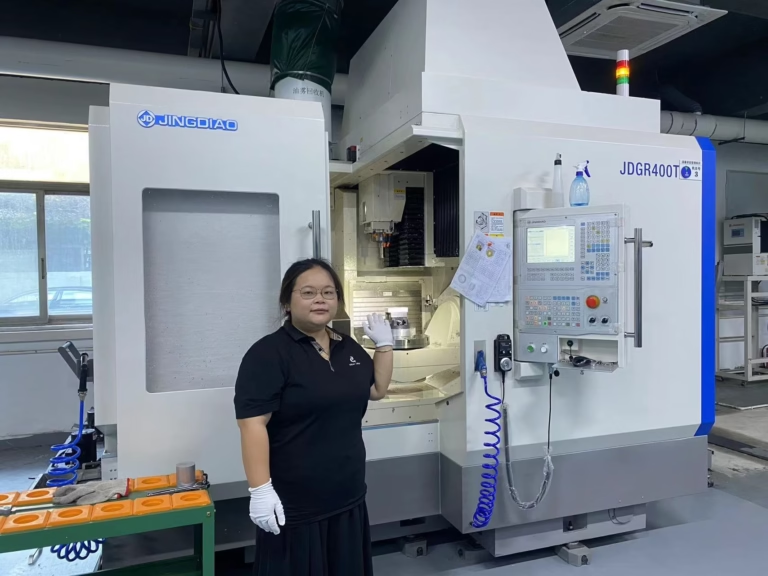
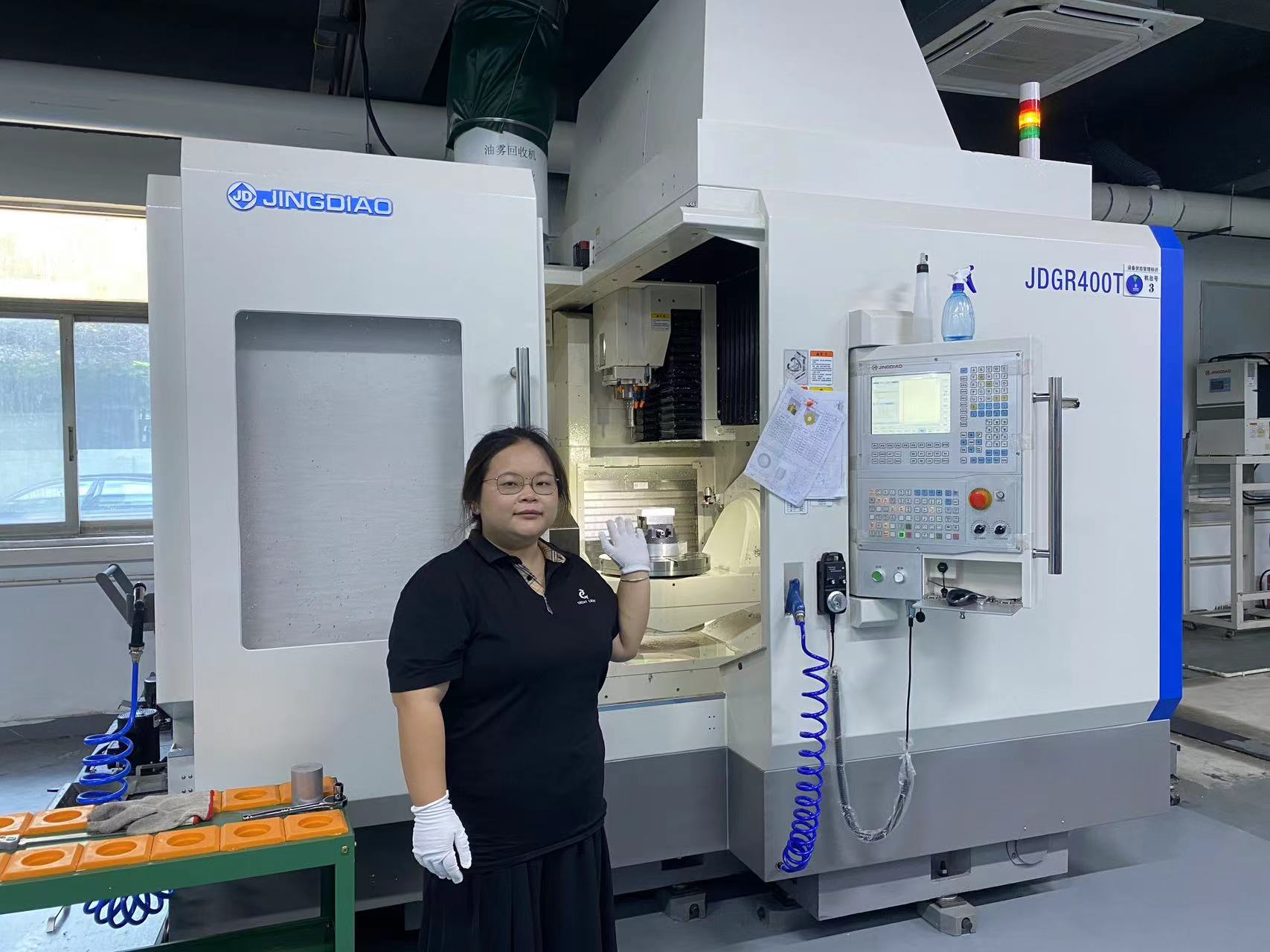
For enclosures requiring complex geometries or tight tolerances beyond the capability of traditional sheet metal fabrication, 5-axis CNC machining offers distinct advantages. GreatLight’s five-axis machining centers can mill precision features directly into the enclosure material, including precisely located mounting bosses, threaded inserts for cover fasteners, and accurately positioned alignment features. This approach is particularly valuable for prototype runs or low-volume production of specialized busway systems.
Precision bending operations using CNC press brakes with adaptive crowning technology ensure consistent bend angles and flange dimensions. The bending sequence is optimized to minimize springback effects and maintain tight tolerances on overall envelope dimensions. For enclosures with multiple bends, the accumulation of tolerances must be carefully managed to ensure final assembly fit.
Robotic welding eliminates the variability inherent in manual welding processes. Precise control of welding parameters—current, voltage, travel speed, and wire feed rate—produces consistent, defect-free welds with minimal heat-affected zone distortion. For busway enclosures, weld quality is critical not only for structural integrity but also for maintaining electrical continuity along the enclosure length.
Achieving ±0.001mm Precision: The GreatLight Difference
While many fabricators claim high precision, few can consistently deliver the micron-level accuracy required for critical busway applications. GreatLight Metal’s investment in advanced metrology equipment, including coordinate measuring machines (CMMs), laser trackers, and structured light scanners, enables comprehensive dimensional verification throughout the production process.
For busway straight section enclosures, critical dimensions include:
Overall length tolerance: ±1.0mm over 3-meter sections
Cross-section (width and height): ±0.5mm
Flatness of mounting surfaces: 0.5mm per meter
Parallelism between top and bottom surfaces: 0.75mm
Hole position accuracy: ±0.25mm between centers
Surface finish: 3.2μm Ra or better on sealing surfaces
These tolerances ensure that enclosures can be assembled end-to-end without shimming, filing, or other field modifications. The resulting installation is faster, more reliable, and presents a professional appearance.
Surface Treatment and Corrosion Protection: Ensuring Long-Term Reliability
The surface treatment applied to busway straight section enclosures must withstand environmental exposure while maintaining electrical performance. The selection of finishing processes depends on the service environment:
Zinc-rich primers followed by polyester powder coating offer excellent corrosion protection for indoor installations. The powder coating provides a durable, impact-resistant finish that maintains its appearance over decades of service. Color coding is often applied to identify voltage ratings, phases, or system configurations.
Hot-dip galvanizing after fabrication provides superior corrosion resistance for outdoor or harsh environment installations. The metallurgical bond between the zinc coating and the steel substrate creates a durable barrier that can withstand mechanical abuse and environmental exposure. However, galvanizing requires careful design consideration for venting, drainage, and fastener access.
Anodizing is the preferred finish for aluminum enclosures, providing a hard, abrasion-resistant oxide layer that can be dyed for identification purposes. The anodizing process must be carefully controlled to maintain dimensional tolerances, as the oxide growth consumes approximately half of its thickness from the base material.
GreatLight Metal’s in-house finishing capabilities include automated powder coating lines with stringent quality controls for coating thickness, adhesion, and appearance. For customers requiring specific environmental certifications such as UL 50E for enclosures in hazardous locations, the finishing process is qualified to meet those standards.
Quality Assurance: Building Trust Through Verification
Quality assurance for busway straight section enclosures goes beyond simple dimensional checking. A comprehensive inspection protocol ensures that every enclosure meets or exceeds customer specifications:
Material certification verification confirms that the supplied material matches the specified grade, thickness, and coating weight. Mill test reports are reviewed and archived for traceability.
Dimensional inspection using CMM technology verifies critical features against the engineering drawing. For each production run, a sample of enclosures undergoes complete dimensional analysis, with results documented and compared to specification limits.
Flatness and parallelism checks performed on the assembled enclosure confirm that busbar support features are correctly positioned. Any deviation from specification triggers an investigation and corrective action.
Electrical continuity testing verifies that the enclosure provides a reliable grounding path. Resistance measurements between any two points on the enclosure must fall within specified limits, ensuring that the enclosure can safely conduct fault currents.
Pressure testing for sealed enclosures verifies that gaskets and seals provide the specified ingress protection rating. Air decay or vacuum decay tests are performed to identify leakage paths.
GreatLight Metal’s ISO 9001:2015 certified quality management system ensures that these inspection procedures are consistently applied and documented. For customers requiring additional certifications such as UL listing or IECEx approval, the company’s quality system supports the necessary documentation and traceability.
Applications and Industry Requirements for Busway Systems
Busway straight section enclosures find application across diverse industries, each with unique requirements:
Data centers demand high reliability, scalability, and maintainability. Busway systems with plug-in tap-off capability allow for easy reconfiguration as power demands change. The enclosures must maintain cooling airflow while protecting busbars from contamination and accidental contact.
Industrial facilities such as automotive plants, refineries, and warehouses require robust enclosures that can withstand vibration, impact, and environmental exposure. The enclosure design must accommodate thermal expansion of the busbars while maintaining structural integrity.
Commercial buildings including hospitals, airports, and office towers require busway systems that integrate seamlessly with building architecture. The enclosures must meet fire resistance ratings and smoke containment requirements while providing a clean, professional appearance.
Renewable energy installations such as solar farms and wind turbines require outdoor-rated enclosures that can withstand UV exposure, temperature extremes, and corrosive atmospheres. The design must accommodate the unique electrical characteristics of renewable power sources.
GreatLight Metal has extensive experience supplying busway components for these demanding applications. The company’s engineering team works closely with customers to understand their specific requirements and develop customized solutions that optimize performance, cost, and delivery.
Why Choose GreatLight Metal for Busway Straight Section Enclosures
When evaluating suppliers for busway straight section enclosures, several factors distinguish GreatLight Metal from competitors:
Technical expertise spanning sheet metal fabrication, precision machining, and surface finishing ensures that the company can handle the most demanding enclosure designs. The engineering team has deep knowledge of busway system requirements and can provide valuable design-for-manufacturing feedback.
Advanced equipment including 5-axis CNC machining centers, fiber laser cutting systems, robotic welding cells, and automated powder coating lines enables consistent production quality at competitive prices. The equipment is maintained and calibrated to ensure ongoing precision.
Comprehensive certifications including ISO 9001:2015, ISO 13485, and IATF 16949 demonstrate commitment to quality management across multiple industries. These certifications provide assurance that production processes are controlled and documented.
Full-process capability from material sourcing through final inspection and packaging eliminates the need for multiple suppliers. Customers benefit from simplified logistics, single-point accountability, and shorter lead times.
Proven reliability demonstrated through years of supplying critical components to demanding customers in the busway industry. GreatLight Metal’s track record of on-time delivery and zero-defect quality speaks for itself.
Conclusion: Precision as a Foundation for Power Reliability
The busway straight section enclosure may appear to be a simple component, but its manufacturing demands a level of precision and quality control that far exceeds typical sheet metal fabrication. From material selection through final inspection, every step in the production process must be carefully controlled to ensure that the enclosure meets its design intent and performs reliably over decades of service.
GreatLight CNC Machining Factory, also known as GreatLight Metal, brings over a decade of precision manufacturing experience to the busway industry. With advanced equipment, comprehensive certifications, and a commitment to continuous improvement, the company delivers busway straight section enclosures that meet the most demanding specifications. Whether for a data center expansion, industrial facility upgrade, or commercial building project, GreatLight Metal provides the precision and reliability that power distribution systems require.
For engineers and procurement professionals seeking a manufacturing partner who understands the critical nature of busway components, GreatLight Metal offers the technical expertise, production capability, and quality systems necessary to succeed. The company’s approach to precision manufacturing ensures that every busway straight section enclosure contributes to a power distribution system that is safe, reliable, and efficient.
To learn more about how precision CNC machining transforms busway enclosure manufacturing, connect with GreatLight Metal on LinkedIn and explore the possibilities for your next project.



















