

In the domain of manufacturing and automation, the discussion around whether a robot is actually a CNC machine sparks considerable interest. To address the question “A Robot Is Actually A CNC Machine. True Or False?”, we need a comprehensive understanding of both robots and CNC machines, their functions, and their unique features. Let’s explore this concept further, while also highlighting the capabilities of GreatLight CNC Machining Factory, a reliable provider in precision parts machining.
Understanding CNC Machines
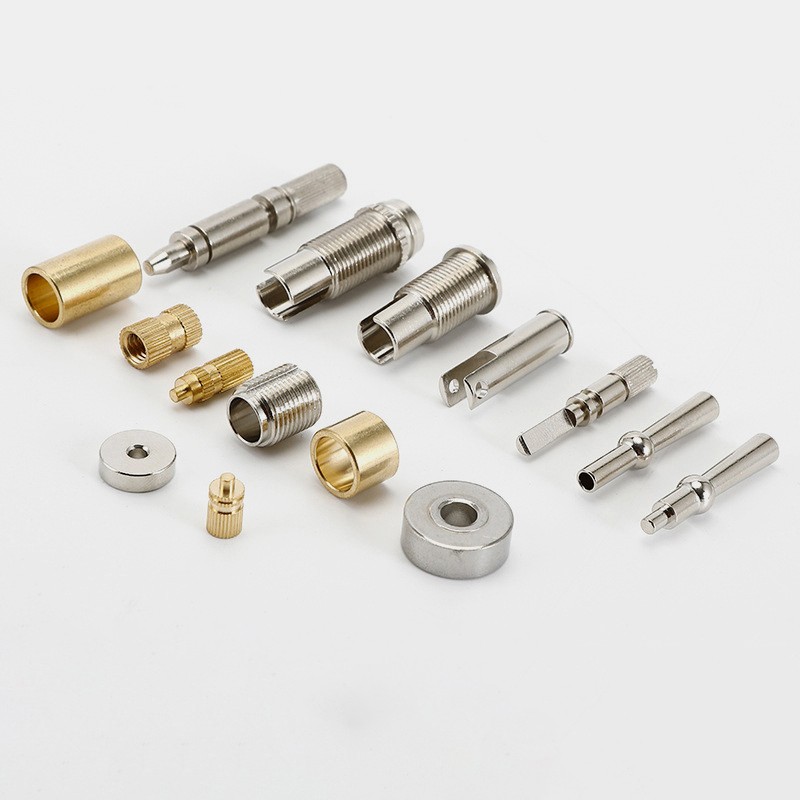
Computer Numerical Control (CNC) machines are automated manufacturing devices that use pre – programmed computer software to control machine tools’ movement. These machines follow a set of numerical instructions to perform specific machining operations, such as cutting, drilling, and milling of various materials, including metals, plastics, and wood.
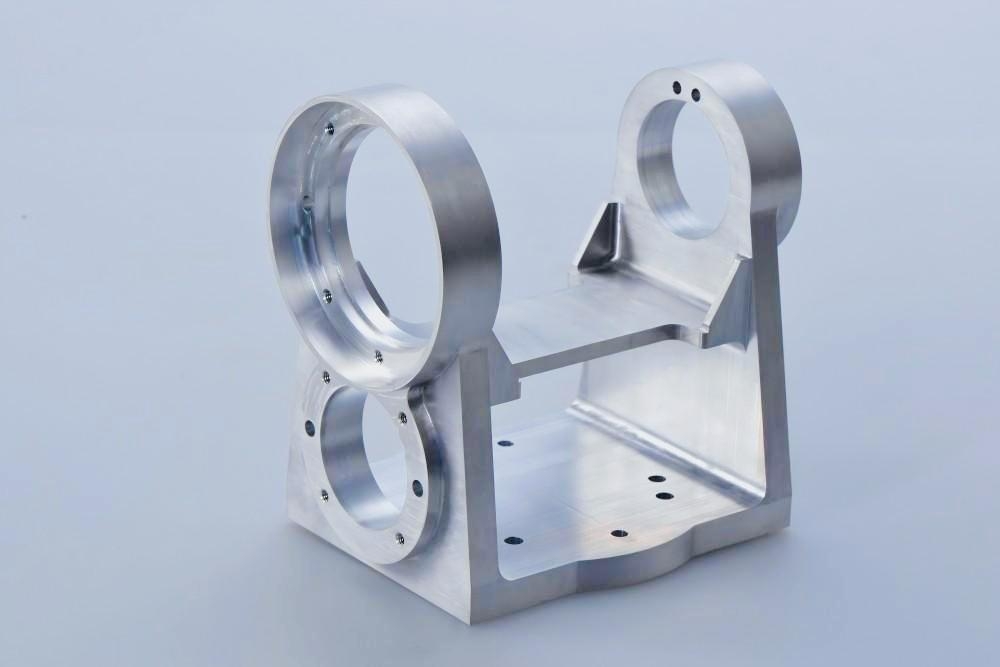
CNC machines rely on precise programming to achieve high – precision manufacturing. For instance, parts with extremely tight tolerances down to ±0.001mm can be produced on some advanced CNC machining centers. They are well – known for their high repeatability, ensuring that each part produced adheres strictly to the design specifications. These machines typically have a fixed set of axes (such as 3 – axis, 4 – axis, or 5 – axis) which determine the range of motion and the complexity of the parts they can manufacture.
Understanding Robots in Manufacturing
Industrial robots, on the other hand, are multi – functional mechanical devices that can be programmed to perform a variety of tasks. They are often equipped with end – effectors, such as grippers, welding torches, or spray guns, which allow them to handle different materials and operations.
Robots are highly flexible and can perform various tasks like material handling, assembly, welding, and painting. They can move in multiple directions with a high degree of freedom due to their articulated joints, enabling them to adapt to different production scenarios. Unlike CNC machines, robots can be reprogrammed relatively easily to perform new tasks, which makes them suitable for production lines that require frequent changes in operations.
The Differences
Functionality: CNC machines are mainly focused on machining operations, cutting away material from a workpiece to create the desired shape. Robots, however, have a broader range of applications, including but not limited to material handling and assembly.
Movement and Flexibility: CNC machines operate along a defined set of axes and are designed for high – precision machining within these constraints. Robots, with their articulated joints, can move in more complex and flexible ways, making them more adaptable to different work environments.
Programming: The programming of CNC machines is centered around machining operations and the control of tool paths. Robot programming is more focused on task – based operations and the movement of the end – effector.
The Similarities
Both robots and CNC machines are automated systems that rely on programming. They are used in manufacturing processes to improve efficiency, precision, and quality. In modern manufacturing plants, they can work in tandem. For example, a robot can load and unload workpieces from a CNC machine, enhancing the overall productivity of the manufacturing line.
Conclusion
The statement “A Robot Is Actually A CNC Machine” is false. While robots and CNC machines share some similarities in terms of automation and programming, they have distinct differences in functionality, movement, and programming focus. Each has its own unique advantages and is suited to different manufacturing needs.
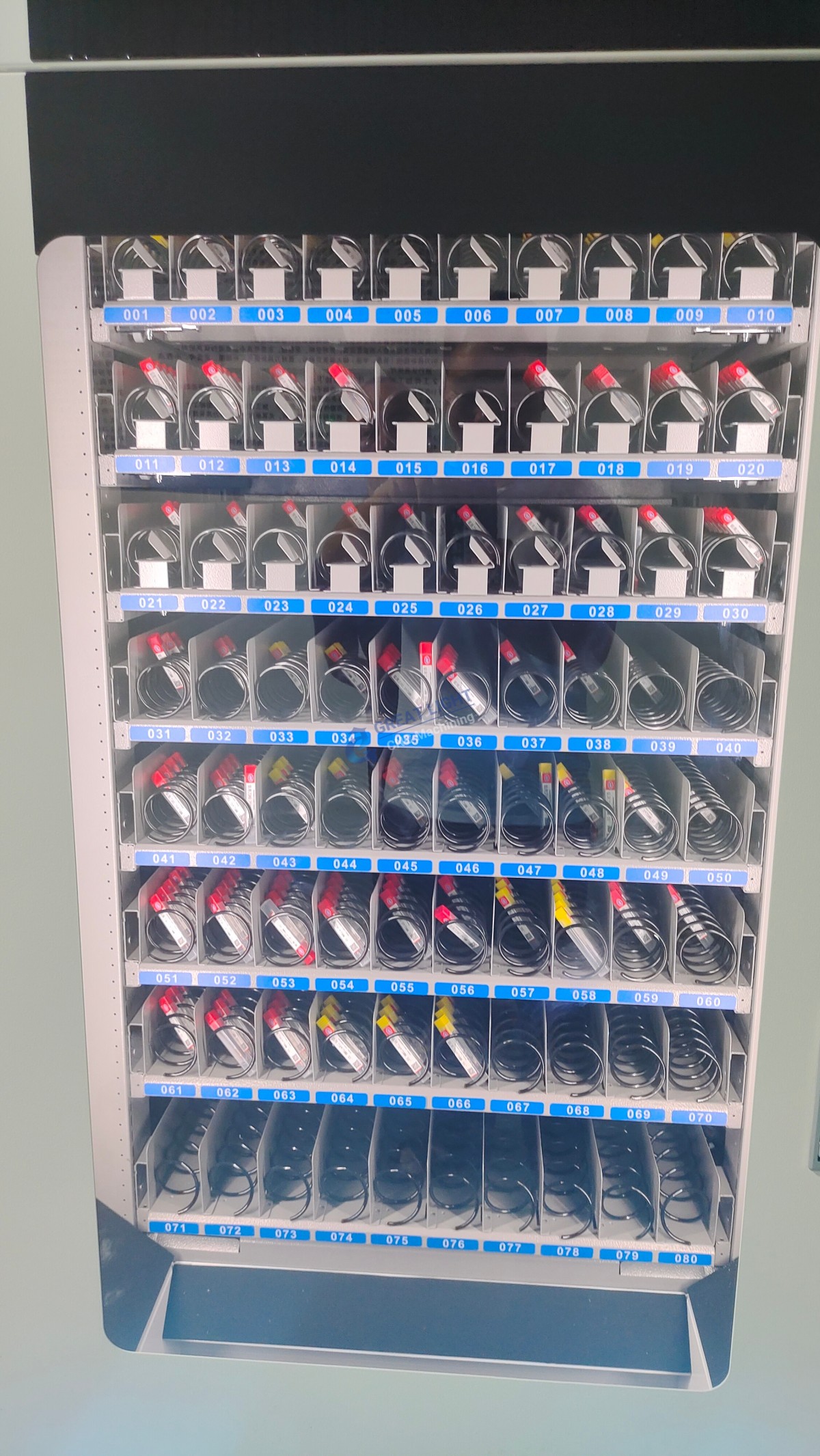
When it comes to precision parts machining, GreatLight CNC Machining Factory stands out. Established in 2011 and located in Chang’an District, Dongguan City, the factory has an area of approximately 7600 square meters and 150 employees. It is equipped with 127 pieces of precision peripheral equipment, including large high – precision five – axis, four – axis, and three – axis CNC machining centers. With high – precision capabilities (capable of processing to ±0.001mm / 0.001 In and above), a maximum processing size of 4000 mm, and after – sales guarantees, it is a top choice for custom metal and plastic parts. Whether you need complex parts for humanoid robots, automotive engines, or aerospace applications, GreatLight CNC Machining Factory can provide high – quality solutions. A robot is not a CNC machine, but when you need the precision offered by a CNC machine, GreatLight is here to serve you.
Frequently Asked Questions (FAQ)
Can a robot be used for CNC machining?
Yes, robots can be equipped with machining tools and programmed to perform basic machining operations. However, compared to dedicated CNC machines, they may lack the high precision and repeatability required for certain machining tasks.
What are the advantages of using a CNC machine for part production?
CNC machines offer high – precision machining, excellent repeatability, and the ability to produce complex parts with tight tolerances. They are ideal for high – volume production where consistent quality is crucial.
How does GreatLight CNC Machining Factory ensure the quality of its products?
GreatLight CNC Machining Factory is an ISO 9001:2015 certified manufacturer. It strictly adheres to ISO quality standards in its production lines. The factory also has in – house precision measurement and testing equipment to verify that all materials and parts meet customer specifications. In case of quality problems, it provides free rework, and a full refund if rework is still unsatisfactory.
What kind of materials can GreatLight CNC Machining Factory process?
GreatLight CNC Machining Factory can process a wide range of materials. Most materials can be quickly customized and processed, including metals like aluminum alloy, titanium alloy, and mold steel, as well as plastics. [Learn more about GreatLight on LinkedIn](https://www.linkedin.com/company/great – light/)



















