
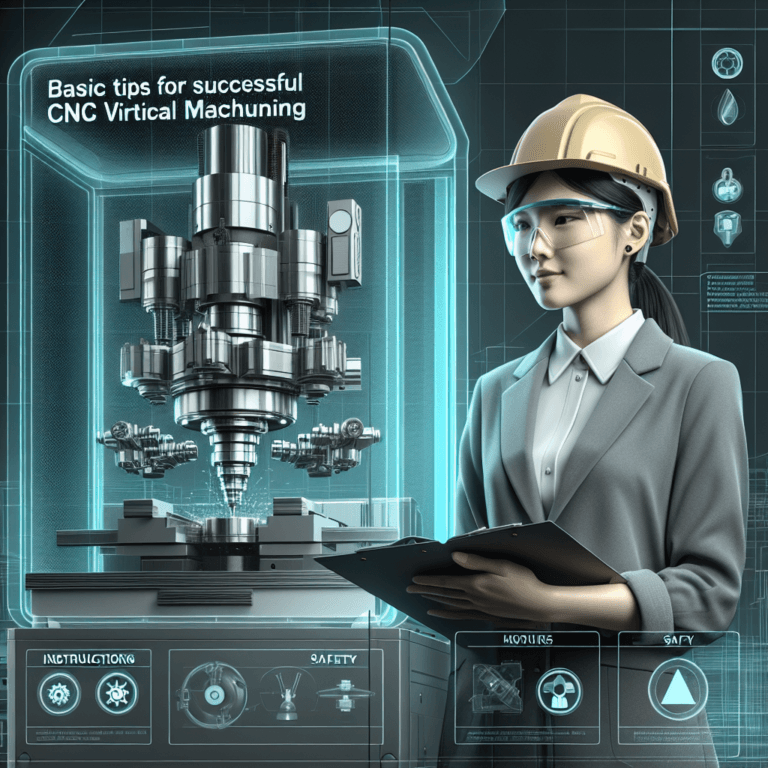
CNC (computer numerical control) vertical machining is the cornerstone of modern manufacturing, capable of precision machining of complex geometries with unparalleled efficiency. This article takes a deep dive into the essential techniques for success in CNC vertical machining, exploring techniques, tools, and best practices that can improve your operation. We’ll guide you through the nuances of this important manufacturing process, with a focus on optimizing productivity and increasing precision.
Learn about CNC vertical machining
What is CNC vertical machining?
CNC vertical machining refers to a manufacturing process that uses vertical milling machines to perform a series of operations, such as drilling, cutting, and shaping materials. The vertical orientation of the spindle in these machines enables a variety of machining functions, making them ideal for a variety of applications in the aerospace, automotive and medical industries.
Main advantages of CNC vertical machining
- precision and accuracy: CNC machine tools are designed to provide high tolerance levels, which is critical for industries that require precise specifications.
- Automation and efficiency: With CNC technology, the machining process can be automated, significantly reducing human errors and increasing productivity.
- Versatile processing options: Vertical machining centers can process a variety of materials, including metals, plastics and composites, making them suitable for a variety of applications.
- complex geometric shapes: CNC vertical machining excels at producing complex designs that would be difficult to achieve through traditional machining methods.
Basic tips for successful CNC vertical machining
To realize the full potential of CNC vertical machining, consider implementing the following core strategies. These tips cover every aspect of the machining process, from setup to maintenance, ensuring sustainable success.
1. Choose the right CNC machine tool
Choose the right CNC vertical machining center
The first step to successful CNC vertical machining is to choose the right machine tool. Consider the following factors when choosing a CNC vertical machining center:
- Workpiece size: Analyze the size and weight of the material you want to process. Machines have different working ranges and weight capabilities.
- Spindle speed: Higher spindle speed can significantly improve processing efficiency, especially for softer materials.
- control system: Ensure the machine has a user-friendly interface and a powerful CNC control system for easy programming and operation.
- Tool capacity: Look for a machine with enough tool changers to accommodate multiple tools for different operations.
2. Invest in quality cutting tools
The importance of tool selection
The choice of cutting tool can greatly affect the quality and efficiency of the machining process. Here are some things to note:
- Material compatibility: Choose cutting tools made of high-quality materials, such as carbide or cobalt, suitable for machining specific materials.
- geometry: Different tool geometries affect cutting performance. Choose a tool with the appropriate rake angle, helix angle and cutting edge design for your application.
- coating: Use cutting tools with special coatings such as TiN or TiAlN to enhance wear resistance and reduce friction.
3. Optimize tool paths and cutting parameters
The role of tool paths
Creating efficient tool paths is critical to minimizing machining time and maximizing tool life. Consider these strategies:
- Simulation software: Use CNC simulation software to visualize tool paths before actual machining. Simulation can help you detect potential collisions and optimize tool paths for greater efficiency.
- Cutting speed and feed:Adjust cutting speed and feed rate to suit the material being processed. Higher speeds increase productivity, while appropriate feed rates ensure surface finish quality.
4. Pay attention to machine settings and fixtures
The importance of correct settings
Well-executed machine setup is critical to achieving accuracy. Consider the following points:
- Install securely: Make sure the workpiece is securely mounted using proper clamping techniques. Poorly secured parts can cause vibration and inaccuracies during machining.
- Alignment and calibration: Regularly inspect and calibrate machine components to ensure precise alignment. Misalignment can lead to uneven wear and reduced part quality.
5. Maintain continuous monitoring and quality control
Implement quality assurance
Continuous monitoring and quality control throughout the entire processing process is crucial to ensure the desired results are achieved. Here are the steps to follow:
- measuring tools: Precision measuring tools such as calipers and micrometers are used to verify dimensions during and after processing.
- Statistical Process Control (SPC): Utilize SPC technology to track processing changes in real time for immediate adjustments.
6. Pay attention to proper maintenance
The importance of machine maintenance
Proper maintenance of your CNC vertical machining center is critical to extending its service life and maintaining performance. Consider implementing a sound maintenance program that includes:
- Regular cleaning: Keep your machining area clean and clean machine parts regularly to prevent debris buildup.
- lubricating: Frequently lubricate moving parts to minimize friction and wear and ensure smoother operation.
- examine: Schedule regular inspections of machines and tools to identify signs of wear and resolve any issues promptly.
7. Train your operators
The value of skill development
Operator proficiency can significantly impact the success of CNC vertical machining. Make sure your team receives appropriate training, focusing on:
- Machine operation: Familiarize operators with the specific features and functions of the CNC machine they will use.
- troubleshooting: Equip operators with the skills to detect and resolve common problems, ensuring effective responses to problems as they arise.
- security protocol: Enhanced safety protocols to minimize the risk of accidents when operating CNC machinery.
8. Embrace technological advancements
Leverage industry innovation
As technology advances, the manufacturing landscape continues to evolve. Stay up to date on the latest trends in CNC vertical machining, which may include:
- Additive manufacturing: Discover how integrated additive technologies can enhance your processing capabilities.
- advanced tools: Evaluate the benefits of using next-generation tooling solutions designed to increase productivity and performance.
9. Develop a culture of continuous improvement
The importance of feedback and analysis
Encourage a workplace culture that prioritizes continuous improvement. Facilitate regular meetings to discuss machining processes, collect operator feedback and analyze production data. Implementing the concept of continuous assessment can help identify bottlenecks and optimization opportunities.
10. Utilize a Quality Management System (QMS)
The role of structured processes
Implementing a quality management system (QMS) can systematically improve the consistency and quality of processing operations. A quality management system helps streamline processes, improve efficiency and ensure compliance with industry standards.
in conclusion
CNC vertical machining plays an integral role in contemporary manufacturing, delivering the precision and efficiency required by various industries. By following the tips outlined in this comprehensive guide, you can significantly increase your processing capabilities, optimize your production processes, and ensure superior product quality. From selecting the right machinery and tools to emphasizing ongoing education and maintenance, every aspect is critical to achieving success in CNC vertical machining.
Remember, the journey doesn’t end here. Continuous learning and adapting to new technologies are critical to maintaining a competitive advantage in this ever-evolving field.
FAQ section
Q1: What is the difference between CNC vertical machining and horizontal machining?
A1: CNC vertical machining centers have a vertical spindle orientation, which is ideal for certain types of operations, while horizontal machining centers have a horizontal spindle orientation, which provides advantages for different operations, such as chip evacuation of large parts.
Q2: How often should CNC machine tools be maintained?
A2: CNC machine tools should be maintained regularly according to the usage of the machine tool. Implementing a preventive maintenance program is critical to minimizing unplanned downtime.
Q3: Can CNC vertical machining be used for both metal and plastic?
A3: Yes, CNC vertical machining is suitable for processing a variety of materials, including metals and plastics. The selection of cutting tools and parameters will vary depending on the material.
Q4: How to reduce the processing time of CNC vertical machine tools?
A4: Reducing machining time can be achieved by optimizing tool paths, adjusting cutting speeds, using high-quality cutting tools, and utilizing software for simulation and planning.
Q5: What safety measures should be taken when operating CNC machine tools?
A5: Operators should always wear appropriate personal protective equipment (PPE), be familiar with the machine’s safety features, and ensure safety protocols are followed to minimize risk.
This comprehensive guide is designed to provide you with the knowledge to create a superior CNC vertical machining environment. Implementing the strategies outlined will boost your operations, ultimately increasing the productivity and quality of your manufacturing efforts.
Daguang focuses on providing solutions such as precision CNC machining services (3-axis, 4-axis, 5-axis machining), CNC milling, 3D printing and rapid prototyping services.



















