
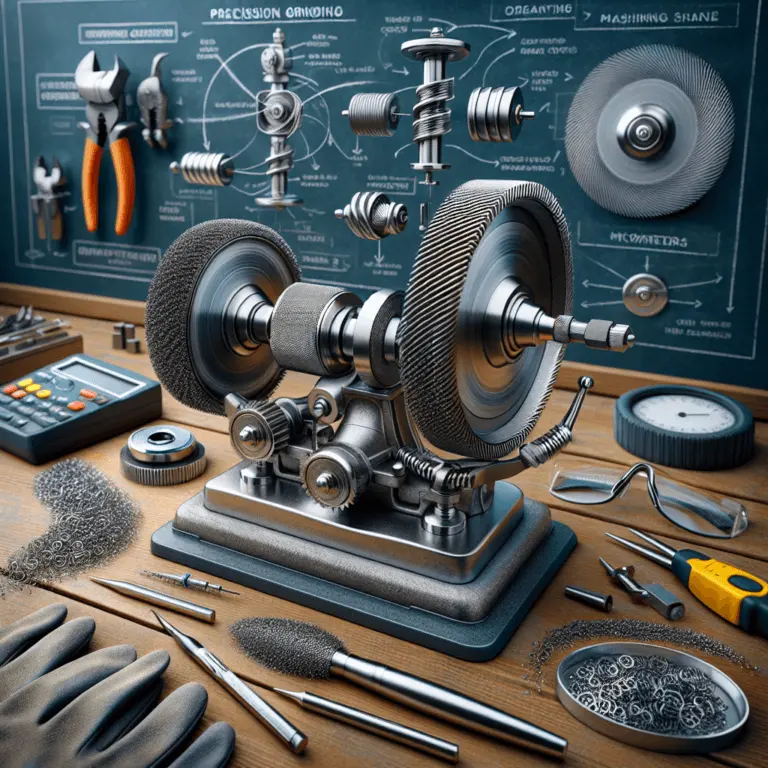
Double end grinders are an invaluable tool in various industries, from metalworking to woodworking and hair product manufacturing. These machines, characterized by their two grinding wheels or disks at both ends, offer a centralized way to accomplish precise grinding tasks for a variety of materials. Understanding how they operate and the benefits they provide can help businesses improve their productivity and achieve high-quality finishes. This article delves into the mechanisms behind double end grinders and explores their advantages, applications, and maintenance tips.
The Mechanics of a Double End Grinder
At its core, a double end grinder comprises two spindles, each equipped with a grinding wheel. These spindles rotate at high speeds, providing the necessary force to grind down materials. The operator places the workpiece on a workstation, typically between the two grinding wheels. The design allows for a dual approach, enabling the operator to grind or sharpen two edges simultaneously.
Key Components
The main components of a double end grinder include:
- Spindles: The rotating shafts that hold the grinding wheels. Their speed can typically be adjusted to suit different grinding needs.
- Grinding Wheels: Made from abrasive materials, these are designed for specific applications. Different grits and compositions are available to cater to various materials.
- Work Rest: A platform where the operator places the workpiece, ensuring stability during the grinding process.
- Guards and Safety Features: Essential components that protect the operator from debris and accidental contact with the grinding wheels.
Precision Grinding Process
Achieving precise grinding with a double end grinder involves several factors:
Grinding Wheel Selection: Choosing the right grinding wheel is crucial. The wheel’s size, grit, and material composition can significantly affect the outcome. For instance, finer grits are ideal for achieving a smooth finish on delicate materials, while coarser grits are better suited for aggressive material removal.
Control of Feed Rate: The rate at which the workpiece is fed into the grinding wheels affects the precision of the grind. A slow, controlled feed rate allows for more accurate material removal, while a faster rate can lead to uneven surfaces.
Consistent Wheel Alignment: Ensuring that both grinding wheels are perfectly aligned is vital for achieving even grinding. Misalignment can cause uneven wear on the wheels and lead to imprecise results. Regular maintenance and visual checks can help maintain alignment.
- Operator Skill: The expertise of the operator plays a significant role in the precision of the grinding process. Experienced operators can make necessary adjustments during grinding, ensuring quality outcomes.
Advantages of Double End Grinders
Double end grinders come with numerous benefits that enhance their utility in various applications.
Efficiency in Production
One of the most significant advantages of a double end grinder is its ability to boost productivity. By allowing operators to work on two sides of a workpiece simultaneously, these machines reduce the time needed to complete grinding tasks. In high-volume production environments, this efficiency translates into considerable time and cost savings.
Versatility
Double end grinders are extremely versatile, suitable for grinding various materials, including metals, plastics, and ceramics. Their ability to accommodate different types of wheels also allows them to be used for a wide range of applications, from sharpening tools to finishing components.
Improved Surface Finishes
A well-maintained double end grinder can produce superior surface finishes. The precision with which the grinding takes place helps create smoother edges and a more polished appearance on finished products. This is particularly important in industries where aesthetics and performance depend on material finish.
Space-Saving Design
Unlike multiple single-end grinders, a double end grinder requires less floor space in a workshop or manufacturing setting. This space efficiency makes it an ideal choice for facilities with limited room for equipment.
Applications of Double End Grinders
Double end grinders find their applications across a wide range of industries. Here are some common uses:
Metalworking
In metalworking shops, double end grinders are essential for sharpening cutting tools, deburring edges, and finishing parts. The ability to work on both ends of a metal component simultaneously ensures that time-consuming processes are accomplished more efficiently.
Woodworking
In woodworking, these grinders are valuable for shaping, smoothing, and finishing wooden pieces. Carpenters use them to refine edges and ensure that surfaces are prepared for final finishing.
Manufacturing
Various manufacturing sectors rely on double end grinders for mass production tasks. They are commonly used for maintaining the sharpness of dies and molds, essential for quality control in production lines.
Hair Products Manufacturing
In the hair products industry, double end grinders can be used to create precise cuts in product components, ensuring that they meet quality specifications.
Maintenance Tips for Double End Grinders
To ensure the longevity and precision of double end grinders, regular maintenance is essential. Here are some key maintenance tips:
1. Regular Inspection
Routine inspections should be conducted to check for signs of wear on the grinding wheels and spindles. Look for uneven wear patterns, cracks, or chipping, which can affect performance.
2. Wheel Replacement
Grinding wheels should be replaced periodically, especially when they show signs of excessive wear. Using worn wheels can lead to imprecise grinding and potentially hazardous situations.
3. Clean Work Area
Keeping the grinding area clean is crucial for safety and precision. Regularly remove debris and build-up from the work surface and grinding components to maintain optimal conditions.
4. Lubrication
Components like spindles and bearings require lubrication to function smoothly. Regularly check lubrication levels and apply the appropriate grease or oil to keep machinery running effectively.
5. Training and Safety
Ensure that all operators are adequately trained in operating double end grinders. They should be familiar with machine functions, safety protocols, and best practices to minimize accidents and improve operational efficiency.
Conclusion
In summary, double end grinders are powerful tools that can achieve precise grinding through a combination of proper setup, operator skill, and regular maintenance. Their versatile applications and efficiency make them indispensable in many industries, while the benefits of achieving superior surface finishes can enhance the quality of products produced. Understanding the operational mechanisms and maintenance requirements can help users maximize the potential of double end grinders, ultimately leading to improved productivity and product quality.
Daguang focuses on providing solutions such as precision CNC machining services (3-axis, 4-axis, 5-axis machining), CNC milling, 3D printing and rapid prototyping services.



















