
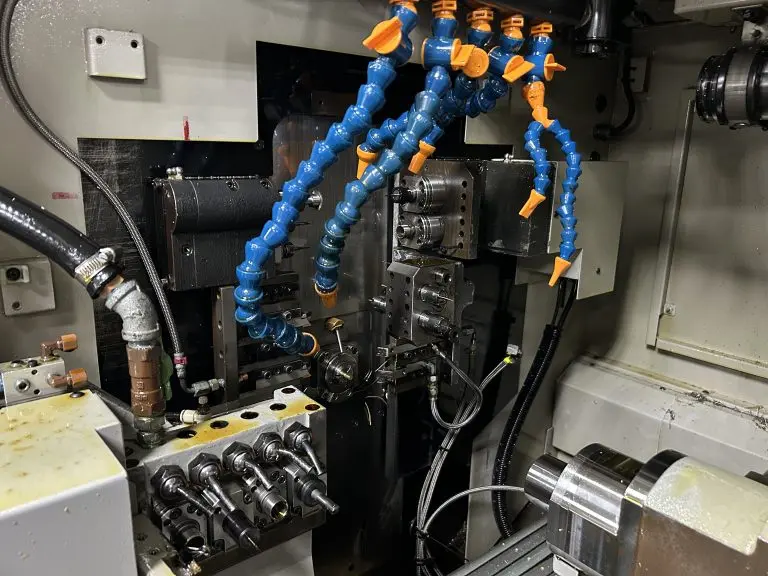
Title: Mastering Spindle Vibration: Effective Solutions for Accurate and Efficient Metal Cutting
Subtitle: A Comprehensive Guide to Diagnosing and Repairing Defects in Pin Systems
Introduction:
In the world of metal cutting, a stable pin system is the foundation of high-quality production. However, vibration issues can arise from various causes, leading to decreased machining accuracy, increased tool wear, and even damage to the spindle. In this article, we will delve into the most effective solutions for diagnosing and repairing spindle vibrations, ensuring optimal performance and extending the lifespan of your equipment.
Troubleshooting Methods:
A thorough understanding of the sources of vibration is crucial for implementing effective solutions. The following diagnostic methods can help identify the root cause of the problem.
Vibration Signal Analysis
By utilizing vibration sensors to collect temporal domain signals during spindle operation, technicians can position abnormal frequencies using spectrum analysis. For instance, an imbalance or release of the spindle typically manifests as a single frequency vibration (spindle speed frequency), while port failures can cause high-frequency noise or harmonics at specific frequencies.
Temperature and Noise Monitoring
Abnormal noise can indicate overheating or poor lubrication of the bearing, leading to spindle vibration. By using an infrared thermometer and sound level meter, technicians can quickly lock onto the defect source.
Inspection of Mechanical Clearance
Check the connection differences between the spindle and tool support, chuck, and other components. Relaxation or wear can worsen vibration. Using a dial gauge to measure the radial jump of the spindle and axial jump ensures whether it is within the eligible range for the equipment.
Repair Methods:
Once the source of the vibration is identified, it’s crucial to implement targeted repair measures.
Correction of Dynamic Balance
If the vibration is caused by spindle imbalance, dynamic correction of balance is necessary. For components such as rotors, tool tightening devices, a dynamic professional balancer is used to adjust mass distribution by adding or decreasing counterweight blocks. This ensures stable operation and optimal performance.
Replacement of Bearings and Lubrication Optimization
Worn bearings or insufficient lubrication are common causes of spindle vibration. When replacing worn bearings, it’s essential to use original specifications, clean the pin cavity, and inject lubricant meeting viscosity requirements. High-speed pins require petroleum and gas lubrication or oil injection lubrication systems.
Strengthening the Mechanical Structure
Insufficient rigidity of the box or bed can exacerbate vibration issues. Improving overall rigidity by adding reinforcement ribs and optimizing support structures can be effective. Additionally, checking the synchronization of the pin drive system (such as engines, belts, and gears) can prevent transmission errors causing vibrations.
CNC System Adjustments
Inadequate adjustments to CNC system parameters, such as acceleration and deceleration times, can lead to spit impact vibrations. Optimizing servo gain and adjusting the acceleration and deceleration curve can effectively eliminate vibrations.
Conclusion:
Spindle vibration issues can be caCumbersome to diagnose and repair, but by adopting a combination of these troubleshooting and repair methods, metal cutting operations can ensure optimal performance and extend equipment lifespan. Regular maintenance and preventive measures are crucial for reducing failure rates. By implementing a pike health monitoring system and analyzing data trends, companies can transform passive maintenance into active maintenance, ensuring long-term and stable functioning of their horizontal turn centers.
Recommended Reading:
- "The Importance of Spindle Vibration Analysis in Metal Cutting"
- "Effective Ways to Prevent and Repair Spindle Vibration"
- "The Role of CNC System Adjustments in Reducing Spindle Vibration"
Image Gallery:
- A high-quality image illustrating the anatomy of a pin system
- A diagram showcasing common causes of spindle vibration
- A photograph of a technician performing vibration signal analysis
- An infographic highlighting the benefits of regular maintenance and preventive measures



















