
The Evolution of Cutting and Welding Technologies: From Simple to Sophisticated
As the world becomes increasingly reliant on advanced manufacturing techniques, the importance of cutting and welding technologies cannot be overstated. From simple to sophisticated, these innovations have transformed the way we approach metal fabrication, with far-reaching implications for industries ranging from construction to aerospace. In this blog post, we’ll delve into the history, evolution, and future of cutting and welding machines, highlighting their impact on the manufacturing landscape.
The Dawn of Cutting Machines: A Brief History
The concept of cutting and welding dates back to the late 19th century, with the invention of the first gas cutting process in the early 1900s. This manual technique, though labor-intensive, proved effective, allowing for the separation of steel and other metals. As the demand for more efficient methods grew, the 1940s saw the introduction of semi-automatic and automatic gas cutting equipment, revolutionizing the industry. This marked the beginning of a new era in cutting and welding technology, with major manufacturing powers like Germany, Japan, the United States, the United Kingdom, and the former Soviet Union investing in the development of cutting machine.
Advancements in Cutting and Welding Technology: A Fast-Paced Revolution
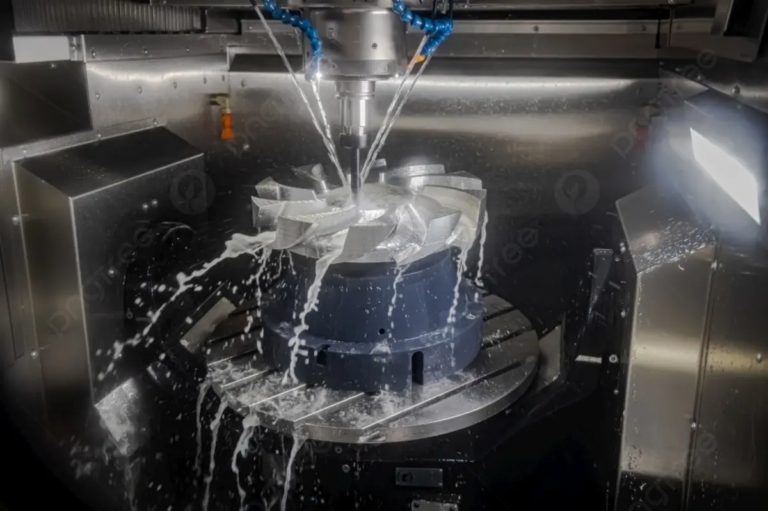
The latter half of the 20th century witnessed a rapid proliferation of cutting and welding technologies, as researchers and manufacturers pushed the boundaries of what was possible. Advances in computer-controlled cutting (CNC) and laser cutting have enabled the production of complex shapes and designs, further increasing efficiency and precision. Today, these machines can cut a wide range of materials, from carbon steel, stainless steel, and copper to aluminum and other non-metallic materials, achieving unprecedented levels of accuracy and dimensional precision.
China’s Rise to Prominence in Cutting and Welding Technology
In the past 30 years, China has experienced a remarkable growth in cutting and welding technology, driven by the country’s rapid industrialization and urbanization. Chinese manufacturers have developed their own cutting-edge cutting machine, including semi-automatic and fully automatic equipment, in collaboration with international partners. This collaboration has brought cutting-edge technology to the country, enabling domestic companies to compete globally in the cutting and welding industry.
Key Industry Players and Innovations
In this rapidly evolving landscape, various international companies have staked their claims, including ISSA, Messe & Ilsley, American Jeremy, Japanese Tanaka, and Koike Aron. These industry giants have established manufacturing facilities in China, propelling cutting-edge technology to the forefront of global production. As a result, the CNC Cup machine has transcended borders, driving innovation and increasing the global cutting and welding machine production.
The Future of Cutting and Welding Technology: Enhancing Efficiency and Productivity
As we look to the future of cutting and welding, several factors will shape the industry’s trajectory. Advances in automation, artificial intelligence, and robotic welding will continue to streamlining processes, reducing production costs, and improving quality. Moreover, the growing demand for sustainable manufacturing practices will lead to the development of eco-friendly cutting and welding technologies. In response, manufacturers are embracing digitalization, lean manufacturing, and Industry 4.0 principles to optimize their operations, increasing efficiency and reducing waste.
Conclusion
The evolution of cutting and welding technologies has been marked by significant breakthroughs and innovations, transforming the manufacturing landscape. From humble beginnings to sophisticated automation, the industry has witnessed immense growth, shaped by the collaborative efforts of researchers, manufacturers, and industry leaders. As we look to the future, it’s clear that cutting and welding technologies will continue to shape industries, driving progress, and redefining the way we design and produce complex products.



















