
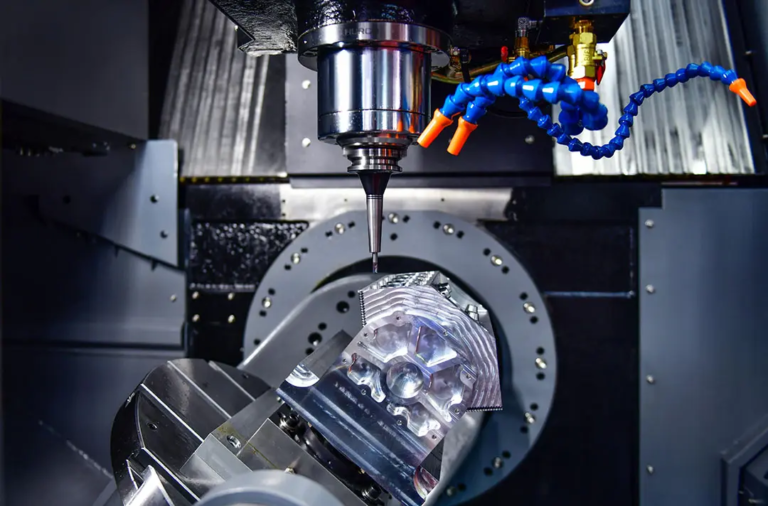
Optimizing Production Lines: The Key to Elevating Efficiency and Quality in Luminaire Arrangement Planning
In today’s fast-paced and competitive industry, manufacturers are constantly seeking ways to optimize their production lines and improve the overall efficiency and quality of their operations. One critical area that often requires careful attention is the luminaire arrangement plan, which is a vital component of any lighting design. In this blog post, we will explore the key to improving the efficiency of production lines and the quality of the luminaire arrangement plan, and provide actionable insights on how to achieve this goal.
The Importance of Efficient Production Lines
Efficient production lines are essential for success in today’s manufacturing landscape. When production lines are optimized, it can lead to increased productivity, reduced costs, and enhanced product quality. A well-designed production line ensures that each stage of the manufacturing process is streamlined, allowing for a smooth flow of materials and products. This, in turn, enables companies to respond quickly to changing market demands, reduce lead times, and improve customer satisfaction.
The Role of Luminaire Arrangement Planning in Production Lines
Luminaire arrangement planning is a critical aspect of production line design. It involves the careful placement and angling of luminaires to ensure that the work area is well-lit and free from shadows. Effective luminaire arrangement planning is crucial for ensuring a safe and productive working environment, as it:
- Reduces Glare: By using the right type and placement of luminaires, glare can be minimized, reducing eye strain and improving worker visibility.
- Improves Visibility: With strategically placed luminaires, workers can see their work area more clearly, reducing errors and improving task performance.
- Enhances Safety: A well-designed luminnaire arrangement plan can help to reduce the risk of accidents by illuminating potential hazards and ensuring a well-lit work environment.
- Boosts Productivity: By providing a comfortable and well-lit work environment, luminaire arrangement planning can help to increase worker productivity and efficiency.
Optimizing Production Lines and Luminaire Arrangement Planning: Key Strategies
To achieve optimal production line efficiency and quality, companies can adopt the following strategies:
- Conduct Regular Audits: Regularly review and assess production lines to identify areas for improvement, including optimizing luminaire arrangement plans.
- Standardize Designs: Develop standardized design templates to ensure consistency across all production lines, reducing design time and improving efficiency.
- Select the Right Luminaire: Choose luminaires that meet specific production line requirements, taking into account factors such as light output, color temperature, and mounting type.
- Integrate Technology: Leverage advanced technologies, such as smart lighting systems, to improve production line efficiency and reduce energy consumption.
- Continuously Monitor and Adjust: Regularly monitor production line performance and adjust luminaire arrangement plans as needed to ensure optimal efficiency and quality.
Conclusion
In conclusion, optimizing production lines and luminaire arrangement planning is critical for achieving success in today’s competitive manufacturing landscape. By following the strategies outlined in this post, companies can improve the efficiency and quality of their production lines, reduce errors and accidents, and increase worker productivity. A well-designed luminaire arrangement plan is essential for ensuring a safe and productive working environment, and by implementing the right strategies, manufacturers can achieve a competitive edge in their industry.
About the author
A professional in the field of industrial design and engineering, the author has extensive experience in designing and optimizing production lines for various industries. With a focus on improving efficiency and quality, the author has authored several articles and whitepapers on topics such as production line design, luminaire arrangement planning, and smart lighting solutions.



















