
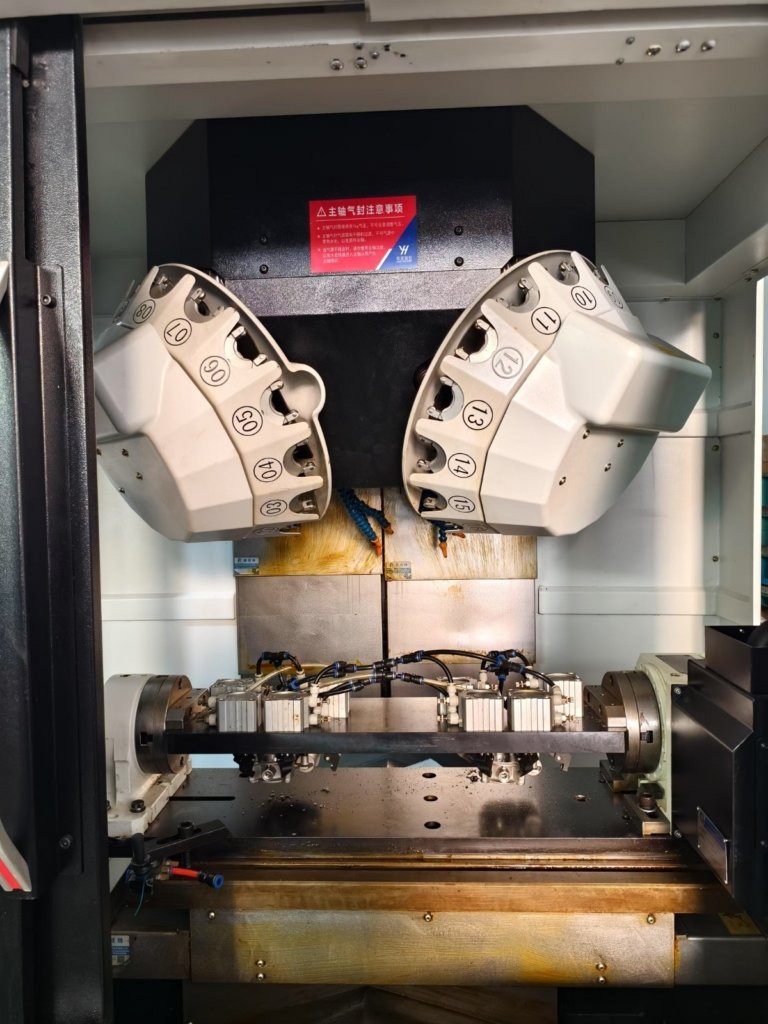
The Evolution of Gear Treatment: A New Era of Precision and Efficiency
In the world of gear treatment, advancements in technology have led to significant improvements in precision, efficiency, and cost-effectiveness. With the increasing demands of the automotive industry, manufacturers are under pressure to produce high-quality gears at an affordable price. In this article, we will explore the latest developments in gear treatment, the challenges faced by manufacturers, and the future direction of this industry.
The Emergence of High-Speed Steel and Coating Technology
Cemented carbide cooking plates, which were once a popular choice for bearing and cutting car gears, have been largely replaced by new high-speed steel materials and high-performance coating technology. This shift has led to a significant decrease in the cost of using cemented carbide cooking plates, making them a more viable option for manufacturers. However, the use of these plates is still limited in Europe, where high-speed steel and coating technology have gained popularity.
The Rise of Dry Cutting and the Demands of Environmental Protection
In Europe, the United States, and Japan, manufacturers are under increasing pressure to reduce waste and emissions, leading to a shift towards dry cutting and tightening. This approach requires more advanced equipment and higher precision, which can significantly impact the processing time and cost. As environmental regulations become more stringent, manufacturers must adapt to these new demands to remain competitive.
Distinguishing Between Industrial Applications
When it comes to gear treatment, each industry has its unique requirements. For example, in the automotive industry, shaving is often used to treat gears, while in other applications, such as the aerospace industry, grinding is more commonly used. Understanding the specific needs of each industry is crucial for manufacturers to develop targeted solutions.
The Advantages of Modern Razor Blades and CNC Technology
Modern razor blades, such as the S400G produced by Samputensili, offer precise control over tooth shape and direction, allowing for high-quality and cost-effective gear treatment. CNC technology has also improved the accuracy and precision of gear treatment, enabling manufacturers to produce high-quality gears with reduced processing time and cost.
The Future of Gear Treatment: A Balance of Quality and Noise Reduction
As quality requirements continue to increase, the need for high-precision gear treatment and reduced noise levels becomes more pressing. To achieve this balance, manufacturers must adapt to new technology and processes, such as the development of advanced grinding equipment. While shaving is still a viable option, grinding remains the primary method for mass production due to its speed and efficiency.
The Role of Sintering Technology in Gear Treatment
Sintering technology has made significant contributions to gear treatment, but its development is still in its infancy. As this technology continues to evolve, it will be important to monitor its progress and potential applications in the gear treatment industry.
A Focus on Quality, Precision, and Affordability
As the gear treatment industry continues to adapt to new technologies and requirements, manufacturers must maintain a focus on quality, precision, and affordability. This requires a balance between advanced technology and reasonable prices, ensuring that the industry remains competitive and sustainable.
Conclusion
The evolution of gear treatment is marked by advancements in technology, changes in market demands, and the need for higher precision and efficiency. As the industry continues to adapt to these shifts, manufacturers must prioritize quality, precision, and affordability to remain competitive. By staying attuned to the latest developments and trends, the gear treatment industry will continue to evolve and thrive in the years to come.
Keyword Suggestions:
- Gear treatment
- High-speed steel
- Coating technology
- Dry cutting
- Grinding
- Shaving
- CNC technology
- Sintering technology
- Quality control
- Noise reduction
- Precision manufacturing
- Affordability
- Sustainability
- Automotive industry
- Aerospace industry
- Industrial applications
- Precision engineering
Meta Description:
In this article, we explore the latest developments in gear treatment, from the emergence of high-speed steel and coating technology to the rise of dry cutting and grinding. We examine the challenges faced by manufacturers and the future direction of the industry, highlighting the importance of quality, precision, and affordability.



















