
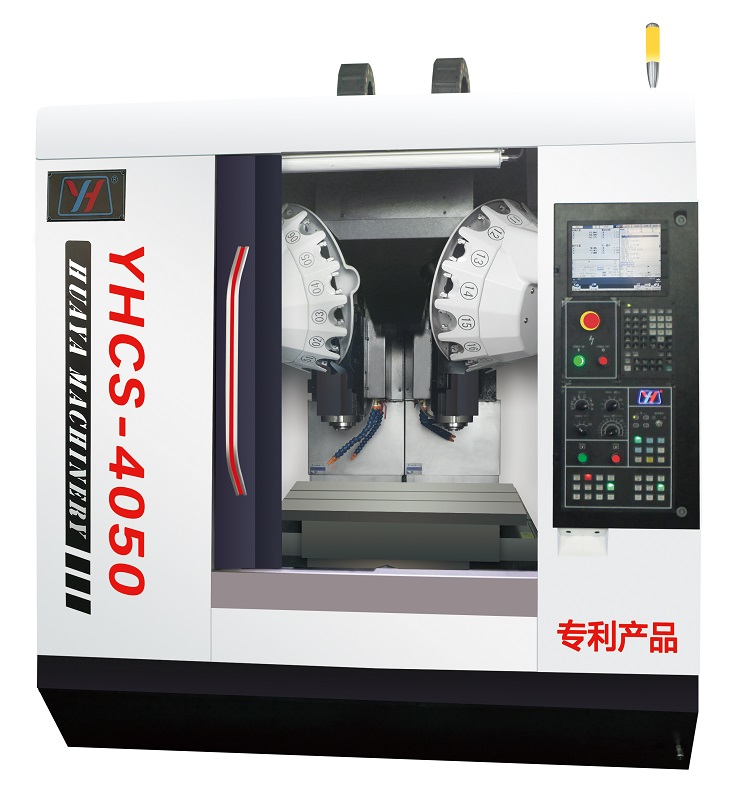
**"Evaluating a CNC Machining Center: A Comprehensive Guide to Choosing the Right Equipment for Your Business"
When it comes to choosing a CNC machining center, it’s essential to consider a range of factors to ensure that you select the right equipment for your business needs. With so many options available in the market, it’s easy to get overwhelmed by the sheer number of choices. In this comprehensive guide, we will walk you through the key considerations to make when evaluating a CNC machining center, helping you to make an informed decision that meets your business requirements.
Factor 1: Processing Requirements
The first step in evaluating a CNC machining center is to assess your processing requirements. This involves considering the type and size of parts, as well as the maximum size and weight of the material to be processed. This will help you determine the type of machining center to choose, such as a vertical, horizontal, or gantry-type machine, as well as its specifications, including the size of the worktable and its other features.
Factor 2: Equipment Performance
The next factor to consider is the performance of the equipment itself. This includes the pin performance, which is critical for high-speed cutting and material removal. Other key performance indicators include the power system performance, which affects treatment accuracy and surface quality, and the capacity of the tool magazine and tool change speed, which impacts production efficiency.
Factor 3: Quality and Stability of the Equipment
It’s also essential to evaluate the quality and stability of the equipment. This includes the brand and reputation of the manufacturer, the structural design and material of the equipment, and the stability of the control system. A well-known brand with a good reputation is more likely to provide high-quality equipment with reliable performance.
Factor 4: Cost and Advantages
The cost of the equipment is another key consideration. To ensure that you make the most cost-effective decision, consider not only the initial purchase price but also the operating costs, such as energy consumption, tool consumption, and maintenance costs.
Factor 5: Repair Service, Training, and Technical Support
Lastly, consider the repair service, training, and technical support offered by the manufacturer or supplier. A timely, effective, and professional repair service can ensure that the equipment is back up and running quickly in case of failure. Additionally, comprehensive training services and technical support can help operators to optimize the equipment’s performance and troubleshoot any issues that may arise.
Conclusion
Evaluating a CNC machining center requires a thorough understanding of the various factors that impact its performance, quality, and cost. By considering the processing requirements, equipment performance, quality and stability, cost, and repair service, training, and technical support, you can make an informed decision that meets your business needs. Remember to also consider the long-term benefits of the equipment, including its impact on production efficiency and product quality. With the right CNC machining center, you can improve your production capabilities, reduce costs, and increase customer satisfaction.



















