
Today I will give you a comprehensive introduction to the characteristics and uses of eight common metal materials. It is full of useful information. Don’t forget to save it after reading it!
Eight common metal materials
1 cast iron – fluidity
Sewer covers are an integral part of our daily environment and few people pay attention to them. The reason why cast iron has such a large number and wide range of uses is mainly due to its excellent fluidity and ease of casting into various complex shapes. Cast iron is actually the name given to a mixture of elements including carbon, silicon and iron. The higher the carbon content, the better its flow characteristics when casting. Carbon is present here in the form of graphite and iron carbide.
The presence of graphite in cast iron gives sewer covers excellent wear resistance. Rust usually only appears on the top layer, so it is usually polished off. Despite this, there are still special measures to prevent rust during the casting process, that is, a layer of asphalt coating is applied to the surface of the casting part. The asphalt penetrates the pores of the cast iron surface to prevent rusting. The traditional process of producing sand casting materials is now used by many designers in other newer and more interesting fields.
Material properties: excellent fluidity, low cost, good wear resistance, low solidification shrinkage, very brittle, high compressive strength, good machinability.
Typical Uses: Cast iron has been used for hundreds of years in construction, bridges, engineering components, home and kitchen appliances and other areas.
2Stainless steel-stainless love
Stainless steel is an alloy made by incorporating chromium, nickel and other metallic elements into steel. Its anti-rust property comes from the chromium component present in the alloy. Chromium forms a strong, self-healing chromium oxide film on the surface of the alloy. This film is invisible to the naked eye. The stainless steel to nickel ratio we usually mention is usually 18:10. The word “stainless steel” does not simply refer to one type of stainless steel, but refers to over a hundred industrial stainless steels, each developed to perform well in its specific application area.
At the beginning of the 20th century, stainless steel was introduced into the field of product design. Designers have developed many new products around its toughness and corrosion resistance, covering many areas that had never been addressed before. This series of design attempts is very revolutionary. For example, sterilizable and reusable equipment is first appearing in the medical industry.
Stainless steel is divided into four main types: austenite, ferrite, ferrite-austenite (composite), and martensite. Stainless steel used in household products is primarily austenitic.
Material properties: health care, anti-corrosion, fine surface treatment possible, high rigidity, can be formed by various processing techniques, difficult cold process.
Typical uses: Among the commonly used primary color stainless steels, austenitic stainless steel is the most suitable coloring material, which can achieve satisfactory color appearance and shape. Austenitic stainless steel is mainly used in decorative building materials, household products, industrial pipes and building structures; martensitic stainless steel is mainly used to make knives and turbine blades; Ferritic stainless steel is anti-corrosive and is mainly used in durable washing machines and boiler parts, composite stainless steel has stronger anti-corrosion properties, so it is often used in corrosive environments.
3 Zinc – 730 pounds in a lifetime
Zinc, shiny silver and slightly bluish gray, is the third most used non-ferrous metal after aluminum and copper. A U.S. Bureau of Mines statistic shows that the average person consumes a total of 331 kilograms of zinc over their lifetime. Zinc has a very low melting point, so it is also an ideal casting material.
Zinc castings are very common in our daily life: materials under the surface of door handles, faucets, electronic components, etc. Zinc has extremely high anti-corrosion properties. This characteristic allows it to have another most fundamental function, namely that of surface coating. material for steel. In addition to the above functions, zinc is also an alloy used with copper to synthesize brass. Its corrosion resistance doesn’t just apply to steel surface coatings: it also helps strengthen our immune system.
Material properties: health care, anti-corrosion, excellent castability, excellent anti-corrosion, high strength, high hardness, cheap raw materials, low melting point, creep resistance, easy to form alloys with other metals, healthcare properties, indoors. Fragile and ductile temperature at approximately 100 degrees Celsius.
Typical uses: electronic product components. Zinc is one of the alloy materials that forms bronze. Zinc also has hygienic and anti-corrosion properties. Additionally, zinc is used in roofing materials, photoetching plates, cell phone antennas, and camera shutter mechanisms.
4Aluminum (Al) – modern material
Compared with gold, which has a use history of 9,000 years, aluminum, a white metal with a slight bluish light, can actually only be regarded as a baby among metallic materials. Aluminum was introduced and named in the early 18th century. Unlike other metallic elements, aluminum does not exist in nature as a direct metallic element, but is extracted from bauxite containing 50% alumina (also called alumina). Aluminum, present in this form in minerals, is also one of the most abundant metallic elements on our planet.
When aluminum first appeared, it was not immediately used in people’s lives. Later, a number of new products targeting its unique functions and characteristics gradually appeared, and this high-tech material gradually captured an increasingly wider market. Although the history of aluminum applications is relatively short, the production of aluminum products in the market now far exceeds the sum of other non-ferrous metal products.
Material properties: flexible and malleable, easy to form into alloys, high strength-to-weight ratio, excellent corrosion resistance, easy to conduct electricity and heat, recyclable.
Typical uses: vehicle chassis, aircraft parts, kitchenware, packaging and furniture. Aluminum is also often used to reinforce certain large building structures. For example, the Cupid statue at Piccadilly Circus in London and the top of the Chrysler Automotive Building in New York all used aluminum reinforcement materials.
Magnesium alloy 5 – ultra-thin aesthetic design
Magnesium is an extremely important non-ferrous metal. It is lighter than aluminum and can form high-strength alloys with other metals. Magnesium alloys have light density, high specific strength and specific rigidity, good thermal and electrical conductivity and good damping reduction. Properties. It has the advantages of shock and electromagnetic protection performance, easy processing and molding, and easy recycling. However, for a long time, due to their high price and technical limitations, magnesium and its alloys were used only in small quantities in the aviation, aerospace and military industries, which is why they are called “metals noble”. Today, magnesium is the third largest metallurgical engineering material after steel and aluminum and is widely used in aerospace, automobile, electronics, mobile communications, metallurgy and other fields . Magnesium metal can be expected to become even more important in the future due to the increasing costs of producing other construction metals.
The proportion of magnesium alloy is 68% aluminum alloy, 27% zinc alloy and 23% steel. It is commonly used in automobile parts, 3C product casings, building materials, etc. Most ultra-thin laptop and cell phone cases are made of magnesium alloy.
The corrosion resistance of magnesium alloy is 8 times that of carbon steel, 4 times that of aluminum alloy, and more than 10 times that of plastic. Its anti-corrosion ability is the best among alloys. Commonly used magnesium alloys are non-flammable and are particularly used in automobile and motorcycle parts as well as construction materials to prevent flash combustion. Most magnesium raw materials are extracted from seawater, so its resources are stable and sufficient.
Material properties: lightweight structure, high rigidity and impact resistance, excellent corrosion resistance, good thermal conductivity and electromagnetic shielding, good non-flammability, poor heat resistance, easy to recycle.
Typical uses: widely used in aerospace, automobile, electronics, mobile communications, metallurgy and other fields.
6 Bronze – Companion of Man
Copper is simply an incredibly versatile metal and closely intertwined with our lives. Most of humanity’s early tools and weapons were made of copper. Its Latin name “cuprum” comes from a place called Cyprus, an island rich in copper resources. People used the abbreviation Cu from the island’s name to name this metallic material, hence the current code name for copper.
Copper plays a very important role in modern society: it is widely used in building structures as a medium to transmit electricity. Additionally, it has been used for thousands of years as a raw material for body decoration by people of various cultural backgrounds. . From its humble beginnings in decoding transmissions to its key role in complex modern communications applications, this malleable orange-red metal has evolved with us along the way. Copper is an excellent electrical conductor, its electrical conductivity is second only to silver. When it comes to the history of people using metallic materials, copper is the oldest metal used by humans after gold. This is largely because copper is easy to extract and relatively easy to separate from copper.
Material properties: good corrosion resistance, excellent thermal conductivity, electrical conductivity, hardness, flexibility, ductility, unique effect after polishing.
Typical uses: wires, motor coils, circuit boards, roofing materials, pipe materials, heating materials, jewelry, kitchen utensils. It is also one of the main alloy components used in the manufacture of bronze.
7Chrome – high gloss post-processing
The most common form of chromium is an alloying element used in stainless steel to improve the hardness of the stainless steel. Chrome plating processes are generally divided into three types: decorative plating, hard chrome plating and black chrome plating. Chrome plating is widely used in the field of engineering. Decorative chrome plating is usually plated on the exterior of the nickel layer as the top layer. The plating has a delicate, mirror-like polishing effect. As a decorative post-processing step, the thickness of chrome plating is only 0.006mm. When considering using the chrome plating process, the dangers of this process must be fully considered. The trend of replacing hexavalent decorative chromium water with trivalent chromium water is becoming more and more evident, as the former is highly carcinogenic, while the latter is considered relatively less toxic.
Material characteristics: very high softness, excellent anti-corrosion performance, hard and durable, easy to clean, low friction coefficient.
Typical Uses: Decorative chrome plating is the plating material for many automotive components, including door handles and bumpers. Additionally, chrome is also used in bicycle parts, bathroom faucets, furniture, kitchenware, tableware, etc. Hard chrome plating is used more in industrial fields, including random memories in task control blocks, jet engine components, plastic molds and shock absorbers. Black chrome plating is mainly used for decoration of musical instruments and solar energy utilization.
8Titanium – light and strong
Titanium is a very special metal, very light in texture, but very strong and resistant to corrosion. The melting point of titanium is similar to that of platinum, so it is often used in precision components in the aerospace and military industries. Different colors are produced by adding electric current and chemical treatment. Titanium has excellent resistance to acid and alkali corrosion. Titanium soaked in “Aqua Regia” for several years is still bright and shiny. If titanium is added to stainless steel, only about 1 percent is added, which significantly improves rust resistance.
Titanium has excellent properties such as low density, high temperature resistance and corrosion resistance. The density of titanium alloy is half that of steel, and its strength is about the same as that of steel, which is resistant to high and low temperatures. It can maintain high strength in a wide temperature range of -253℃~500℃. These benefits are exactly what space metal is needed for. Titanium alloy is a good material for making rocket engine casings, artificial satellites and spacecraft, and is known as “space metal”.
Titanium is a pure metal Since titanium is “pure,” no chemical reactions occur when substances come into contact with it. In other words, because titanium has high corrosion resistance and stability, it will not affect its essence even after long-term contact with people, so it will not cause allergies in humans. It is the only material that has no impact on the human autonomic system. nerves and taste. The metal is known as “biophilic metal”.
The biggest disadvantage of titanium is that it is difficult to refine. This is mainly because titanium can combine with oxygen, carbon, nitrogen and many other elements at high temperatures.
Material properties: very high strength, excellent corrosion resistance in weight/weight ratio, difficult work hardening, good weldability, approximately 40% lighter than steel and 60% heavier than aluminum, low electrical conductivity, low expansion thermal, high melting point.
Typical uses: golf clubs, tennis rackets, laptops, cameras, luggage, surgical implants, aircraft skeletons, chemical equipment and maritime equipment, etc. Additionally, titanium is also used as a white pigment for paper, paints and plastics.
Metal surface treatment process
1. Introduction to surface treatment process
The processing method that uses physics, chemistry, metallurgy, heat treatment and other modern disciplines to change the surface condition and properties of the part and optimally combine it with the base material to to achieve predetermined performance requirements is called surface treatment process.
The role of surface treatment:
(1) Improve surface corrosion resistance and wear resistance, slow down, eliminate and repair changes and damage on the material surface;
(2) Make ordinary materials obtain surfaces with special functions;
(3) Save energy, reduce costs and improve the environment.
2. Classification of metal surface treatment processes
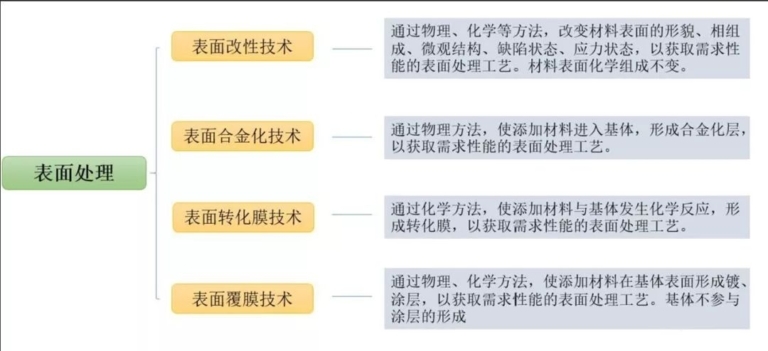
It can be divided into 4 major categories in total: surface modification technology, surface alloy technology, surface conversion coating technology and surface coating technology.
1. Surface modification technology
1. Surface quenching
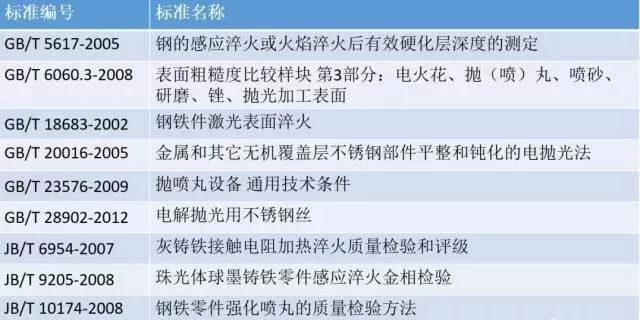
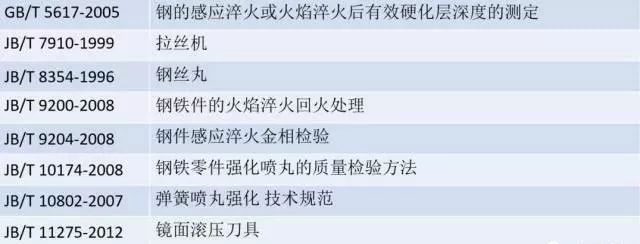
Surface quenching refers to a heat treatment method that uses rapid heating to austenitize the surface layer and then quenching to strengthen the surface of the part without changing the chemical composition and core structure of the steel.
The main surface quenching methods include flame quenching and induction heating. Commonly used heat sources include flames such as oxyacetylene or oxypropane.
2. Laser surface reinforcement
Laser surface enhancement uses a focused laser beam to strike the surface of the part to heat the extremely thin material on the surface of the part to a temperature above the phase transition temperature or melting point in a very short time. time and then cool it in a very short time to harden the surface of the workpiece.
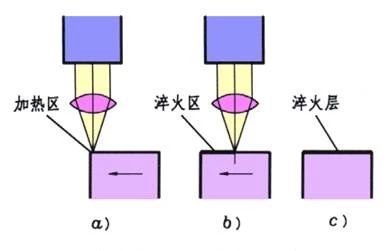
Laser surface strengthening can be divided into laser phase change strengthening processing, laser surface alloy processing and laser cladding processing.
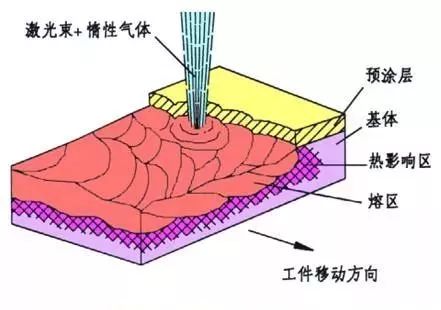
Laser surface reinforcement has a small heat-affected zone, low deformation, and is easy to operate. It is mainly used for locally reinforced parts, such as shutter dies, crankshafts, cams, camshafts, splined shafts, guide rails of precision instruments, high performance. high speed steel cutting tools, gears and internal combustion engines, cylinder liners, etc.
3. Shot blasting
Shot blasting is a technology that sprays a large number of projectiles moving at high speed onto the surface of a workpiece, just like countless small hammers hitting the metal surface, causing some plastic deformation of the surface and underground layers of the part to obtain reinforcement.
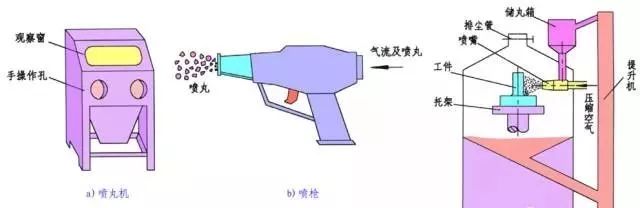
effect:
(1) Improve the mechanical strength of parts as well as resistance to wear, fatigue and corrosion;
(2) Used for surface matting and scale removal;
(3) Eliminate residual stresses in castings, forgings and weldments.
4. Roll
Rolling involves using hard rollers or wheels to press the rotating workpiece surface at room temperature and moving in the direction of the generator to deform and plastically harden the workpiece surface to obtain a precise surface , smooth and reinforced or a surface treatment with a specific surface treatment. model.
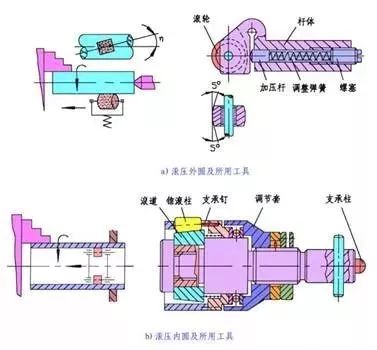
Application: Parts with relatively simple shapes such as cylindrical surfaces, conical surfaces and flat surfaces.
5. Brushing
Wire drawing refers to a surface treatment method that forces metal through a mold under the action of external force, compresses the cross section of the metal, and obtains the required shape and cross section size, called process metal drawing.
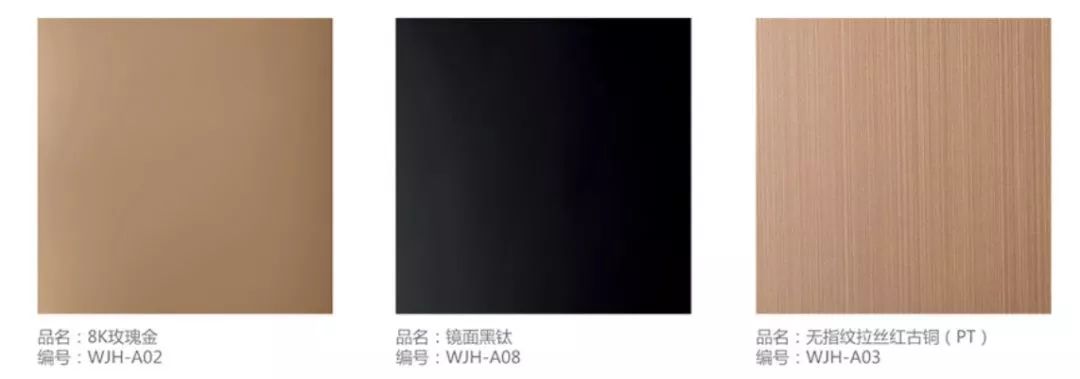
The design can be transformed into straight, random, wavy and swirl patterns according to decorative needs.
6. Polishing
Polishing is a finishing processing method that modifies the surface of parts. Generally, it can only achieve a smooth surface and cannot improve or even maintain the original processing precision. Depending on the pre-processing conditions, the Ra value after polishing can reach 1.6~. 0.008μm.
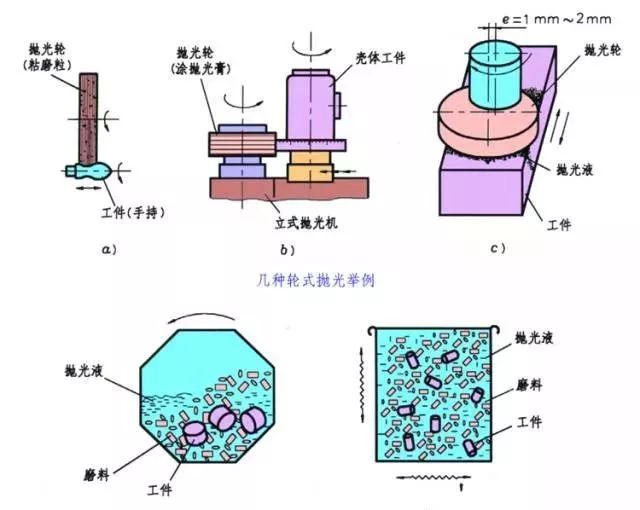
Generally divided into mechanical polishing and chemical polishing.
2. Surface alloy technology
Chemical heat treatment of surfaces
The typical process of surface alloying technology is surface chemical heat treatment. It is a heat treatment process that places the part in a specific medium for heating and insulation, so that the active atoms of the medium penetrate the surface of the part, thus changing the chemical composition and the structure of the surface of the part, thus modifying its performance.
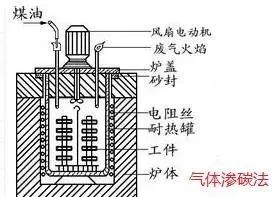
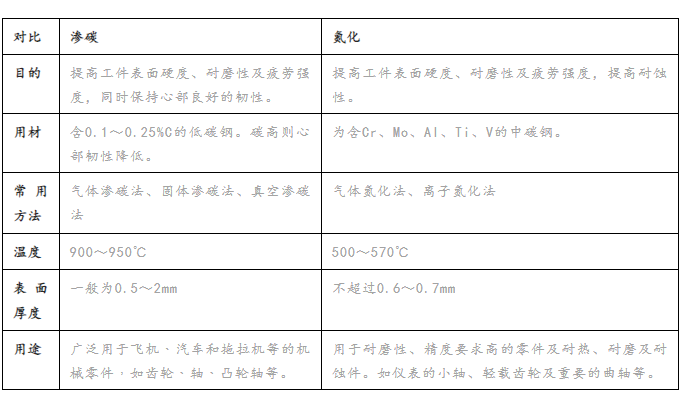
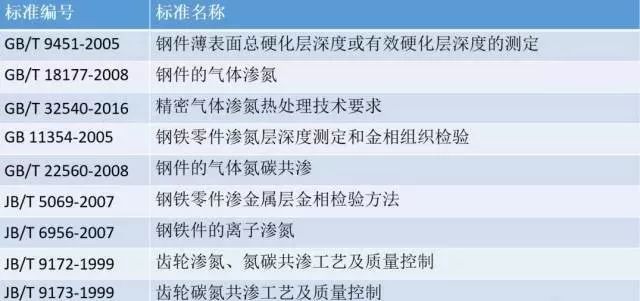
Compared with surface quenching, surface chemical heat treatment not only changes the surface structure of steel, but also changes its chemical composition. According to the infiltrated elements, chemical heat treatment can be divided into carburizing, nitriding, multi-component co-infiltration, infiltration of other elements, etc. The chemical heat treatment process includes three basic processes: decomposition, absorption and diffusion.
The two main methods of chemical heat treatment of surfaces are carburizing and nitriding.

3. Surface conversion coating technology
1. Blackening and phosphating
Darkening:
Process in which steel or steel parts are heated to an appropriate temperature in air, water vapor, or chemicals to form a blue or black oxide film on the surface. Also becomes bluish.
Phosphating:
The process in which the part (steel, aluminum or zinc) is immersed in a phosphating solution (a solution made from certain acidic phosphates) and deposits a layer of water-insoluble crystalline phosphate conversion film on the surface is called phosphating.
2. Anodizing
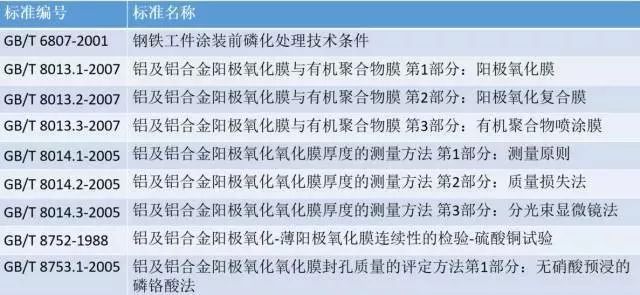
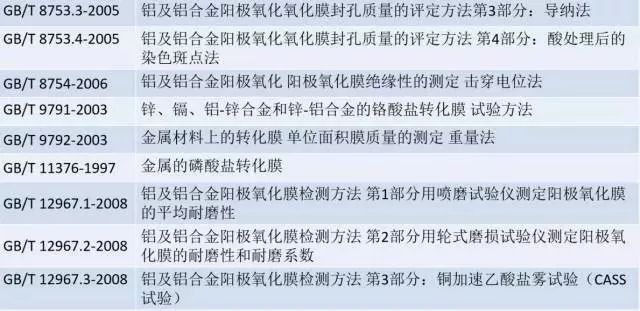
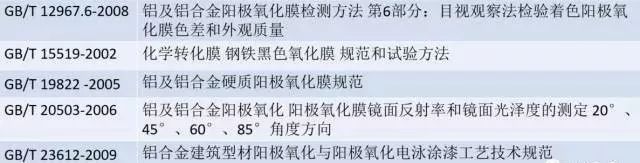
Mainly refers to the anodizing of aluminum and aluminum alloys. Anodizing involves immersing aluminum or aluminum alloy parts in an acidic electrolyte and using it as an anode under the action of an external current to form an anti-corrosion oxidation film layer that is firmly bonded to the substrate on the surface of the part. This oxide film has special properties such as protection, decoration, insulation and wear resistance.
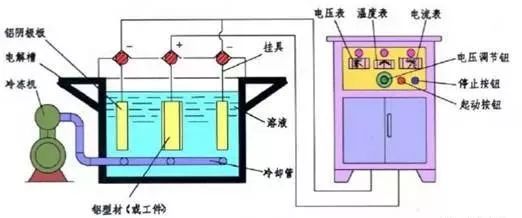
Before anodizing, it must undergo pretreatment such as polishing, degreasing and cleaning, followed by rinsing, coloring and sealing.
Application: It is often used for the protective treatment of some special parts of automobiles and aircraft, as well as the decorative treatment of daily crafts and hardware products.
4. Surface coating technology
1. Thermal projection
Thermal spraying is a method of heating and melting metallic or non-metallic materials, and continuously blowing compressed gas onto the surface of the part to form a coating that is firmly combined with the substrate and obtains the required physical and chemical properties of the surface. of the workpiece.
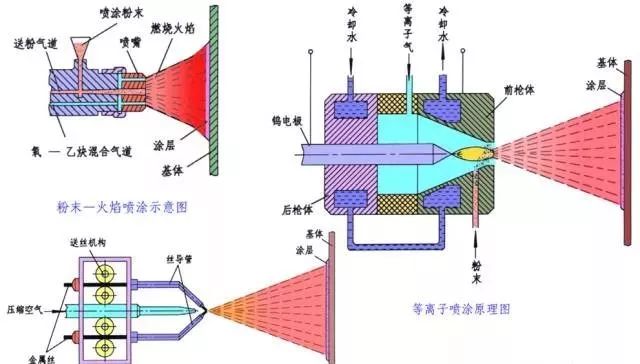
Thermal spray technology can be used to improve the wear resistance, corrosion resistance, heat resistance and insulation of materials.
Application: Almost all fields, including aerospace, atomic energy, electronics and other advanced technologies.
2. Vacuum plating
Vacuum plating is a surface treatment process that deposits various metallic and non-metallic thin films on metal surfaces by vacuum distillation or spraying.
Very thin surface coatings can be achieved through vacuum plating, which has the advantages of fast speed, good adhesion and fewer pollutants.
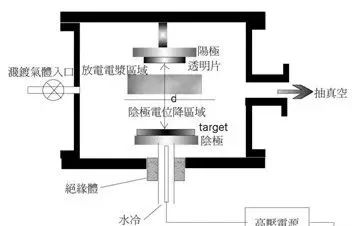
Principle of vacuum spray plating
According to different processes, vacuum plating can be divided into vacuum evaporation, vacuum spraying and vacuum ion plating.
3. Electroplating
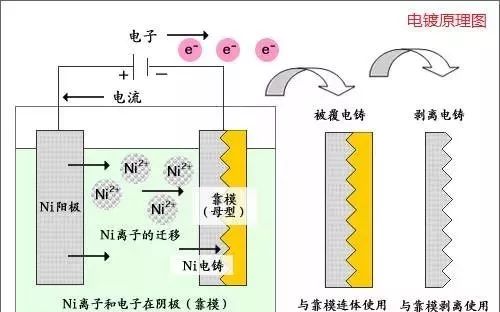
Electroplating is an electrochemical and redox process. Take the example of nickel plating: immerse a metallic product in a solution of metallic salt (NiSO4) as the cathode and the metallic nickel plate as the anode. After switching on the DC power supply, a layer of metal nickel plating will be deposited. on the product.
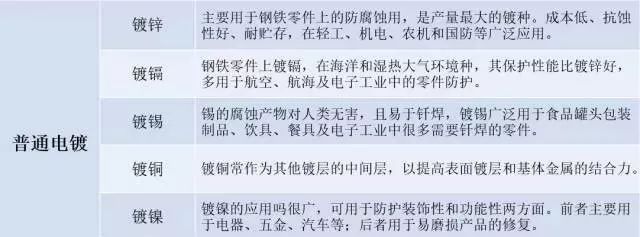
Electroplating methods are divided into ordinary electroplating and special electroplating.

4. Vapor deposition
Vapor deposition technology refers to a new coating technology that deposits gas-phase substances containing deposition elements on the surface of materials by physical or chemical methods to form a thin film.
According to the different principles of the deposition process, vapor deposition technology can be divided into two categories: physical vapor deposition (PVD) and chemical vapor deposition (CVD).
Physical vapor deposition (PVD)
Physical vapor deposition refers to a technology that uses physical methods to vaporize materials into atoms, molecules, or vacuum ionization, and deposits a thin film on the surface of the material through the gas-phase process.
Physical deposition technology mainly includes three basic methods: vacuum evaporation, sputter plating and ion plating.
Physical vapor deposition has the advantages of a wide range of base materials and film materials; the process is simple, material-saving and pollution-free; the resulting film has strong adhesion to the film base, uniform and dense film thickness, and few pinholes.
It is widely used in machinery, aerospace, electronics, optics and light industry to prepare wear-resistant, corrosion-resistant, heat-resistant, conductive thin films , insulating, optical, magnetic, piezoelectric, lubricating, superconducting and others.
Chemical vapor deposition (CVD)
Chemical vapor deposition refers to a method in which a mixture of gases interacts with the surface of a substrate at a certain temperature to form a thin film of metal or compound on the surface of the substrate.
Since chemical vapor deposition film has good wear resistance, corrosion resistance, heat resistance and special electrical and optical properties, it has been widely used in industrial fields such as machinery manufacturing , aerospace, transportation, coal chemical industry, etc.

Daguang focuses on providing solutions such as precision CNC machining services (3-axis, 4-axis, 5-axis machining), CNC milling, 3D printing and rapid prototyping services.



















